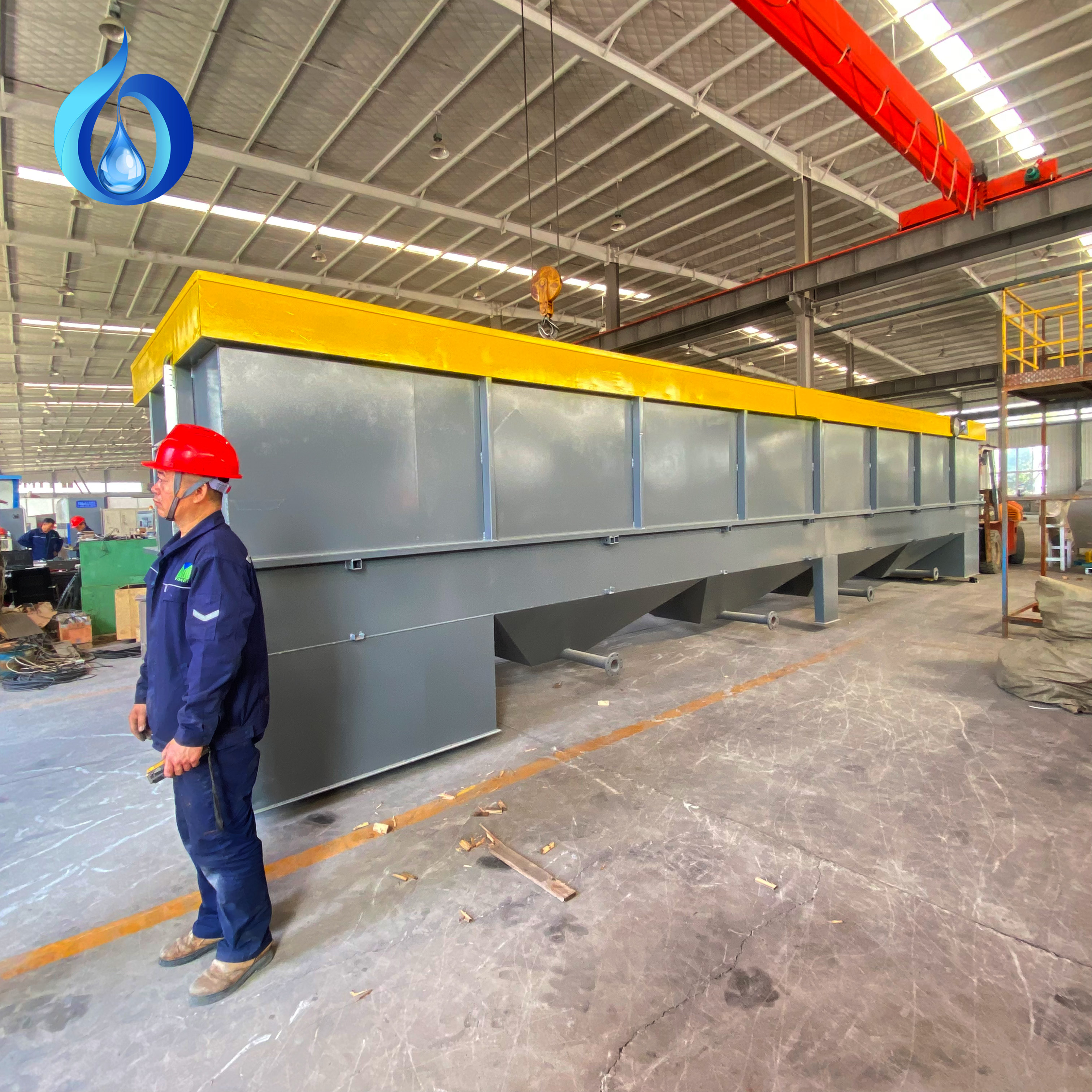
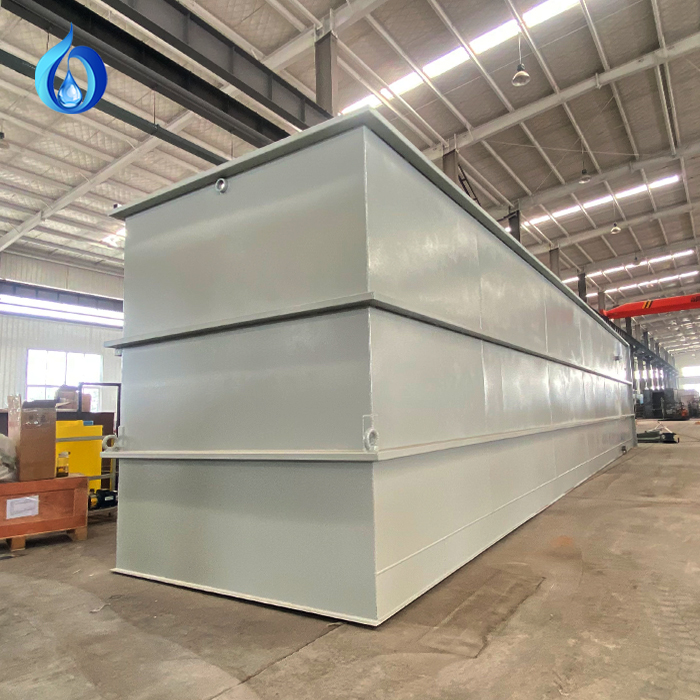
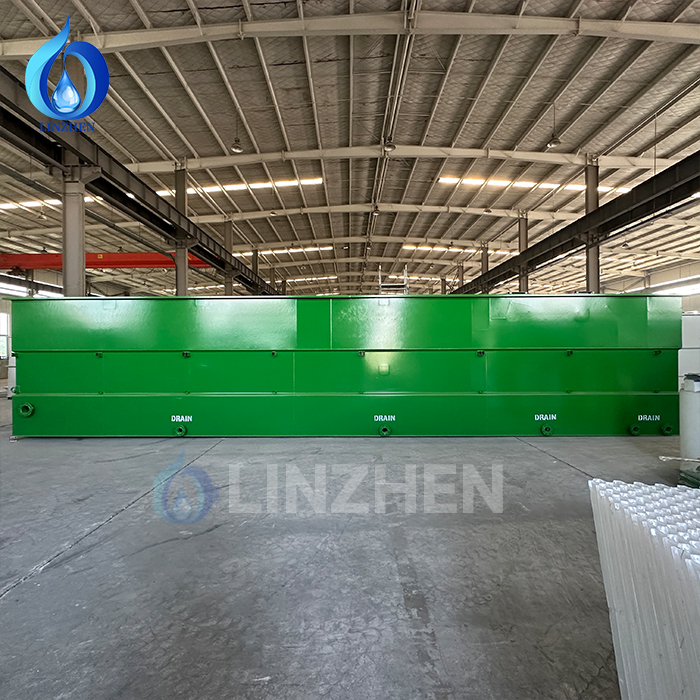
Continuous wastewater treatment demands reliable equipment that operates without interruption. A lamella clarifier is a proven solution for high-rate solids separation, but its performance depends critically on proper sludge management. When facilities run round-the-clock operations, manual sludge removal becomes impractical and inefficient. Automatic sludge draw-off systems transform the lamella clarifier from a periodic-maintenance device into a truly continuous treatment solution.
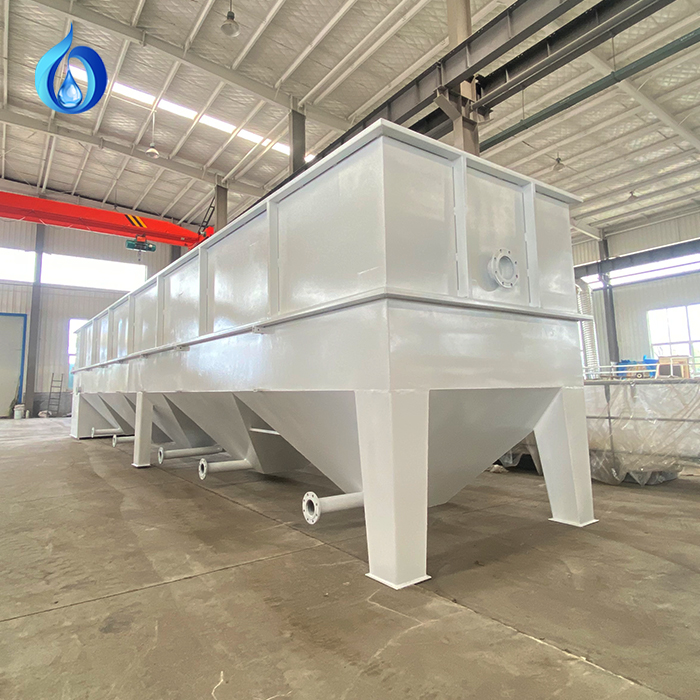
The core question for treatment plant operators is whether auto sludge draw-off is essential, optional, or absolutely necessary. The answer depends on operational goals, treatment cycles, and maintenance capacity. An inclined plate settler with automated sludge removal ensures consistent clarification performance, prevents tank overloading, and eliminates operator intervention during night shifts or weekends. This article explores why automatic sludge management is critical for continuous lamella clarifier operation and how it affects overall system reliability.
Understanding Lamella Clarifier Sludge Accumulation
Why Sludge Builds Up in Continuous Operation
During wastewater treatment, solids settle on the inclined surfaces of a high rate clarifier. In a lamella clarifier, settled solids collect along the slanted plates and gradually move downward toward the sludge collection zone. When the system runs continuously, this accumulation never stops. Manual removal during business hours creates gaps in treatment quality when the system sits idle. Sludge that remains too long in the clarifier begins to decompose, releasing gases and causing resuspension of treated solids back into the effluent stream.
Impact of Manual-Only Sludge Removal
Facilities that rely solely on manual sludge withdrawal face several operational constraints. First, sludge removal requires trained staff to be present, which is not feasible during nights, weekends, or holidays. Second, the timing of manual removal is unpredictable and often reactive rather than preventive. An inclined plate settler system without automation may accumulate excess sludge during low-staffing periods, reducing available clarification volume and degrading effluent quality. Third, inconsistent sludge removal intervals allow anaerobic conditions to develop in settled material, producing hydrogen sulfide and methane that compromise treatment performance and worker safety.
Automatic Sludge Draw-Off System Benefits
Maintaining Consistent Clarification Performance
Auto sludge draw-off removes settled solids on a fixed schedule regardless of time of day or staffing levels. This tube settler module approach ensures the lamella clarifier always operates at design capacity. Consistent sludge withdrawal prevents the settled bed from exceeding maximum height, which would otherwise reduce the effective settling area. A properly configured high rate clarifier with automatic sludge removal maintains effluent clarity throughout the entire 24-hour cycle. This consistency is essential for downstream processes like filtration, disinfection, or nutrient removal, which depend on predictable influent quality.
Eliminating Operational Bottlenecks
When treatment plant operators must manually manage sludge in a lamella clarifier, they become dependent on human presence and attention. Automated systems remove this constraint entirely. Night shift staff no longer need specialized training for sludge withdrawal procedures. Emergency situations like power failures or pump outages no longer compromise clarification because the inclined plate settler continues functioning under predetermined sludge removal logic. A tube settler module equipped with automated draw-off also reduces the physical labor burden on operators, lowering injury risk and improving workplace safety standards.
Protecting System Stability and Preventing Bypass
In continuous operation, even brief periods of sludge overload in a high rate clarifier can cause solids to bypass into the effluent. This bypass reduces treatment efficiency and may violate discharge permits. Automatic sludge draw-off prevents this by maintaining strict control over settled solids levels. The lamella clarifier remains responsive to flow changes because sludge volume never unexpectedly peaks. Additionally, automated removal prevents the formation of septic conditions within the sludge blanket, which would otherwise release dissolved contaminants back into the treated water. This protection is particularly important for facilities treating industrial wastewater or combined sewer overflows where unpredictable influent composition demands responsive treatment systems.
Implementing Auto Sludge Draw-Off in Lamella Clarifier Design
System Components and Control Logic
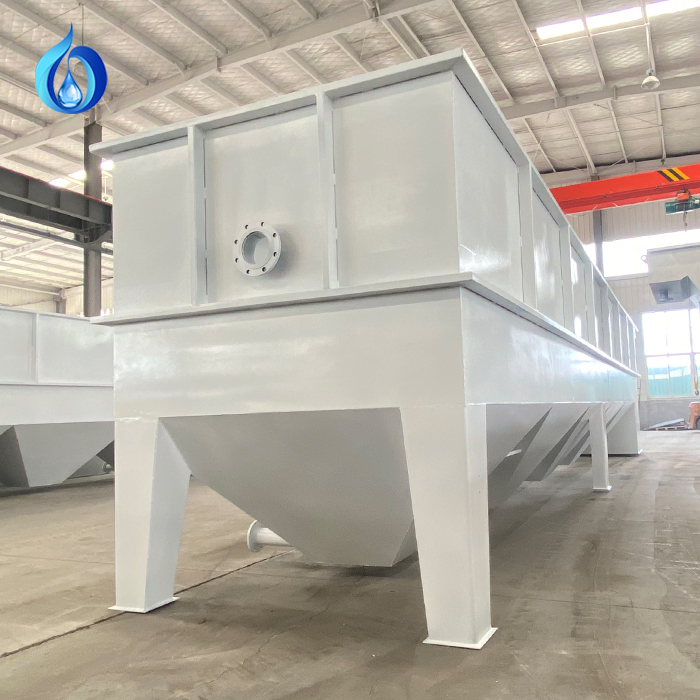
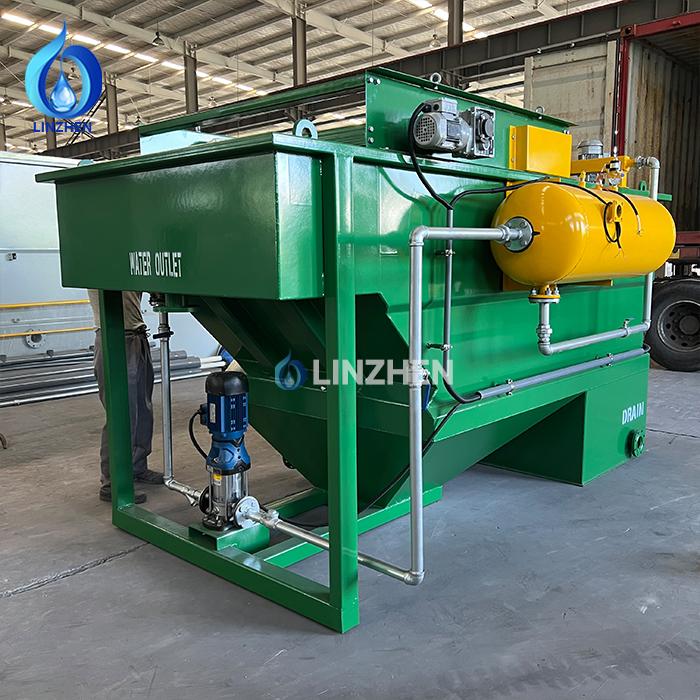
An automatic sludge draw-off system typically includes a level sensor in the sludge collection zone, a control timer or PLC, and a sludge withdrawal pump. The inclined plate settler's geometry is designed so settled solids naturally consolidate toward the bottom, where the draw-off mechanism operates. The lamella clarifier control system monitors sludge depth and activates the withdrawal pump when level reaches a preset threshold. A tube settler module may use a combination of timed intervals and level feedback to optimize sludge removal without wasting energy or prematurely exhausting sludge handling capacity. The high rate clarifier's compact design benefits from this automation because space is limited and manual inspection is difficult.
Designing for Unattended Operation
Round-the-clock operation of a lamella clarifier requires redundancy in critical systems. Auto sludge draw-off pumps should have backup power options, including battery systems or generator backup. Pressure relief valves and overflow provisions protect the inclined plate settler from hydraulic failures. A high rate clarifier should include backup sensors so that single equipment failure does not blind operators to system status. The tube settler module's discharge points should drain to a sludge handling facility that can receive material at any hour, such as a hopper with volume buffering or a continuous dewatering system. These design considerations ensure the entire treatment train remains stable during extended operation without direct supervision.
FAQ
Can a lamella clarifier operate continuously without auto sludge draw-off?
Technically, a lamella clarifier can run for limited periods without automatic sludge removal, but only with frequent manual intervention. For true 24/7 operation without staff presence at all times, auto sludge draw-off is virtually essential. Without it, sludge accumulates during unmonitored shifts, reducing the clarifier's capacity and allowing solids to escape. An inclined plate settler or tube settler module without automation quickly becomes unreliable in continuous service.
What is the cost difference between manual and automated sludge removal in a high rate clarifier?
Auto sludge draw-off adds capital cost through pump installation, instrumentation, and control systems, typically 15–25% more than a basic lamella clarifier. However, this cost is offset by reduced labor requirements, lower sludge handling complexity, and improved treatment reliability. A high rate clarifier with automation often justifies its higher initial expense through reduced operational costs and better effluent quality over the asset's lifetime.
How often should sludge be drawn off in an automated lamella clarifier system?
Sludge draw-off frequency in an inclined plate settler depends on influent solids concentration, flow rate, and desired sludge residence time. Most tube settler modules operate on intervals ranging from every 4 hours to once daily, triggered either by timer or level sensor. A well-designed lamella clarifier's control system optimizes this frequency to maintain consistent performance while minimizing sludge volume sent to downstream treatment.
 EN
EN