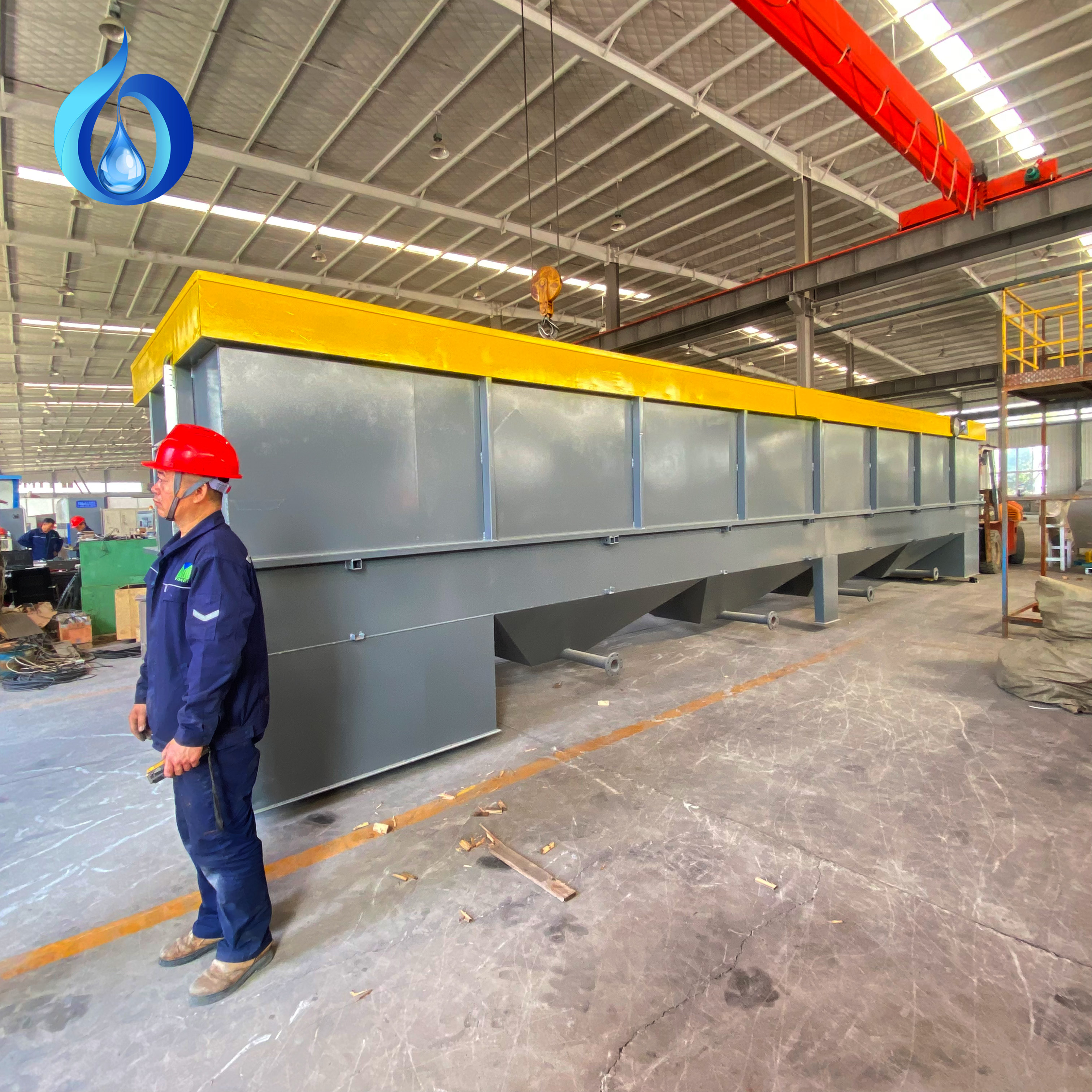
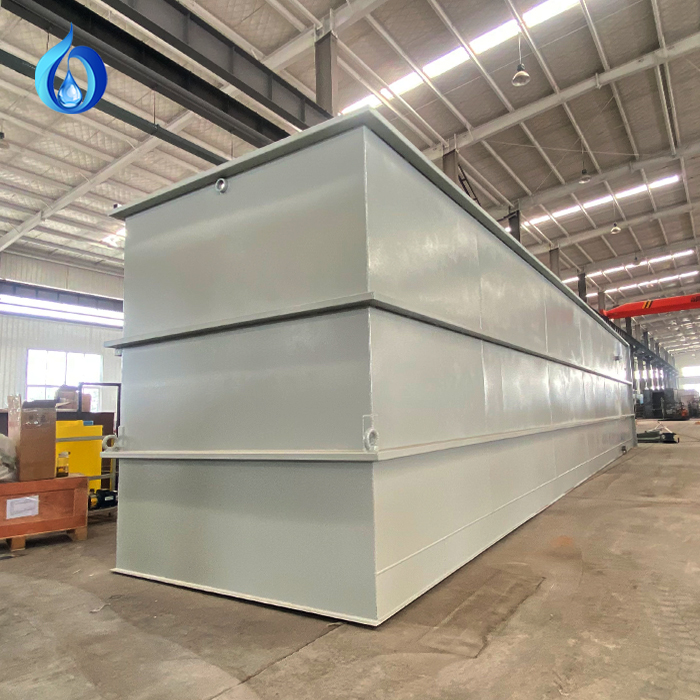
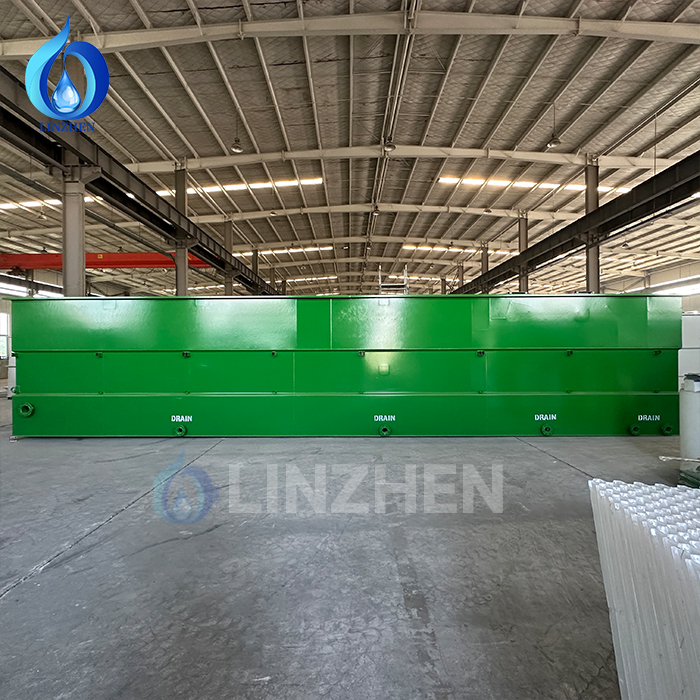
Multi-building campuses face significant operational and environmental challenges when managing waste streams across distributed facilities. The decision to implement a decentralized wastewater treatment system instead of relying on centralized municipal infrastructure represents a strategic choice with far-reaching implications for operations, sustainability, and regulatory compliance. Understanding whether a decentralized wastewater treatment system aligns with your campus infrastructure requires careful analysis of site conditions, operational capacity, regulatory requirements, and long-term institutional goals. This evaluation goes beyond simple cost comparison to encompass campus layout, water reuse potential, maintenance capabilities, and environmental responsibility objectives.
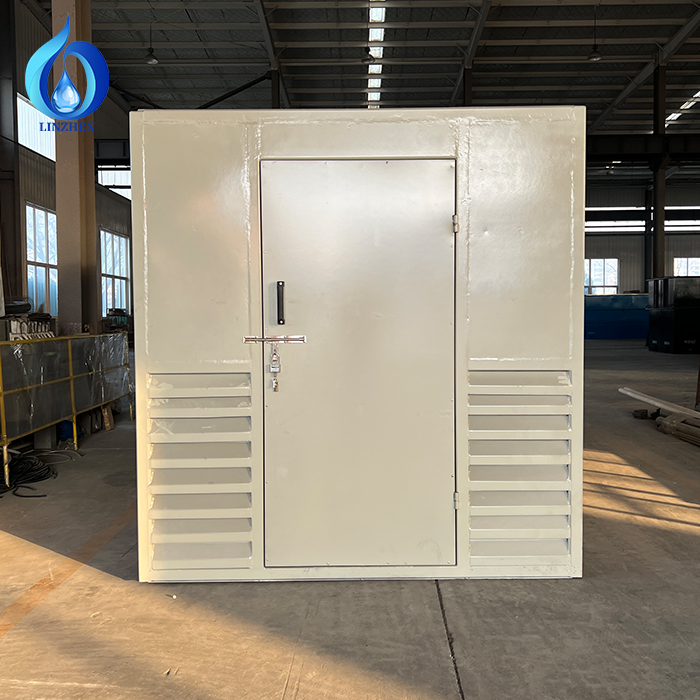
A decentralized wastewater treatment system offers distinct operational advantages for large institutional campuses, particularly when buildings are geographically dispersed or when campus expansion plans suggest future facility additions. The modular nature of this approach means each building cluster or zone operates its own wastewater treatment system, enabling independent optimization and reducing reliance on aging centralized infrastructure. Campus planners increasingly recognize that decentralized solutions provide flexibility, reduce pumping costs over long distances, and create opportunities for on-site water recycling that centralized systems cannot easily achieve.
Assessing Your Campus Infrastructure Fit
Geographic Layout and Distribution Factors
Campus geography fundamentally shapes whether a decentralized wastewater treatment system makes operational and financial sense. Facilities spread across large land areas incur substantial costs to transport wastewater through extensive piping networks to distant centralized treatment plants. When your wastewater treatment system serves multiple buildings within localized zones, each treatment unit can operate more efficiently because proximity reduces energy demands for pumping and transport. Additionally, a decentralized wastewater treatment system allows campus managers to implement treatment strategies tailored to each zone's specific water generation patterns, occupancy levels, and discharge requirements.
Terrain features, soil composition, and available space for treatment infrastructure also influence suitability. Your campus's topography determines whether gravity-fed flow between buildings is achievable or whether additional pumping infrastructure becomes necessary. A decentralized wastewater treatment system positioned within or near building clusters minimizes both underground piping complexity and installation disruption to campus operations. Flat sites with scattered buildings benefit significantly from this distributed approach compared to campuses where all structures cluster in tight proximity.
Municipal Infrastructure and Sewer Capacity
Local municipal wastewater treatment infrastructure capacity directly affects whether a decentralized wastewater treatment system represents a viable alternative. Some municipalities impose moratoriums on new connections due to existing treatment plant capacity constraints or aging collection systems reaching design limits. A decentralized wastewater treatment system can alleviate municipal system strain while providing your campus independence from potential future restrictions or sewer fee escalations. If your region faces anticipated growth pressures or aging infrastructure, implementing a campus-based wastewater treatment system strengthens institutional resilience.
Conversely, if municipal systems operate well below capacity with competitive rates and robust infrastructure, the regulatory and financial drivers for a decentralized wastewater treatment system weaken. Municipalities sometimes offer incentives for institutions to reduce incoming flow volumes, effectively making a wastewater treatment system financially attractive through rebate programs or reduced connection fees. Campus planners should verify municipal policies regarding treatment system operation, maintenance responsibility, and potential future mandates affecting centralized system usage.
Operational and Maintenance Considerations
Staff Capability and Technical Support
Operating a decentralized wastewater treatment system demands ongoing technical expertise and commitment from campus facilities teams. Unlike centralized municipal treatment, where professional operators manage wastewater treatment system functions at remote plants, campus-based systems require local staff training, monitoring, and routine maintenance. Your institution must evaluate whether current facilities personnel possess or can develop the expertise required for operating a wastewater treatment system effectively. Modern treatment systems often incorporate automated controls and remote monitoring, reducing hands-on demands but requiring staff familiarity with digital system management.
Access to qualified service vendors and equipment suppliers becomes critical for campus-based wastewater treatment system reliability. Identify whether qualified contractors operate within your region and whether they maintain the specific expertise your chosen wastewater treatment system requires. Some advanced treatment technologies demand specialized technicians, creating potential maintenance bottlenecks if local talent is scarce. Building relationships with equipment manufacturers and service providers before system installation ensures that your campus wastewater treatment system receives responsive support when unexpected issues arise.
Preventive Maintenance and Lifecycle Planning
A decentralized wastewater treatment system requires consistent preventive maintenance to maintain treatment performance and prevent environmental violations. Budget planning must account for regular equipment inspections, filter replacements, pump servicing, and chemical or biological media maintenance depending on your treatment technology. Unlike centralized systems where financial responsibility disperses across municipal rate payers, a campus wastewater treatment system consolidates all maintenance costs on institutional budgets. Over a fifteen to twenty-year operational horizon, these recurring costs substantially impact total cost of ownership calculations.
Planning for equipment lifecycle replacement becomes essential when evaluating a campus-based wastewater treatment system investment. Treatment membranes, motors, control systems, and treatment media require eventual replacement as they degrade. A comprehensive wastewater treatment system financial model must include reserve funding for these capital replacements to avoid operational disruption. Institutions that fail to budget for lifecycle maintenance often face system deterioration, regulatory violations, or emergency repair expenses that exceed planned expenditures significantly.
Environmental and Sustainability Integration
Water Recycling and Resource Recovery Opportunities
A decentralized wastewater treatment system positioned within campus grounds creates exceptional opportunities for on-site water recycling and resource recovery initiatives. Treated effluent from a wastewater treatment system can supply landscape irrigation, facility cooling systems, toilet flushing, or other non-potable applications, dramatically reducing campus freshwater consumption. These water reuse pathways become logistically simple when a wastewater treatment system operates locally rather than at remote municipal facilities where transported treated water costs and complexity increase substantially. Leading institutions recognize that a wastewater treatment system integrated with water recycling creates significant sustainability performance metrics and operational cost reduction simultaneously.
Beyond water conservation, certain wastewater treatment system technologies enable nutrient recovery or energy generation from waste streams. Advanced treatment systems can concentrate biosolids suitable for campus landscape applications or digestion systems producing renewable energy. When your campus pursues comprehensive sustainability objectives, a wastewater treatment system becomes a cornerstone infrastructure investment rather than merely a compliance necessity. Strategic wastewater treatment system selection aligned with campus sustainability commitments demonstrates institutional environmental leadership and often qualifies for grants or green building certifications.
Regulatory Compliance and Environmental Stewardship
Implementing a decentralized wastewater treatment system ensures direct control over effluent quality and environmental discharge compliance. Your campus wastewater treatment system operates under specific discharge permits defining treatment standards, monitoring requirements, and reporting obligations. This direct regulatory relationship creates accountability transparency and enables your institution to exceed minimum standards if campus sustainability policies warrant enhanced treatment levels. A wastewater treatment system operated under campus control prevents situations where municipal system upsets or inadequate treatment compromise your discharge permits.
Environmental stewardship extends beyond regulatory minimums to reflect institutional values and community expectations. A campus-based wastewater treatment system demonstrates visible commitment to environmental responsibility and provides educational opportunities for students, staff, and visitors. Many academic institutions view their wastewater treatment system as a demonstration facility where environmental engineering principles become tangible infrastructure supporting campus operations. This integration of sustainability education with practical wastewater treatment system operation strengthens institutional mission alignment and community engagement.
FAQ
What specific factors make a campus-based wastewater treatment system financially advantageous compared to municipal treatment?
A campus wastewater treatment system becomes financially attractive when municipal sewer fees are high, treatment capacity constraints exist, or your campus can implement water recycling generating cost offsets. If wastewater treatment system effluent supplies landscape irrigation or other campus uses, the recycled water value reduces net treatment costs significantly. Additionally, a decentralized wastewater treatment system eliminates long-distance conveyance pumping energy costs that centralized systems require. However, this financial advantage depends on campus size, local municipal rates, available land for treatment infrastructure, and your institution's operational capacity.
Can a decentralized wastewater treatment system serve a campus with varying building ages and occupancy patterns?
Yes, a modular wastewater treatment system approach accommodates varying campus characteristics effectively. Modern treatment technologies operate reliably across fluctuating flow rates and composition changes typical of academic and institutional environments. A properly designed wastewater treatment system incorporates flow equalization and buffer capacity to handle peak occupancy periods and lower-demand seasons. Phased campus expansion becomes simpler with a wastewater treatment system since additional treatment capacity can be added incrementally as new buildings connect to the system rather than requiring complete system redesign.
What regulatory approvals does a campus need before implementing a decentralized wastewater treatment system?
Regulatory requirements for a campus wastewater treatment system vary by jurisdiction but typically include state environmental agency permits, local health department approval, and potentially Army Corps of Engineers review if wetlands or surface waters are involved. Your wastewater treatment system design must meet state treatment standards and your specific discharge permit conditions. Before finalizing your wastewater treatment system investment, engage environmental consultants familiar with local regulations to ensure your proposed system meets all compliance requirements. Early coordination with permitting authorities prevents costly design revisions after installation begins.
 EN
EN