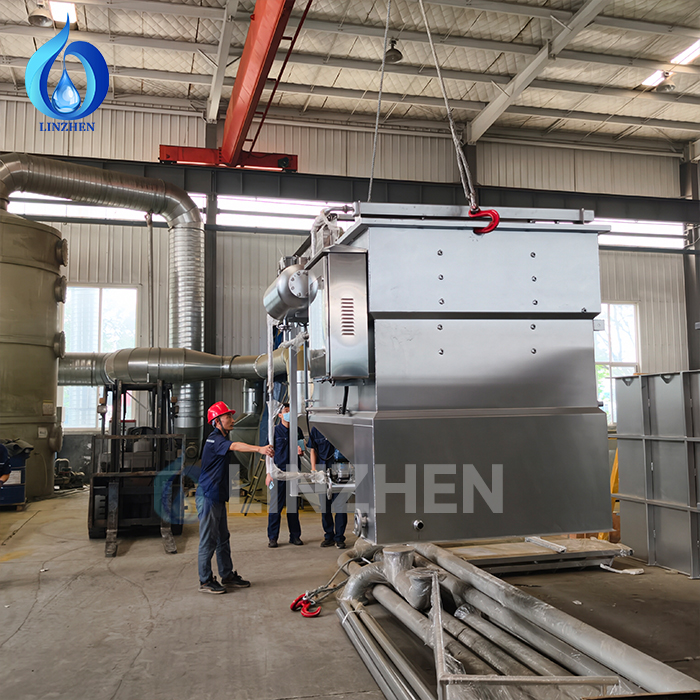
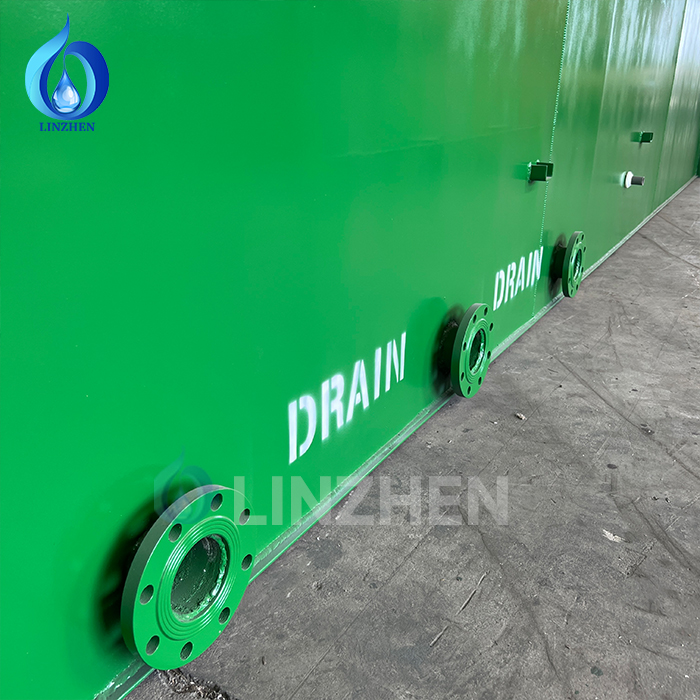
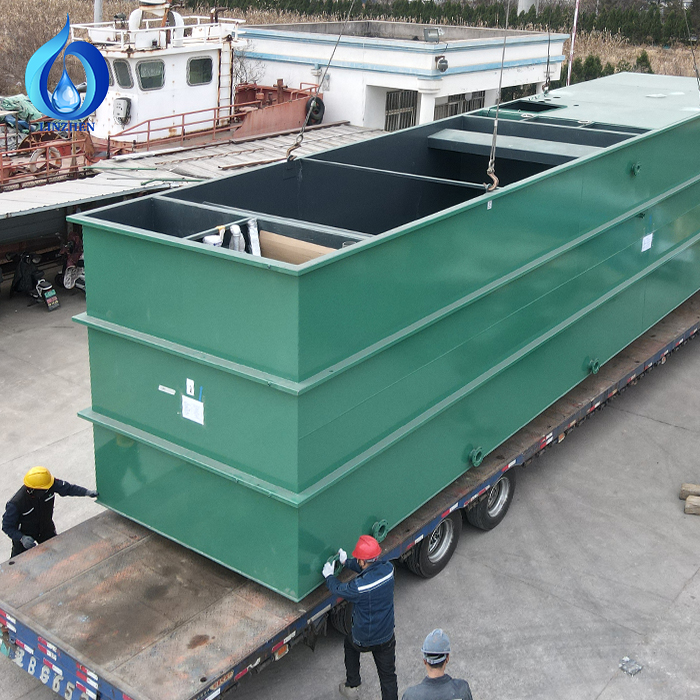
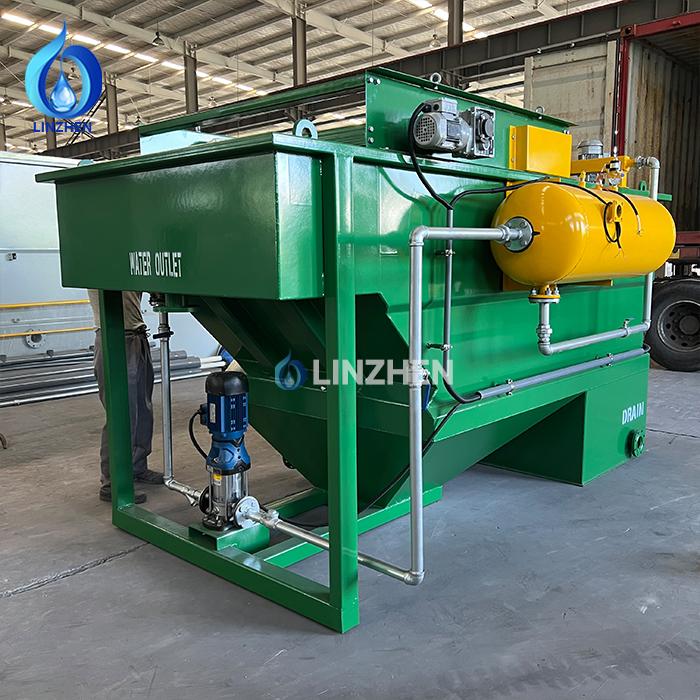
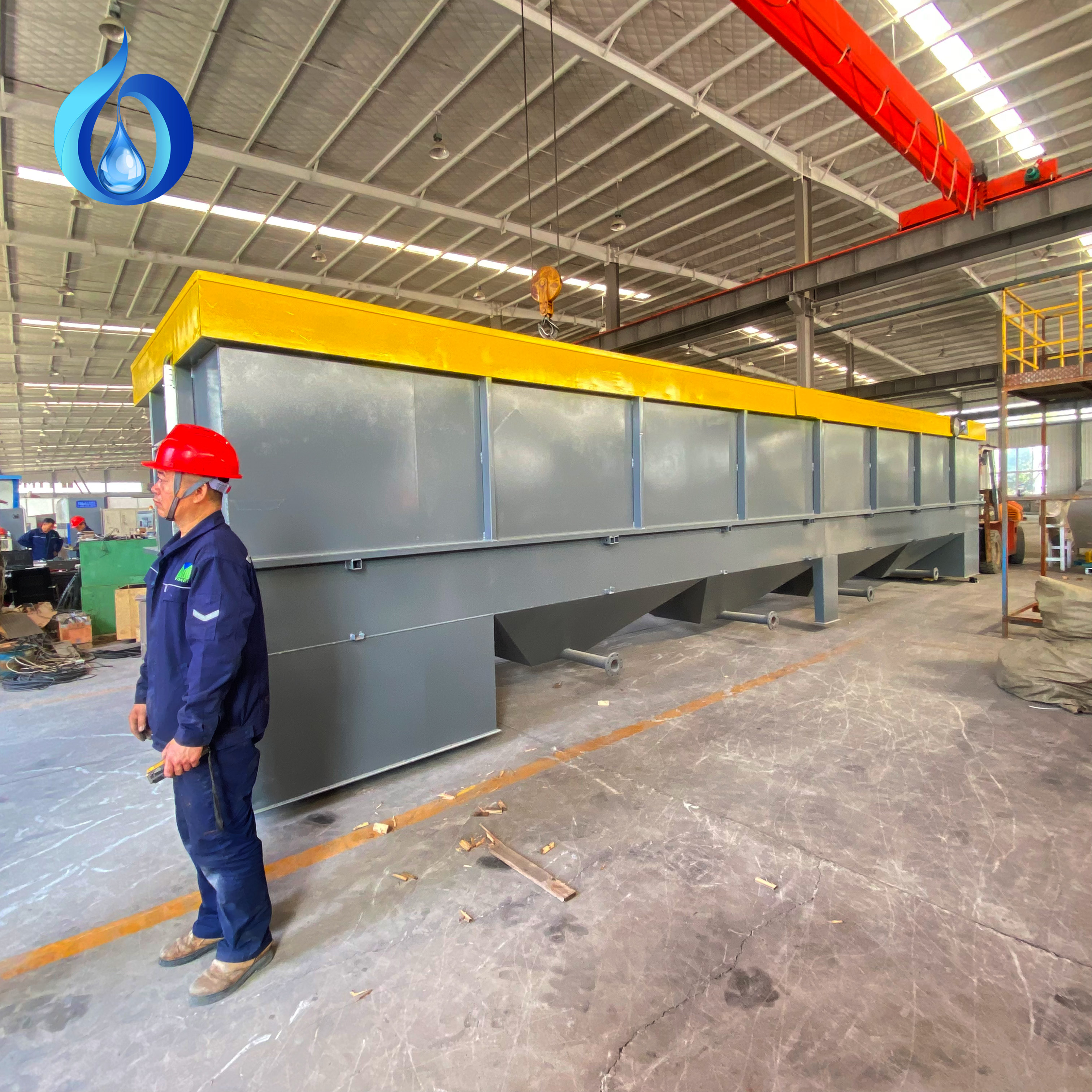
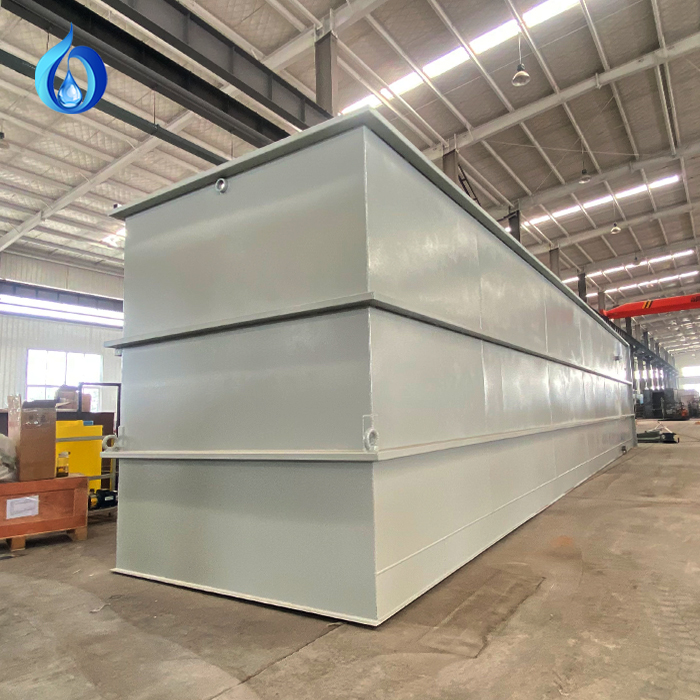
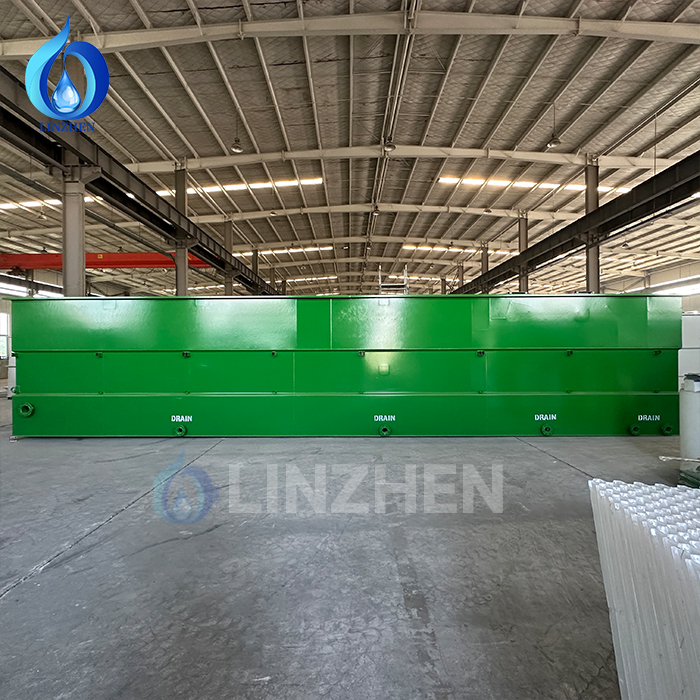
Engineering precise wastewater treatment sizing parameters for agricultural and industrial food facilities demands a comprehensive evaluation of hydraulic profiles and pollutant concentrations. Commercial food production produces complex effluent laden with emulsified fats, animal proteins, and heavy suspended solids that depend heavily on specialized physical separation equipment. Executing accurate DAF tank sizing guarantees consistent contaminant capture, reduces chemical dosing expenditures, and protects downstream process units. Mastering the primary design criteria governing dissolved air flotation system performance enables facility engineers to secure full environmental compliance without over-investing in unnecessary physical plant footprint.
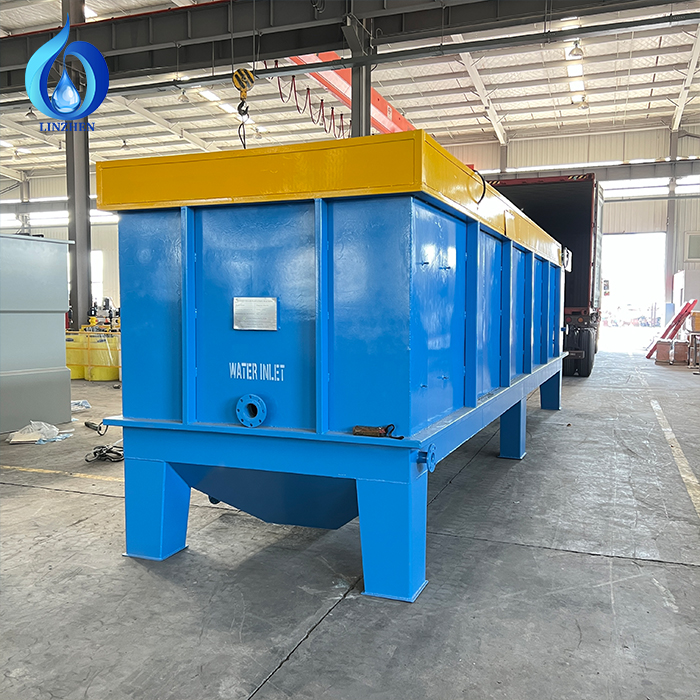
Selecting an optimal separation unit begins with a meticulous assessment of incoming liquid waste profiles specific to daily manufacturing routines. Different processing lines generate distinct waste characteristics, fluctuating chemical oxygen demands, and varying particle size distributions. Every commercial dissolved air flotation system must be custom-engineered to handle intense hydraulic surges while maintaining the strict removal efficiencies mandated by local municipal discharge permits. This comprehensive technical guide details the practical mechanics of specifying a high-performance dissolved air flotation system within food manufacturing environments.
Establishing Flow Metrics and Peak Capacity Buffers
Calculating Flow Variations for DAF Tank Sizing
The foundational phase of effective DAF tank sizing relies on quantifying real-time liquid discharge volumes across full operational cycles. Food packaging and processing plants routinely experience drastic flow fluctuations during active manufacturing hours, with peak surges typically coinciding with intensive sanitation washes or batch processing cycles. Your dissolved air flotation system must accommodate both continuous baseline flows and rapid volume spikes. Oversights during initial wastewater treatment sizing often lead to severe tank overflow, excessive chemical waste, or complete biological process disruption downstream.
To establish dependable engineering metrics, conduct prolonged flow monitoring during peak operational shifts, seasonal harvests, and equipment clean-in-place procedures. A well-proportioned dissolved air flotation system should accommodate peak hourly flows while incorporating an operational safety safety margin of 15 to 25 percent. Because sanitation washdowns can increase hourly flow rates threefold, establishing precise hydraulic limits is essential for robust DAF system design and successful daily operations.
Managing Seasonal Shifts in Food Processing Wastewater
Manufacturing volume in agricultural facilities is rarely constant throughout the operational calendar. Consequently, any industrial dissolved air flotation system installed must possess inherent operational flexibility to manage seasonal harvest surges, recipe alterations, and future facility expansions. Seasonal production spikes generate sudden, heavy pollutant loads in food processing wastewater streams, making short-term operational buffers imperative during initial equipment specification.
In addition, engineers must account for how a dissolved air flotation system functions during partial maintenance shutdowns or unexpected power interruptions. Incorporating continuous flow data gathered over twelve operating months ensures that the final DAF system design accounts for real-world operational stressors. Providing verified historical data simplifies regulatory approval processes and ensures long-term capital protection for plant owners.
Influent Contaminant Loads and Separation Parameters
Targeting FOG and Solids in Food Processing Wastewater
The concentration and physical state of incoming pollutants directly dictate the required dimensions and internal features of a dissolved air flotation system. Typical food processing wastewater contains high concentrations of free-floating fats, emulsified oils, and dense suspended organic matter that respond effectively to micro-bubble separation. A modern dissolved air flotation system captures these substances through targeted air bubble attachment, but total efficiency relies heavily on surface area loading and liquid retention time.
Comprehensive laboratory testing of raw effluent should determine chemical oxygen demand, total suspended solids, and total oil and grease levels. These core parameters establish the organic mass load that the dissolved air flotation system must process hour by hour. High fat content or heavy protein loads often require expanded flotation vessel dimensions or specialized chemical flocculation pretreatment to ensure optimal physical separation within the primary tank.
Balancing Retention Time and DAF System Design Surface Loading
Hydraulic retention time represents the total time liquid remains inside the main flotation chamber, directly governing DAF system design parameters. Sufficient retention allows micro-bubbles adequate contact time to bind with organic flocs and rise to the scum layer. Typical DAF tank sizing calculations utilize retention times between 20 and 40 minutes, depending on influent strength and targeted discharge standards. Correctly balancing retention time prevents equipment oversizing while maintaining high pollutant capture rates.
Surface loading rates measure the volumetric application rate per unit of tank surface area per hour. For industrial food processing wastewater, surface loading rates typically range from 3 to 6 cubic meters per square meter per hour. Increasing the horizontal surface area of a dissolved air flotation system automatically extends retention time, yielding cleaner effluent. Mastering these physical relationships is crucial when executing precise wastewater treatment sizing calculations.
Mechanical Features and Aeration Equipment Specifications
Sizing Micro-Bubble Generation and Air Saturation Systems
The air saturation equipment integrated into a dissolved air flotation system must generate a continuous, dense cloud of micro-bubbles to lift suspended matter efficiently. Operating under pressurized conditions, the saturation system dissolves atmospheric air into recycled water, releasing microscopic bubbles upon depressurization into the flotation chamber. Correctly specifying saturation pump capacity ensures the dissolved air flotation system handles peak organic loads without experiencing sudden clarity drops.
For heavy food processing wastewater, the volumetric air-to-water ratio within a dissolved air flotation system generally ranges between 0.04 and 0.08. Higher concentrations of fats and proteins require increased air injection volumes to ensure complete bubble coverage. Because air saturation pumps account for a substantial portion of ongoing utility power consumption, precise equipment sizing directly preserves long-term operational profitability.
Tank Geometry, Clarification Zones, and Sludge Removal Mechanisms
The vertical tank geometry of a commercial dissolved air flotation system influences both physical separation performance and routine maintenance ease. Modern installations incorporate a clarification zone positioned 1 to 1.5 meters below the water surface to ensure clear effluent extraction. The bottom hopper assembly in a dissolved air flotation system collects settled heavy solids, enabling continuous automatic purging without interrupting the main flotation process.
Overall vessel depth for a commercial dissolved air flotation system typically ranges between 3 and 4 meters, providing adequate vertical space to prevent fluid short-circuiting. Properly proportional tank geometry ensures uniform horizontal fluid flow and maximizes micro-bubble contact efficiency. Modern food plants benefit significantly from flexible DAF system design features that adapt smoothly as production conditions shift.
Regulatory Limits and Scalable Expansion Planning
Ensuring Discharge Permit Compliance Through DAF System Design
A primary goal of implementing a robust dissolved air flotation system is consistently meeting strict municipal sewer discharge permits or surface water environmental standards. Regulatory agencies enforce stringent numerical limits on fats, oil, grease, and suspended solids. Conservative DAF tank sizing prevents non-compliance fines during severe production surges, ensuring reliable continuous operation.
Incorporating reasonable design safety margins into your wastewater treatment sizing framework guarantees performance stability during seasonal shifts or temporary chemical dosing disruptions. Environmental authorities recognize the efficiency of a well-engineered dissolved air flotation system for handling organic waste streams, facilitating smoother environmental permit approvals for expanded industrial production facilities.
Future-Proofing Through Modular DAF Tank Sizing
Plant managers often evaluate whether a new dissolved air flotation system should cover present needs exclusively or accommodate future factory expansion. Installing undersized treatment assets leads to premature retrofit expenditures when production scales up. Conversely, extreme oversizing ties up unnecessary capital and increases operational overhead. The recommended strategy incorporates a 20 to 30 percent operational buffer during initial DAF tank sizing to absorb reasonable future growth.
Modular DAF system design concepts offer excellent long-term expansion flexibility for expanding food brands. Operating multiple parallel dissolved air flotation system trains provides built-in mechanical redundancy while allowing incremental capital investments as wastewater production increases over time.
FAQ
What primary operational factors govern accurate DAF tank sizing?
Accurate DAF tank sizing depends primarily on peak hydraulic flow rates, incoming pollutant concentrations (fats, oils, and suspended solids), and local discharge standards. Conducting thorough wastewater treatment sizing evaluations and analyzing flow records guarantees reliable dissolved air flotation system performance.
How does hydraulic retention time affect DAF system design?
Retention time dictates the required volumetric size and footprint of the dissolved air flotation system. Maintaining an optimal 20 to 40 minute retention period within the DAF system design ensures effective bubble attachment and efficient removal of heavy food processing wastewater contaminants.
Should I size a dissolved air flotation system with future growth capacity?
Yes, engineers recommend specifying a dissolved air flotation system with a 20 to 30 percent capacity buffer above current peak flow requirements. Choosing modular DAF system design configurations allows seamless future expansion without replacing existing primary treatment infrastructure.
 EN
EN