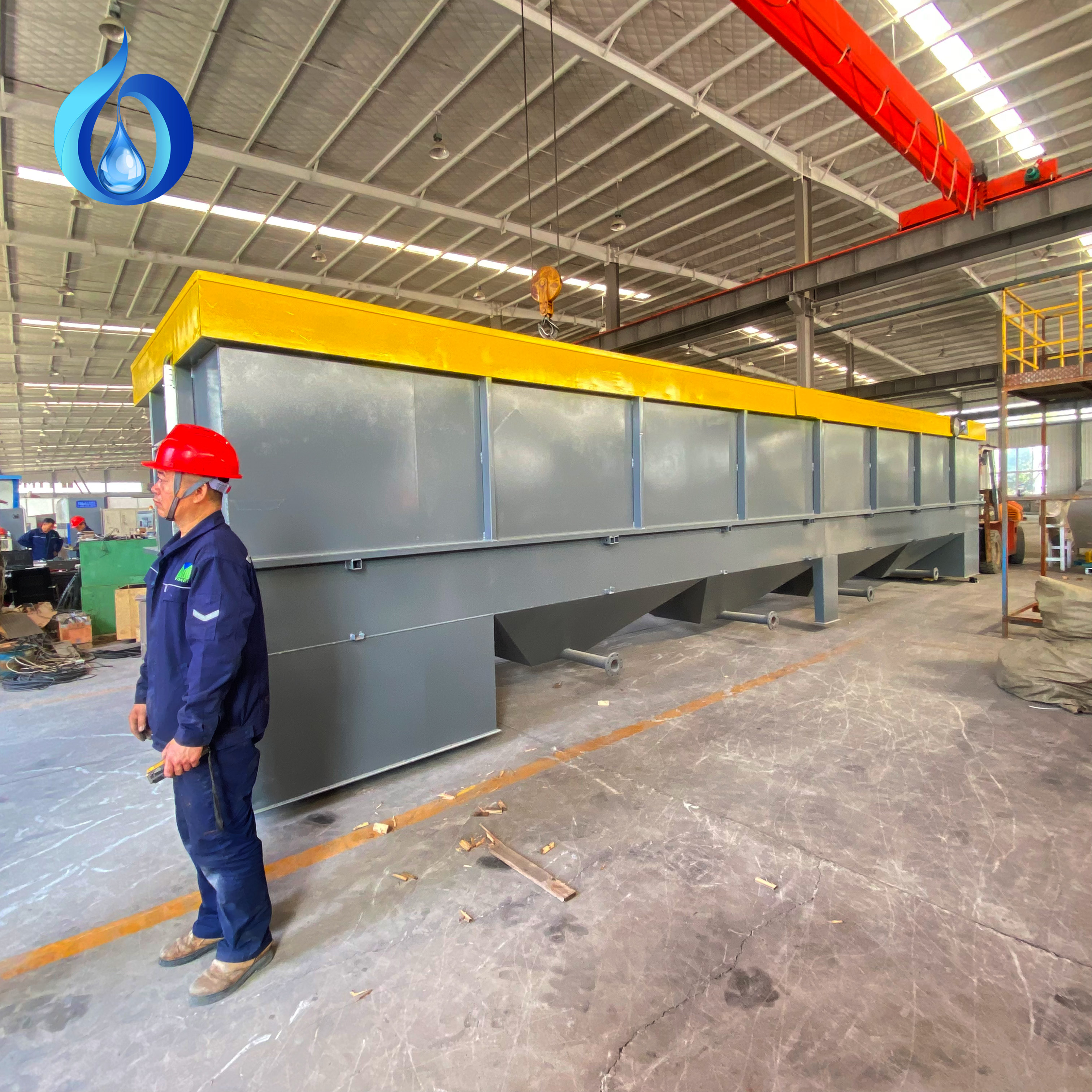
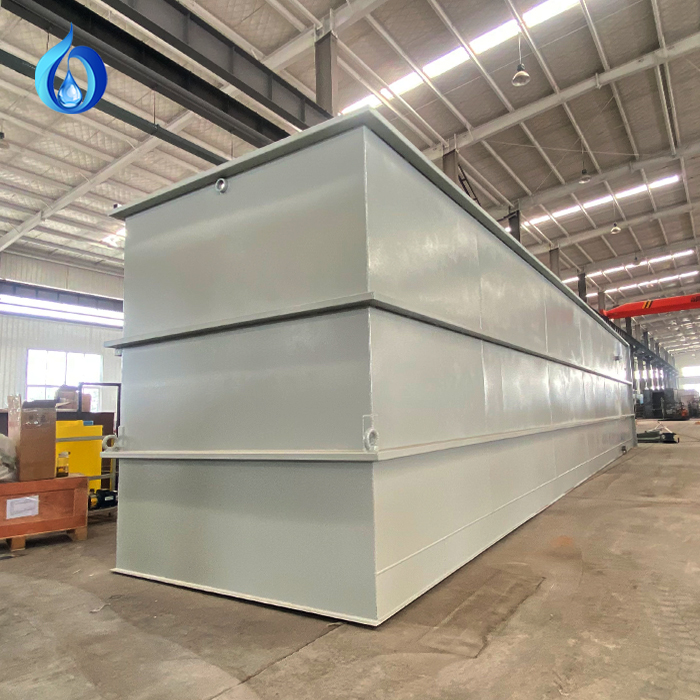
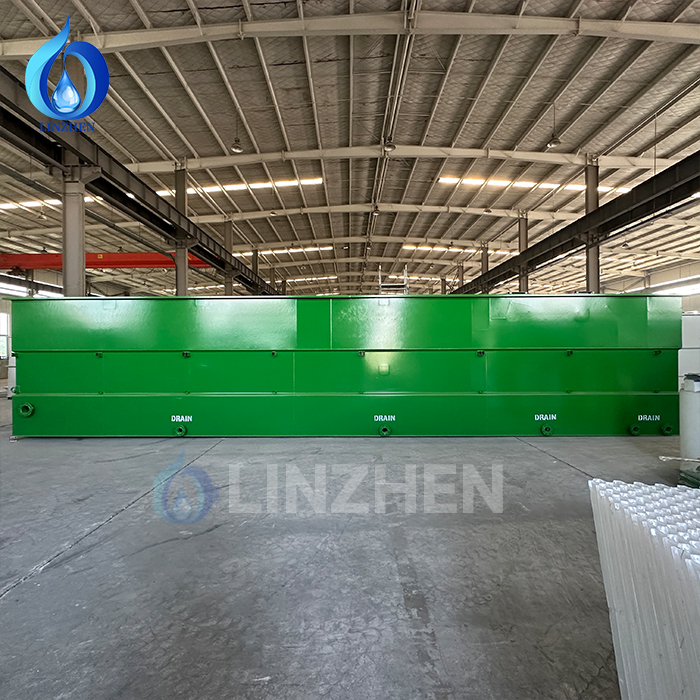
Understanding how domestic wastewater treatment is regulated across different countries reveals a complex landscape shaped by environmental priorities, economic development levels, and public health concerns. Each nation implements its own framework for domestic wastewater treatment, yet common principles underpin these diverse regulatory approaches. The regulations governing domestic wastewater treatment vary significantly depending on geographic location, climate conditions, and infrastructure capacity, making it essential for municipalities and water service providers to navigate these requirements carefully.
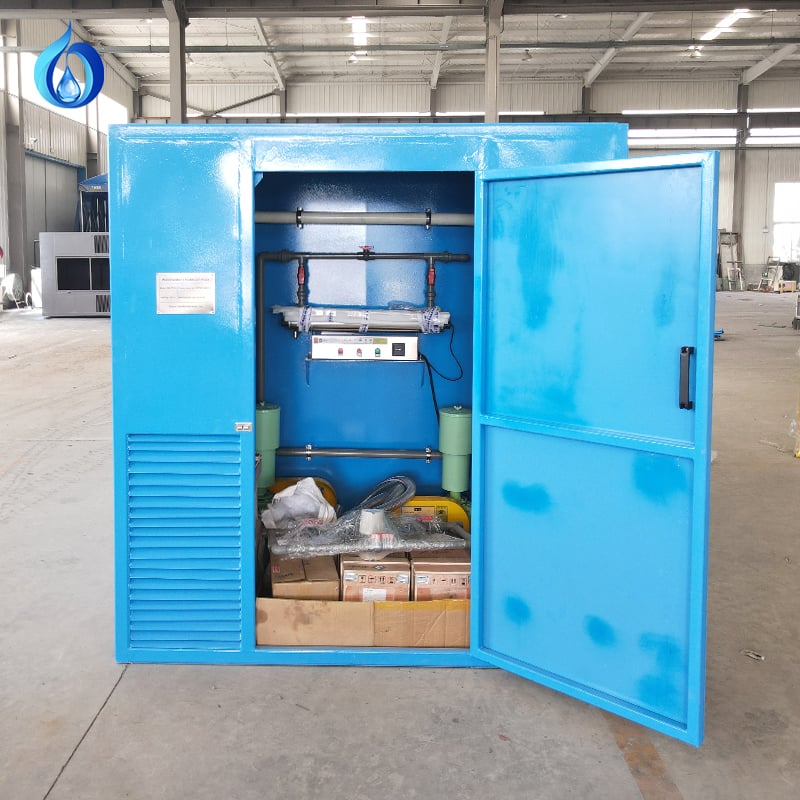
The regulatory framework for domestic wastewater treatment continues to evolve as countries face mounting pressure to protect aquatic ecosystems and public health. Governments worldwide have established stringent standards for domestic wastewater treatment, recognizing that improper management poses serious risks to water resources and human wellbeing. This global shift toward stricter domestic wastewater treatment standards reflects growing awareness of environmental sustainability and the critical need for effective pollution control.
Global Regulatory Frameworks for Domestic Wastewater Treatment
European Union Standards and Compliance
The European Union has established comprehensive regulations for domestic wastewater treatment through the Urban Wastewater Treatment Directive, which sets minimum requirements for treatment levels and discharge standards. This directive mandates that all member states implement secondary domestic wastewater treatment for settlements with populations exceeding 2,000 inhabitants. The European approach to domestic wastewater treatment emphasizes nutrient removal, particularly nitrogen and phosphorus, to prevent eutrophication in receiving waters.
Member states must monitor and report on domestic wastewater treatment performance, with regulatory oversight ensuring consistent compliance across the continent. The regulations specify that domestic wastewater treatment facilities must achieve at least 75 percent reduction in biological oxygen demand and remove suspended solids effectively. These stringent standards have driven substantial investment in modern domestic wastewater treatment infrastructure throughout Europe.
North American Regulations and Enforcement
In the United States, the Clean Water Act establishes the primary framework for domestic wastewater treatment regulation, delegating oversight to the Environmental Protection Agency and state authorities. The regulations require domestic wastewater treatment systems to meet secondary treatment standards and maintain effluent quality limits for discharge into surface waters. Canadian provinces follow similarly rigorous standards for domestic wastewater treatment, with specific discharge criteria varying by province and receiving water sensitivity.
North American domestic wastewater treatment regulations include strict monitoring protocols, record-keeping requirements, and significant penalties for non-compliance. Municipal utilities operating domestic wastewater treatment plants must obtain permits and demonstrate regular testing of treated effluent. The regulatory structure for domestic wastewater treatment in North America emphasizes the 'polluter pays' principle and continuous performance verification.
Regional Variations in Domestic Wastewater Treatment Requirements
Asian Countries and Emerging Standards
Asian nations have increasingly developed robust domestic wastewater treatment regulations as urbanization accelerates and environmental concerns intensify. China has implemented national standards for domestic wastewater treatment, establishing discharge limits for biochemical oxygen demand, chemical oxygen demand, and suspended solids in treated effluent. India and Southeast Asian countries continue to strengthen domestic wastewater treatment enforcement, though implementation capacity varies significantly across regions.
Japan maintains some of the world's strictest domestic wastewater treatment standards, requiring advanced treatment processes including nutrient removal for many facilities. The regulatory framework for domestic wastewater treatment in Japan emphasizes water quality protection and environmental sustainability. South Korea has similarly adopted comprehensive domestic wastewater treatment regulations that mandate tertiary treatment in sensitive water bodies.
Latin American and African Regulatory Contexts
Latin American countries have established domestic wastewater treatment requirements that balance environmental protection with economic feasibility, though enforcement remains inconsistent in some regions. Brazil requires secondary domestic wastewater treatment for all municipalities, while other nations focus on expanding basic treatment capacity before implementing advanced standards. The regulatory approach to domestic wastewater treatment in Latin America reflects the challenge of providing adequate infrastructure in developing economies.
African nations face significant challenges in implementing domestic wastewater treatment regulations due to limited financial resources and technical capacity. However, countries including South Africa, Kenya, and Nigeria have established national domestic wastewater treatment standards and are gradually expanding treatment infrastructure. The evolution of domestic wastewater treatment regulations in Africa emphasizes the need for regional cooperation and technology transfer to improve compliance and protect public health.
Key Compliance Elements and Implementation Strategies
Treatment Process Standards and Technology Requirements
Domestic wastewater treatment regulations typically specify minimum treatment levels, often categorized as primary, secondary, and tertiary treatment stages. Primary domestic wastewater treatment involves physical separation of solids, while secondary domestic wastewater treatment utilizes biological processes to reduce organic content. Tertiary or advanced domestic wastewater treatment includes filtration, disinfection, and nutrient removal to achieve the highest effluent quality standards.
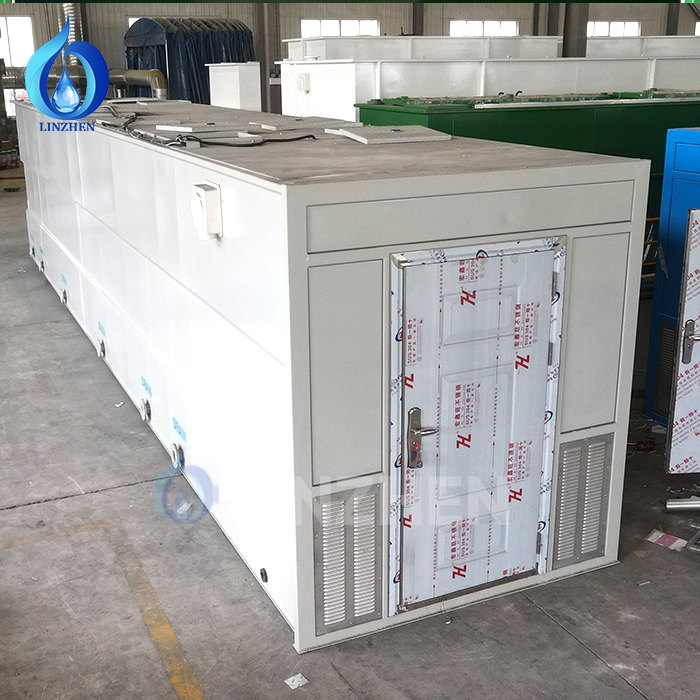
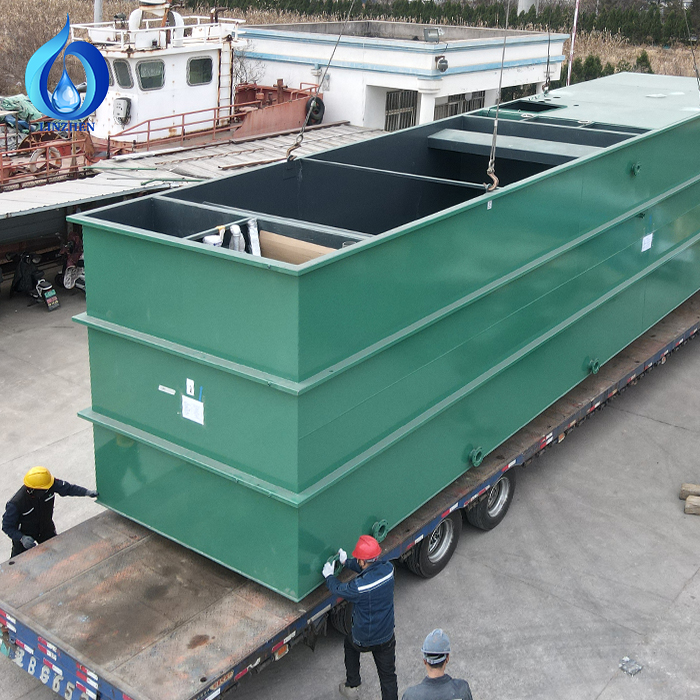
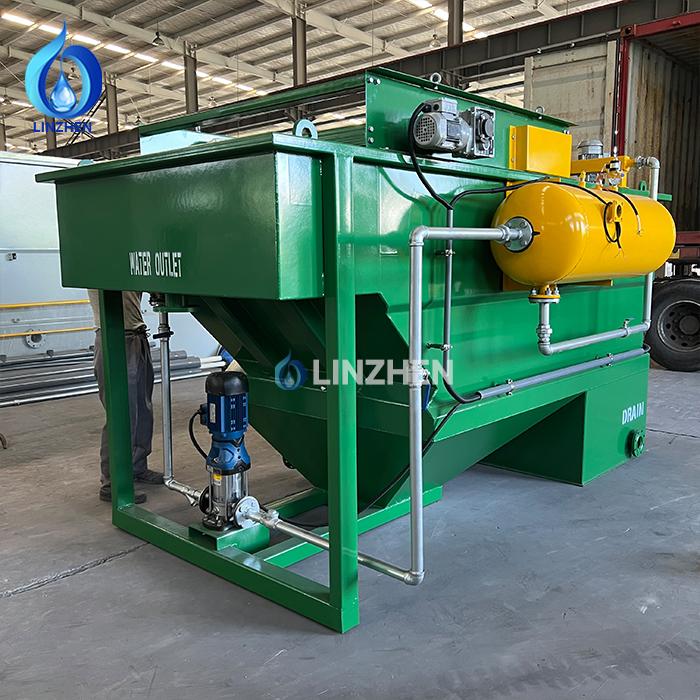
Regulatory agencies establish specific design standards for domestic wastewater treatment facilities to ensure consistent treatment performance across different climates and wastewater characteristics. Most regulations require that domestic wastewater treatment systems maintain adequate retention times, aeration periods, and mixing conditions to achieve target removal efficiencies. The choice between conventional and compact systems for domestic wastewater treatment depends on site conditions, population served, and local regulatory requirements.
Monitoring, Reporting, and Enforcement Mechanisms
Effective domestic wastewater treatment regulation depends on robust monitoring programs that verify compliance with discharge standards and treatment performance requirements. Regulatory authorities typically mandate that operators of domestic wastewater treatment facilities conduct regular water quality testing, document results, and report findings to oversight agencies. Most countries require daily monitoring of domestic wastewater treatment performance through measurement of key parameters including biochemical oxygen demand, suspended solids, and effluent flow rates.
Enforcement of domestic wastewater treatment regulations varies significantly among countries, with penalties ranging from administrative fines to operational restrictions or facility closure. Compliance records for domestic wastewater treatment operations are usually maintained in centralized databases accessible to regulatory agencies and the public. Periodic inspections ensure that domestic wastewater treatment facilities operate according to design specifications and maintain equipment properly to sustain treatment effectiveness.
FAQ
What are the main differences between domestic wastewater treatment regulations in developed versus developing countries?
Developed nations typically enforce comprehensive domestic wastewater treatment regulations requiring advanced treatment processes and rigorous monitoring, while developing countries often prioritize expanding basic treatment capacity with simpler technologies suited to local conditions. The investment capacity, technical expertise, and institutional infrastructure for managing domestic wastewater treatment differ substantially, influencing the feasibility and timeline for implementing strict standards. Developed countries often mandate tertiary treatment and nutrient removal, whereas emerging economies focus on achieving secondary domestic wastewater treatment for all communities before pursuing additional requirements.
How do climate and geographic factors influence domestic wastewater treatment regulations?
Climate and geography significantly impact domestic wastewater treatment design requirements, as cold regions may require heated biological reactors while tropical areas enable year-round treatment. Sensitive ecosystems, such as coastal zones and protected water bodies, typically necessitate stricter domestic wastewater treatment standards to prevent ecological damage. Regulatory agencies develop domestic wastewater treatment criteria based on local environmental conditions, water availability, and the capacity of natural systems to assimilate treated effluent safely.
What happens when operators fail to comply with domestic wastewater treatment regulations?
Non-compliance with domestic wastewater treatment regulations can result in administrative penalties, operational restrictions, mandatory upgrades to domestic wastewater treatment infrastructure, or facility closure in severe cases. Regulatory authorities may levy significant fines proportional to the violation severity and duration, with escalating penalties for repeated domestic wastewater treatment violations. Failure to maintain domestic wastewater treatment system performance standards can trigger legal action from affected communities or environmental agencies seeking environmental restoration.
 EN
EN