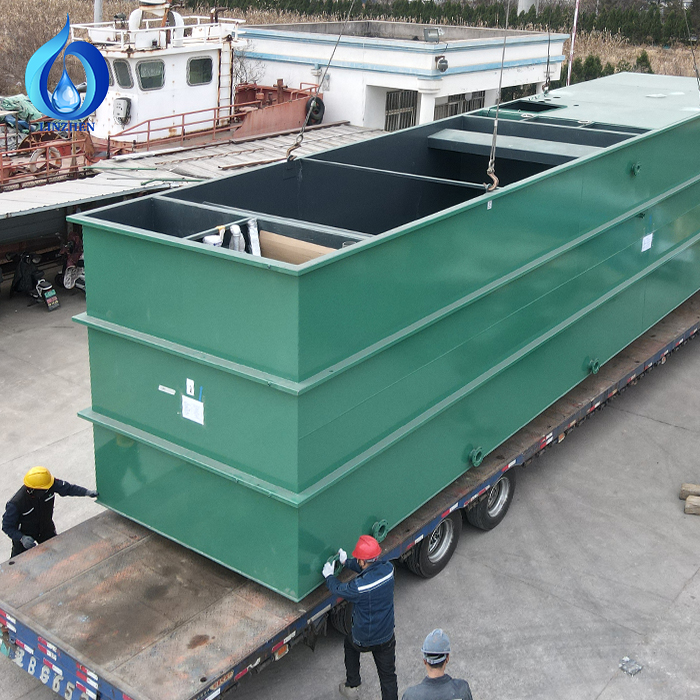
Industrial production facilities face escalating regulatory scrutiny regarding liquid effluent quality prior to discharging into environmental water bodies or municipal networks. Operating a modern waste water treatment plant requires balancing operational reliability, environmental stewardship, and cost control. Maintaining consistent compliance across varying production cycles demands a rigorous engineering approach. Achieving full compliance in an industrial waste water treatment plant relies on precise unit configuration, continuous process monitoring, and proactive system adjustments designed to meet strict industrial discharge limits.
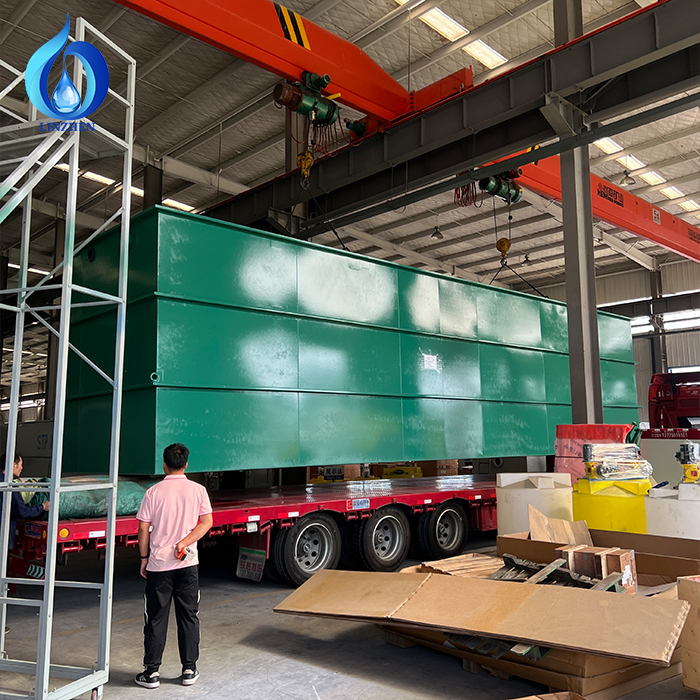
Successful wastewater treatment plant optimization addresses the entire treatment train from raw influent equalization to final effluent polishing. Because manufacturing sites generate distinct chemical and organic profiles, every waste water treatment plant must adapt flexibly to hydraulic surges and seasonal load shifts. Implementing structured engineering enhancements across the primary, biological, and tertiary stages enables a waste water treatment plant to systematically eliminate pollutants, reduce chemical waste, and avoid severe non-compliance penalties.
Core Treatment Stage Enhancements
Primary Separation and Solids Removal
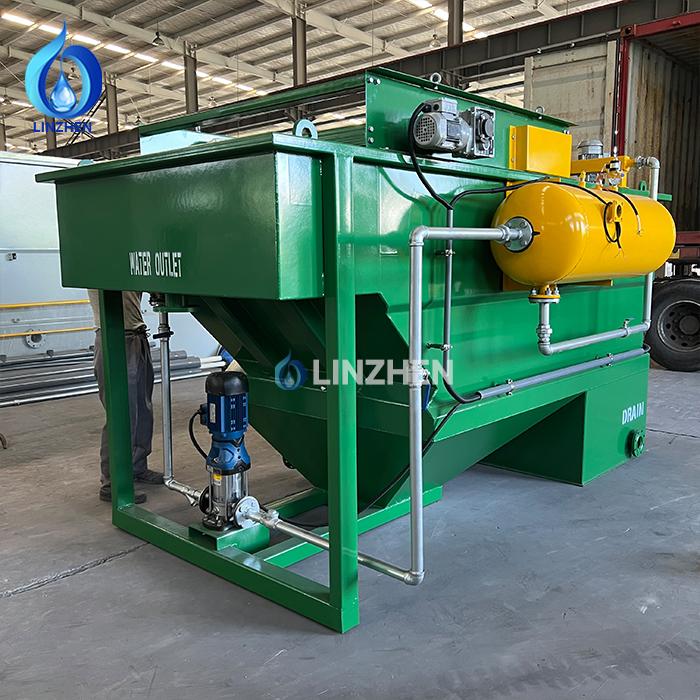
The initial stage of any industrial waste water treatment plant centers on physical separation to capture heavy suspended solids, free oils, and particulate matter. Mechanical screening, grit chambers, and dissolved air flotation tanks form the foundation of a high-performance waste water treatment plant primary layout. Optimizing hydraulic retention time and surface loading rates within these primary units prevents downstream overloading. A well-managed primary zone in a waste water treatment plant removes 30 to 50 percent of total suspended solids, providing crucial protection for sensitive downstream biological reactors.
Secondary Biological Treatment Control
Biological processing inside an industrial waste water treatment plant utilizes specialized microorganisms to break down dissolved organic carbon and nutrient compounds. Systems such as activated sludge, membrane bioreactors, and moving bed biofilm reactors are widely deployed within a modern waste water treatment plant. Maintaining optimal biological performance requires precise dissolved oxygen control, proper food-to-microorganism balance, and active sludge biomass management. A fully optimized biological stage in a waste water treatment plant routinely achieves organic load reductions between 85 and 95 percent, bringing effluent parameters well within standard municipal limits.
Advanced Filtration and Chemical Dosing Strategies
Integrating Tertiary Treatment Systems
When regional environmental permits mandate ultra-low nutrient or heavy metal thresholds, a waste water treatment plant must incorporate advanced tertiary treatment technologies. Media filtration, microfiltration, and granular activated carbon units enhance the capabilities of an existing waste water treatment plant by capturing fine suspended solids and recalcitrant chemical compounds. Deploying tertiary treatment modules ensures that a waste water treatment plant reliably delivers effluent turbidity under 1 NTU, helping facilities meet the most stringent regional discharge permits.
Chemical Conditioning and Dosing Automation
Chemical coagulation, flocculation, and pH neutralization play vital roles within an industrial waste water treatment plant. Operating an efficient waste water treatment plant requires replacing manual dosing with real-time feedback systems to minimize chemical consumption and reduce sludge handling costs. Installing an automated waste water treatment plant featuring digital metering pumps guarantees precise chemical delivery during influent fluctuations, preventing chemical waste while maintaining stable discharge quality.
Monitoring Infrastructure, Process Automation, and Compliance Records
Real-Time Process Monitoring and Sensing
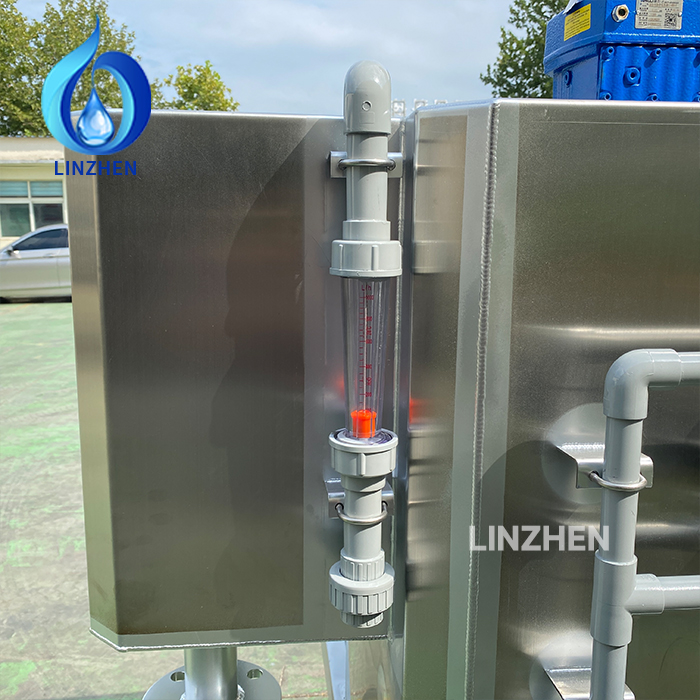
Continuous monitoring throughout a waste water treatment plant provides field operators with immediate visibility into process health and effluent quality trends. Digital sensors placed at key process steps in a waste water treatment plant track critical indicators including pH, dissolved oxygen, oxidation-reduction potential, and turbidity. A data-driven waste water treatment plant allows technical personnel to identify operational anomalies before permit exceedances occur. Routine sensor calibration guarantees that a waste water treatment plant operates on accurate real-time data for both daily control and official reporting.
Programmable Automation and SCADA Integration
Modern industrial facilities rely on wastewater automation to control complex unit operations inside the waste water treatment plant. Utilizing programmable logic controllers (PLCs) and SCADA systems enables a waste water treatment plant to automatically balance aeration blower speeds, adjust return sludge pumping, and divert off-spec wastewater to holding basins. Implementing comprehensive wastewater automation minimizes human error, improves energy efficiency, and ensures that the waste water treatment plant reacts instantly to heavy influent shock loads.
Regulatory Compliance Management and Record-Keeping
Maintaining rigorous compliance logs for every operational unit in a waste water treatment plant is essential for legal and environmental audit verification. Systematic documentation of analytical testing, equipment calibration, and maintenance routines confirms that the waste water treatment plant is operated according to original engineering specifications. Establishing standardized emergency response protocols for a waste water treatment plant ensures rapid containment during unexpected operational upsets, protecting receiving ecosystems and maintaining corporate credibility with environmental authorities.
FAQ
What factors dictate the industrial discharge limits for a waste water treatment plant?
Permit requirements for an industrial waste water treatment plant are established based on receiving water body classifications, local sewer municipal codes, manufacturing industry subcategories, and total daily discharge volumes. Environmental agencies set strict concentration caps for biochemical oxygen demand, chemical oxygen demand, total suspended solids, heavy metals, and nutrient levels that a waste water treatment plant must satisfy prior to release.
How frequently should an industrial waste water treatment plant undergo compliance testing?
Testing frequencies vary depending on local permit terms, but a typical industrial waste water treatment plant uses continuous online sensing for pH, temperature, and flow, combined with daily or weekly composite laboratory testing for organic indicators. Increasing sampling frequency during production changes allows operators to refine waste water treatment plant performance and avoid unexpected non-compliance events.
Can an older waste water treatment plant be upgraded to comply with updated discharge standards?
Yes, most existing facilities can be retrofitted with advanced tertiary treatment stages, updated aeration technology, and intelligent wastewater automation. Retaining civil infrastructure while upgrading mechanical and control systems allows a waste water treatment plant to achieve higher treatment capacity and satisfy stricter industrial discharge limits at a fraction of the cost of new plant construction.
 EN
EN