The activated sludge process stands as one of the most proven and widely deployed biological treatment methods for removing both conventional pollutants and nutrients from wastewater. Industrial facilities, municipal treatment plants, and commercial operations rely on this technology because it harnesses naturally occurring microorganisms to degrade organic matter while simultaneously achieving activated sludge nutrient removal through carefully controlled environmental conditions. Understanding how the activated sludge process achieves biological nitrogen removal and biological phosphorus removal is essential for operators, engineers, and facility managers who need to optimize treatment performance and meet increasingly stringent discharge regulations.
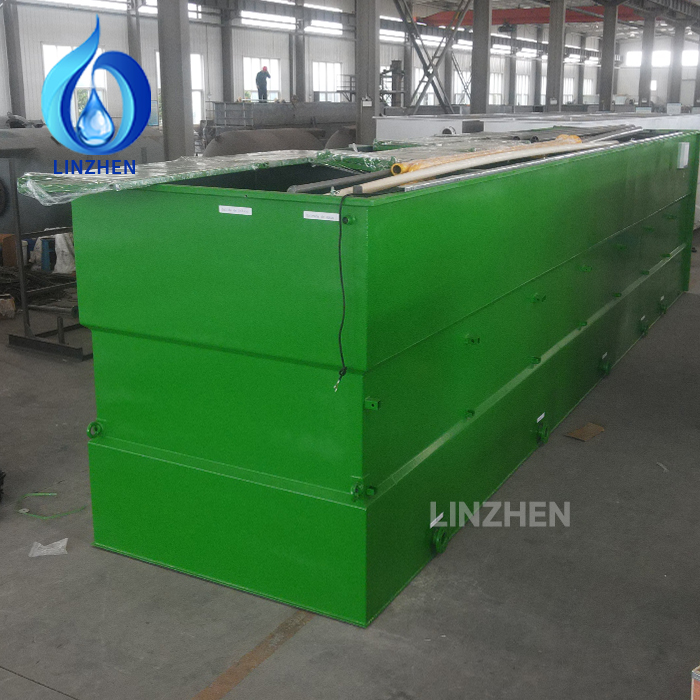
The activated sludge process represents a sophisticated biological approach that combines aeration, microorganism activity, and process sequencing to achieve multiple treatment objectives simultaneously. When wastewater enters the activated sludge process, it meets a mixed microbial population maintained in an aerated tank where heterotrophic bacteria consume organic compounds while autotrophic organisms transform ammonia and other nitrogen species. This integrated mechanism makes the activated sludge process particularly valuable for facilities facing dual demands for organic removal and wastewater nutrient removal without requiring expensive chemical additions or separate treatment trains.
The Activated Sludge Process Foundation and Nutrient Biology
Core Microbiological Mechanisms in the Activated Sludge Process
The activated sludge process depends on the synergistic action of multiple microbial groups, each playing a distinct role in nutrient transformation. Heterotrophic bacteria in the activated sludge process consume biodegradable organic matter as their primary carbon and energy source, simultaneously accumulating phosphorus under specific conditions. Autotrophic nitrifying bacteria, particularly Nitrosomonas and Nitrobacter species, oxidize ammonia to nitrite and then to nitrate within the activated sludge process environment. These nitrifying organisms thrive in the aerated zone where dissolved oxygen facilitates their slow growth and metabolic processes. The activated sludge process creates the precise oxygen and substrate conditions necessary for these microbial communities to function efficiently and maintain stable treatment performance.
Oxygen and Nutrient Cycling in the Activated Sludge Process
Dissolved oxygen management directly influences how effectively the activated sludge process removes nutrients. When aeration is optimized in the activated sludge process, nitrification proceeds rapidly, converting ammonia nitrogen into nitrate that can be subsequently removed through denitrification. The activated sludge process achieves this through carefully staged aeration patterns that maintain aerobic zones for nitrification and anoxic zones where heterotrophic denitrifiers convert nitrate back to nitrogen gas. Phosphorus removal in the activated sludge process occurs through biological uptake by phosphate-accumulating organisms that preferentially take up phosphate under specific redox conditions, then release it when solids are wasted from the system.
Design and Operational Configuration for Nutrient Removal
Sequential Reactor Staging in the Activated Sludge Process
Modern variants of the activated sludge process employ sequential reactor arrangements to optimize nutrient removal efficiency. The activated sludge process in configurations like anaerobic-anoxic-aerobic sequencing ensures that organic matter and nutrients encounter the precise environmental conditions needed for removal. In the initial anaerobic zone of the activated sludge process, phosphate-accumulating microorganisms release stored phosphate, creating a driving force for uptake in subsequent aerobic stages. The anoxic zone within the activated sludge process provides the redox environment where denitrifying bacteria use nitrate as an electron acceptor, effectively converting soluble nitrogen compounds into harmless nitrogen gas. The final aerobic section completes nitrification and aerobic oxidation while allowing phosphate uptake by active biomass in the activated sludge process system.
Solids Retention Time and Nutrient Removal Performance
The activated sludge process operator controls nutrient removal rates through management of solids retention time, which directly affects microbial population composition and metabolic pathways. Extending solids retention time in the activated sludge process favors the slow-growing nitrifying organisms, ensuring that ammonia oxidation proceeds thoroughly and reliably. A properly maintained solids retention time in the activated sludge process allows phosphate-accumulating organisms to establish stable populations that consistently take up and remove excess phosphorus. Conversely, the activated sludge process operated at shorter solids retention times prioritizes heterotrophic activity and organic removal but may sacrifice complete nitrification or phosphorus removal. Operators balance solids retention time against nutrient discharge targets and sludge disposal considerations when managing the activated sludge process.
Practical Implementation and Regulatory Achievement
Real-World Applications of the Activated Sludge Process
Industrial wastewater treatment facilities worldwide employ the activated sludge process to meet strict nitrogen and phosphorus limits imposed by environmental regulations. Food processing plants, chemical manufacturers, and pharmaceutical operations rely on the activated sludge process because it handles variable organic loads while maintaining nutrient removal across seasonal fluctuations. Municipal treatment plants serving populations ranging from tens of thousands to millions operate the activated sludge process to prevent eutrophication in receiving water bodies. The activated sludge process proves particularly effective in situations where discharge permits require simultaneous removal of biochemical oxygen demand, nitrogen, and phosphorus without requiring tertiary chemical treatment steps.
Monitoring and Optimization of the Activated Sludge Process
Successful operation of the activated sludge process requires continuous monitoring of key performance indicators that reflect nutrient removal activity. Dissolved oxygen levels, mixed liquor suspended solids concentration, and sludge age all influence how effectively the activated sludge process removes ammonia, nitrate, and phosphate. Facilities operating the activated sludge process typically measure effluent quality weekly or daily to confirm that nutrient removal targets are being consistently achieved. The activated sludge process benefits from process control strategies that automatically adjust aeration and recycle rates based on real-time monitoring data. Modern instrumentation enables operators to optimize the activated sludge process performance while minimizing operational costs and energy consumption associated with aeration.
FAQ
What is the primary mechanism for nitrogen removal in the activated sludge process?
Nitrogen removal in the activated sludge process occurs through a two-stage biological transformation. Nitrifying bacteria first convert ammonia to nitrate in aerobic zones of the activated sludge process, a process called nitrification. Subsequently, denitrifying heterotrophic bacteria in anoxic zones reduce nitrate to nitrogen gas in the activated sludge process, which then escapes to the atmosphere. This sequential pathway allows the activated sludge process to convert soluble ammonia nitrogen into unreactive nitrogen gas, effectively removing nitrogen from the wastewater and preventing nutrient pollution in receiving waters.
How does the activated sludge process remove phosphorus biologically?
Phosphorus removal in the activated sludge process relies on specialized microorganisms called phosphate-accumulating organisms that preferentially take up and store excess phosphorus. The activated sludge process creates alternating anaerobic and aerobic zones that stress these organisms, forcing them to release stored phosphorus when stressed and then take up excess phosphorus when conditions improve. When microbial cells containing stored phosphorus are wasted from the activated sludge process as excess sludge, the phosphorus is effectively removed from the treatment system. This biological mechanism in the activated sludge process eliminates the need for chemical coagulants and provides cost-effective phosphorus removal suitable for industrial and municipal applications.
What operational parameters most influence nutrient removal performance in the activated sludge process?
The activated sludge process nutrient removal performance depends primarily on dissolved oxygen concentration, solids retention time, and organic loading rate. Adequate aeration in the activated sludge process ensures sufficient oxygen for nitrification while maintaining redox conditions needed for phosphorus uptake. The solids retention time in the activated sludge process must be long enough to sustain slow-growing nitrifying organisms and phosphate-accumulating organisms. Temperature, influent composition, and process configuration also affect how effectively the activated sludge process achieves nutrient removal targets. Operators continuously monitor and adjust these parameters to maintain consistent nutrient removal performance from the activated sludge process across varying wastewater conditions and seasonal changes.
 EN
EN