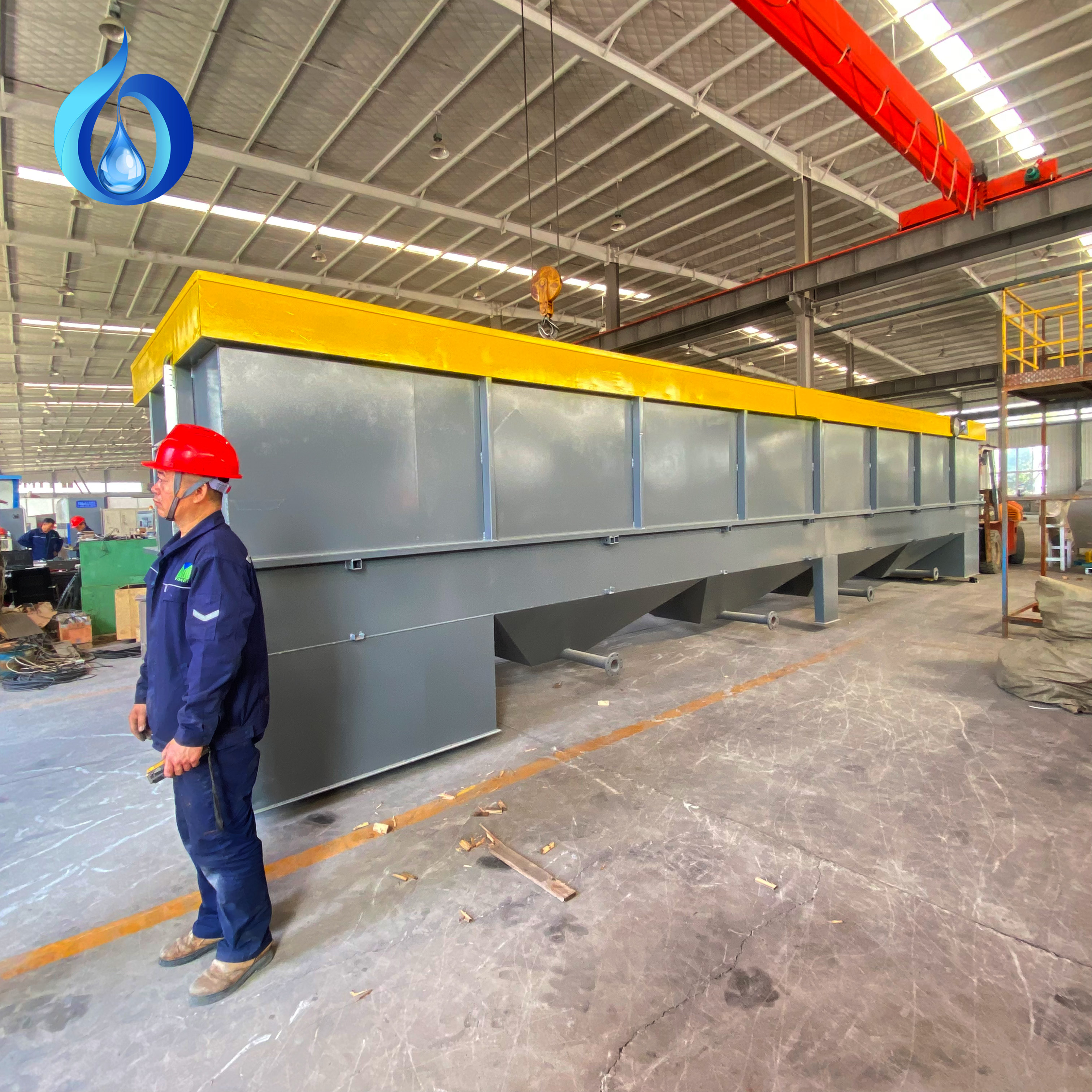
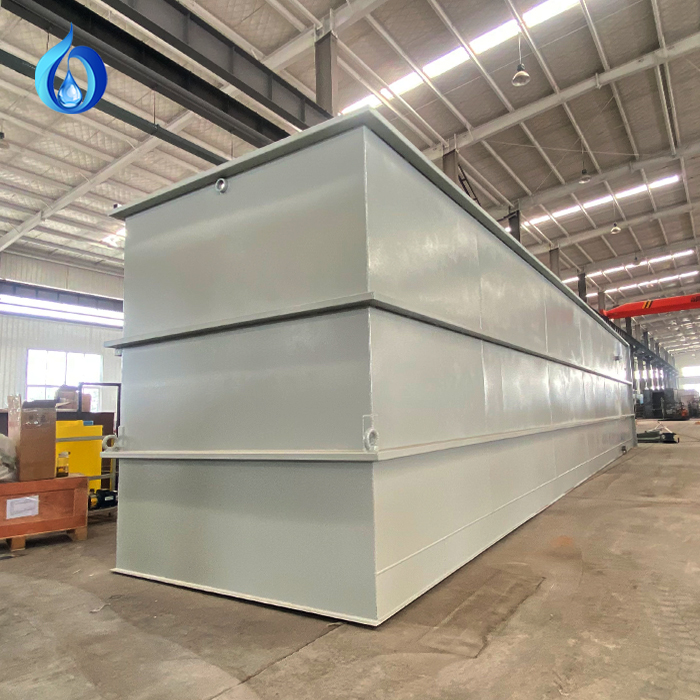
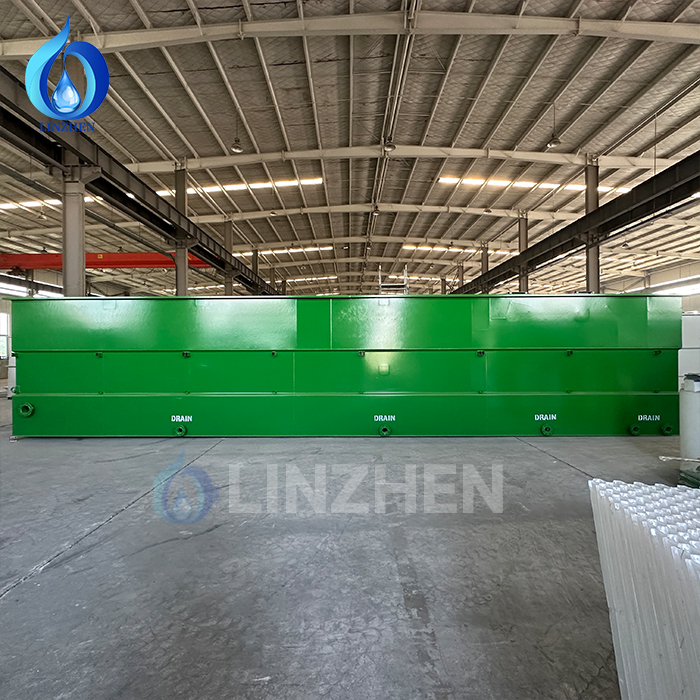
Modern infrastructure relies on effective water purification, yet engineering approaches to sewage treatment diverge sharply depending on whether a system serves residential communities or manufacturing sites. Municipal infrastructure manages consistent influent streams from homes and public institutions, whereas industrial operations must address concentrated pollutants from chemical, pharmaceutical, and food production plants. Evaluating the core differences in sewage treatment across these sectors allows facility managers and design engineers to implement appropriate technologies that ensure regulatory compliance and operational stability.
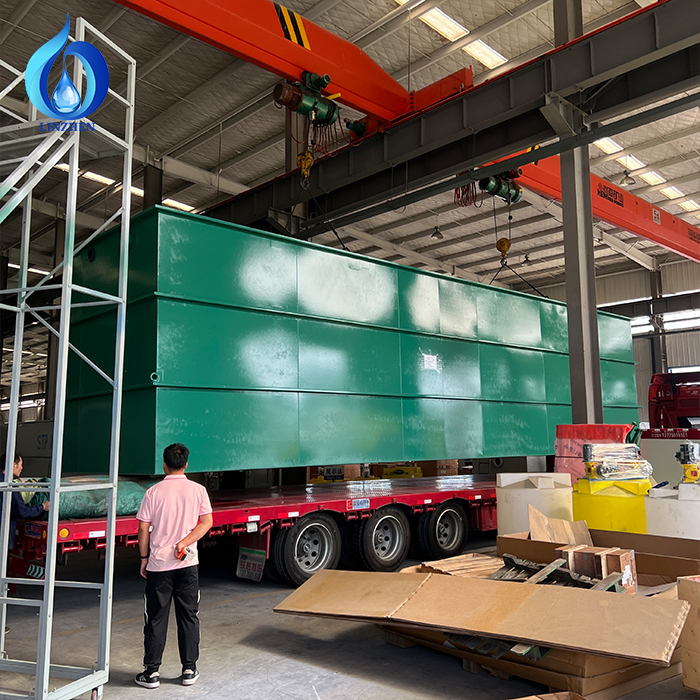
The contrast between public and private utility facilities stems from differences in wastewater composition, loading variability, legal enforcement, and operational risk. Public works facilities treat predictable organic waste with standardized biological methods. Conversely, specialized industrial facilities demand targeted sewage treatment capable of handling severe chemical swings, heavy metals, synthetic compounds, and fluctuating hydraulic volumes. Examining these distinct operational frameworks highlights why tailored engineering is critical for modern liquid waste management.
Influent Composition and System Design Parameters
Wastewater Composition in Public and Commercial Networks
Public utility networks collect wastewater generated by households, small businesses, schools, and municipal buildings. As a result, municipal sewage treatment plants handle relatively uniform organic matter, including food scrap residue, soaps, pathogens, grease, and human waste. Because incoming wastewater composition stays stable over long periods, baseline biological processes can be modeled accurately. Engineers designing public sewage treatment facilities rely on standardized per-capita daily flow assumptions to size baseline settling tanks and aeration basins.
In contrast, manufacturing operations generate complex waste matrices containing synthetic dyes, solvents, heavy metals, emulsified oils, and extreme pH levels. Consequently, industrial sewage treatment designs must accommodate severe chemical fluctuations that would kill standard biological cultures. A dairy processing plant requires heavy-duty organic degradation, while a metal plating shop needs specialized sewage treatment geared toward dissolved metal extraction. This diversity forces engineers to analyze exact site-specific wastewater composition before selecting physical or chemical unit operations.
Regulatory Compliance Frameworks and Legal Standards
Discharge Compliance Pathways for Industrial and Municipal Assets
Regulatory oversight dictates how facilities operate and maintain their purification equipment. Public infrastructure operates under standardized regional permits focused on nitrogen, phosphorus, biochemical oxygen demand, and pathogens. Achieving discharge compliance in public works involves meeting public health guidelines that apply uniformly across local jurisdictions. Because baseline standards rarely change overnight, operators can plan municipal sewage treatment capacity upgrades years in advance.
For commercial manufacturers, maintaining discharge compliance involves a much more complex legal landscape. Operating permits frequently limit industry-specific toxic compounds, trace metals, and persistent organic chemicals. Facilities discharging into public sewer networks must execute pre-treatment to protect municipal assets, while direct environmental discharges require stringent polishing. Furthermore, industrial environmental permits are re-evaluated frequently, forcing factories to adopt flexible sewage treatment equipment capable of meeting updated legal limits.
Technical Complexity, Automation, and Operational Economics
Technology Selection in Municipal and Industrial Sewage Treatment
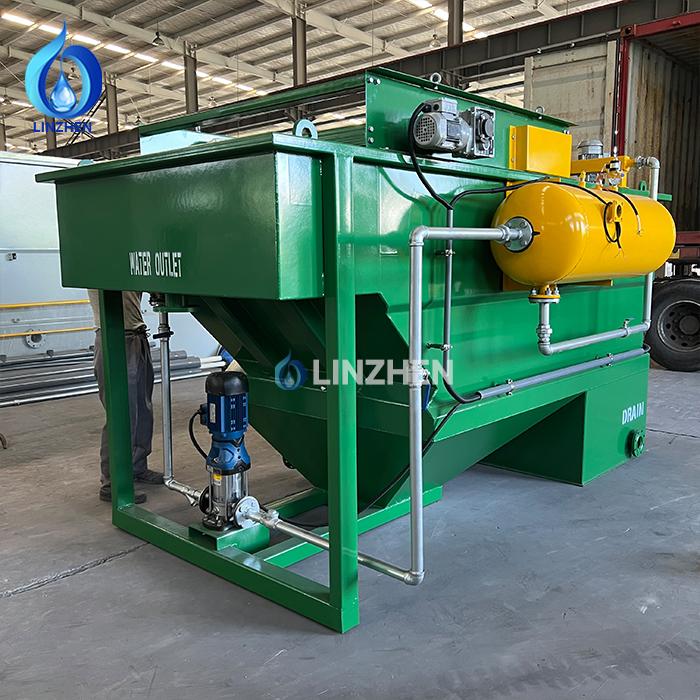
Standard public systems rely heavily on classic biological degradation, including conventional activated sludge, trickling filters, secondary clarification, and final disinfection. These proven methods offer low operating costs when treating steady organic waste at scale. However, applying basic biological steps to volatile industrial waste often results in process failure. Advanced industrial sewage treatment integrates chemical coagulation, electrocoagulation, dissolved air flotation, membrane filtration, and chemical oxidation to isolate difficult compounds before biological polishing.
Automation levels also differ based on loading dynamics. While public utilities utilize basic supervisory controls to track flow rates, high-strength industrial plants require smart sensors and automated chemical feed controls. Modern sewage treatment installations use programmable logic controllers to adjust chemical dosing automatically during sudden contamination spikes, preventing compliance breaches during peak production runs.
Financial Models and Lifecycle Costs
Economic structures vary significantly between public utilities and private enterprises. Public municipal sewage treatment projects benefit from civic tax funding, long-term government bonds, and significant economies of scale that reduce per-gallon operational costs over multi-decade operating windows. Capital planning focuses on predictable community growth and long-term asset lifespan.
Private industrial plants must justify capital investments through direct return on investment, operational risk reduction, and production uptime. While dedicated industrial sewage treatment requires higher initial capital per unit volume, it prevents costly regulatory shutdowns, eliminates municipal surcharges, and enables closed-loop water recycling. Incorporating water recovery within an industrial sewage treatment system lowers freshwater supply costs, delivering measurable long-term financial returns.
FAQ
What is the primary difference in wastewater composition between public and private facilities?
Public facilities process consistent organic waste, domestic cleaning agents, and human waste. Private manufacturing facilities process volatile waste streams containing heavy metals, oils, chemical solvents, and high organic concentrations, requiring custom sewage treatment steps.
How does discharge compliance differ between municipal sewage treatment and industrial sewage treatment?
Public facilities follow general regional permits covering basic nutrients and organic load. Private manufacturers face strict, facility-specific permits that regulate toxic chemical compounds, requiring rigorous monitoring to maintain continuous discharge compliance.
Why do manufacturing sites require more advanced sewage treatment technologies?
Manufacturing waste contains complex chemical compounds and toxic contaminants that standard biological systems cannot break down. Consequently, specialized industrial sewage treatment relies on chemical precipitation, flotation, and advanced membrane separation to purify industrial effluent safely.
 EN
EN