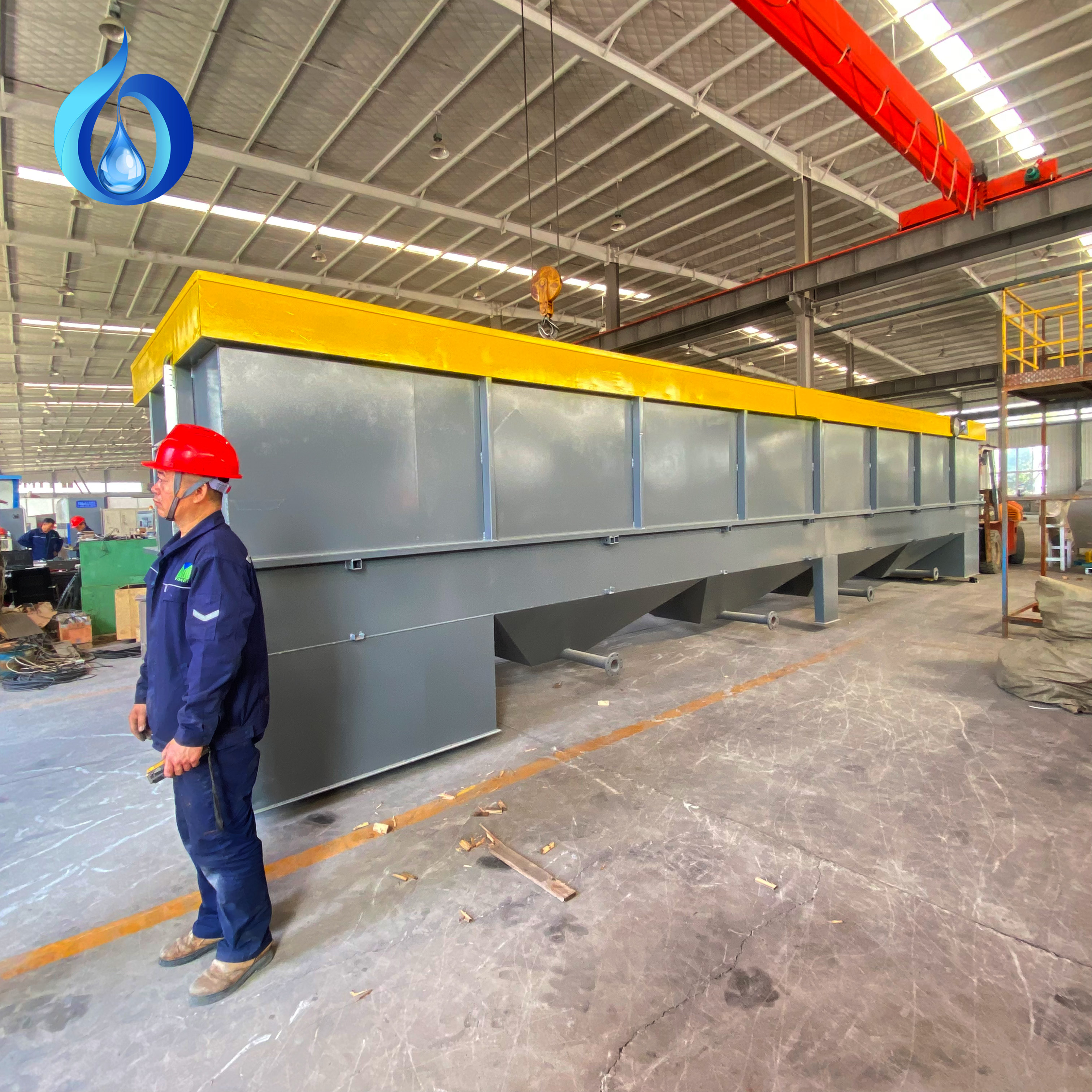
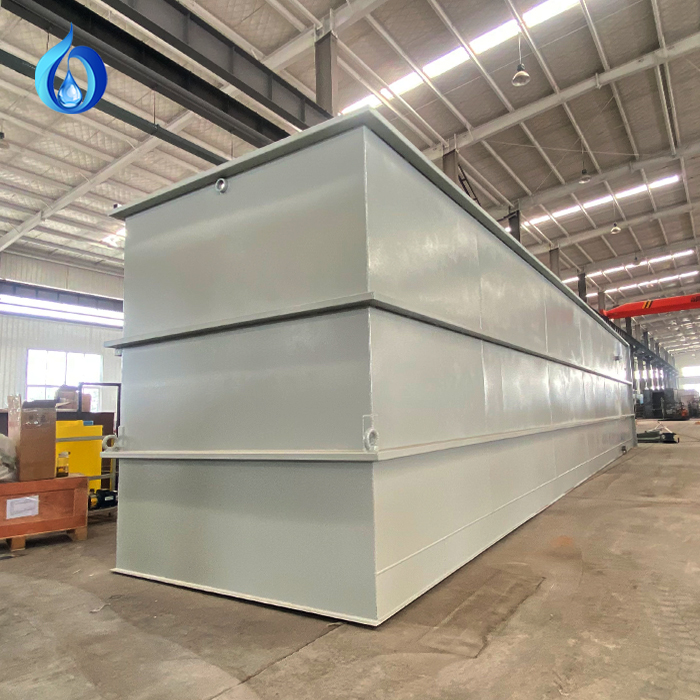
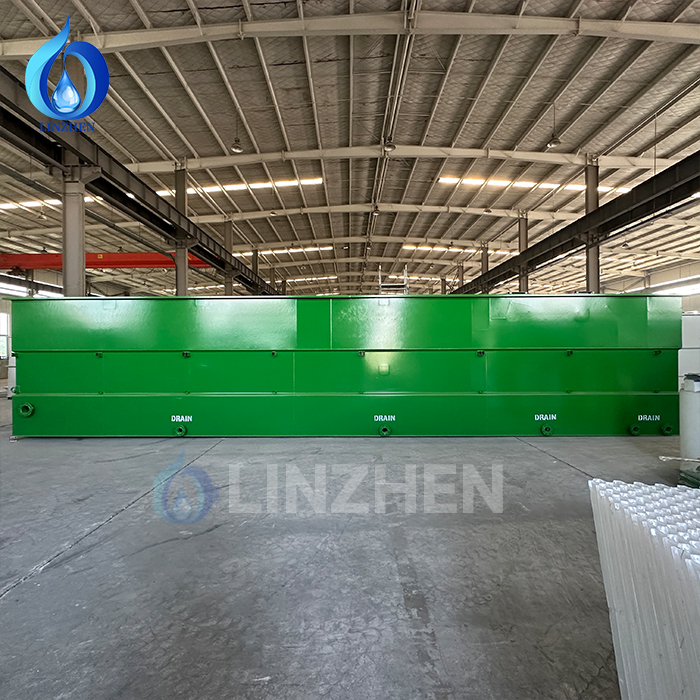
An mbbr system represents a significant advancement in biological wastewater treatment, combining the efficiency of fixed film technology with the operational flexibility of suspended growth processes. The core innovation lies in how loose plastic carriers move freely within the treatment vessel, creating a dynamic biofilm environment that maximizes treatment capacity while minimizing operational complexity. This hybrid approach has become instrumental in municipal and industrial wastewater applications where treatment performance and space efficiency demand equal priority.
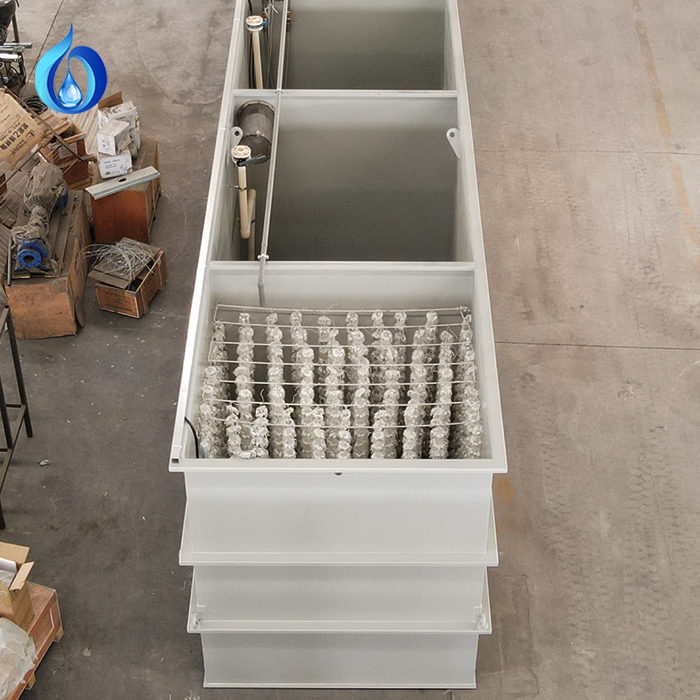
The biofilm carrier movement within an MBBR system is orchestrated by mechanical aeration and water turbulence, creating continuous contact between microorganisms and wastewater. Unlike fixed film technology systems where carriers remain stationary, the suspended growth hybrid design allows carriers to circulate throughout the reactor, ensuring consistent nutrient exposure and preventing biofilm accumulation problems. This mechanism directly addresses the operational bottlenecks that conventional treatment methods face in high-load or variable-flow scenarios.
How Loose Plastic Carriers Function in MBBR Systems
Carrier Design and Material Composition
Loose plastic carriers in an MBBR system are engineered to maximize surface area for biofilm colonization while maintaining low density that allows movement. These carriers, typically manufactured from polyethylene or polypropylene, feature specialized geometries such as sintered films, textured surfaces, or ring configurations that promote microbial attachment and retention. The suspended growth hybrid environment depends entirely on carrier porosity and shape consistency; carriers must be lightweight enough to move freely yet robust enough to withstand years of operational stress without degradation or fragmentation.
Carrier Movement Mechanisms
The biofilm carrier movement is driven by air diffusion from the reactor bottom and mechanical mixing through aeration systems. Compressed air creates rising currents and turbulence that lift and suspend carriers throughout the treatment vessel, preventing settling and ensuring uniform treatment intensity. This continuous mixing means that fixed film technology principles apply locally at each carrier surface, while system-level performance benefits from suspended growth hybrid advantages such as adaptive biomass concentrations and resistance to shock loads.
Biofilm Carrier Movement and Treatment Optimization
Microbial Colonization and Biofilm Stability
When carriers remain in motion, biofilm development follows a controlled maturation curve that reaches equilibrium between growth and detachment. The suspended growth hybrid environment encourages heterotrophic and autotrophic communities to coexist, enabling simultaneous removal of organic matter and nitrogenous compounds. Biofilm carrier movement prevents stagnation zones where anaerobic regions might develop, maintaining aerobic conditions essential for efficient biological oxidation across the entire treatment volume.
Performance Benefits of Dynamic Carrier Circulation
The continuous motion of carriers in an MBBR system delivers several operational advantages over static fixed film technology approaches. Treatment efficiency increases because wastewater mixes intimately with biofilm surfaces repeatedly during residence time, maximizing substrate utilization. Variable influent loading has reduced impact because the suspended growth hybrid design allows biomass concentration to adjust naturally; if feed increases, more microorganisms activate on inactive carrier surfaces without requiring additional infrastructure modifications.
Fixed Film Technology Integration in Suspended Growth Hybrid Systems
Hybrid System Architecture
The suspended growth hybrid concept merges fixed film technology fundamentals with suspended growth process flexibility, creating resilience that neither approach achieves independently. In an MBBR system, fixed film technology attributes include stable biofilm niches and high specific biodegradation rates on carrier surfaces. Simultaneously, suspended growth hybrid characteristics enable system adaptation to flow variations, biomass settling prevention, and reduced secondary clarification demands, particularly beneficial in municipal and industrial wastewater treatment applications.
Operational Control and Aeration Strategy
Aeration design directly controls biofilm carrier movement intensity and, consequently, treatment performance across the reactor volume. Insufficient aeration reduces carrier suspension and creates dead zones where fixed film technology benefits fail to manifest; excess aeration increases oxygen transfer but elevates energy costs without proportional treatment gains. The suspended growth hybrid design requires balancing air supply to maintain consistent carrier motion, prevent anaerobic pockets, and optimize oxygen utilization efficiency by matching supply to actual microbial demand.
FAQ
What surface area do loose plastic carriers provide for biofilm growth?
Loose plastic carriers typically offer 300 to 1,000 square meters of surface area per cubic meter of reactor volume, depending on carrier design and packing density. This substantial area enables high biofilm carrier movement rates and ensures sufficient space for microbial populations to establish. Fixed film technology principles apply as microorganisms colonize these surfaces, while the suspended growth hybrid environment prevents biofilm thickness limitations that static systems encounter.
How does an MBBR system maintain biofilm without settling problems?
The MBBR system uses continuous aeration and mixing to keep loose carriers suspended throughout the treatment vessel, preventing the biofilm carrier movement restrictions common in fixed film technology designs. Turbulent flow ensures carriers remain distributed uniformly, eliminating localized settling that could reduce treatment area availability. This suspended growth hybrid approach prevents biomass washout while maintaining contact between wastewater and active biofilm.
Why does the suspended growth hybrid design outperform traditional fixed film technology for variable loads?
The suspended growth hybrid design enables biomass concentration to fluctuate in response to influent changes, whereas fixed film technology maintains static carrier inventory regardless of load conditions. When wastewater influent increases, the MBBR system develops thicker biofilm on carriers or activates dormant surface area automatically, adapting treatment capacity without operational intervention. This adaptive capacity, combined with biofilm carrier movement dynamics, allows consistent performance where fixed film technology systems often require design oversizing.
 EN
EN