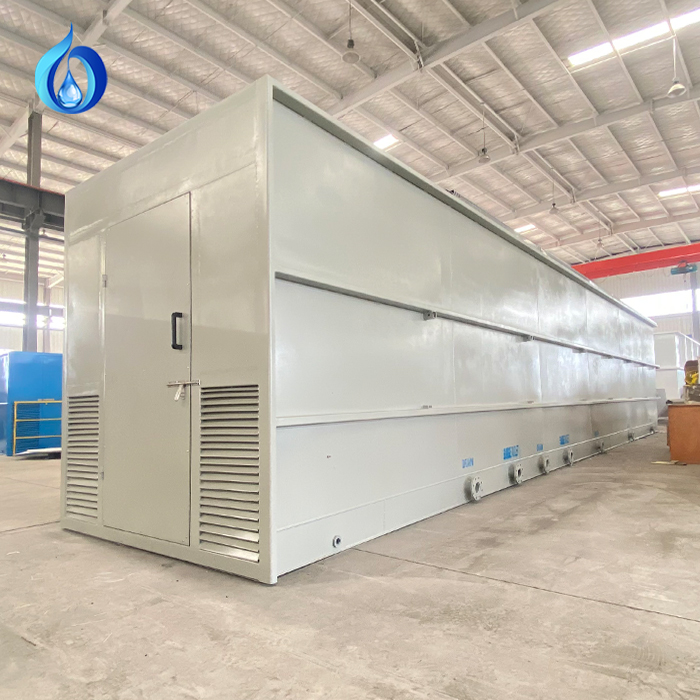
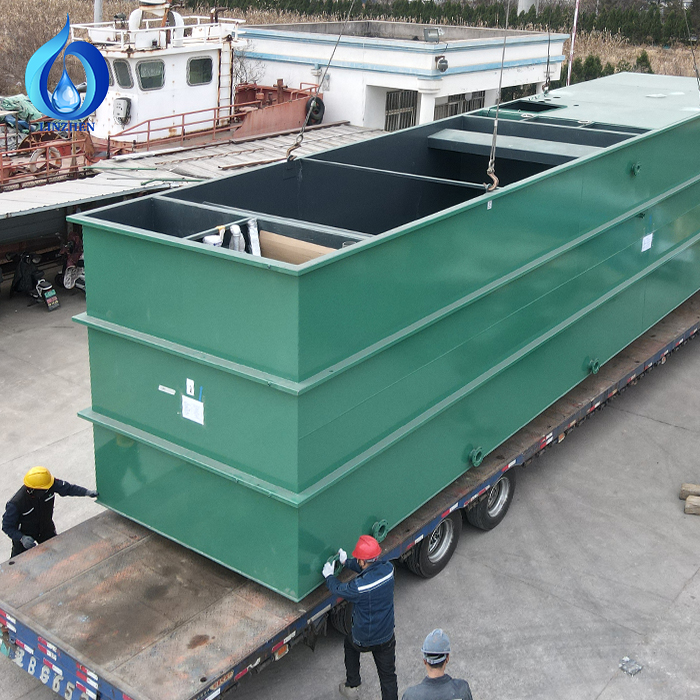
Industrial effluent treatment represents one of the most critical environmental safeguards in modern manufacturing and production facilities. When industries generate wastewater containing chemicals, heavy metals, oils, and other contaminants, the responsibility falls directly on facility operators to ensure that this water does not contaminate local groundwater, rivers, and municipal water supplies. Effective industrial effluent treatment prevents ecological damage, protects public health, and ensures regulatory compliance for businesses operating in virtually every industrial sector.
The relationship between industrial effluent treatment systems and water resource preservation extends far beyond simple compliance. Local water resources face mounting pressure from agricultural runoff, urban development, and industrial activity. When industrial effluent treatment fails or operates inefficiently, the consequences ripple through entire ecosystems and affect drinking water availability for communities downstream. Understanding how industrial effluent treatment works, what contaminants it removes, and how it integrates into comprehensive water protection strategies is essential for facility managers, environmental professionals, and stakeholders concerned with long-term water security.
The Core Mechanisms of Industrial Effluent Treatment
Physical and Chemical Separation in Industrial Effluent Treatment
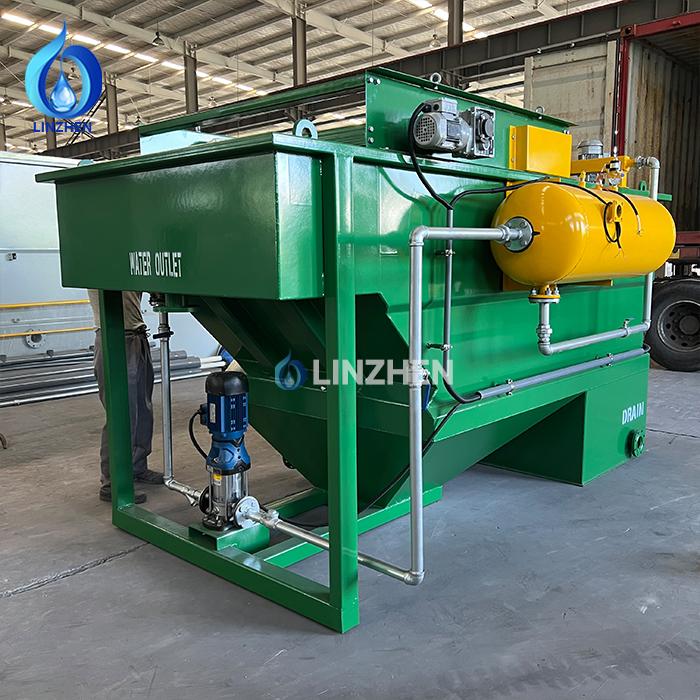
Industrial effluent treatment begins with identifying the specific contaminants present in wastewater streams. Different industries generate vastly different effluent compositions. Textile manufacturers may discharge dyes and heavy metals, while pharmaceutical facilities release complex organic compounds. Food processing plants produce high-strength organic matter that depletes oxygen in receiving waters. The first stage of industrial effluent treatment typically involves primary treatment, where physical separation removes large solids, oils, and settleable particles through screening, sedimentation, or flotation processes.
Chemical treatment is often layered into industrial effluent treatment protocols to precipitate dissolved metals, neutralize extreme pH levels, and break down complex molecules. Coagulation and flocculation help suspended particles clump together so they can be removed through settling or filtration. For industrial effluent treatment systems handling hazardous contaminants, activated carbon adsorption, ion exchange, and oxidation processes target specific problem substances. These multi-stage industrial effluent treatment approaches ensure that water released from facilities meets or exceeds discharge standards established by environmental agencies protecting local water resources.
Biological Processing Within Industrial Effluent Treatment Systems
Many modern industrial effluent treatment facilities incorporate biological treatment stages where microorganisms consume organic matter and convert nitrogen and phosphorus into less harmful forms. Aerobic biological industrial effluent treatment relies on bacteria thriving in oxygen-rich environments to break down biodegradable contaminants. Anaerobic industrial effluent treatment processes function in oxygen-free conditions and often generate biogas as a valuable byproduct. This biological dimension of industrial effluent treatment mirrors natural purification processes that occur in rivers and wetlands, but operates under controlled conditions within treatment facilities.
The effectiveness of industrial effluent treatment through biological methods depends heavily on system design, residence time, temperature control, and the biodegradability of contaminants present. Some industrial effluent treatment systems combine aerobic and anaerobic processes to maximize pollutant removal rates. Sequencing batch reactors, moving-bed biofilm reactors, and membrane bioreactors represent advanced industrial effluent treatment technologies that improve treatment reliability and reduce the footprint of treatment facilities while enhancing protection for downstream water resources.
How Industrial Effluent Treatment Protects Water Resource Quality
Prevention of Toxic Accumulation Through Industrial Effluent Treatment
Without effective industrial effluent treatment, heavy metals like chromium, lead, cadmium, and mercury accumulate in riverbed sediments and fish populations, eventually entering the food chain. These toxic substances persist in aquatic ecosystems for decades, rendering water supplies unsafe for drinking or agricultural irrigation. Industrial effluent treatment systems equipped with advanced metal precipitation, chelation, or electrochemical removal technologies specifically target these persistent contaminants before they reach surface waters or infiltrate groundwater aquifers that serve communities and agricultural operations.
Persistent organic pollutants discharged without adequate industrial effluent treatment bioaccumulate in aquatic organisms and concentrate at higher levels of the food chain. Fish become contaminated, wildlife populations decline, and eventually human consumers face elevated health risks. Comprehensive industrial effluent treatment protocols including activated carbon filtration, oxidation processes, and biological pathways systematically reduce these compounds to acceptable levels, ensuring that local water resources remain viable for diverse ecological and human uses.
Nutrient Reduction Through Industrial Effluent Treatment
Excess nitrogen and phosphorus from industrial effluent treatment discharge creates eutrophication in receiving waters, triggering algal blooms that deplete oxygen and kill fish populations. This dead zone phenomenon damages fisheries, recreation opportunities, and water quality downstream. Industrial effluent treatment systems designed with nutrient removal capabilities use biological nitrification-denitrification processes, chemical precipitation, or advanced oxidation to reduce nitrogen levels significantly. Phosphorus removal through alum addition, iron salts, or biological uptake ensures that treated effluent does not stimulate excessive algal growth in rivers, lakes, or estuaries.
The impact of effective industrial effluent treatment on nutrient control extends throughout entire watersheds. When multiple industrial facilities implement robust industrial effluent treatment capturing nitrogen and phosphorus, the cumulative protection becomes substantial. Communities relying on those water resources benefit from cleaner rivers, safer drinking water sources, and more resilient aquatic ecosystems. Industrial effluent treatment becomes an investment in collective water security.
Regulatory Requirements and Operational Excellence in Industrial Effluent Treatment
Compliance Standards Driving Industrial Effluent Treatment Design
Environmental agencies establish discharge limits for specific pollutants, and industrial effluent treatment systems must be designed and operated to consistently meet these standards. These limits protect receiving waters by ensuring that cumulative pollutant loads remain within the assimilative capacity of natural systems. Industrial effluent treatment facilities undergo regular monitoring and reporting to verify that discharge quality matches permit requirements. Failure to maintain adequate industrial effluent treatment performance results in penalties, operational shutdowns, and legal liability.
The sophistication of industrial effluent treatment technology has increased substantially as regulations have tightened over recent decades. Older treatment facilities relying on basic primary settling cannot meet modern discharge standards for metals, nutrients, and persistent organics. Upgrades to industrial effluent treatment infrastructure require significant capital investment but are essential for continued operation and environmental stewardship. Modern industrial effluent treatment systems integrate automated monitoring, process control, and data logging to ensure consistent compliance and facilitate regulatory reporting.
Operational Monitoring and Continuous Improvement
Successful industrial effluent treatment requires skilled operators who understand treatment chemistry, microbiology, and equipment maintenance. Regular sampling and laboratory analysis verify that treatment processes are removing target contaminants to required levels. Industrial effluent treatment systems benefit from continuous process optimization, where operators adjust chemical doses, residence times, and air flow rates to maximize removal efficiency while minimizing operational costs. Predictive maintenance prevents equipment failures that could compromise industrial effluent treatment performance.
Training programs ensure that operators maintain current knowledge of industrial effluent treatment best practices and emerging technologies. Peer exchange with other facilities, participation in professional conferences, and engagement with regulatory agencies all contribute to operational excellence in industrial effluent treatment. This professional engagement protects local water resources by ensuring that treatment facilities operate at peak performance continuously.
FAQ
What are the main contaminants that industrial effluent treatment must remove?
Industrial effluent treatment targets suspended solids, dissolved metals, oils and greases, organic matter, nitrogen compounds, phosphorus, dyes, pesticides, and microorganisms. The specific contaminant profile depends on the industry generating the wastewater. Industrial effluent treatment systems are designed based on comprehensive characterization of the facility's wastewater to ensure all problem substances are adequately addressed before discharge into local water resources.
How does industrial effluent treatment prevent groundwater contamination?
Industrial effluent treatment removes contaminants that would otherwise percolate through soil layers and contaminate underground aquifers. By treating wastewater to remove heavy metals, persistent organics, and other toxic substances, industrial effluent treatment protects groundwater that supplies drinking water wells and supports ecosystems. Proper industrial effluent treatment also includes disposal of treatment residuals such as sludge to ensure that contaminants removed from liquid streams do not leach into groundwater later.
Can industrial effluent treatment systems be upgraded to meet stricter water quality standards?
Yes, existing industrial effluent treatment systems can be retrofitted or upgraded with advanced treatment stages to achieve higher removal rates for specific contaminants. Advanced industrial effluent treatment technologies including membrane filtration, ultraviolet oxidation, ozonation, and activated carbon polishing can be integrated with conventional systems. Upgrading industrial effluent treatment infrastructure ensures facilities remain compliant with evolving environmental regulations protecting local water resources.
 EN
EN