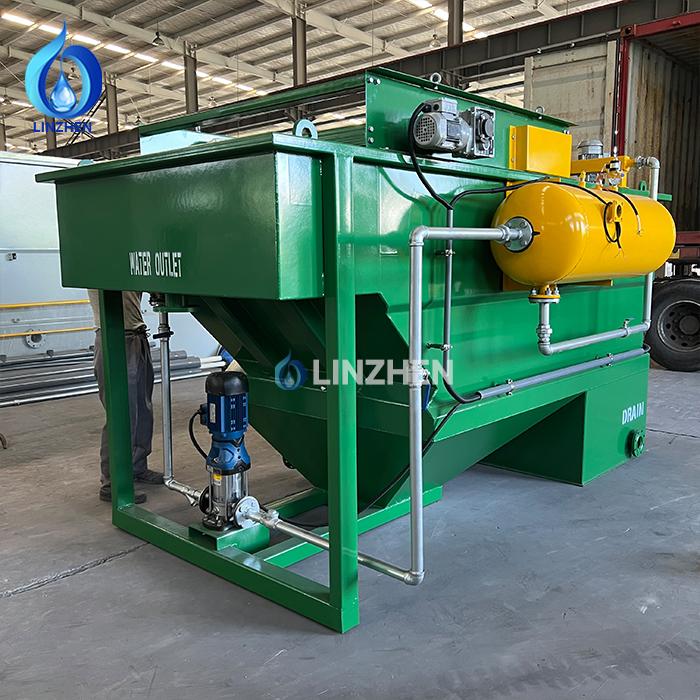
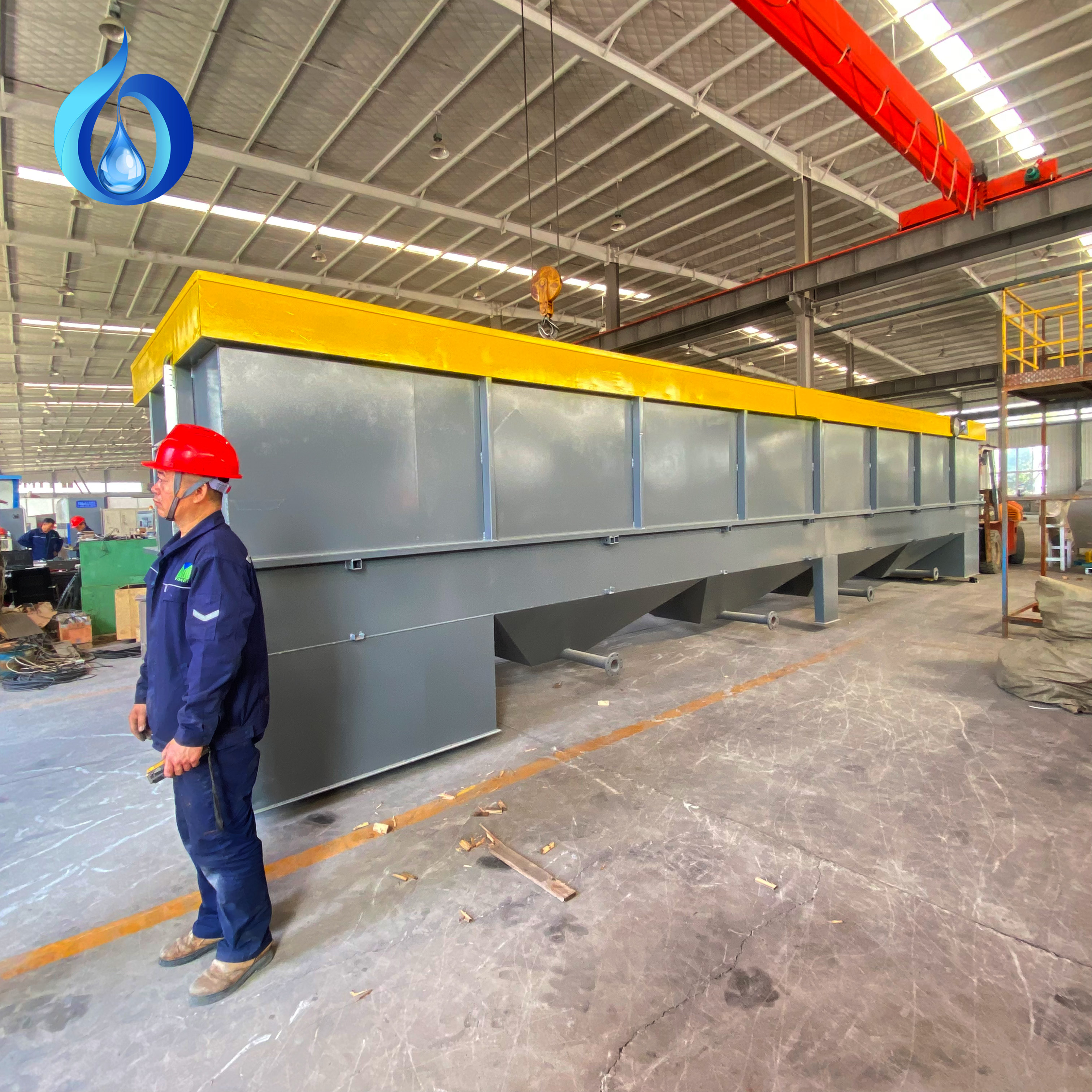
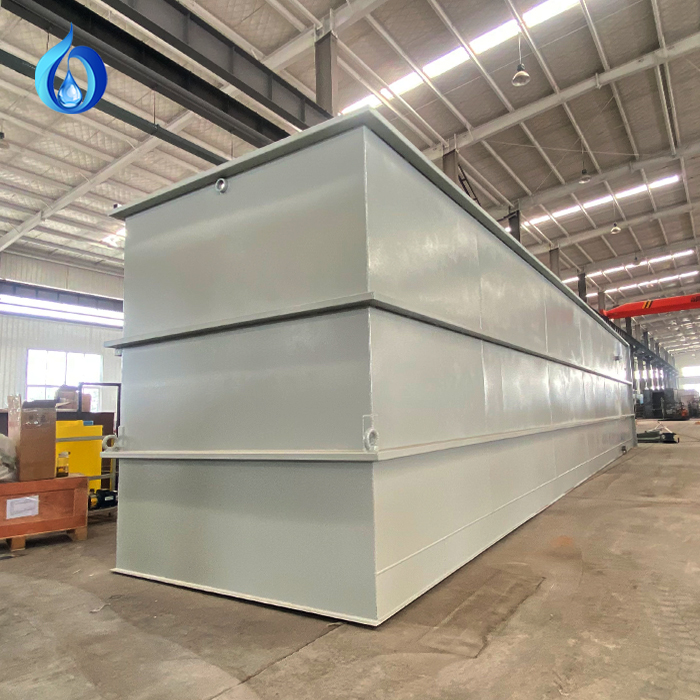
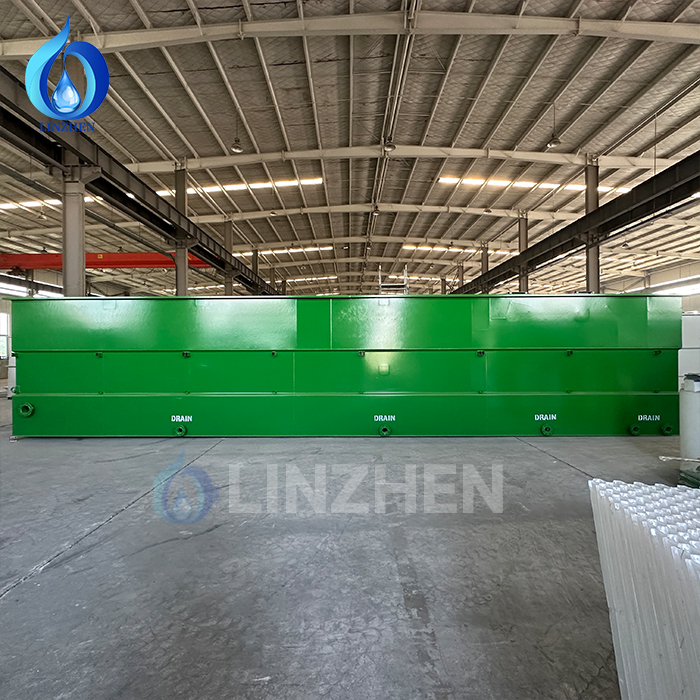
Industrial effluent treatment presents fundamentally different engineering challenges depending on the source industry. Textile manufacturing and pharmaceutical production generate vastly different wastewater profiles, requiring distinct industrial effluent treatment strategies and specialized plant design approaches. Understanding these critical operational differences is essential for selecting the right systems, optimizing process performance, and ensuring full regulatory compliance across diverse manufacturing environments.
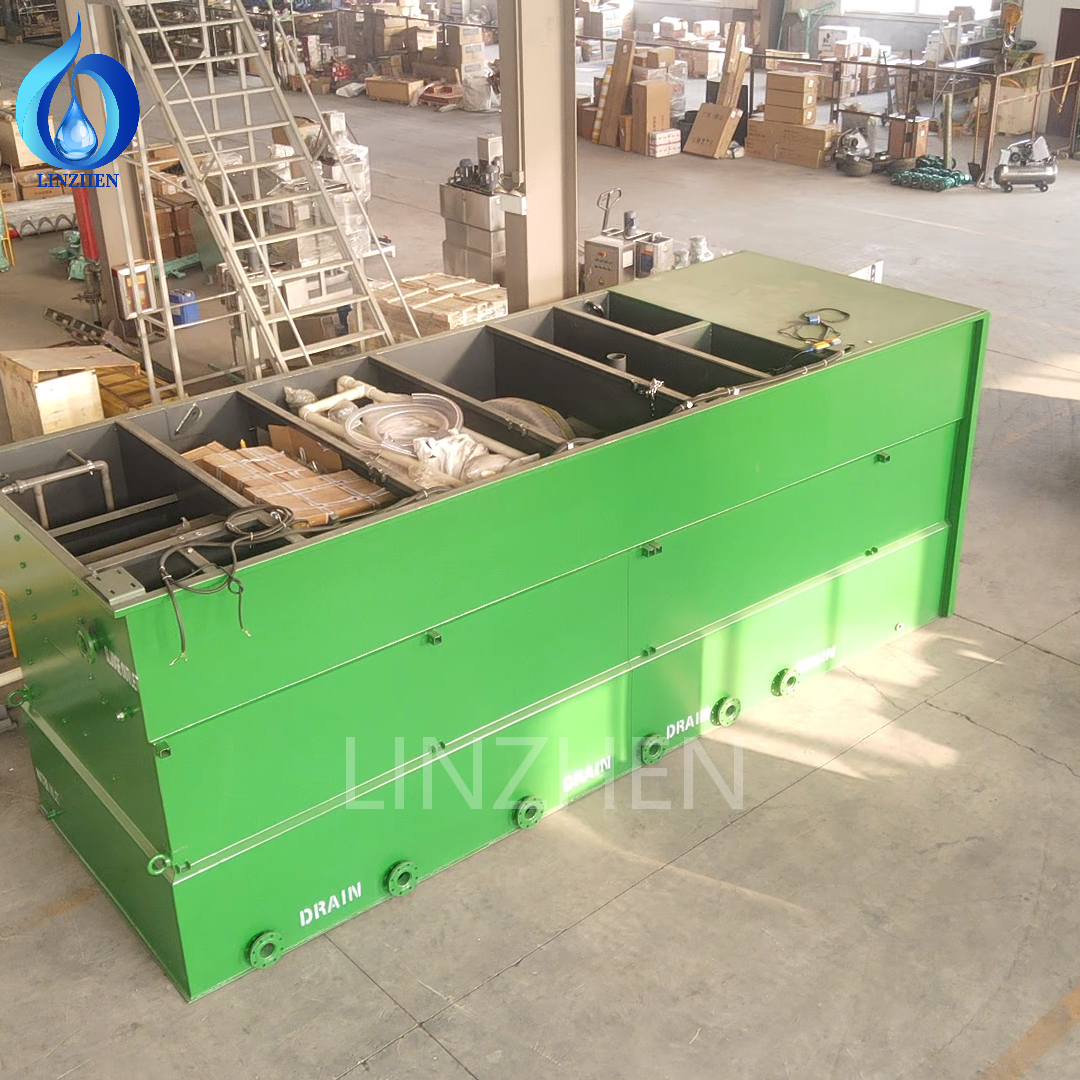
The pharmaceutical and textile industries represent two of the most demanding sectors for modern industrial effluent treatment applications. Each manufacturing sector produces wastewater with unique contaminant signatures, fluctuating concentration levels, and specialized process requirements. Site-specific engineering for industrial effluent treatment must account for these distinctions to deliver highly effective, fully compliant, and economically viable purification solutions.
Contaminant Profiles and Treatment Targets
Textile Industry Effluent Characteristics
Textile manufacturing generates high-volume wastewater containing synthetic dyes, heavy metals like chromium and copper, surfactants, and complex organic compounds. In textile wastewater treatment, the organic load calculation typically ranges from 500 to 2,000 mg/L of chemical oxygen demand (COD), where complete color removal requires specialized chemical oxidation, adsorption, or biological purification stages. Suspended solids and turbidity remain significant parameters, often necessitating robust primary clarification and physical filtration before proceeding to secondary biological processing.
Textile mills operate continuous production schedules, producing consistent daily flow rates with predictable peak periods. Variability in effluent quality stems primarily from changing dyeing recipes and production batches rather than operational downtime. An effective industrial effluent treatment plant design must accommodate this continuous pattern while maintaining high pollutant removal efficiency across all operational stages.
Pharmaceutical Industry Effluent Characteristics
Pharmaceutical manufacturing produces lower-volume but higher-toxicity wastewater containing active pharmaceutical ingredients (APIs), solvents, and bioaccumulative compounds. In pharmaceutical wastewater treatment, the organic load calculation reflects complex synthetic molecules, frequently ranging from 1,000 to 5,000 mg/L COD or higher. Because many active compounds resist standard bio-degradation or prove toxic to microbial cultures, specialized treatment methods—such as advanced oxidation processes, chemical precipitation, and adapted biotreatment—are vital for success.
Pharmaceutical plants utilize batch manufacturing processes, generating highly variable flow rates, chemical compositions, and toxicity levels. An industrial effluent treatment facility operating in this sector must handle sudden volumetric surges and rapid shifts in waste chemistry. This extreme variability requires flexible system capacity sizing, large equalization basins, and resilient process configurations.
System Capacity Sizing and Design Principles
Textile Site System Capacity Sizing
Textile mills generate 40 to 100 cubic meters of wastewater per ton of fabric processed. Proper system capacity sizing for textile facilities must handle daily flow fluctuations while preserving optimal retention times across primary clarification, biological oxidation, and final polishing stages. Peak hydraulic flows often reach 150 to 200 percent of average daily flow, necessitating adequately proportioned tanks in the overall plant layout.
Design engineers calculate system capacity sizing by evaluating average daily flow, peak hourly flow, and seasonal production cycles. Biological reactors within the industrial effluent treatment plant are sized for 8 to 24 hours of hydraulic retention, allowing sufficient time for microbial breakdown of organic dyes. Clarifiers and filtration equipment must be matched to this system capacity sizing to ensure reliable daily performance.
Pharmaceutical Site System Capacity Sizing
Pharmaceutical facilities typically produce 20 to 80 cubic meters of wastewater per day. However, intermittent batch discharges cause peak flows reaching 300 to 500 percent of average volume. System capacity sizing for pharmaceutical industrial effluent treatment requires substantial equalization capacity (50 to 100 percent of daily volume) to buffer incoming surges before reaching downstream treatment units.
Equalization tanks perform multiple critical functions: hydraulic buffering, initial settling, and pH stabilization. Retention times within equalization often span 6 to 24 hours, depending on production fluctuations. Proper equalization protects subsequent biological and chemical stages in the processing sequence from hydraulic and organic shock.
Hydraulic Flow Balancing and Operational Stability
Textile Plant Hydraulic Flow Balancing
Hydraulic flow balancing in textile plants focuses on maintaining constant feed rates to biological reactors and maintaining stable fluid levels in clarifiers. Precise flow measurement devices and automated control valves allow operators to regulate incoming wastewater and recycled sludge, ensuring steady performance throughout the industrial effluent treatment facility.
Return activated sludge rates in textile operations range from 20 to 50 percent of influent flow. Waste activated sludge removal must balance biomass growth against operational stability. Proper hydraulic flow balancing guarantees that recirculation loops do not overload primary processes while maintaining optimal mixed liquor suspended solids concentration.
Pharmaceutical Plant Hydraulic Flow Balancing
Pharmaceutical facilities demand dynamic hydraulic flow balancing systems to adapt automatically to sudden flow and load shifts. Feed rate controls feeding biological reactors must adjust rapidly to prevent process shock. Automated sensors and variable-speed pumps are essential components for maintaining hydraulic stability across the treatment train.
Equalization level management remains critical in pharmaceutical industrial effluent treatment, requiring coordinated feed, discharge, and recirculation management. Aeration systems in equalization tanks keep solids suspended while initiating preliminary degradation. Careful flow control ensures downstream chemical and biological stages receive buffered, uniform feed.
Regulatory Compliance and Monitoring Frameworks
Textile Industry Compliance Requirements
Textile discharge standards enforce strict limits on color (100 to 500 Hazen units), COD levels (100 to 200 mg/L), and suspended solids (below 30 mg/L). Heavy metals like chromium and copper are tightly regulated. An accurate organic load calculation directly dictates biological reactor design and determines if advanced polishing stages are necessary for full industrial effluent treatment compliance.
Monitoring protocols for textile processing include daily testing for COD, pH, and suspended solids, alongside regular heavy metal screening. Online sensors feed data to automated controllers, enabling real-time adjustments across the facility to ensure continuous compliance.
Pharmaceutical Industry Compliance Requirements
Pharmaceutical discharge limits are exceptionally stringent, demanding COD reduction to 50–100 mg/L and non-detectable levels for specific active pharmaceutical ingredients. Performing a precise organic load calculation accounts for recalcitrant compounds, indicating whether advanced oxidation or tertiary polishing must be integrated into the system.
Pharmaceutical operations require comprehensive monitoring, including aquatic toxicity assays and specialized chemical analysis. Adaptable system capacity sizing and robust process designs ensure that the industrial effluent treatment plant can adjust to changing product portfolios and evolving environmental regulations.
FAQ
Why does pharmaceutical wastewater require different industrial effluent treatment than textile wastewater?
Pharmaceutical wastewater contains toxic APIs and solvents that resist standard biological breakdown, requiring chemical oxidation or specialized biotreatment within the plant. In contrast, textile wastewater contains biodegradable dyes and surfactants. Performing an accurate organic load calculation helps engineers select the proper multi-stage technologies for each application.
How does system capacity sizing differ between textile and pharmaceutical industrial effluent treatment?
Textile facilities utilize system capacity sizing built for continuous flows with moderate peak variations. Pharmaceutical industrial effluent treatment relies on massive equalization tanks (50 to 100 percent of daily volume) to buffer extreme batch flow swings, requiring larger site footprints for the treatment infrastructure.
What is the role of organic load calculation in industrial effluent treatment design?
The organic load calculation establishes biological reactor volumes, aeration capacity, sludge production rates, and chemical dosing needs. Whether designing for textile wastewater treatment or pharmaceutical wastewater treatment, a precise organic load calculation ensures that the system is accurately sized for reliable compliance and efficient operation.
 EN
EN