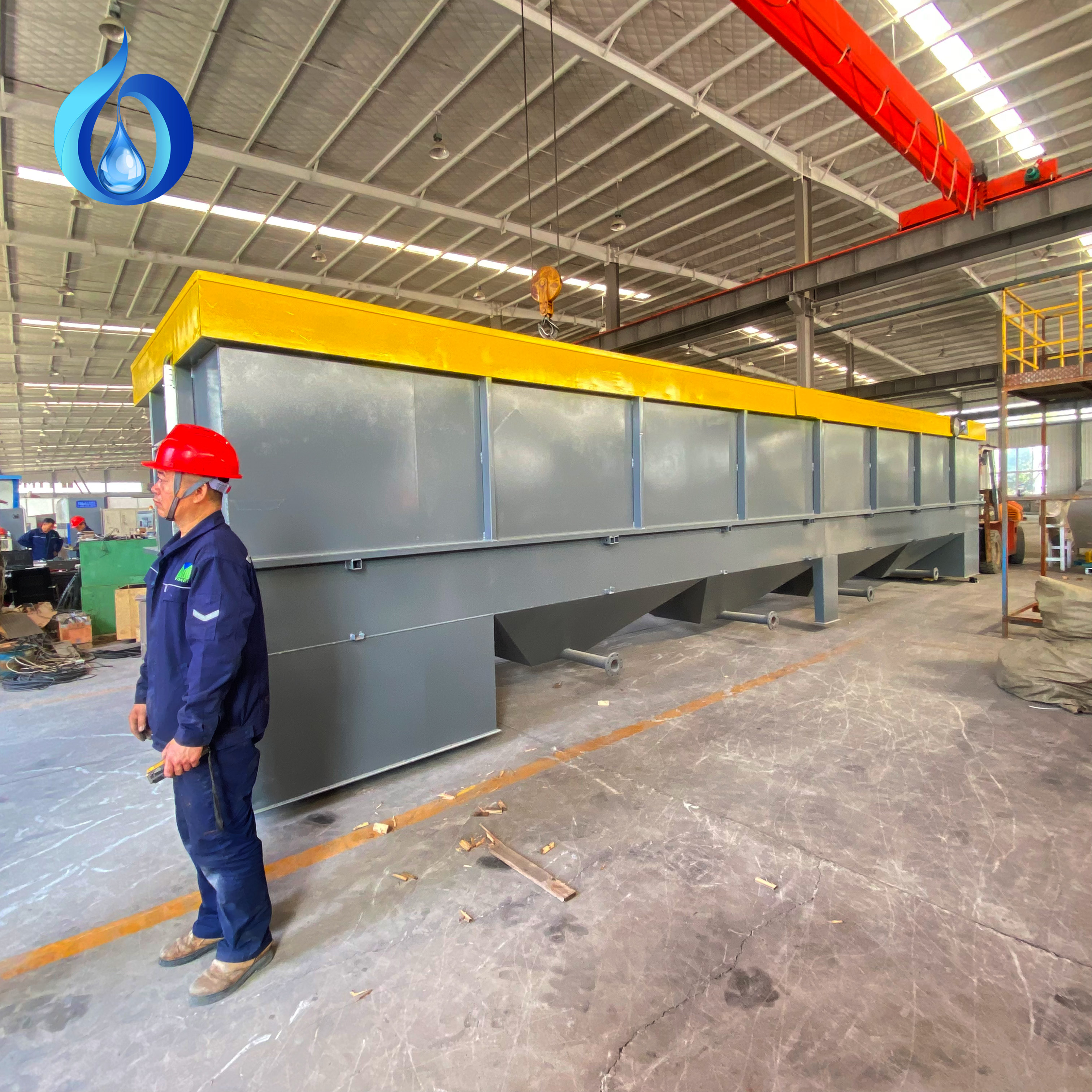
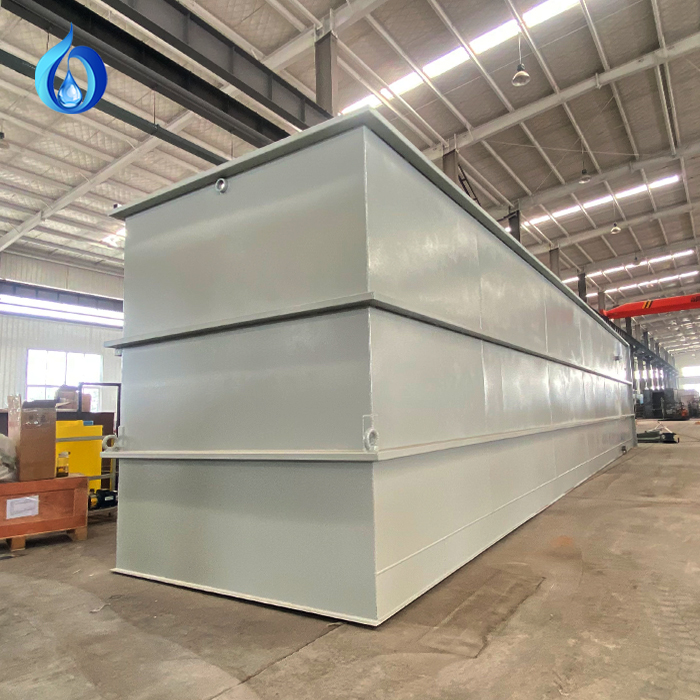
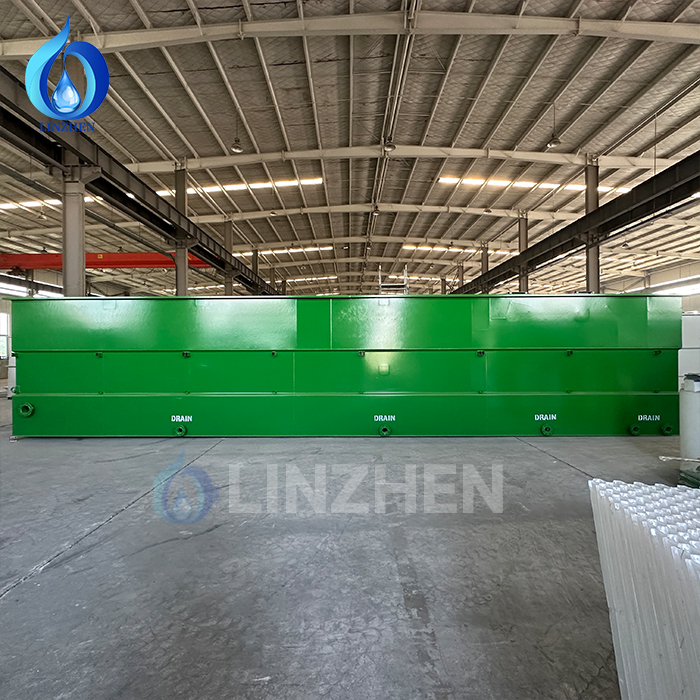
Domestic wastewater treatment and heavy factory wastewater treatment represent two fundamentally different approaches to water purification, each addressing distinct contamination profiles and operational challenges. Understanding the differences between domestic wastewater treatment and industrial wastewater systems is critical for environmental compliance, cost management, and sustainable water resource planning. While both systems aim to remove harmful contaminants before discharge, the scale, complexity, and treatment mechanisms vary significantly based on the source and nature of the waste streams they handle.
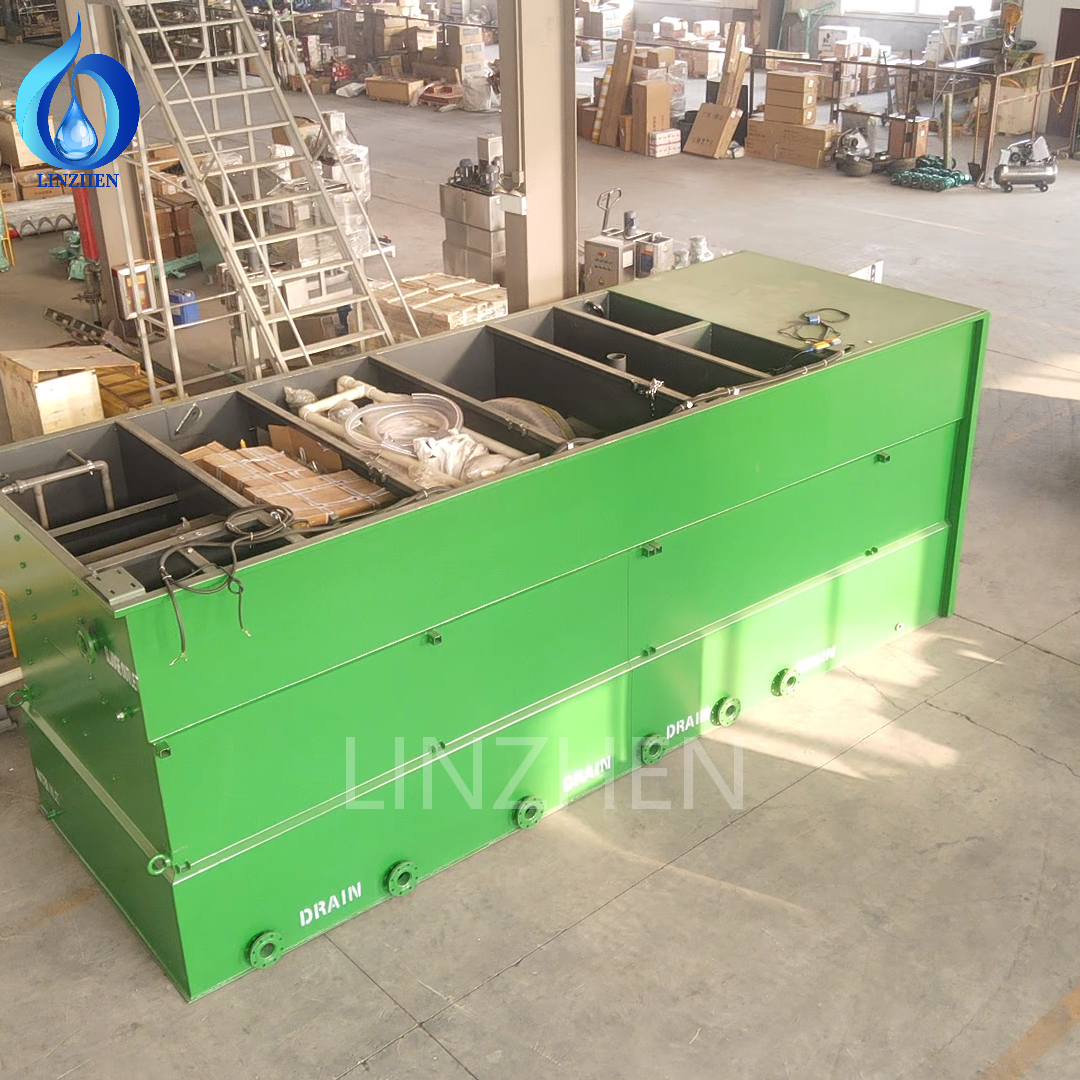
The primary distinction lies in the composition and concentration of pollutants. Domestic wastewater treatment facilities must process human waste, greywater, and food residues typical of residential and municipal settings. Factory wastewater contains industrial chemicals, heavy metals, oils, solvents, and process-specific contaminants that demand specialized removal technologies. Selecting the appropriate domestic wastewater treatment method requires understanding these fundamental differences to ensure regulatory compliance and environmental protection.
Contaminant Complexity and Source Variation
Domestic Wastewater Composition
Domestic wastewater treatment addresses relatively predictable pollutant concentrations derived from household activities. Typical parameters include organic matter measured by biochemical oxygen demand (BOD), suspended solids, nitrogen compounds from urine, and phosphorus from detergents. The domestic wastewater treatment process traditionally relies on biological degradation since microorganisms can efficiently break down organic substances present in residential waste. Municipal facilities handling domestic wastewater treatment operate at consistent load patterns during peak morning and evening hours, allowing predictable process management and standardized equipment sizing.
Heavy Factory Wastewater Characteristics
Heavy factory wastewater treatment deals with far greater complexity and variability. Manufacturing operations produce wastes containing toxic metals, persistent organic pollutants, high-temperature discharges, and chemicals resistant to standard biological treatment. Domestic wastewater treatment methods prove ineffective against these contaminants because heavy factory wastewater treatment often involves substances that inhibit or destroy the microorganisms essential to biological processes. Factory wastewater loads fluctuate unpredictably based on production schedules, requiring flexible systems capable of adapting to sudden concentration spikes or chemical composition changes that would overwhelm a conventional domestic wastewater treatment plant.
Treatment Process Methodologies and Technology Requirements
Domestic Wastewater Treatment Approach
The domestic wastewater treatment process primarily depends on biological treatment stages where microbes consume organic matter, reducing BOD and stabilizing waste streams. Primary treatment involves physical separation through screening and settling to remove large solids and grit. Secondary treatment utilizes activated sludge systems, trickling filters, or oxidation ponds where microbial communities metabolize dissolved organic substances. Tertiary treatment in domestic wastewater treatment plants may include sand filtration, UV disinfection, or chlorination to remove pathogens and residual contaminants. This biological-dependent approach makes domestic wastewater treatment cost-effective and operationally straightforward when managing consistent, degradable waste streams typical of municipal sources.
Heavy Factory Wastewater Treatment Technology
Heavy factory wastewater treatment requires multiple advanced treatment stages unavailable in basic domestic wastewater treatment systems. Chemical precipitation removes dissolved metals and suspended particles before biological stages, as raw factory wastewater would poison the microbes essential to domestic wastewater treatment. Advanced oxidation processes using ozone, hydrogen peroxide, or ultraviolet radiation break down persistent chemicals resistant to biological degradation. Adsorption using activated carbon, membrane filtration including ultrafiltration and reverse osmosis, and specialized ion exchange processes handle contaminants inappropriate for domestic wastewater treatment systems. Heavy factory wastewater treatment demands continuous monitoring, real-time adjustment capabilities, and operator expertise exceeding typical municipal domestic wastewater treatment requirements.
Regulatory Standards, Capacity, and Economic Impact
Municipal Domestic Wastewater Treatment Standards
Regulatory frameworks for domestic wastewater treatment establish relatively standardized effluent limits based on receiving water body classification and population density. Municipal authorities design domestic wastewater treatment plants to handle predictable per-capita loadings, typically sizing capacity for identified service areas. The domestic wastewater treatment infrastructure receives consistent funding through residential user fees, allowing long-term operational stability and maintenance planning. Discharge standards for domestic wastewater treatment focus on protecting aquatic ecosystems from oxygen depletion and pathogen contamination, with established monitoring protocols and readily available treatment validation methods accessible to municipal operators.
Industrial Factory Wastewater Compliance Framework
Heavy factory wastewater treatment regulations vary dramatically by industry sector, manufacturing process, and geographical location. Industrial discharge permits for factory wastewater often impose limits exceeding the stringency applied to domestic wastewater treatment standards. Factory operators must demonstrate capability to handle episodic concentration events, seasonal variation, and process modifications that fundamentally alter wastewater characteristics. The economic burden of heavy factory wastewater treatment exceeds domestic wastewater treatment significantly due to specialized equipment, trained personnel requirements, ongoing technological upgrades, and disposal of concentrated hazardous sludge residues. Facilities must maintain redundant treatment stages, emergency containment capacity, and comprehensive documentation to prove compliance where domestic wastewater treatment facilities maintain routine recordkeeping.
Operational Challenges and Maintenance Considerations
Domestic Wastewater Treatment Stability
Domestic wastewater treatment operations benefit from microbial ecosystem stability, allowing operators to maintain consistent treatment performance across seasonal variations and normal usage fluctuations. Standard maintenance for domestic wastewater treatment involves routine sludge removal, screen cleaning, and periodic inspections of settling tanks and filter media. Equipment designed for domestic wastewater treatment handles the pH range, temperature, and chemical composition of residential waste without requiring specialized protective measures or emergency response protocols. Training requirements for domestic wastewater treatment operators remain manageable, with established certification programs and standardized troubleshooting procedures reducing downtime and enhancing predictability.
Heavy Factory Wastewater Operational Demands
Heavy factory wastewater treatment demands continuous vigilance and rapid response capabilities absent from routine domestic wastewater treatment operations. Process changes within manufacturing facilities can introduce contaminants that immediately disrupt biological treatment stages operational in domestic wastewater treatment systems. Operators managing heavy factory wastewater treatment require advanced analytical skills, chemistry expertise, and rapid problem-solving capabilities to identify and address emerging issues before environmental violation occurs. Maintenance of specialized treatment equipment, replacement of exhausted adsorbents, membrane cleaning in domestic wastewater treatment applications versus heavy factory wastewater treatment systems, and hazardous sludge management create substantially higher operational complexity and cost burdens requiring dedicated specialized personnel.
FAQ
Can domestic wastewater treatment plants handle light industrial discharge?
Limited quantities of compatible industrial wastewater may integrate into domestic wastewater treatment systems if the discharge lacks toxic substances that inhibit biological processes. However, domestic wastewater treatment facilities design capacity and biological treatment stages specifically for residential waste characteristics. Introducing industrial streams without proper pretreatment will overload domestic wastewater treatment capacity and destroy microbial communities essential to secondary treatment stages. Industrial discharge should undergo facility-specific evaluation before integration into any domestic wastewater treatment system.
What makes heavy factory wastewater treatment more expensive than domestic wastewater treatment?
Heavy factory wastewater treatment requires advanced technologies including chemical precipitation systems, membrane filtration, advanced oxidation equipment, and specialized monitoring instruments absent from standard domestic wastewater treatment plants. Heavy factory wastewater treatment demands higher operator qualification levels, more frequent equipment maintenance, and expensive hazardous sludge disposal. Domestic wastewater treatment relies predominantly on biological processes and straightforward physical separation, keeping capital and operational costs significantly lower than heavy factory wastewater treatment infrastructure.
How do environmental discharge regulations differ between domestic wastewater treatment and factory discharge?
Domestic wastewater treatment regulations establish consistent standards applicable across municipal systems, typically allowing predictable compliance pathways. Heavy factory wastewater treatment regulations vary by industry type, manufacturing process, and local environmental protection requirements. Industrial facilities face more stringent limits, greater documentation requirements, and surprise compliance inspections compared to domestic wastewater treatment monitoring. Factory operations must justify treatment capability and demonstrate containment capacity where domestic wastewater treatment systems follow established municipal protocols with routine oversight.
 EN
EN