Factory operators face one of the most persistent challenges in industrial operations: managing wastewater effluent to meet environmental regulations while maintaining cost-effective operations. Traditional treatment methods often fall short when handling complex waste streams containing oils, suspended solids, and other contaminants. This is where DAF wastewater treatment emerges as a transformative solution for factories seeking superior effluent quality. Implementing an efficient DAF wastewater treatment system ensures that modern industrial wastewater treatment goals are met reliably every day.
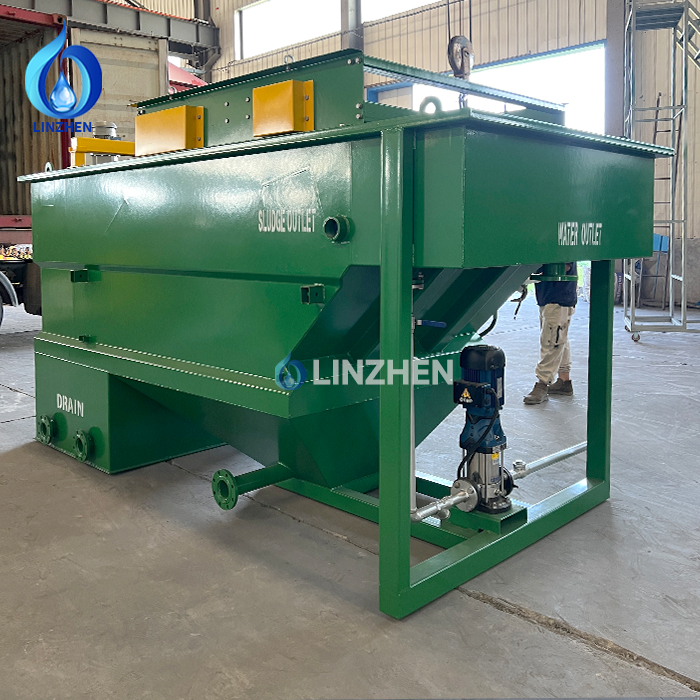
DAF wastewater treatment leverages the principles of dissolved air flotation to separate contaminants from liquid streams with remarkable efficiency. The technology works by introducing tiny air bubbles into wastewater, allowing these bubbles to attach to suspended particles and oils, which then rise to the surface where they are skimmed away. Understanding how DAF wastewater treatment achieves these results requires examining the mechanisms, operational advantages, and specific improvements in effluent quality that factories can expect when deploying a modern DAF wastewater treatment plant.
How DAF Wastewater Treatment Removes Contaminants
The Mechanism Behind Dissolved Air Flotation Technology
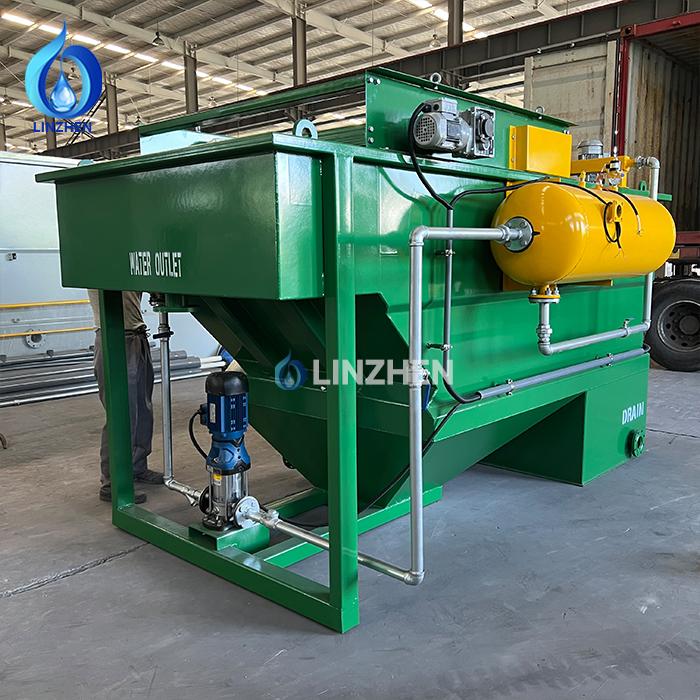
DAF wastewater treatment operates through a precisely engineered process that begins with pressurizing a portion of clean effluent or recirculated treated water. This pressurized water is saturated with air under pressure, typically between 3 and 6 bars, creating a supersaturated solution. When this pressurized water is introduced into the treatment tank and pressure is released, the air comes out of solution as micro-bubbles, each between 10 and 100 micrometers in diameter. These micro-bubbles attach to suspended solids and oil droplets through hydrophobic forces, causing them to float to the surface. The continuous operation of DAF wastewater treatment ensures high-speed pollutant capture compared to standard gravity systems.
The efficiency of DAF wastewater treatment depends on several critical parameters. Coagulation and flocculation chemicals are typically added before the flotation chamber to optimize particle aggregation and bubble attachment. The residence time within the flotation tank, typically 20 to 30 minutes, allows sufficient contact between bubbles and contaminants. Advanced DAF wastewater treatment units can handle variable flow rates, making the technology adaptable to factories of varying scales seeking guaranteed factory effluent compliance.
Separation and Recovery Processes in DAF Systems
Once floating sludge accumulates at the surface, scrapers continuously remove this concentrated material into a hopper for further processing or disposal. Modern DAF wastewater treatment configurations typically achieve separation of 90 to 98 percent of suspended solids, depending on influent characteristics. The separated sludge from DAF wastewater treatment is more concentrated than traditional settling methods produce, reducing downstream dewatering requirements and disposal costs. Clarified effluent exits from the bottom of the tank, achieving significant turbidity reduction and water clarity that satisfies strict industrial wastewater treatment standards.
Key Quality Improvements Achieved Through DAF Wastewater Treatment
Suspended Solids and Turbidity Reduction
Factories implementing DAF wastewater treatment witness dramatic improvements in suspended solids concentrations. Incoming wastewater containing high pollutant loads exits DAF wastewater treatment systems with concentrations below 50 mg/L, often dropping to 10 to 20 mg/L with proper chemical conditioning. Turbidity decreases from hundreds of NTU to single digits, creating visibly clearer treated water. This substantial suspended solids reduction achieved through DAF wastewater treatment ensures that treated effluent meets regulatory limits without requiring additional polishing steps.
The superiority of DAF wastewater treatment over conventional clarifiers in turbidity reduction stems from the bubble flotation mechanism itself. Rather than relying on gravity settling, which struggles with fine particles, DAF wastewater treatment actively lifts these challenging contaminants to the surface. Factories with challenging wastewater compositions find DAF wastewater treatment particularly valuable for achieving consistent, high-quality clarification.
Oil and Grease Removal Performance
Factories processing oily wastewater experience exceptional results with DAF wastewater treatment technology. Effective oil and grease removal typically exceeds 95 percent, reducing high influent concentrations to final levels below 10 mg/L. The hydrophobic nature of oil droplets makes them naturally buoyant when attached to air bubbles, and DAF wastewater treatment designs capitalize on this principle. Food processing facilities, machine shops, and automotive manufacturers rely heavily on DAF wastewater treatment for meeting strict discharge regulations.
The recovered oil and grease from DAF wastewater treatment operations can sometimes be recycled or processed further, creating economic recovery opportunities alongside environmental compliance. Recovered sludge contains concentrated materials that may be safely disposed or repurposed. This dual benefit of environmental protection and potential resource recovery makes DAF wastewater treatment an attractive long-term investment for factories facing chronic oil contamination challenges.
Biochemical Oxygen Demand and Chemical Oxygen Demand Reduction
DAF wastewater treatment provides secondary benefits in reducing biochemical oxygen demand (BOD) and chemical oxygen demand (COD) by removing suspended organic matter. Though DAF wastewater treatment is not primarily a biological process, the removal of organic-rich solids contributes 20 to 40 percent BOD and COD reduction. When combined with biological treatment processes downstream, DAF wastewater treatment serves as an essential pre-treatment step that protects biological reactors from shock loads.
Operational and Economic Benefits of DAF Wastewater Treatment
Compact Footprint and Space Efficiency
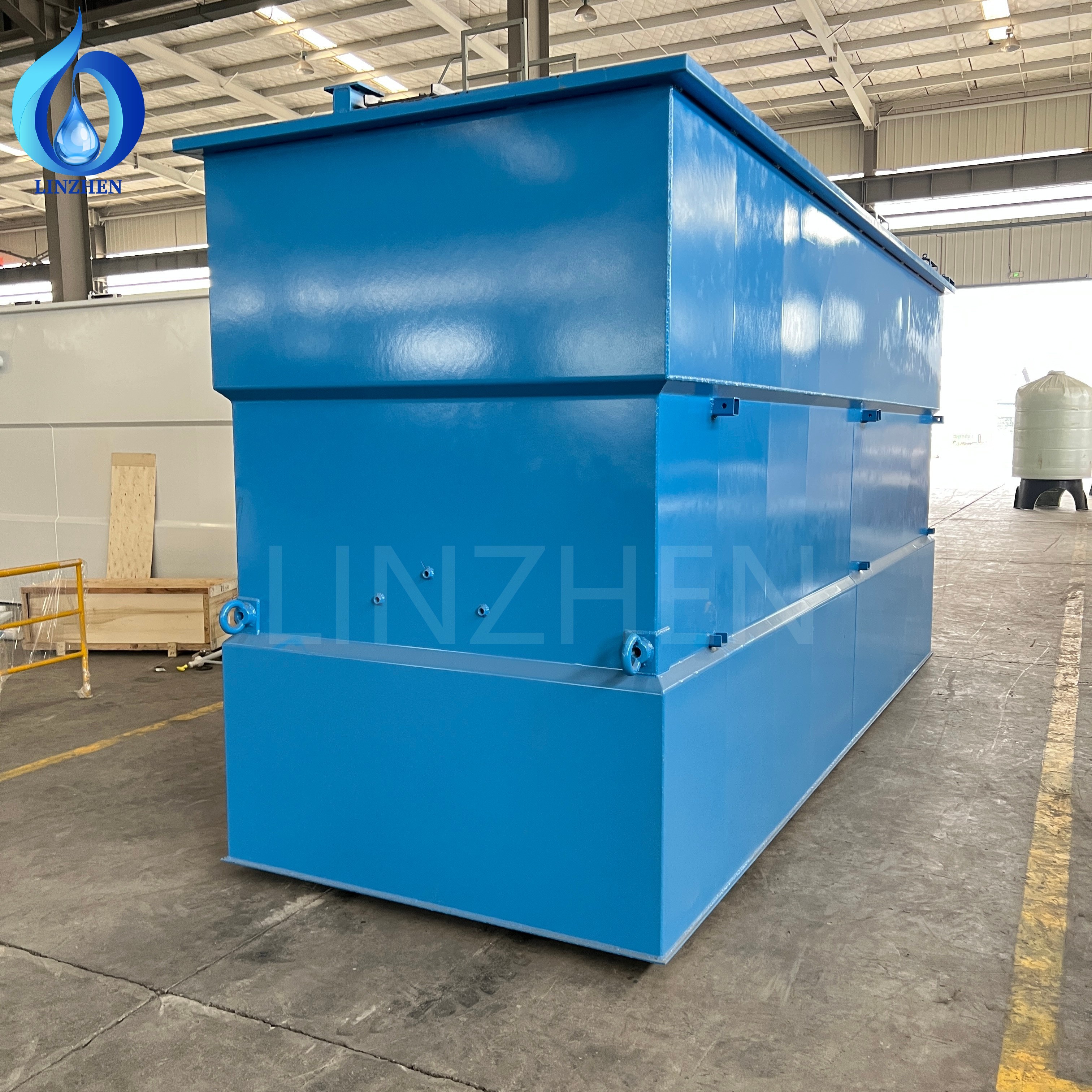
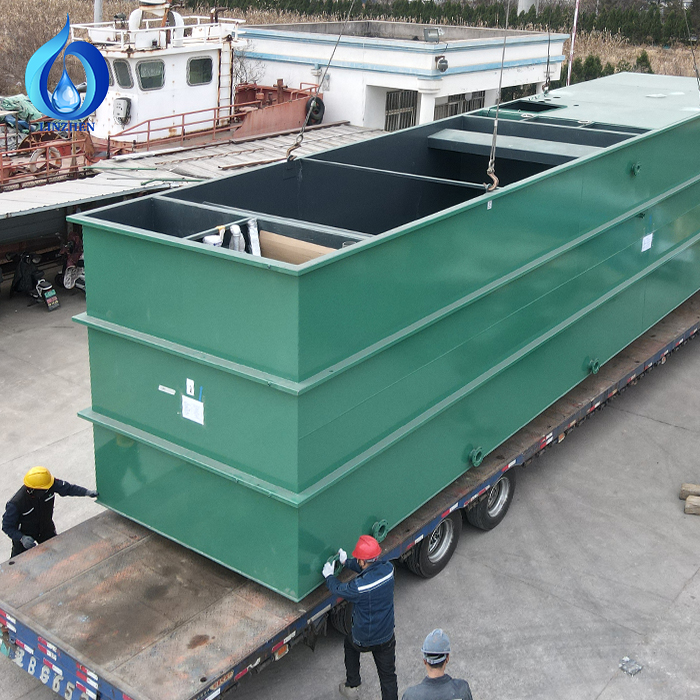
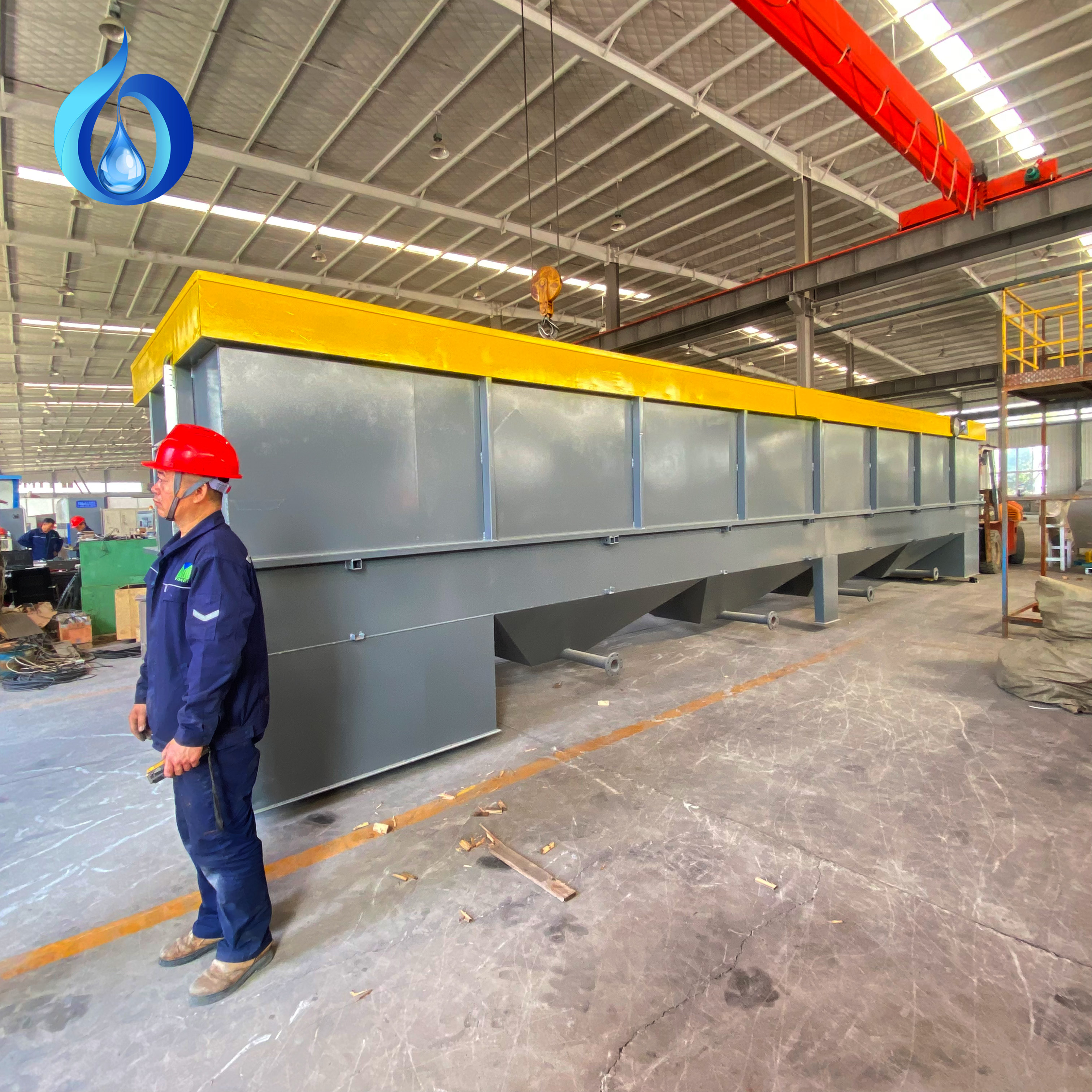
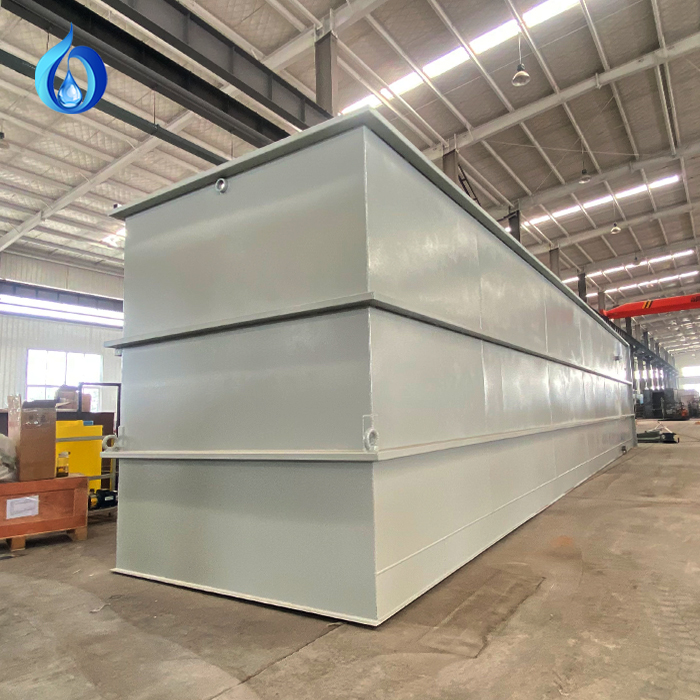
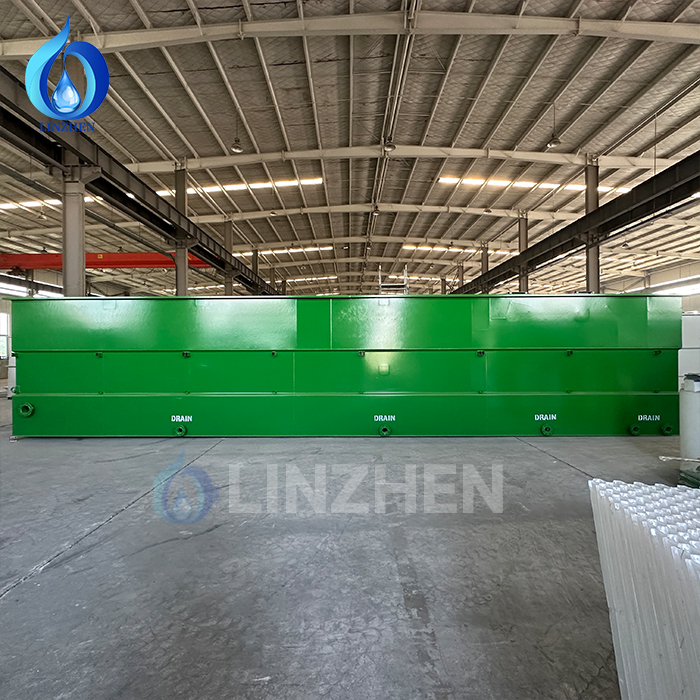
Compared to traditional clarifiers and settling basins, DAF wastewater treatment systems occupy significantly less floor space while achieving higher throughput. The flotation mechanism concentrates contaminants at the surface rather than requiring deep settling zones, allowing DAF wastewater treatment tanks to have smaller footprints. Factories with limited available space find DAF wastewater treatment an enabling technology that fits into constrained facility layouts.
Space efficiency translates directly into reduced installation costs and faster deployment. Modular DAF wastewater treatment units can be installed within existing structures or in outdoor locations previously considered unsuitable for traditional treatment equipment. The compact nature of DAF wastewater treatment makes it an attractive choice for retrofitting aging facilities.
Lower Operating and Maintenance Costs
Operating DAF wastewater treatment systems typically demands less energy than competing technologies because the flotation mechanism inherently concentrates solids. Sludge produced by DAF wastewater treatment contains higher solids concentrations than gravity settling produces, meaning fewer tons of sludge require disposal. Chemical consumption in DAF wastewater treatment remains cost-effective when optimized properly, supporting long-term factory effluent compliance.
Maintenance of DAF wastewater treatment equipment focuses primarily on scraper mechanisms, air pressure systems, and chemical injection components. Regular monitoring keeps DAF wastewater treatment systems operating at peak efficiency. Compared to complex biological systems, DAF wastewater treatment involves straightforward maintenance protocols that factory operators manage effectively.
FAQ
What types of factories benefit most from DAF wastewater treatment?
DAF wastewater treatment excels in food processing, beverage production, oil refining, automotive manufacturing, and metalworking facilities. Any factory generating wastewater containing oils or suspended solids benefits from DAF wastewater treatment capabilities, ensuring reliable factory effluent compliance.
How does DAF wastewater treatment compare to conventional settling in terms of treatment quality?
DAF wastewater treatment outperforms conventional settling in turbidity reduction, fine particle removal, and treatment speed. While conventional clarifiers require hours, DAF wastewater treatment achieves superior clarification in 20 to 30 minutes, maximizing suspended solids reduction efficiently.
What maintenance and monitoring are required for DAF wastewater treatment systems?
DAF wastewater treatment systems require regular monitoring of air pressure, flow rates, sludge accumulation, and chemical dosing. Periodic scraper inspections and preventive maintenance keep DAF wastewater treatment equipment operating reliably.
 EN
EN