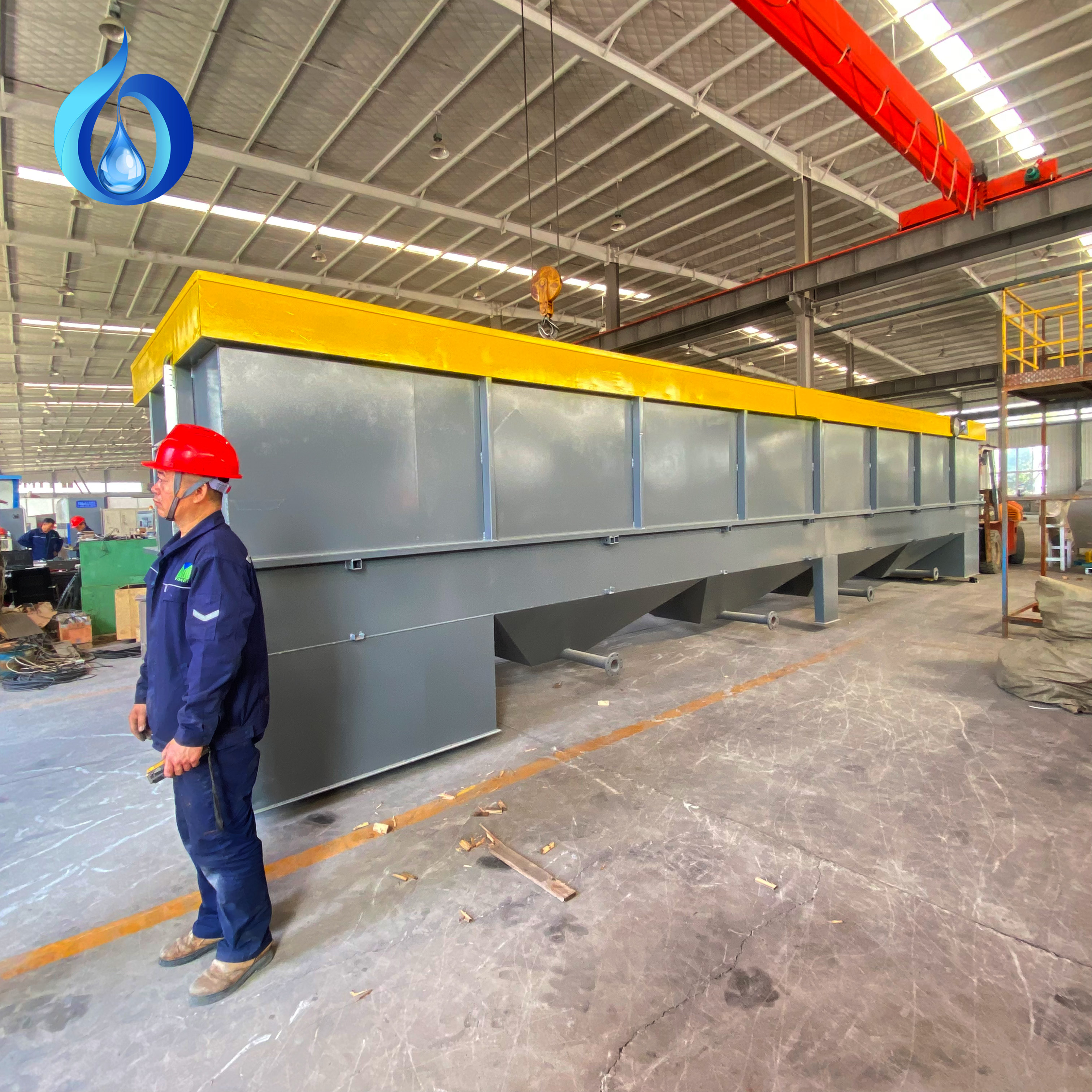
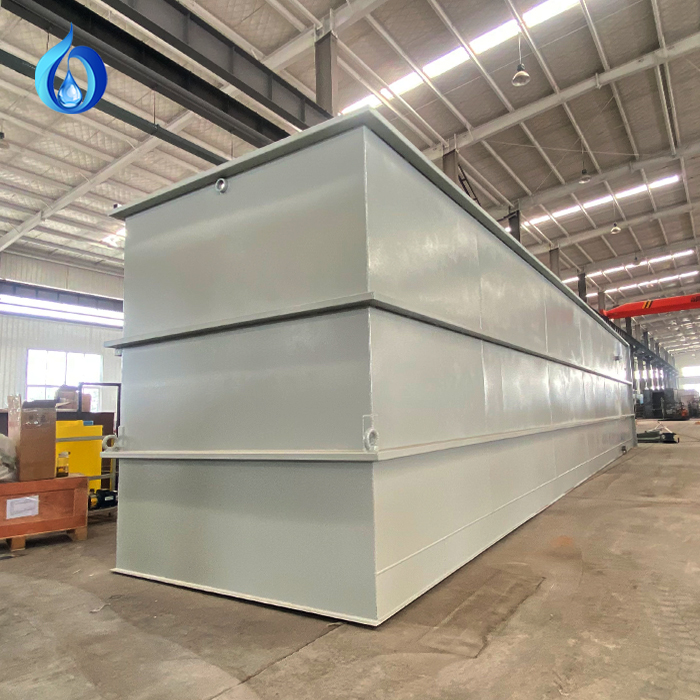
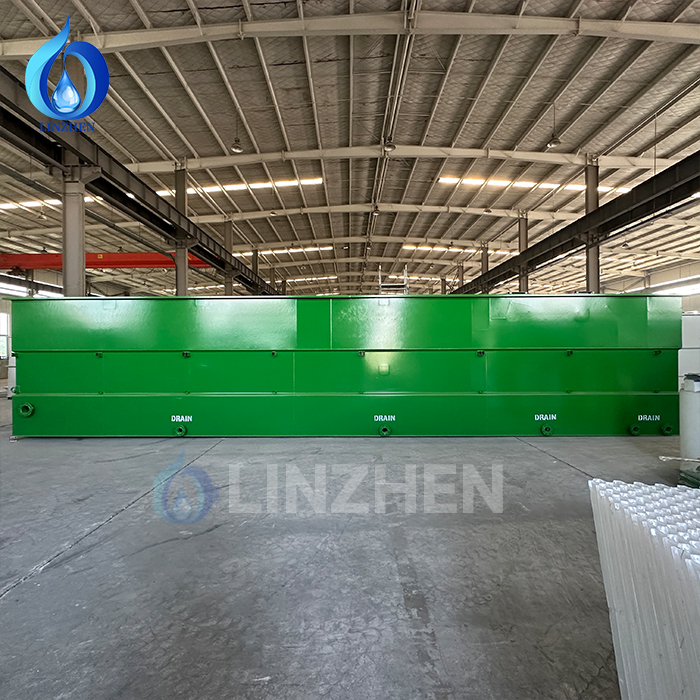
Slaughterhouse process water presents one of the most challenging wastewater streams in food processing. The combination of blood, fat, tissue particles, and dissolved organic compounds creates a particularly difficult treatment scenario. daf wastewater treatment technology has emerged as the most effective solution for clarifying this contaminated water before it can be safely discharged or recycled. Understanding how this flotation tank design works and why it outperforms conventional settling methods is essential for meat processing facilities seeking regulatory compliance and operational efficiency.
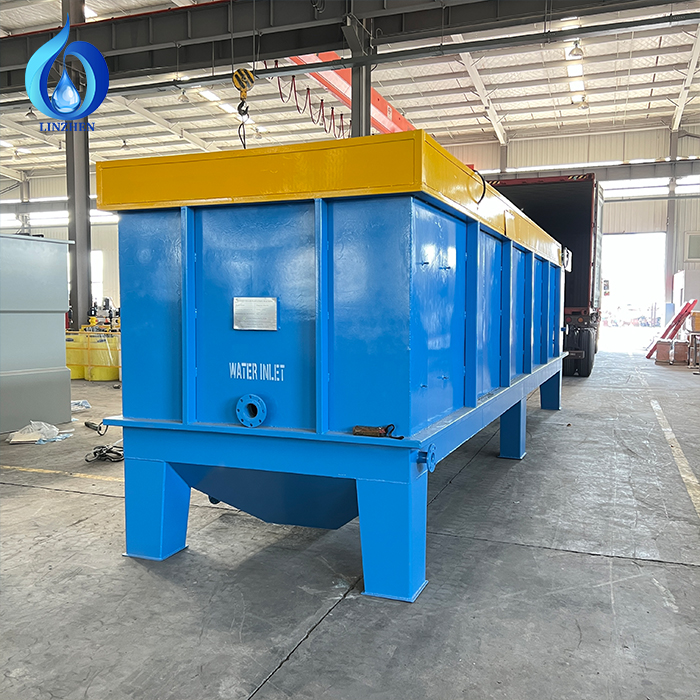
The core challenge with slaughterhouse effluent is that traditional gravity settling cannot adequately remove fats, oils, and fine suspended solids that remain in suspension indefinitely. These contaminants exist in forms ranging from large visible particles to microscopic colloids, each requiring different removal strategies. A properly designed flotation tank can address this entire spectrum of contamination simultaneously, making it the preferred technology for modern meat processing operations.
Understanding Flotation Tank Design and Operation
Core Principles of Dissolved Air Flotation
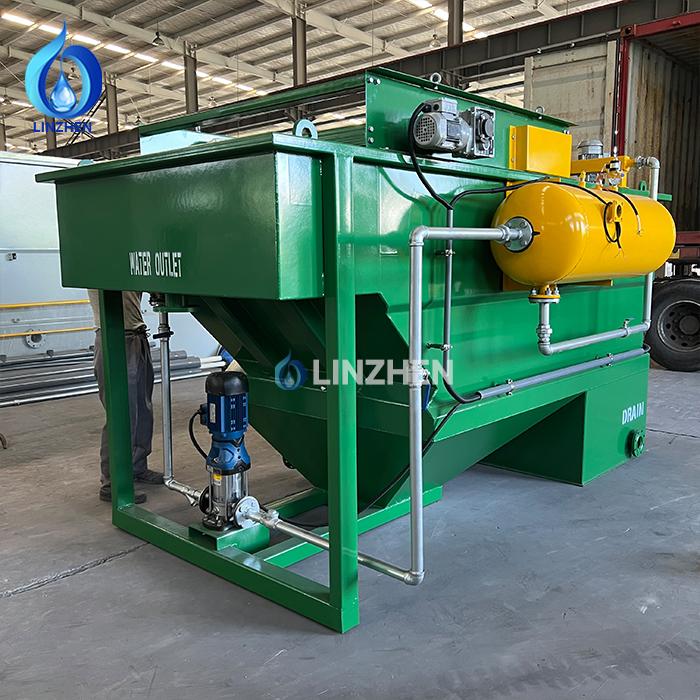
Dissolved air flotation technology operates on a fundamentally different principle than traditional settling. Instead of relying on gravity to pull heavy particles downward, DAF generates microscopic air bubbles that attach to suspended particles and lift them to the surface for removal. The flotation tank design incorporates a pressurization system that dissolves air into recycled clarified water under high pressure, then releases that air as fine bubbles when the pressurized water enters the main tank. This creates thousands of tiny bubbles that provide lift to fats, oils, and other low-density contaminants that would otherwise remain suspended.
The efficiency of this process depends heavily on the flotation tank design parameters, including detention time, bubble size distribution, and hydraulic loading rates. A well-engineered system maintains optimal conditions where particles have sufficient time to attach to bubbles and rise to the surface. The design must accommodate peak flow conditions while maintaining treatment effectiveness during low-flow periods. Most modern DAF systems for slaughterhouse applications operate with solids loading rates between 4 and 8 kilograms per square meter per hour, which translates to excellent suspended solids removal rates exceeding 90 percent.
Chemical Enhancement Strategies
While the physical flotation mechanism is powerful on its own, chemical coagulation significantly improves the performance of daf wastewater treatment systems. Coagulants such as ferric chloride or aluminum sulfate neutralize the negative charges on colloidal particles, allowing them to aggregate into larger flocs that attach more readily to air bubbles. These larger flocs rise faster and achieve cleaner separation from the treated water. The flotation tank design typically includes rapid mixing and slow mixing zones where coagulation and flocculation occur before wastewater enters the main flotation chamber.
Polyelectrolyte aids often follow primary coagulation to strengthen floc structures and improve settling characteristics. In slaughterhouse applications, pH control is equally critical because protein-based contaminants have isoelectric points where they coagulate most effectively. Operators must carefully adjust pH to maximize suspended solids removal while avoiding conditions that might cause floc destabilization. This chemical integration transforms the flotation tank design into a comprehensive treatment system rather than a simple mechanical separator.
Suspended Solids Removal and Oil Grease Separation
Mechanisms of Suspended Solids Removal
Suspended solids in slaughterhouse wastewater originate from multiple sources including tissue fragments, blood cells, bone particles, and microbial biomass. These particles vary dramatically in size, density, and surface properties, requiring a treatment method that handles this diversity effectively. Suspended solids removal in a daf wastewater treatment system begins immediately as particles contact the air bubble field. Fine particles attach to bubble surfaces through hydrophobic interactions, while larger particles become entrapped within floc networks and rise buoyantly.
The flotation tank design must provide adequate surface area and depth to achieve contact between all suspended particles and the air bubble field. Typically, this requires 20 to 30 minutes of detention time for slaughterhouse wastewater, which represents a significant engineering constraint. Zone-based design allows for efficient utilization of tank volume, with clarification occurring in the upper portion while sludge collection and removal happen in dedicated zones below. Modern systems achieve suspended solids removal rates of 85 to 95 percent, reducing total suspended solids concentrations from 1,000 to 5,000 milligrams per liter down to 50 to 200 milligrams per liter in a single treatment stage.
Oil and Grease Separation Efficiency
Oil and grease separation represents the most distinctive advantage of DAF technology over conventional clarifiers. Fats and oils naturally resist wetting by water and have low density, making them ideal candidates for flotation. A properly operating daf wastewater treatment system can remove 90 to 95 percent of emulsified and free oils from slaughterhouse wastewater. This efficiency stems from the mechanism itself: air bubbles preferentially attach to hydrophobic fat molecules, lifting them efficiently to the surface where they accumulate in a concentrated layer called skimmings.
The flotation tank design incorporates dedicated skimming mechanisms that continuously remove the accumulated fat layer from the surface. This prevents fat re-emulsification and maintains high removal rates throughout the operating day. The removed skimmings can be further processed through thermal treatment or rendered for alternative uses, representing a potential revenue stream for meat processors. Oil grease separation efficiency remains consistently high even as wastewater composition fluctuates, making DAF far more reliable than gravity grease traps for this application. The speed of oil and grease separation also minimizes the residence time required, allowing for more compact treatment installations compared to settling-based alternatives.
Implementation Considerations for Slaughterhouse Operations
Operational Challenges and Solutions
Implementing daf wastewater treatment in slaughterhouse facilities requires careful attention to operational realities. Wastewater production varies dramatically throughout the day, with peak flows during cleaning operations and lower flows during production downtime. A flotation tank design must accommodate this variability without losing treatment effectiveness during low-flow periods. This typically requires systems with modular construction allowing parallel units to operate or bypass during low-flow conditions, maintaining adequate surface loading rates and detention times.
Sludge handling represents another critical consideration in flotation tank design for slaughterhouse applications. The concentrated sludge removed from DAF tanks contains 4 to 8 percent solids compared to 0.5 to 1 percent from settling basins, significantly reducing downstream dewatering requirements. However, this sludge remains biologically active and can degrade rapidly if storage extends beyond a few hours. Facilities must integrate DAF systems with dewatering equipment such as belt presses or centrifuges to manage the concentrated sludge stream effectively. The improved sludge quality also reduces the volume requiring final disposal, lowering overall wastewater treatment costs.
Regulatory Compliance and Treatment Standards
Most jurisdictions establish strict discharge standards for meat processing wastewater, particularly regarding suspended solids, oils and grease, and biochemical oxygen demand. Suspended solids removal through daf wastewater treatment typically achieves discharge standards without post-treatment polishing. The combination of suspended solids removal and oil grease separation means DAF units often serve as primary or sole treatment before discharge. Many regulatory agencies specifically recognize DAF technology as meeting best available technology requirements for slaughterhouse wastewater treatment.
The flotation tank design must be engineered to reliably achieve these standards across the full range of influent conditions and peak flows experienced by individual facilities. This often requires oversizing calculations that provide safety margins and redundancy. System monitoring through turbidity sensors, grease detection equipment, and solids analyzers ensures ongoing compliance while identifying process upsets requiring operator intervention. Integration with automated controls allows flotation tank design parameters to be adjusted in real time to maintain consistent effluent quality.
FAQ
Why is DAF more effective than gravity settling for slaughterhouse wastewater?
Gravity settling cannot effectively remove fats, oils, or fine suspended particles that resist sinking due to their low density or colloidal properties. Daf wastewater treatment uses air bubbles to physically lift these contaminants to the surface, enabling removal rates of 90 to 95 percent compared to 60 to 75 percent from settling. The flotation tank design also requires less physical space and achieves faster treatment, making it economically superior for high-flow meat processing applications.
How often does a flotation tank require maintenance?
A well-designed flotation tank design requires daily removal of accumulated skimmings and regular monitoring of pressure systems and bubble generation equipment. Air release valves need cleaning to maintain fine bubble production, typically every 7 to 14 days depending on air quality and operating conditions. Chemical feed systems require regular calibration and maintenance to ensure proper coagulation. Most facilities find that preventive maintenance scheduling reduces emergency downtime and extends equipment life significantly.
Can DAF treatment make slaughterhouse wastewater suitable for direct reuse?
Daf wastewater treatment removes suspended solids and oils effectively but does not eliminate dissolved organic compounds or microorganisms. Direct reuse typically requires additional treatment stages such as biological systems or membrane filtration following DAF. However, DAF-treated water achieves quality suitable for non-contact cooling, conveyor washing, and other non-potable uses when combined with basic disinfection. The flotation tank design serves as the critical first stage that makes subsequent treatment stages more effective and economical.
 EN
EN