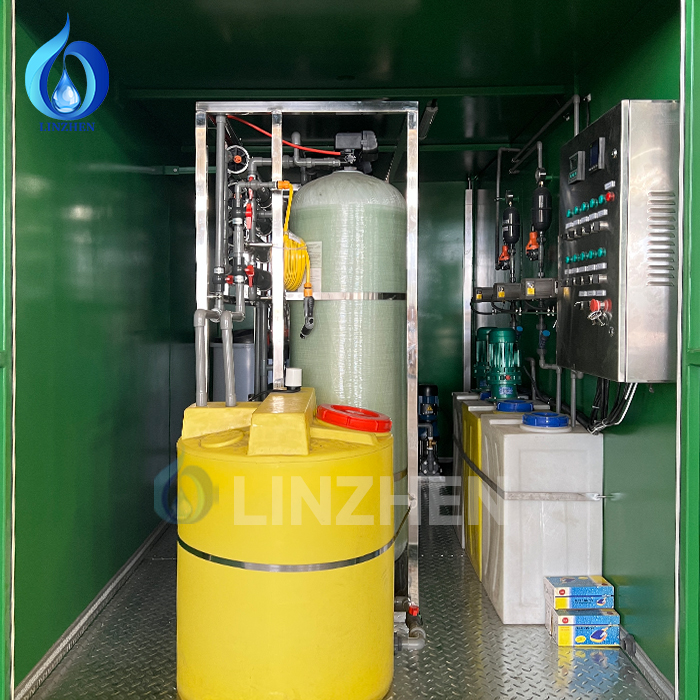
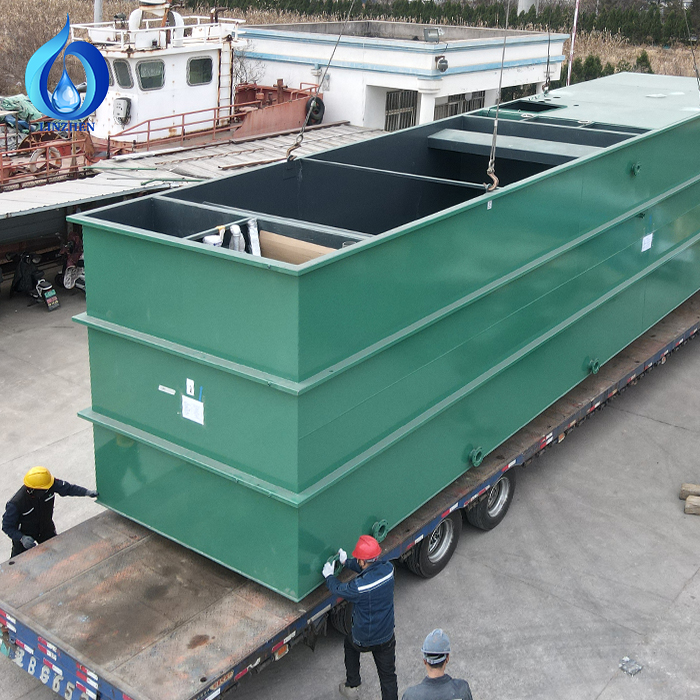
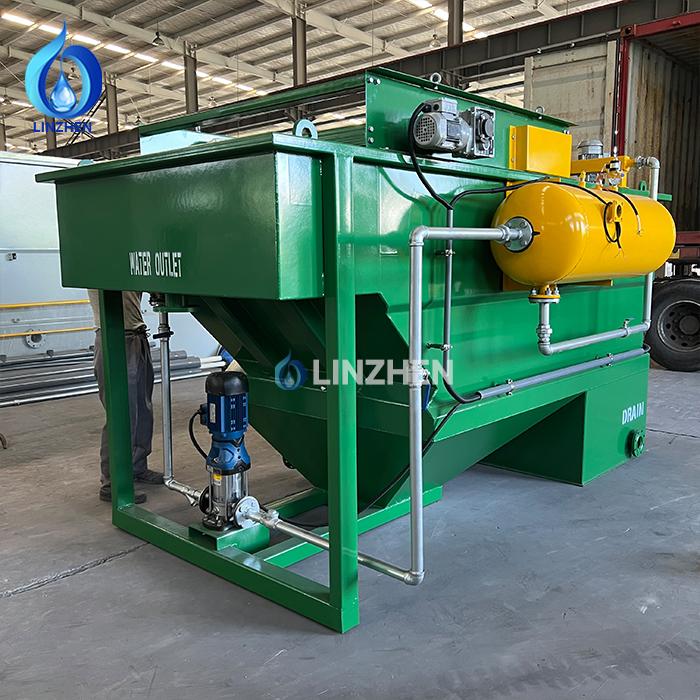
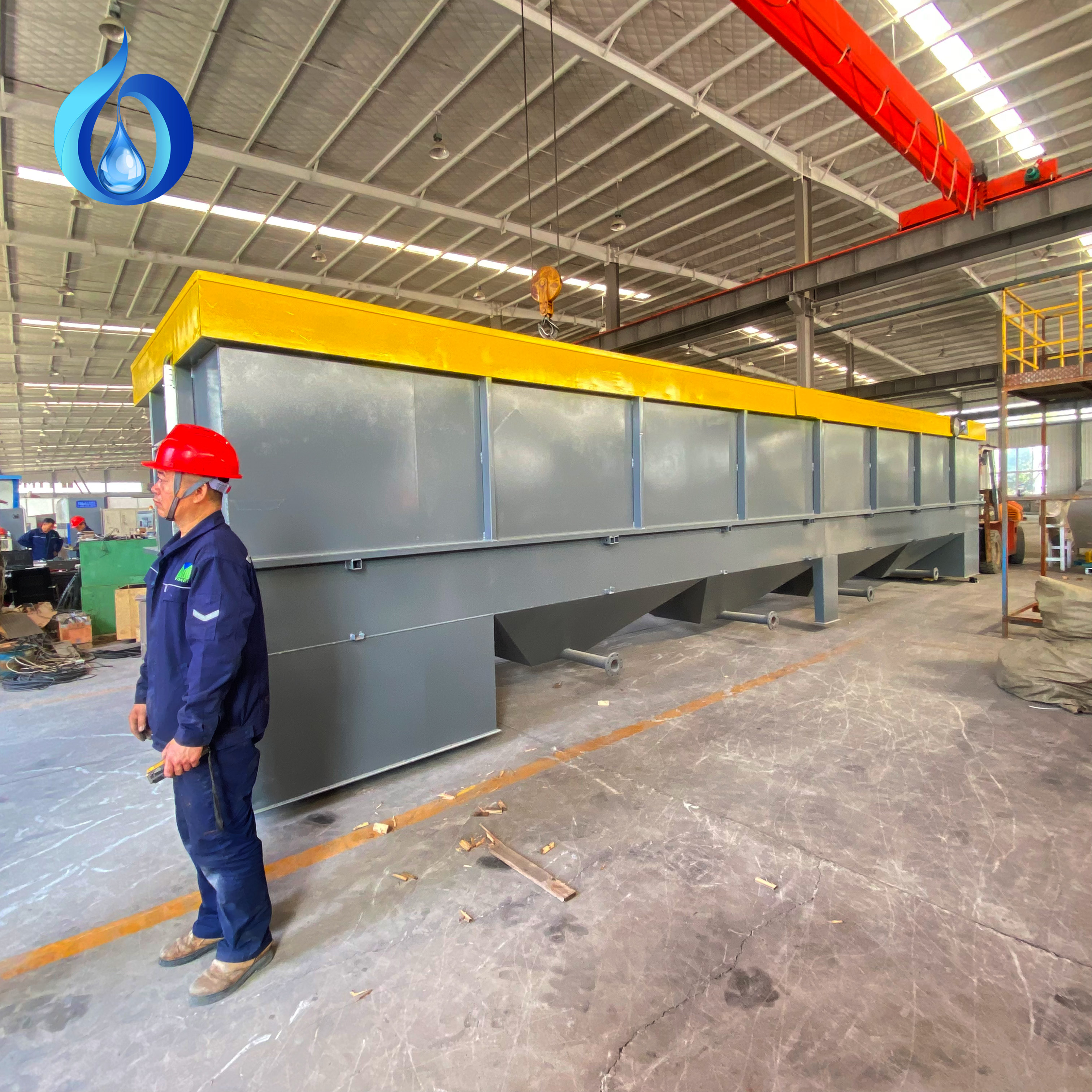
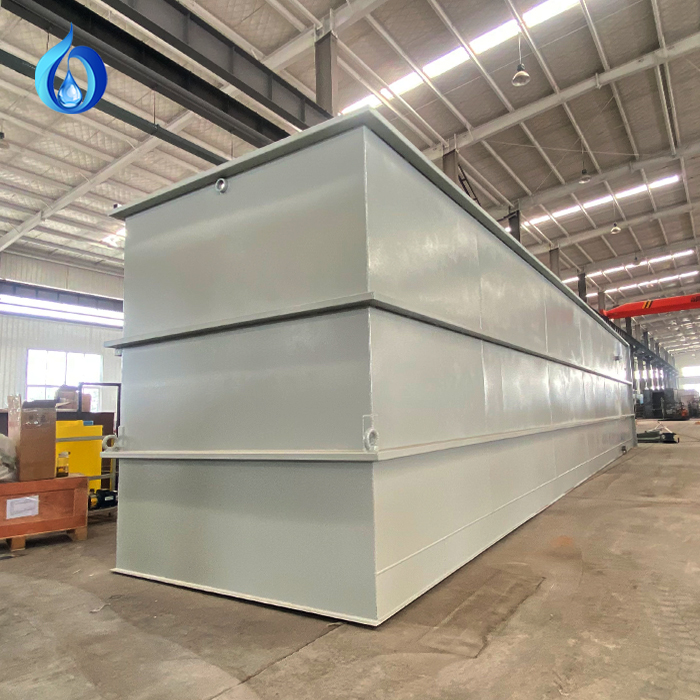
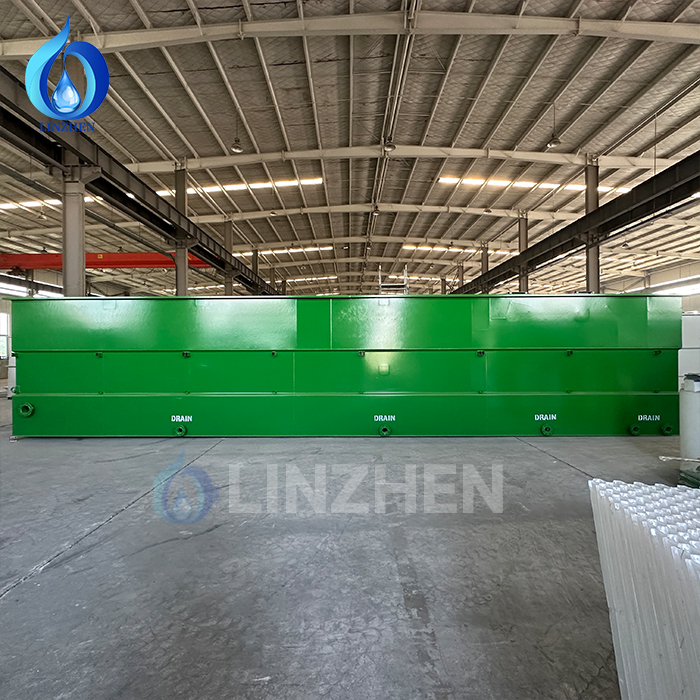
Water is one of the largest operational expenses for manufacturing facilities, yet many factories remain unaware that a significant wastewater recycling system can dramatically reduce this burden. Industrial operations consume vast quantities of water for cooling, processing, and cleaning, and most of this water is treated and discharged as waste. By implementing a wastewater recycling system, factories can recapture, treat, and reuse this water, transforming a cost center into an efficiency opportunity that impacts both the bottom line and environmental compliance.
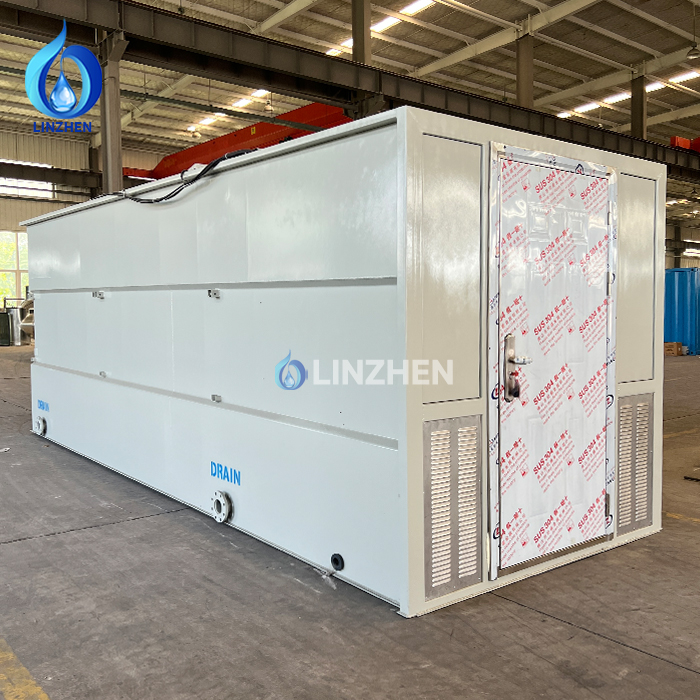
The financial case for adopting a wastewater recycling system is compelling. When factories invest in this technology, they immediately reduce their freshwater intake from municipal supplies or groundwater sources, which represent a direct and measurable cost. A wastewater recycling system captures effluent that would otherwise be discharged, treats it to meet specific reuse standards, and returns it to production cycles. This closed-loop approach not only cuts water procurement expenses but also reduces wastewater treatment fees, sewer charges, and the regulatory penalties associated with exceeding discharge limits.
Understanding the Core Economics of Water Reuse
Direct Cost Reduction Through Freshwater Savings
The most immediate benefit of a wastewater recycling system is the reduction in freshwater consumption. Factories typically pay municipal water rates or extraction costs for groundwater, both of which continue to rise in water-scarce regions. A wastewater recycling system allows industrial facilities to dramatically lower these expenses by treating and reusing water that would otherwise be lost. For a mid-sized manufacturing plant consuming 500,000 gallons daily, redirecting just 30% of wastewater through a recycling system can eliminate 150,000 gallons of freshwater purchases per day, translating to annual savings of hundreds of thousands of dollars depending on local water rates.
Beyond raw consumption, a wastewater recycling system reduces strain on municipal infrastructure, which often results in lower utility rates for high-volume industrial users who demonstrate conservation efforts. Many water utilities offer rebate programs or tiered pricing incentives for factories that implement water reuse technologies. These financial incentives effectively accelerate the return on investment for the wastewater recycling system, making the payback period significantly shorter than initial capital outlays suggest.
Elimination of Discharge and Treatment Charges
Industrial wastewater treatment represents a substantial secondary cost that most factory managers fail to fully account for in their budgets. When a wastewater recycling system is deployed, the volume of effluent sent to treatment plants decreases proportionally, reducing discharge fees and treatment surcharges imposed by environmental agencies. These costs often scale with the quantity and quality of wastewater, meaning facilities with higher contamination levels face exponential fee increases. A wastewater recycling system mitigates this burden by treating water in-house to reusable standards, allowing factories to meet regulatory compliance while avoiding excessive external treatment fees.
Regulatory non-compliance brings even higher costs through fines, operational shutdowns, and mandatory remediation. A properly sized and maintained wastewater recycling system ensures factories remain within discharge limits, eliminating the financial and operational risk of environmental violations. This protection alone justifies investment in many jurisdictions where water scarcity has triggered strict regulatory frameworks.
Operational Efficiency and Production Continuity
Stabilized Water Supply and Predictable Costs
A wastewater recycling system provides factories with a more stable and controllable water supply than relying solely on external sources. Droughts, supply interruptions, and rate volatility from municipal water providers create unpredictability that impacts production scheduling and cost forecasting. By recycling wastewater on-site, factories reduce dependence on external water supplies, creating a buffer against market disruptions and price fluctuations. This operational resilience translates directly to more predictable operating costs and improved cash flow management, allowing finance teams to forecast expenses with greater accuracy across quarters and fiscal years.
Industrial facilities in water-stressed regions particularly benefit from this stability. A wastewater recycling system acts as an insurance policy against supply cuts or emergency restrictions that might otherwise force production shutdowns. The ability to continue operations during water shortages maintains revenue flow and preserves customer relationships, preventing far costlier disruptions than the expense of the recycling system itself.
Scalability for Growing Production Demands
As factories expand production, water consumption typically increases proportionally, creating pressure to secure additional freshwater allocations and capacity. A wastewater recycling system enables controlled growth without linear increases in water procurement. When production increases by 20%, factories do not necessarily need to purchase 20% more freshwater if wastewater recycling system capacity allows treatment of additional recirculated volumes. This decoupling of production growth from freshwater demand makes facility expansion more economically efficient and environmentally sustainable, supporting long-term business strategies without triggering infrastructure or regulatory barriers.
Return on Investment and Financial Payback Timelines
Capital Expenditure and Payback Periods
A wastewater recycling system requires upfront capital investment for equipment, installation, and integration with existing infrastructure. However, this investment typically pays for itself through operational savings within three to seven years, depending on water rates, facility size, and wastewater composition. For factories in regions with high water costs, the payback period may be as short as two to three years. After the initial investment is recovered, the wastewater recycling system continues generating cost savings indefinitely, with only modest ongoing maintenance and chemical expenses required to sustain recycled water quality standards.
Many factories qualify for government subsidies, tax credits, or low-interest financing programs designed to encourage water conservation. When these incentives are factored in, the effective cost of a wastewater recycling system decreases significantly, further accelerating financial payback. Industrial operators should investigate local, regional, and national programs that support water efficiency initiatives before finalizing investment decisions.
Long-Term Value Beyond Direct Savings
Beyond the quantifiable cost reductions, a wastewater recycling system generates long-term strategic value. Facilities with demonstrated water efficiency attract environmentally conscious customers, support corporate sustainability commitments, and build competitive advantage in markets where green credentials influence purchasing decisions. A wastewater recycling system also reduces operational risk by ensuring regulatory compliance, protecting facilities from escalating environmental standards and the costs associated with retrofitting aging infrastructure to meet new requirements. These indirect benefits compound the financial case over the system's operational lifetime, often extending well beyond the initial payback period.
FAQ
What types of industrial wastewater can be recycled through these systems?
A wastewater recycling system can treat many industrial effluents, including cooling water, rinse water from manufacturing processes, and wash water from facility cleaning. The specific types of wastewater suitable for recycling depend on contamination levels and the intended reuse application. Low-contamination cooling water often requires minimal treatment, while process effluents may need advanced chemical or biological treatment. Most wastewater recycling system designs are customized to handle the unique composition of each facility's discharge, ensuring treated water meets quality standards for its specific reuse purpose.
How much water can a typical factory recycle with this technology?
The recovery rate of a wastewater recycling system varies widely based on system design, facility size, and process characteristics. Many industrial facilities can recycle between 30% and 70% of their total wastewater volume, with some specialized applications reaching higher percentages. A wastewater recycling system sized appropriately for a factory's flow rates and quality requirements typically recovers enough water to meaningfully reduce freshwater consumption and lower overall water costs by 20% to 40% annually.
What maintenance is required to keep a wastewater recycling system operating efficiently?
A wastewater recycling system requires routine maintenance including filter cleaning or replacement, membrane inspections, chemical replenishment, and regular quality testing to ensure treated water meets reuse standards. Most modern wastewater recycling system designs incorporate automated monitoring and alert systems that notify operators of maintenance needs before system performance degrades. Professional maintenance contracts are typically available from equipment suppliers, and routine service costs are factored into the overall economic analysis when evaluating the true cost of system ownership.
 EN
EN