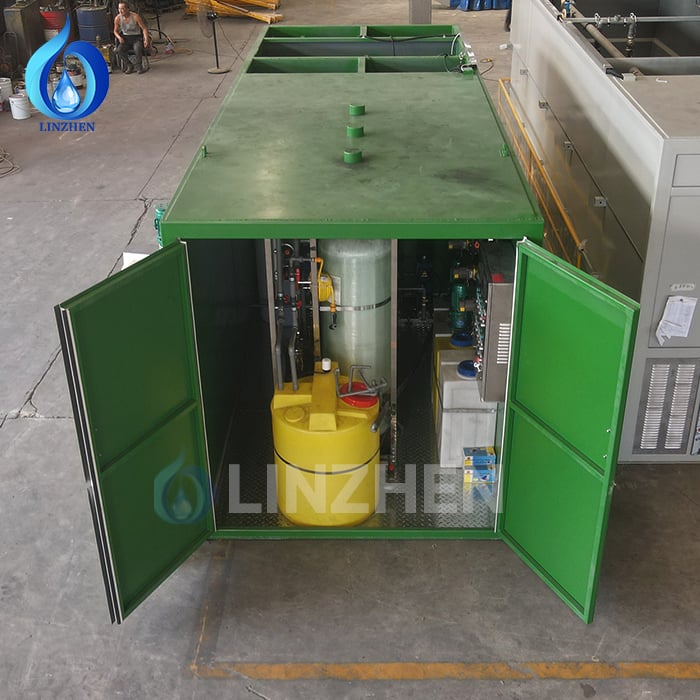
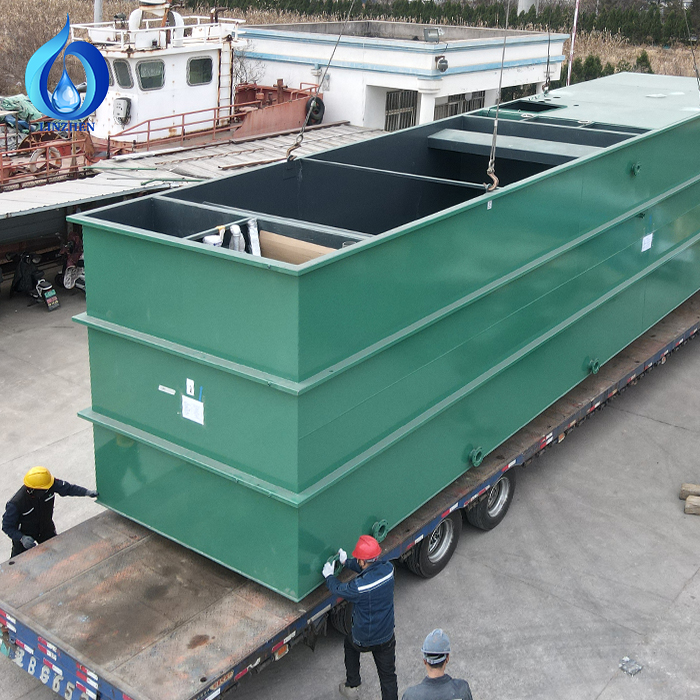
Manufacturing facilities face escalating water costs and regulatory pressure to reduce consumption, making a wastewater recycling system increasingly essential for operational efficiency. By treating and recirculating used water back into production processes, factories can substantially lower their freshwater intake, reduce discharge volumes, and improve their environmental footprint. A wastewater recycling system transforms what was once considered waste into a valuable resource, enabling industrial operations to maintain productivity while meeting sustainability targets and reducing long-term operating expenses.
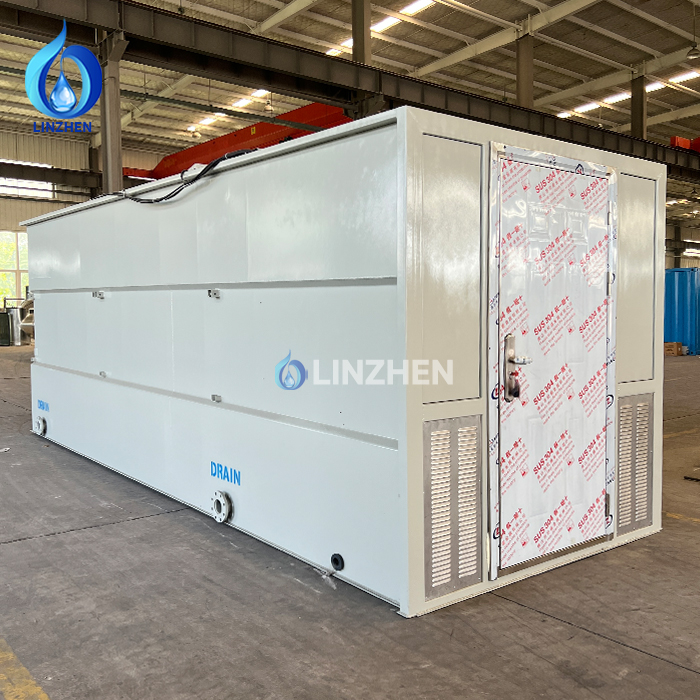
The mechanics of a wastewater recycling system involve multiple treatment stages designed to remove contaminants and prepare water for safe reuse. Understanding how this technology functions helps factory managers make informed decisions about water management strategy and capital investment. Modern industrial facilities increasingly recognize that implementing a comprehensive wastewater recycling system delivers measurable returns through reduced water procurement, lower sewage fees, and enhanced operational resilience.
How a Wastewater Recycling System Processes and Treats Factory Effluent
Primary Treatment and Contaminant Removal
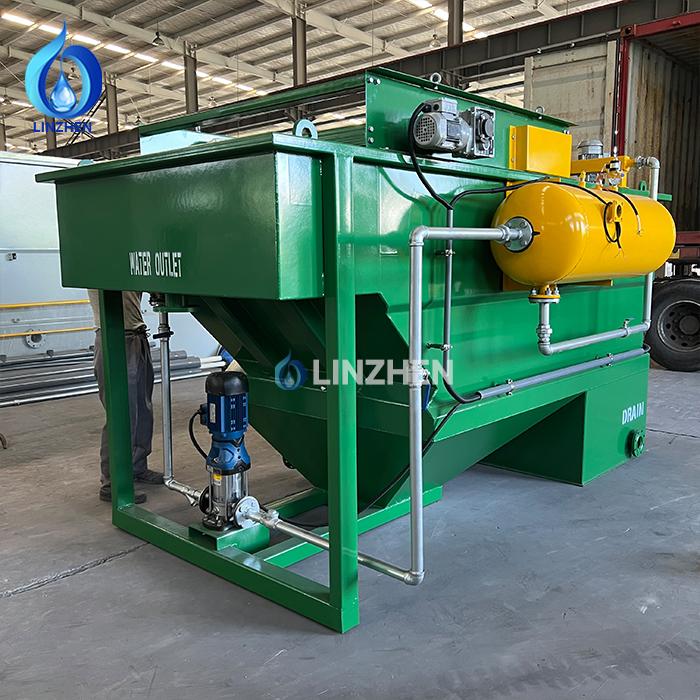
The first stage of any effective wastewater recycling system involves removing suspended solids, oils, and larger particles through physical and chemical processes. Screening, settling tanks, and flotation units separate coarse materials before the water moves to finer treatment phases. A well-designed wastewater recycling system uses clarification to reduce turbidity and organic load, preparing the stream for biological or advanced treatment. This foundational step determines the overall efficiency of the entire wastewater recycling system and affects downstream treatment requirements.
Advanced Treatment and Polishing Stages
After primary treatment, a wastewater recycling system typically employs biological reactors, membrane filtration, or activated carbon absorption to remove dissolved contaminants, nutrients, and residual organics. Ultrafiltration, nanofiltration, or reverse osmosis technologies within a wastewater recycling system ensure that treated water meets industry-specific reuse standards. The final polishing stages of a wastewater recycling system may include disinfection through UV light or ozonation to eliminate pathogens and ensure microbial safety. This multi-barrier approach ensures that water from a wastewater recycling system can be confidently returned to manufacturing processes without compromising product quality or equipment integrity.
Water Consumption Reduction and Cost Savings Through Recycling
Quantifying Freshwater Intake Reduction
Implementing a wastewater recycling system can reduce freshwater consumption by 30 to 70 percent depending on industry type, facility size, and treatment configuration. Textile mills, semiconductor manufacturers, food processing plants, and chemical facilities typically achieve the highest recovery rates with a wastewater recycling system. By recirculating treated water for cooling, washing, or processing applications, a wastewater recycling system minimizes reliance on municipal or groundwater supplies. The immediate impact of a wastewater recycling system on water bills directly improves bottom-line profitability while enhancing supply security during drought conditions or water shortage scenarios.
Financial and Operational Benefits
Beyond water cost savings, a wastewater recycling system reduces discharge fees, wastewater treatment charges, and environmental compliance penalties. Many jurisdictions offer rebates or tax incentives for facilities that install a wastewater recycling system, accelerating payback periods. Lower outbound effluent volumes mean reduced strain on municipal treatment infrastructure, often qualifying facilities for preferential regulatory treatment or discharge permits. A wastewater recycling system also improves operational resilience by creating independence from external water supplies, protecting production continuity during supply disruptions. Companies investing in a wastewater recycling system report enhanced brand reputation, improved stakeholder relations, and competitive advantage in sustainability-conscious markets.
Industry-Specific Applications and Sustainability Impact
Sector-Specific Wastewater Recycling Implementation
Different industries benefit uniquely from a wastewater recycling system tailored to their specific effluent composition and operational requirements. Textile dyeing facilities employ a wastewater recycling system to recover water from washing and dyebath processes, significantly extending production capacity without expanding water infrastructure. Semiconductor fabs use highly specialized a wastewater recycling system to reclaim ultrapure water from rinsing and cooling streams, essential for maintaining product consistency. Food and beverage processors deploy a wastewater recycling system to manage organic-rich effluent and recover clean water for cleaning and auxiliary operations. Each sector's a wastewater recycling system design reflects unique contaminant profiles and reuse pathways, demonstrating the technology's adaptability across manufacturing disciplines.
Environmental and Regulatory Compliance
A wastewater recycling system directly supports environmental sustainability goals by minimizing freshwater extraction from natural sources and reducing pollution discharged to receiving waters. Implementing a wastewater recycling system helps facilities meet increasingly stringent water discharge regulations, water quality standards, and environmental management certifications. The circular economy model enabled by a wastewater recycling system demonstrates corporate environmental responsibility and aligns operations with ESG (Environmental, Social, and Governance) criteria. Progressive factories recognize that a wastewater recycling system is not merely a compliance tool but a strategic investment in long-term operational sustainability and risk mitigation.
FAQ
What types of industries benefit most from a wastewater recycling system?
Industries with high water consumption and high-quality discharge requirements—such as textiles, semiconductors, pharmaceuticals, food processing, and chemicals—see the greatest return on investment from a wastewater recycling system. Facilities in water-stressed regions or those facing stringent discharge limits also prioritize a wastewater recycling system to reduce operational and compliance costs. Any manufacturing operation consuming more than 100,000 gallons daily should conduct a feasibility assessment for a wastewater recycling system.
How long does it typically take to recover the capital investment in a wastewater recycling system?
Payback periods for a wastewater recycling system typically range from 3 to 7 years, depending on local water and wastewater tariffs, facility size, treatment complexity, and available incentives. Facilities in regions with high water costs recover a wastewater recycling system investment more rapidly than those in water-abundant areas. Government subsidies, tax credits, and accelerated depreciation schedules can substantially shorten the return timeline for a wastewater recycling system installation.
Can a wastewater recycling system handle all types of industrial effluent?
While a wastewater recycling system is highly versatile, treatment feasibility depends on contaminant type, concentration, and reuse application. Extremely hazardous waste streams may require specialized pre-treatment before entering a standard wastewater recycling system. Most industrial effluents—cooling water, rinse water, process water, and washwater—can be effectively treated and recycled through properly configured systems. Consulting with treatment specialists ensures that a custom wastewater recycling system design matches your facility's specific effluent characteristics and reuse goals.
 EN
EN