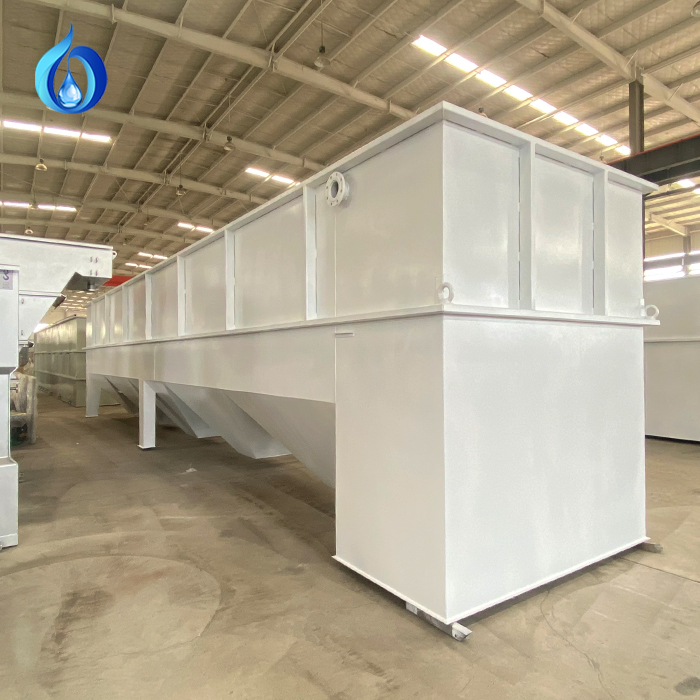
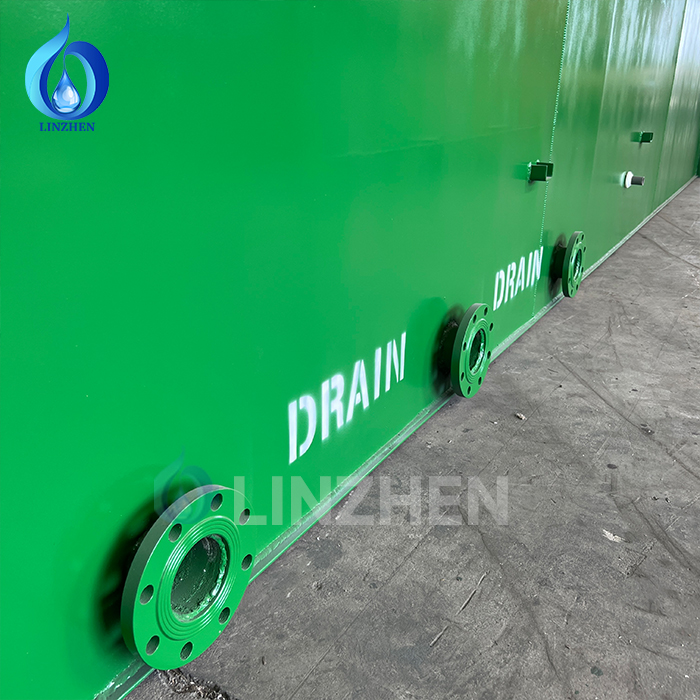
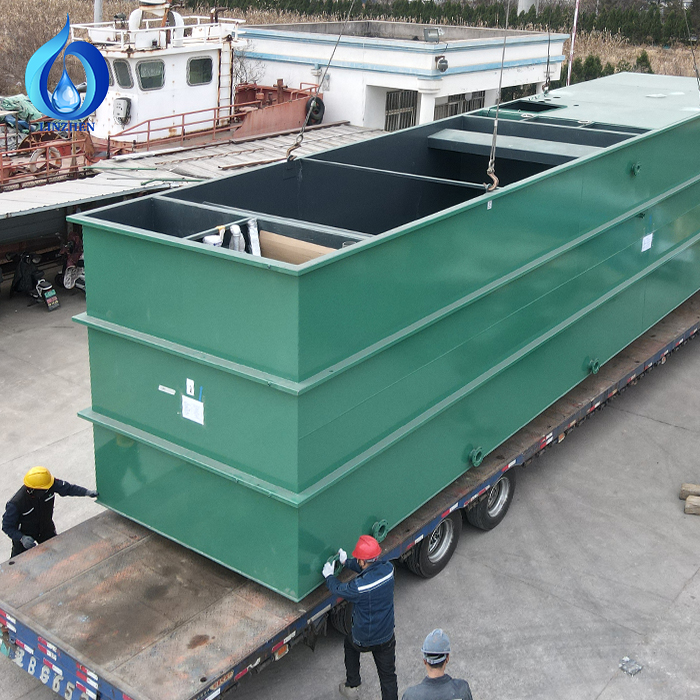
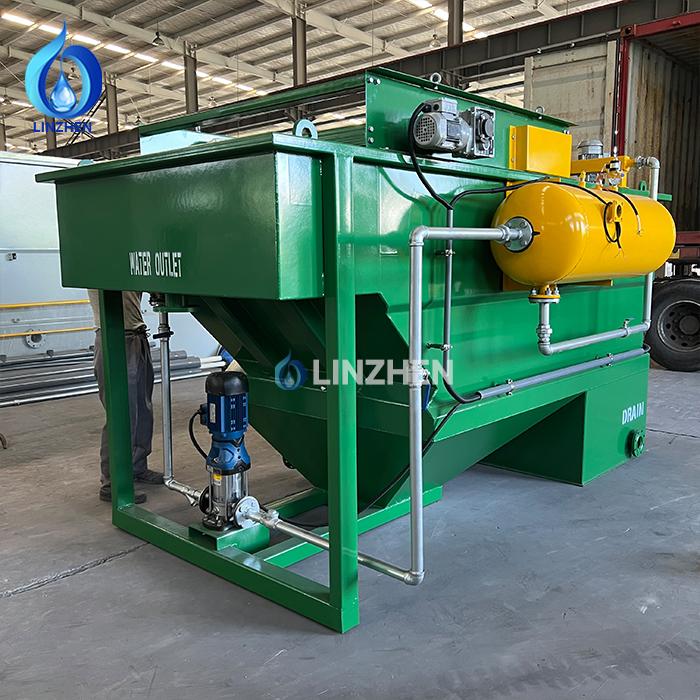
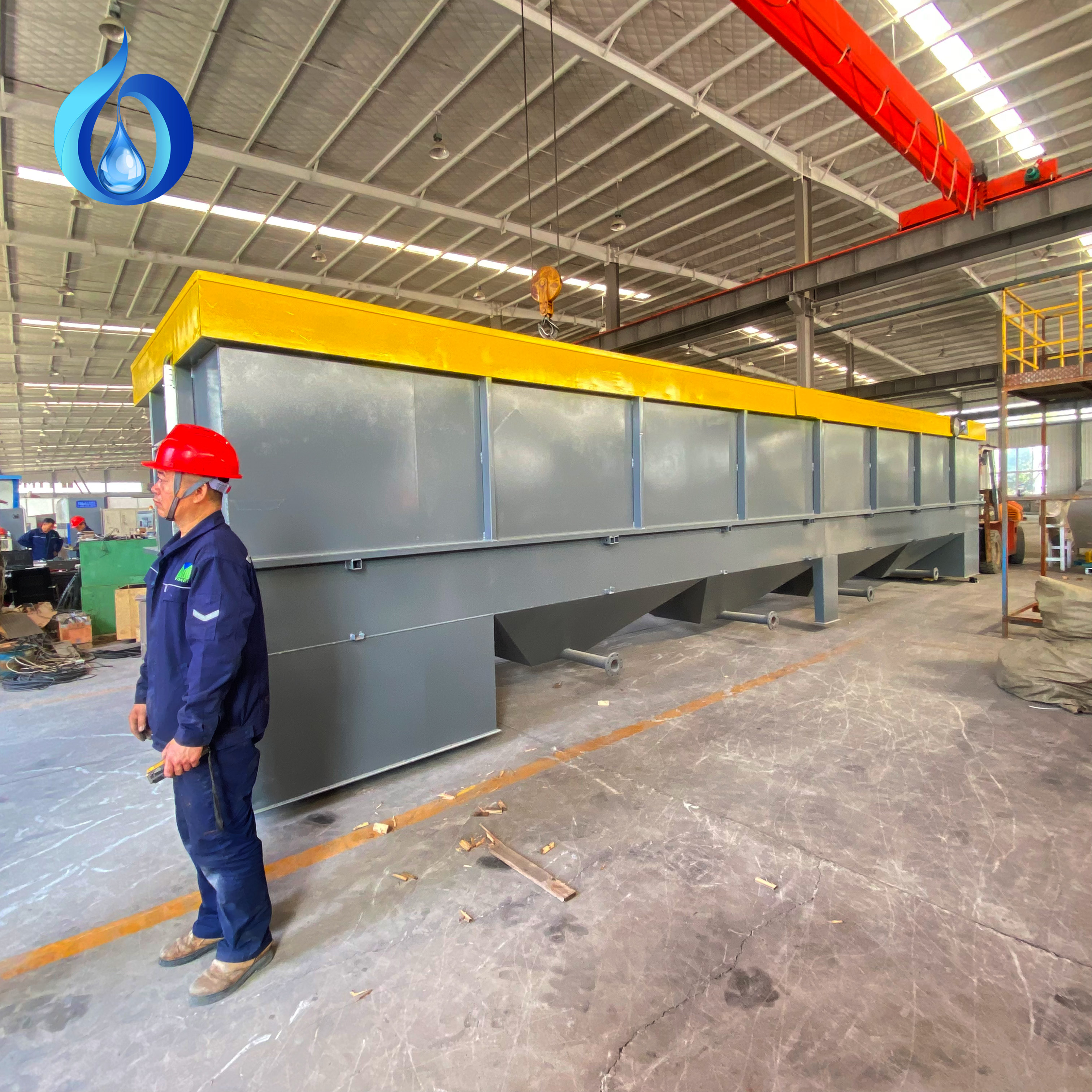
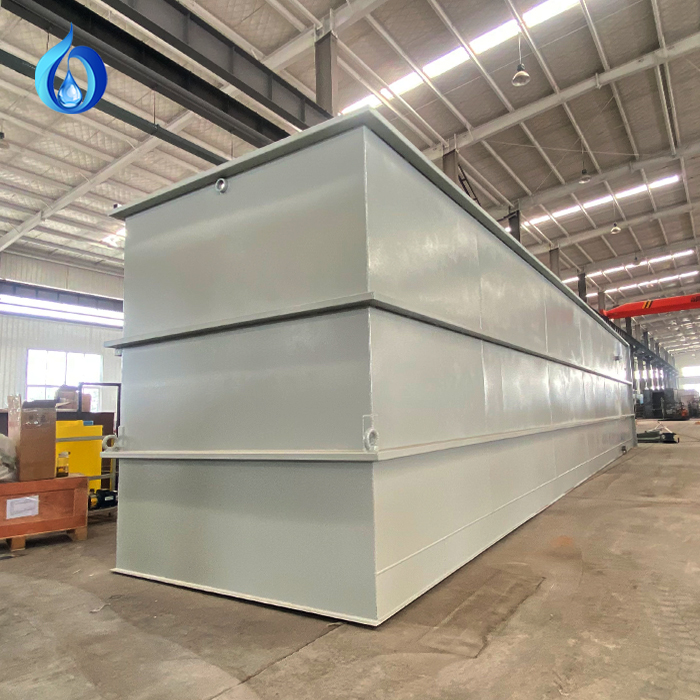
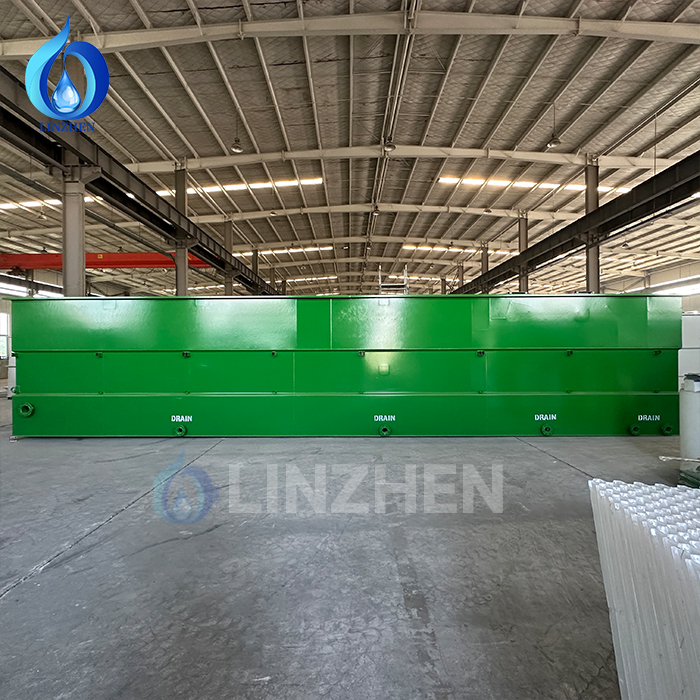
A lamella clarifier represents one of the most efficient approaches to solid-liquid separation when space constraints are critical. By utilizing inclined surfaces within a compact chamber, a modern lamella clarifier achieves remarkable settling rates while occupying a fraction of the footprint required by conventional clarification systems. Industrial facilities facing tight installation areas—from municipal wastewater plants to heavy mining operations—increasingly depend on a lamella clarifier because this compact clarification equipment delivers high throughput without expanding the physical facility footprint.
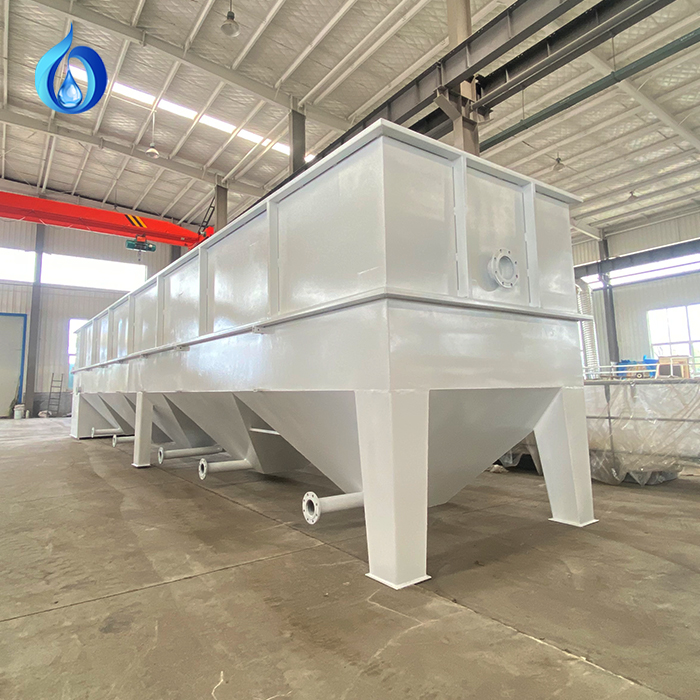
The fundamental advantage of a lamella clarifier lies in its geometric design. Rather than relying on a single large settling basin, a lamella clarifier stacks multiple inclined plates or tubes within one vessel, creating numerous parallel settling zones. Each zone in the lamella clarifier operates independently yet within the same compact chamber, multiplying effective settling area without requiring a proportional increase in equipment size. This innovative approach makes the lamella clarifier an ideal compact clarification solution for retrofit projects and new installations where real estate is expensive or unavailable.
How Inclined Plate Settler Technology Works
Principle of Rapid Solids Settlement
An inclined plate settler relies on a simple yet powerful principle: reducing the distance solids must travel to reach a collection surface. In a traditional flat-bottomed tank, particles settle vertically at their natural sedimentation rate. With an inclined plate settler, particles only need to travel a short perpendicular distance before contacting an angled surface, sliding downward to the sludge collection zone. Integrating an inclined plate settler into a lamella clarifier dramatically accelerates effective settling velocity and reduces residence time.
The tube settler module operates on the same principle using tubular channels instead of flat plates. Both configurations share the same advantage: by increasing effective settling surface area within a minimal footprint, the inclined plate settler and tube settler module enable operators to process significantly higher volumetric flows through a single compact vessel. This is why the high rate clarifier designation applies to these systems—a lamella clarifier achieves clarification rates many times faster than conventional settling basins.
Geometric Efficiency and Flow Patterns in a Lamella Clarifier
The internal arrangement within a lamella clarifier creates a laminar flow pattern through multiple parallel channels. Influent enters the lamella clarifier, distributes evenly across all active settling zones, and flows slowly through each inclined passage. During transit through the lamella clarifier, suspended solids separate from liquid and settle onto the plate or tube surface. Clarified liquid rises through the upper sections of the lamella clarifier and exits as overflow, while thickened sludge slides toward the collection hopper. This uniform distribution inside the lamella clarifier prevents short-circuiting and maximizes overall performance.
Compact Footprint and Installation Advantages
Space Efficiency for Retrofit and New Build Projects
One of the most compelling reasons facilities select a lamella clarifier is the dramatic reduction in floor space. A conventional clarifier tank might require 500 to 1,000 square meters to achieve equivalent throughput. A high rate clarifier using an inclined plate settler or tube settler module design can achieve the same clarification capacity in 50 to 150 square meters. A lamella clarifier provides transformative compact clarification benefits for urban wastewater treatment plants, industrial recycling centers, and manufacturing plants where land availability restricts expansion. Deploying a lamella clarifier with inclined plate settler technology allows operators to upgrade treatment capacity without relocating equipment or buying land.
Operational Benefits of a Compact Lamella Clarifier
Beyond footprint reduction, a lamella clarifier delivers key operational advantages. Lower liquid volume inside the lamella clarifier means faster turnover rates and quicker response to feed changes. A tube settler module configuration and an inclined plate settler both enable easy inspection and maintenance because all critical surfaces in the lamella clarifier remain accessible. Sludge withdrawal in a lamella clarifier is highly efficient because the hopper concentrates settled solids in a defined zone. Additionally, the smaller footprint of a lamella clarifier translates to lower construction costs, reducing the capital burden for facilities investing in compact clarification upgrades.
Performance Metrics and Practical Applications
Settling Rate and Treatment Capacity
A high rate clarifier routinely achieves surface loading rates of 4 to 12 meters per hour, compared to 0.5 to 2 meters per hour for conventional basins. This efficiency stems directly from the inclined plate settler geometry and the tube settler module design inside the lamella clarifier. A lamella clarifier can process feed streams with suspended solids ranging from a few hundred milligrams per liter to several thousand milligrams per liter. Industries including mineral processing, oil and gas produced water, pulp and paper operations, and municipal wastewater plants benefit from adopting a lamella clarifier as their primary high rate clarifier system.
Sludge Concentration and Removal in a Lamella Clarifier
Because particles settle rapidly onto inclined surfaces and slide toward the hopper, a lamella clarifier concentrates solids more effectively than conventional designs. Settled sludge in a lamella clarifier reaches densities of 10 to 15 percent solids, reducing the volume requiring subsequent dewatering or disposal. The tube settler module and inclined plate settler configurations inside a lamella clarifier produce concentrated underflow, making the lamella clarifier an essential compact clarification system for optimizing chemical and hauling expenses.
FAQ
What is the difference between an inclined plate settler and a tube settler module in a lamella clarifier?
Both designs apply rapid solids settlement using angled surfaces inside a lamella clarifier. An inclined plate settler uses flat parallel plates, while a tube settler module employs tubular channels. Plate designs are typically easier to clean, while tube settlers offer slightly higher packing density inside the lamella clarifier.
How much space does a lamella clarifier save compared to conventional clarifiers?
A lamella clarifier typically requires 10 to 20 percent of the floor area needed by a conventional basin. A high rate clarifier utilizing an inclined plate settler delivers effective compact clarification with an 80 to 90 percent footprint reduction, making the lamella clarifier invaluable for space-constrained facilities.
What industries benefit most from a high rate clarifier and lamella clarifier?
Industries including municipal wastewater treatment, mining, food production, and oil and gas rely heavily on a lamella clarifier. Facilities seeking a high rate clarifier with a tube settler module gain significant operational and economic advantages by installing a lamella clarifier for their compact clarification needs.
 EN
EN