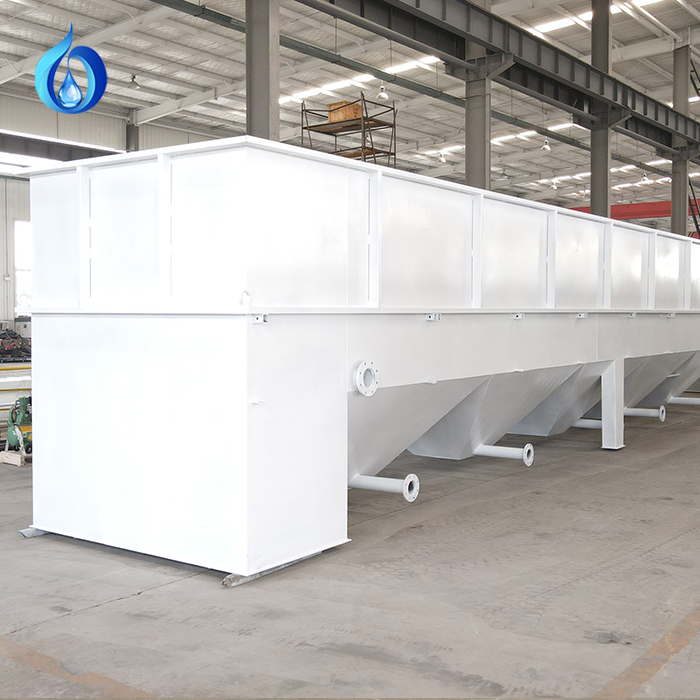
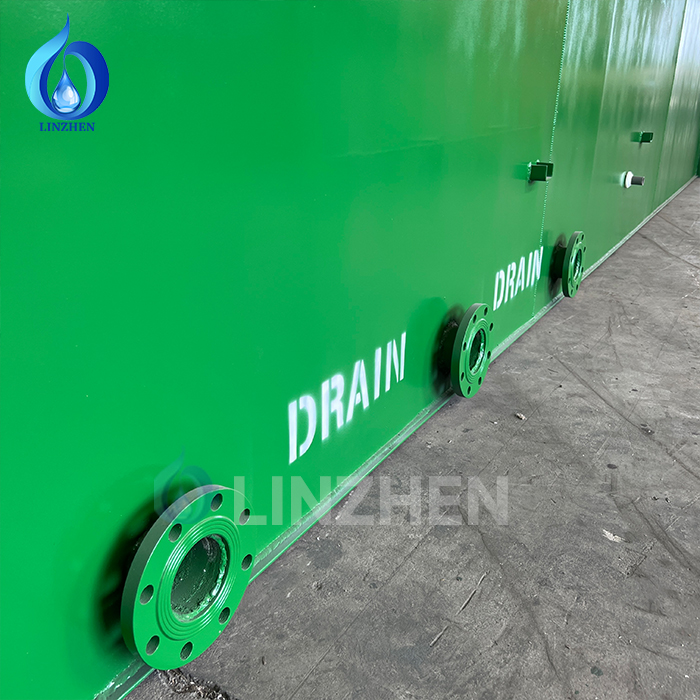
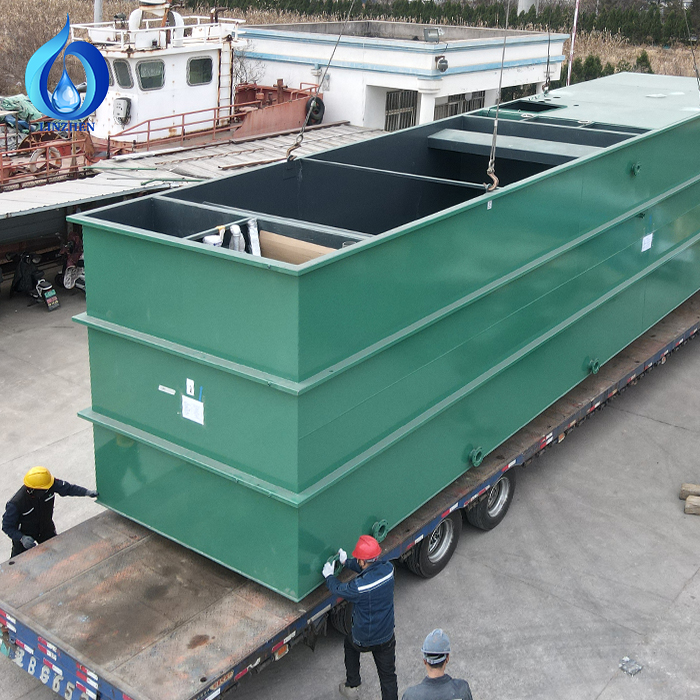
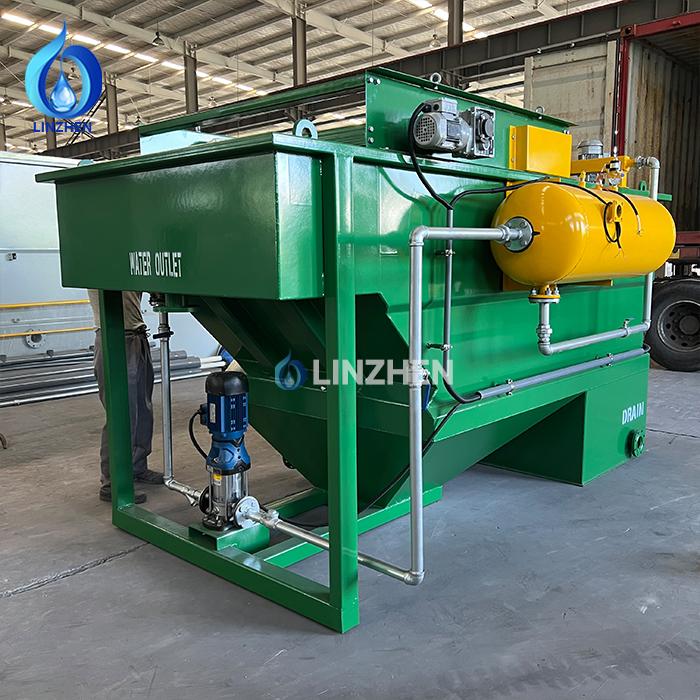
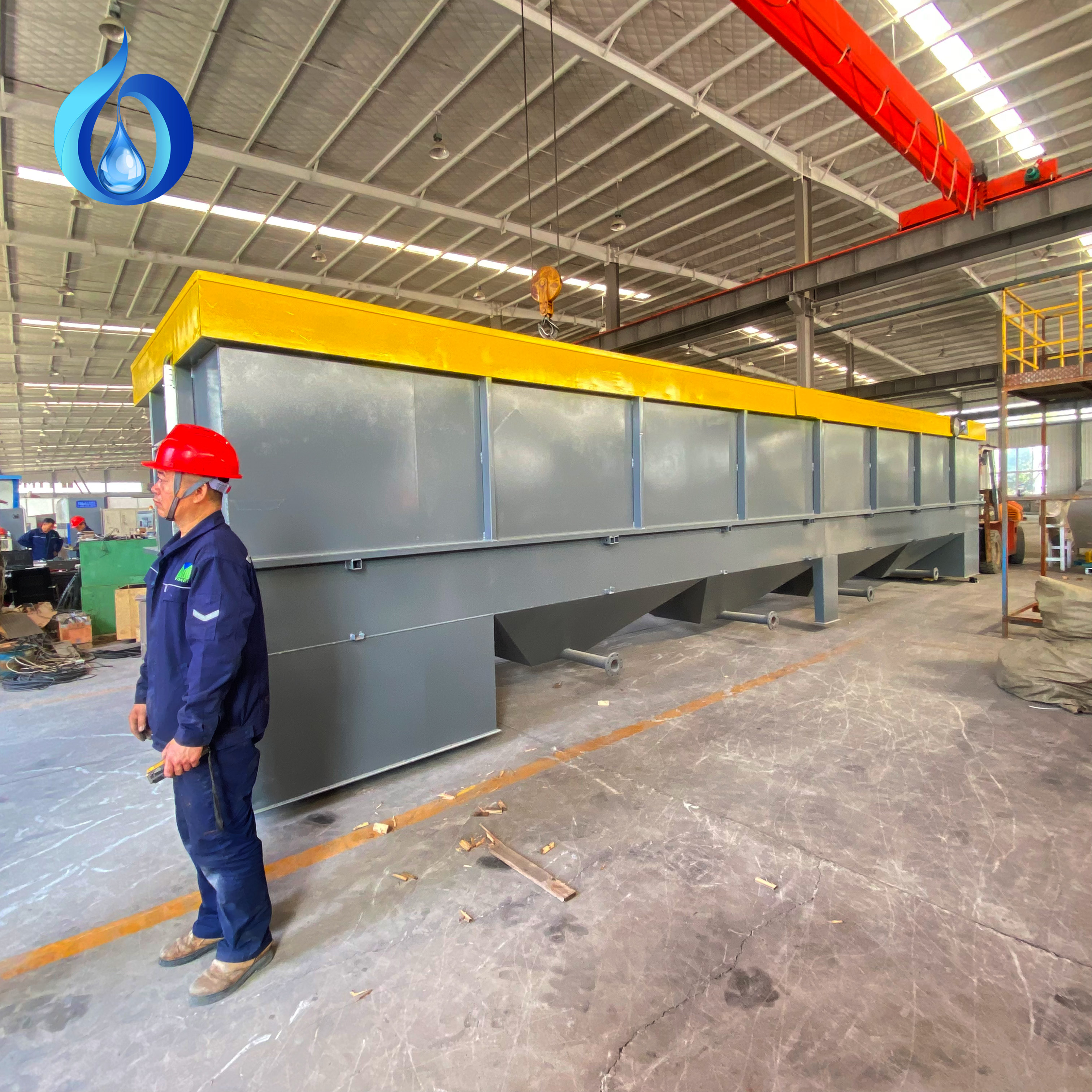
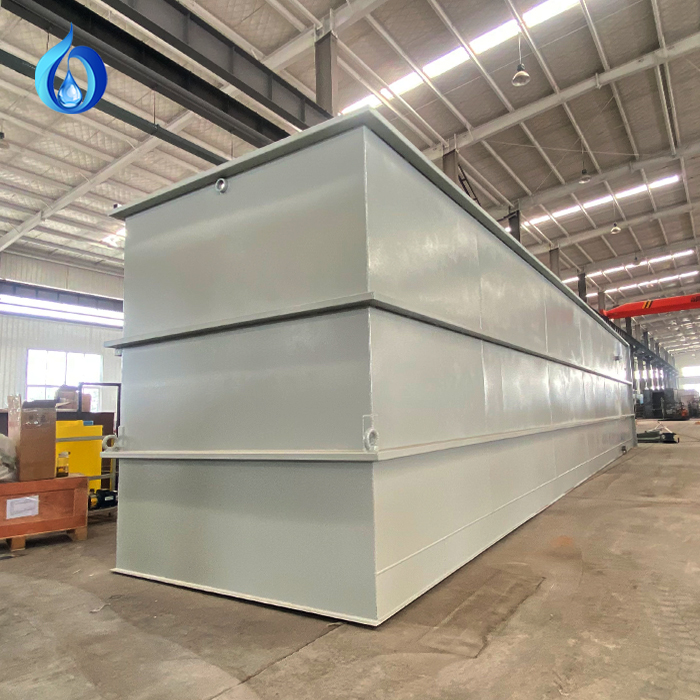
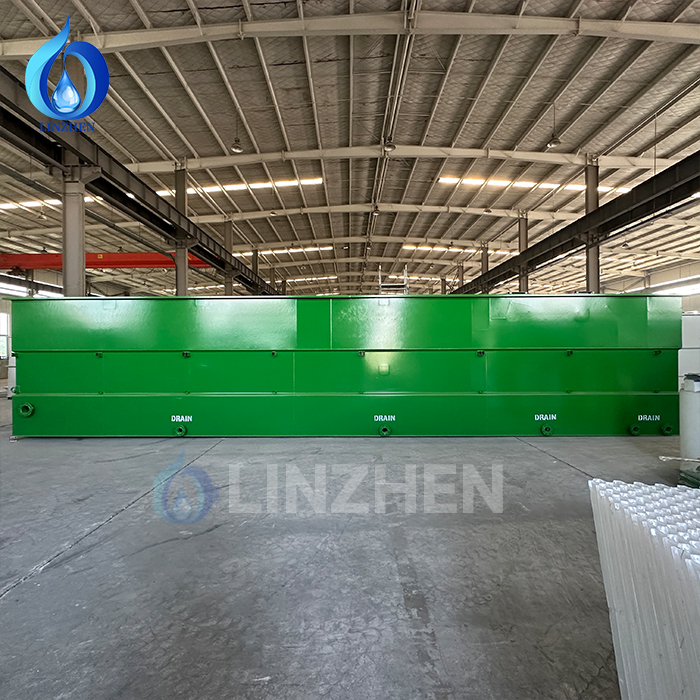
A lamella clarifier represents a breakthrough in wastewater treatment design, delivering exceptional settling efficiency without requiring expansive tank footprints. Traditional clarifiers demand substantial horizontal space and longer retention times, making them costly to construct and operate in space-constrained facilities. A lamella clarifier solves this challenge by using inclined parallel plates that dramatically increase the effective settling surface area within a compact vessel, allowing solids to settle faster and clearer effluent to exit the system more reliably.
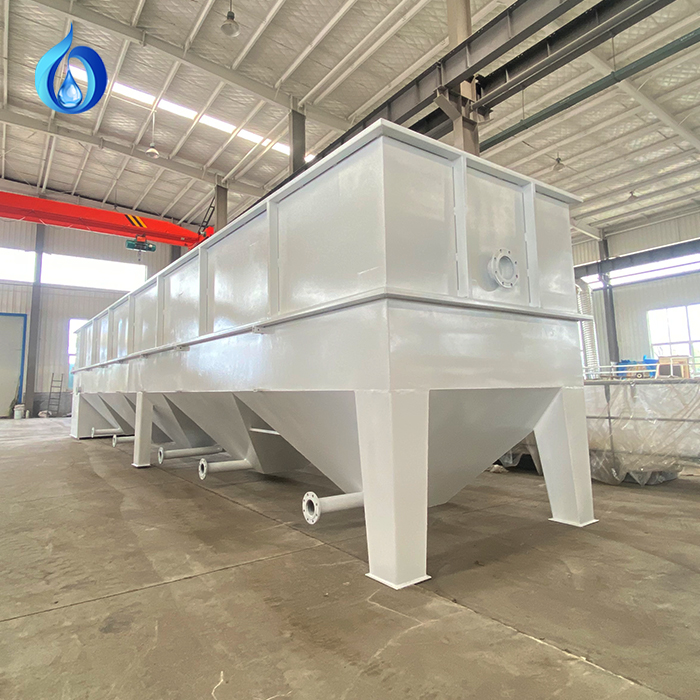
Industrial operators, municipal treatment plants, and environmental engineers increasingly choose lamella clarifier technology because it balances performance with economic efficiency. Understanding how a lamella clarifier achieves this improvement requires examining the physics of particle settling, the geometry of inclined plate arrangements, and the practical benefits that translate into lower capital costs, reduced chemical use, and improved water quality outcomes.
How Inclined Plates Increase Settling Surface Area
The Principle of Lamella Clarifier Design
A lamella clarifier employs dozens or even hundreds of thin, parallel plates arranged at an incline—typically 45 to 60 degrees from horizontal. Instead of relying on gravity alone in a large, open tank, particles settle onto these plates, accumulate, and slide down toward a collection hopper at the bottom. The key advantage is that each plate in a lamella clarifier acts as a miniature settling surface, so the total effective area becomes many times larger than the plan area of the vessel itself.
In a conventional clarifier, wastewater travels horizontally through a large tank and particles settle vertically to the floor. A lamella clarifier compresses this settling distance dramatically. Instead of waiting for particles to fall the full depth of a tank, solids in a lamella clarifier need only settle a few inches before contacting a plate, then gravity pulls them downward along the incline. This geometry multiplies effective settling capacity without enlarging the equipment footprint.
Surface Area Multiplication and Residence Time Reduction
A conventional clarifier with 1,000 square feet of tank area offers exactly 1,000 square feet of settling surface. A lamella clarifier with the same external plan area can achieve 10,000 to 15,000 square feet of plate surface, depending on plate spacing and count. This multiplication means hydraulic residence time—the time wastewater spends in the vessel—drops from hours to minutes. Shorter residence time in a lamella clarifier means faster throughput, smaller capital equipment, and lower land requirements for treatment facilities operating under space constraints.
Settling Efficiency Gains and Space Optimization
Improved Solids Removal and Effluent Clarity
A lamella clarifier typically achieves solids removal rates of 85 to 95 percent, compared to 70 to 80 percent in conventional clarifiers operating at similar flow rates. The reason is straightforward: more settling surface means more particles contact plates and settle out. Smaller particles and slow-settling solids that might escape a conventional system remain in contact with a lamella clarifier plate long enough to settle. Effluent turbidity drops, and downstream filtration or disinfection steps require less chemical adjustment, reducing operational costs.
The inclined geometry also creates gentler flow conditions within a lamella clarifier, reducing turbulence and shear that might re-suspend settled solids. Wastewater approaching each plate travels at low velocity, allowing time for floc formation and consolidation. This hydraulic gentleness, combined with high surface area, is why a lamella clarifier consistently outperforms conventional designs in handling poorly settling or colloidal suspensions.
Compact Footprint and Capital Cost Reduction
A lamella clarifier occupies a fraction of the floor space required by a conventional tank offering equivalent treatment capacity. Where a municipal facility might need a 150-foot diameter circular clarifier, a lamella clarifier handling the same flow can fit into a 30-by-40-foot rectangular vessel. This footprint reduction translates directly into lower land costs, simpler site layout, and faster construction timelines.
Smaller equipment also means reduced steel fabrication, concrete foundation requirements, and installation labor. A lamella clarifier retrofit into existing facilities often avoids the disruption of major site reconfiguration. Capital savings of 30 to 50 percent versus conventional clarifier installation are common, and these savings justify the moderately higher unit cost of the lamella clarifier technology itself.
Operational Benefits and Long-Term Performance
Reduced Sludge Generation and Handling
Because a lamella clarifier achieves higher removal efficiency, less suspended solids remain in the treated water, reducing the burden on downstream treatment steps. Simultaneously, settled sludge concentrates more effectively in the collection hopper beneath the plates. A lamella clarifier typically produces sludge with higher solids concentration—often 3 to 5 percent—compared to 1 to 2 percent from conventional clarifiers. More concentrated sludge requires less volume for handling, storage, and disposal, cutting disposal costs and reducing environmental footprint.
The plates in a lamella clarifier system are designed for easy cleaning and maintenance. If biological growth or chemical scaling occurs on plates, they can be inspected and cleaned without dismantling the entire vessel. Sludge removal from a lamella clarifier can be continuous or intermittent, depending on flow variability and facility preference, providing operational flexibility that conventional clarifiers cannot match.
Energy Efficiency and Chemical Optimization
A lamella clarifier operates using gravity alone—no mechanical rake arms, no rotating mechanisms, and minimal energy input compared to conventional clarifiers with mechanical collection systems. Operating costs drop substantially because no motors run continuously. Where coagulation chemistry is required, a lamella clarifier allows operators to use lower coagulant doses because the extended plate surface provides more opportunity for particle contact and settling. Lower chemical consumption reduces both material cost and sludge volume, further lowering operational expense.
Treatment plants using a lamella clarifier report that variable flow conditions—common in municipal systems with storm-driven peaks—are handled more smoothly. The high surface area provides buffer capacity, so temporary flow surges do not bypass solids as readily. This resilience reduces the need for oversized equipment or complex flow equalization systems, simplifying overall process control.
FAQ
What is the minimum water depth required in a lamella clarifier?
A lamella clarifier typically operates with an effective depth of 4 to 8 feet, though the plates themselves occupy only 1 to 3 feet of vertical space. The remaining depth accommodates inlet distribution, settling zones, and sludge collection beneath the plates. Specific depth depends on flow rate, particle size distribution, and target removal efficiency, so each lamella clarifier is sized individually for its application.
How often do the plates in a lamella clarifier need cleaning?
Plate cleaning frequency depends on influent characteristics. In most municipal and industrial wastewater applications, a lamella clarifier plate requires manual or automated cleaning every 6 to 12 months. However, systems treating biologically active or highly fouling water may require more frequent attention. The modular design of a lamella clarifier allows inspection and cleaning of sample plates without stopping the full treatment process, making maintenance straightforward compared to conventional equipment.
Can a lamella clarifier handle shock loads or flow surges?
Yes, a lamella clarifier handles temporary flow spikes better than conventional clarifiers because the high plate surface area provides immediate buffer capacity. When flow increases suddenly, particles in a lamella clarifier have more settling opportunity, so bypass and carryover are reduced. However, extreme sustained overloads will degrade performance in any clarifier; a properly sized lamella clarifier includes design margin for expected peak flows plus a safety factor to ensure reliable operation under real-world conditions.
 EN
EN