Choosing an appropriate wastewater treatment system represents one of the most critical infrastructure decisions a factory can make. The right wastewater treatment system protects environmental compliance, reduces operational costs, and ensures sustainable production practices. Industrial facilities discharge millions of gallons of water daily, and without a properly selected wastewater treatment system, both regulatory penalties and reputational damage become inevitable risks. This guide walks you through the essential factors that should influence your wastewater treatment system selection, helping you navigate technical specifications, cost considerations, and long-term operational requirements.
Selecting a wastewater treatment system requires balancing multiple competing priorities: environmental regulations, budget constraints, space limitations, and future scalability. No single wastewater treatment system works optimally for all industrial sectors or facility sizes. Understanding your specific discharge requirements, contaminant profiles, and regulatory obligations forms the foundation of intelligent decision-making. This article explores the core selection criteria, technology evaluation frameworks, and implementation strategies that lead to successful wastewater treatment system installations.
Understanding Your Wastewater Characteristics and Discharge Requirements
Identifying Contaminant Profiles and Treatment Needs
Every factory produces wastewater with distinct chemical, biological, and physical characteristics. Before evaluating any wastewater treatment system, you must conduct comprehensive wastewater analysis to understand pollutant concentrations, suspended solids levels, pH balance, temperature, and organic content. A textile manufacturing facility's wastewater differs fundamentally from pharmaceutical production discharge, which requires completely different treatment approaches than food processing facilities. Your chosen wastewater treatment system must specifically target the contaminants present in your discharge stream. This detailed characterization prevents purchasing oversized, undersized, or inappropriate treatment technologies that fail to meet regulatory standards or waste capital investment.
Meeting Regulatory and Environmental Standards
Local, national, and international environmental regulations establish non-negotiable discharge standards that your wastewater treatment system must achieve consistently. Different jurisdictions impose varying limits on biochemical oxygen demand, chemical oxygen demand, total suspended solids, heavy metals, nutrients, and other parameters. Your wastewater treatment system selection directly determines whether your facility maintains compliance or faces fines, operational shutdowns, and legal liability. Regulatory requirements often evolve, making future-proof flexibility an important characteristic of your chosen wastewater treatment system. Engineers should evaluate whether a particular wastewater treatment system can be retrofitted or expanded to accommodate stricter future standards without complete replacement.
Evaluating Technology Options and Treatment Processes
Primary, Secondary, and Tertiary Treatment Considerations
Industrial wastewater treatment systems typically employ multiple treatment stages: primary treatment removes large solids and settable materials, secondary treatment biologically degrades organic compounds, and tertiary treatment polishes effluent to meet final discharge standards. Your wastewater treatment system must integrate the appropriate combination of these stages based on your specific contaminant profile and regulatory requirements. Some factories require only primary treatment, while others need comprehensive tertiary treatment incorporating advanced oxidation or membrane technologies. Evaluating your wastewater treatment system options means assessing which treatment stages directly address your identified contaminants cost-effectively. Oversizing your wastewater treatment system with unnecessary stages increases capital and operational expenses, while undersizing creates compliance failures.
Comparing Conventional and Advanced Treatment Technologies
Conventional wastewater treatment systems employ biological processes, settling tanks, and filtration. Advanced treatment technologies include membrane bioreactors, reverse osmosis, activated carbon adsorption, and chemical oxidation systems. Your wastewater treatment system choice depends on required treatment quality, available space, maintenance capacity, and operational budget. Conventional wastewater treatment systems generally cost less initially but require larger footprints and longer retention times. Advanced wastewater treatment systems provide superior treatment quality and smaller physical profiles but demand higher operational expertise and monitoring. The appropriate wastewater treatment system balances capital investment, operational complexity, maintenance requirements, and treatment performance against your facility's specific constraints and long-term objectives.
Assessing Capacity, Space, and Integration Requirements
Calculating Appropriate Treatment Capacity and Future Scalability
Selecting the correct wastewater treatment system size represents a crucial decision with long-term financial consequences. Oversized systems waste capital and operational resources, while undersized systems fail to handle peak flows or seasonal variations, risking compliance violations. Your wastewater treatment system must process average daily flows comfortably while accommodating peak seasonal or operational demands. Many facilities underestimate wastewater volume growth, requiring premature system expansion or replacement. When evaluating your wastewater treatment system options, examine whether designs allow modular expansion, additional tank capacity, or flow redirection to handle future production increases. This forward-thinking approach prevents costly retrofitting and maintains regulatory compliance through facility growth.
Space Planning and Equipment Integration
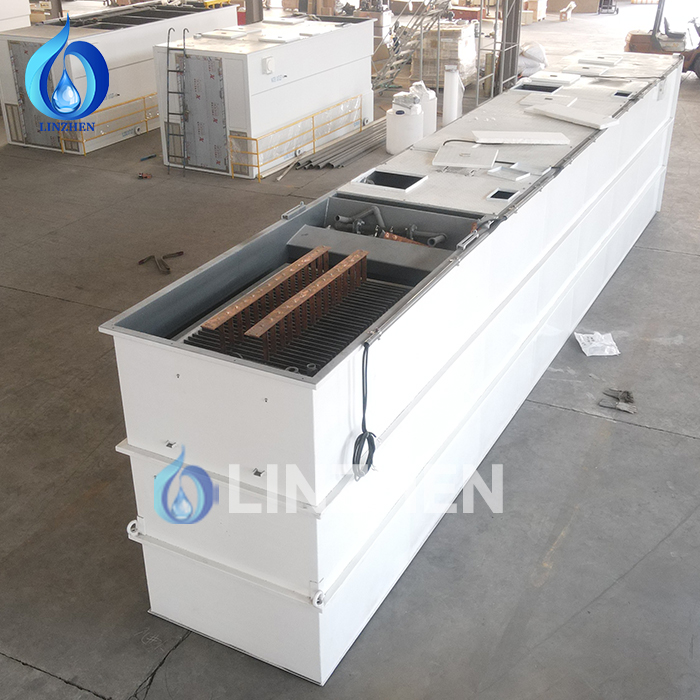
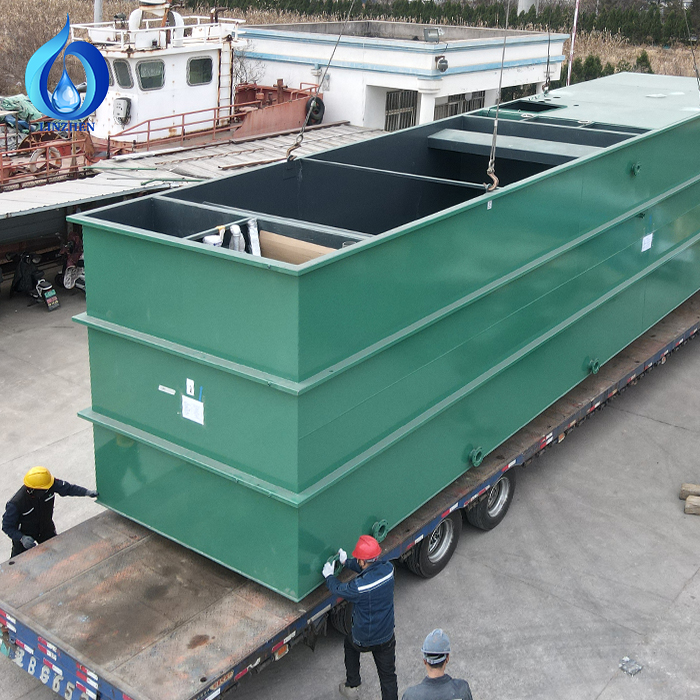
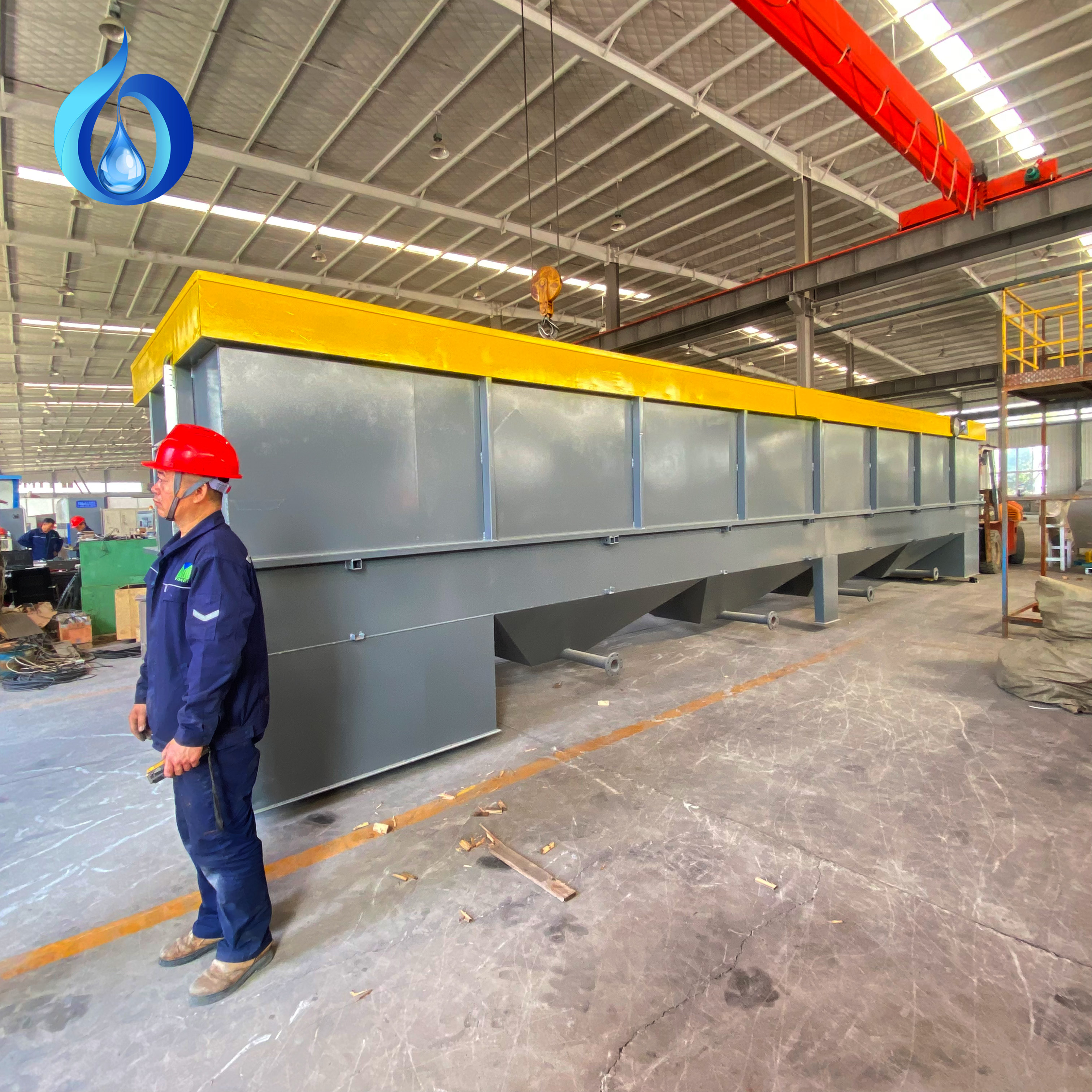
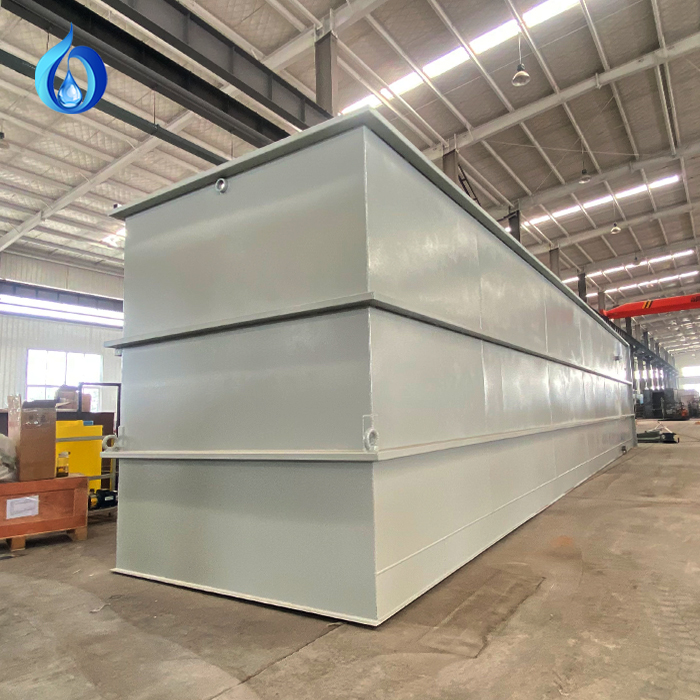
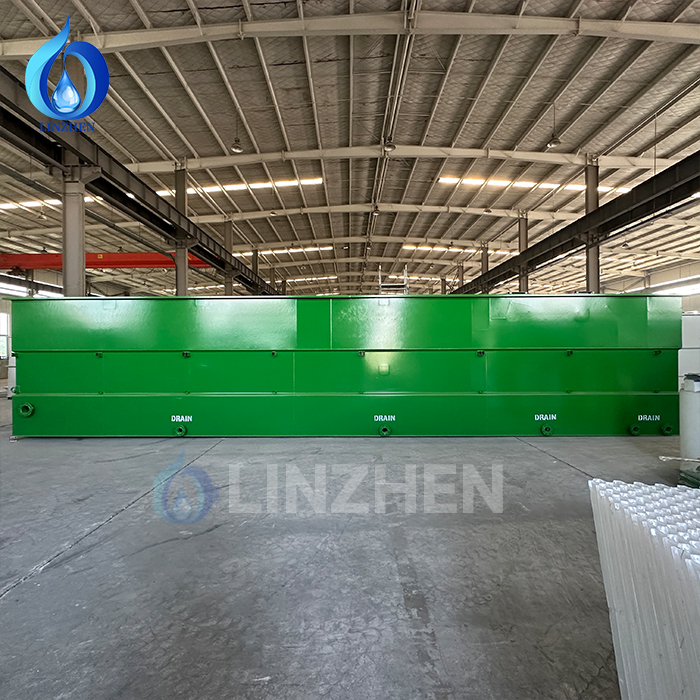
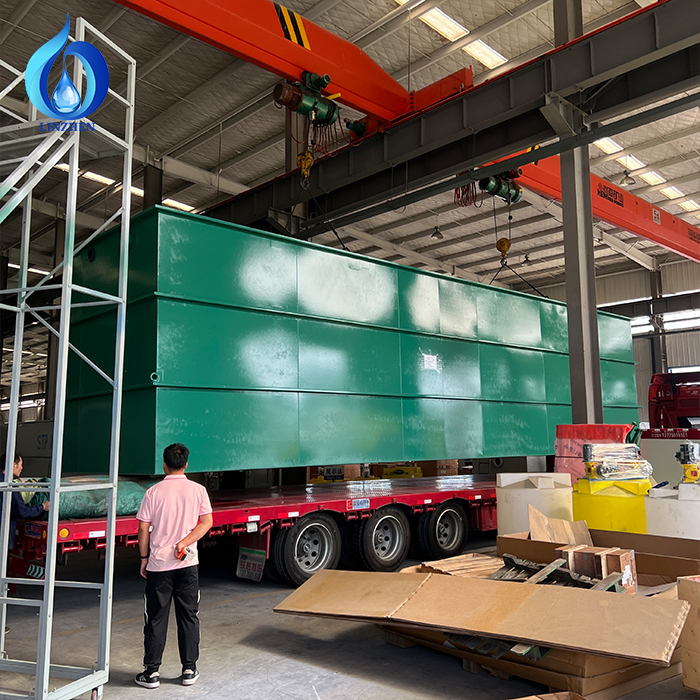
Physical site constraints significantly influence wastewater treatment system selection and design. Urban facilities with limited land may require vertical-stacking, compact wastewater treatment systems, while industrial parks offer space for distributed treatment approaches. Your wastewater treatment system footprint affects installation timelines, construction costs, and operational accessibility for maintenance. Consider whether your wastewater treatment system can utilize existing structures, whether treatment tanks can be installed indoors or underground, and whether equipment spacing permits routine inspections and component replacements. Integrating your wastewater treatment system with existing infrastructure—drainage systems, water recycling loops, or sludge handling facilities—influences overall project complexity and total cost of ownership.
Financial Analysis and Operational Considerations
Comparing Capital Investment and Lifecycle Costs
Initial equipment cost represents only one component of wastewater treatment system financial analysis. Energy consumption for aeration, pumping, and treatment processes creates ongoing operational expenses. Your wastewater treatment system requires chemical costs for coagulation, disinfection, or pH adjustment, plus labor expenses for operation and maintenance. Sludge disposal from your wastewater treatment system represents a significant recurring cost often overlooked during initial planning. Total lifecycle cost analysis over 10–20 years provides more accurate financial comparison than purchase price alone. When selecting your wastewater treatment system, calculate annual operational expenses, anticipated maintenance frequency, chemical consumption, and equipment replacement schedules. This comprehensive financial modeling reveals which wastewater treatment system options deliver best value and prevents selecting apparently cheaper systems that generate hidden operational costs.
Automation and Monitoring Capabilities
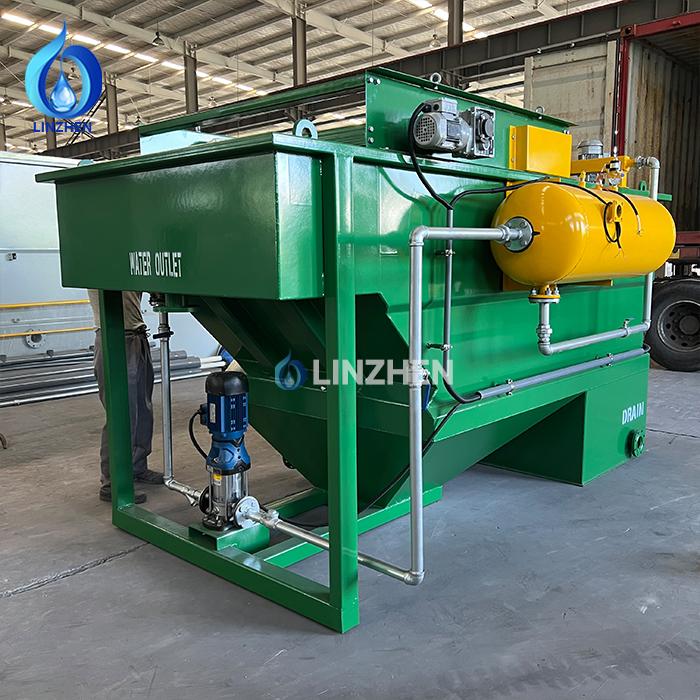
Modern industrial wastewater treatment systems increasingly incorporate automated controls, real-time monitoring, and predictive maintenance features. Advanced wastewater treatment system controls optimize treatment efficiency, reduce chemical dosing, and maintain consistent output quality. Automated monitoring of your wastewater treatment system parameters—pH, dissolved oxygen, turbidity, flow rate—enables rapid response to operational problems before compliance violations occur. wastewater treatment system solutions with automated PLC controls reduce operator workload, improve reliability, and generate valuable operational data. Evaluating your wastewater treatment system options should include assessing automation levels, data logging capabilities, alert systems, and remote monitoring potential. These features enhance operational efficiency, support compliance documentation, and facilitate troubleshooting.
FAQ
What factors should I prioritize when selecting a wastewater treatment system?
Prioritize understanding your specific wastewater characteristics, regulatory discharge requirements, treatment capacity needs, and available budget. Your wastewater treatment system must address your facility's actual contaminants and meet applicable environmental standards. Consider both capital investment and long-term operational costs, including energy, chemicals, maintenance, and sludge disposal. Evaluate whether your wastewater treatment system can scale as your facility grows. Finally, assess your organization's operational capacity to manage and maintain the chosen wastewater treatment system technology level.
Can I install a wastewater treatment system retrofit in an existing facility?
Yes, retrofitting an existing facility with a new wastewater treatment system is common, but success depends on available space, existing infrastructure compatibility, and regulatory approval. Your wastewater treatment system retrofit may utilize existing tanks, drainage connections, or treatment ponds, reducing costs. However, retrofit installations often require more careful engineering than greenfield projects to minimize production disruptions. Before committing to a specific wastewater treatment system retrofit design, conduct site surveys, infrastructure compatibility assessments, and regulatory pre-approvals. Work with experienced engineers familiar with your facility type to identify the best wastewater treatment system retrofitting approach.
How often does a wastewater treatment system require maintenance and monitoring?
Your wastewater treatment system maintenance frequency depends on technology type, operational conditions, and local regulations. Most wastewater treatment systems require daily operator monitoring of key parameters, weekly equipment inspections, and monthly maintenance tasks. Biological treatment systems need regular sludge removal and recycling, typically weekly or monthly. Chemical treatment systems require consumable replacement and equipment calibration. Annual professional inspections and servicing maintain wastewater treatment system reliability and performance. Document all wastewater treatment system maintenance activities for regulatory compliance and equipment warranty protection.
 EN
EN