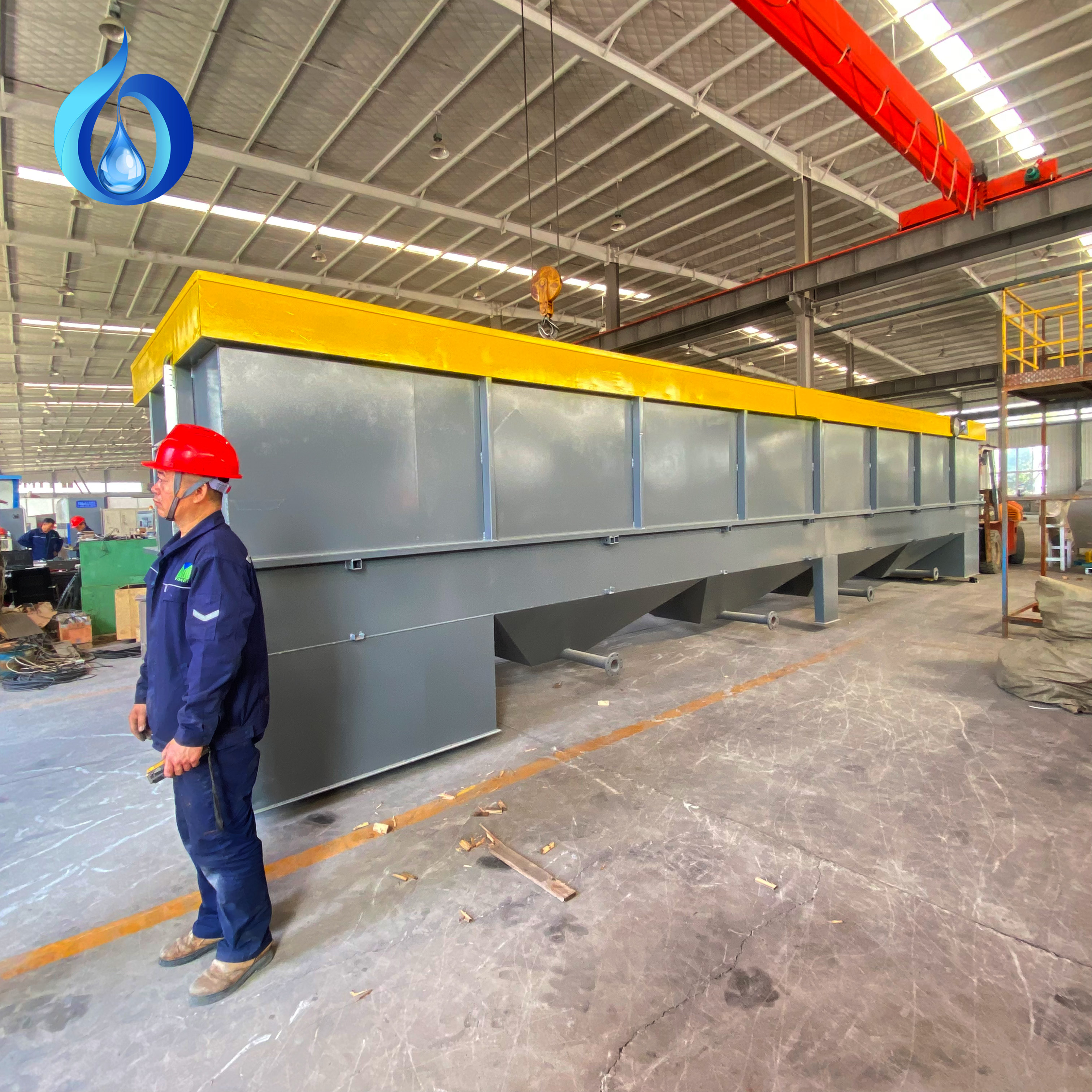
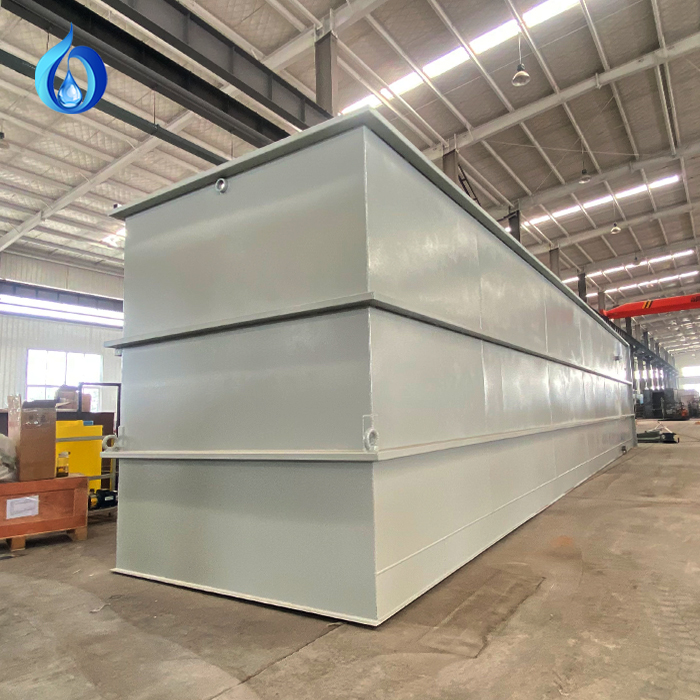
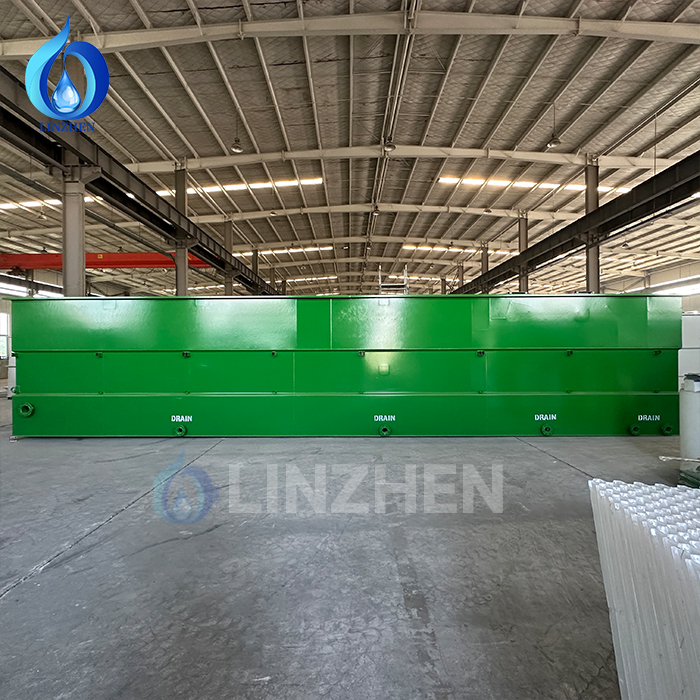
Membrane fouling remains one of the most critical operational bottlenecks in biological filtration facilities, making proactive MBR membrane fouling control essential for long-term plant stability. As bioreactors process varying fluid volumes, biological growth, soluble microbial products, and inorganic particles gradually settle on membrane surfaces, restricting hydraulic permeability and necessitating frequent chemical flushes. Developing a fundamental understanding of these deposition mechanisms allows operators to implement effective wastewater membrane fouling management protocols. Establishing structured preventive controls significantly reduces energy consumption, extends filtration component longevity, and optimizes overall system efficiency across industrial and municipal applications.
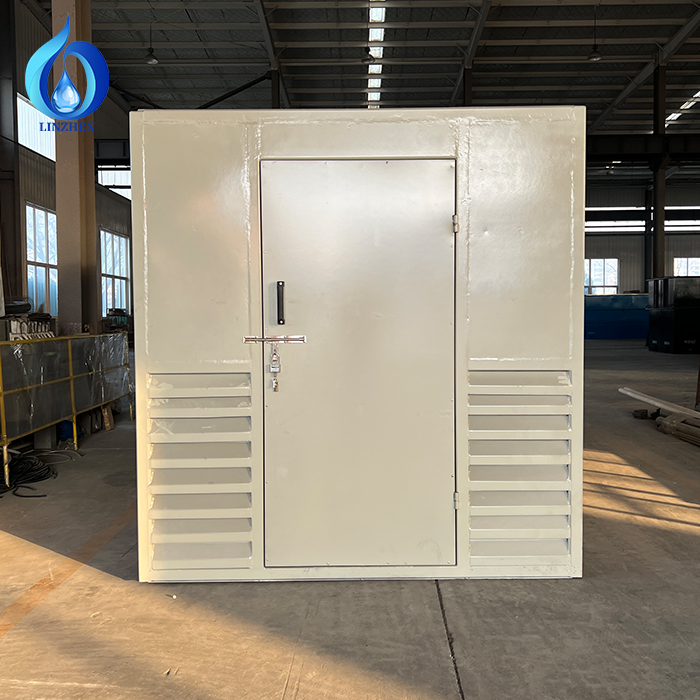
Maintaining high filtration performance requires combining strategic operating adjustments, targeted chemical additions, and routine maintenance protocols. Facilities implementing comprehensive MBR fouling control procedures benefit from extended operational windows between off-line cleanings, superior permeate clarity, and reduced power draw. This technical guide outlines key methods for diagnosing surface cake layer formation, executing effective MBR fouling prevention, and optimizing filtration performance under variable hydraulic loading conditions.
Understanding Deposition Mechanics in Biological Filtration
Types of Surface Accumulation in Filtration Systems
Surface blockage during filtration occurs through multiple overlapping physical and chemical pathways. Biological buildup involves active bacterial attachment to fiber structures, where microorganisms secrete extracellular polymeric substances that form dense gel matrices, highlighting the necessity for advanced membrane biofouling control. Suspended solids, colloids, and bio-flocs physically restrict surface pore openings through cake layer formation. Meanwhile, dissolved organic compounds, including proteins and polysaccharides, adsorb inside internal pore channels. Differentiating these distinct mechanisms enables plant managers to deploy targeted MBR membrane fouling mitigation measures rather than relying on inefficient generic routines.
Operational Drivers Influencing Surface Deposition
Specific process conditions heavily dictate deposition rates on submerged modules. Extended solids retention times increase biomass viscosity, accelerating the onset of MBR membrane fouling. High mixed liquor suspended solids concentrations intensify particle-to-membrane collisions, which reduces effective pore area. Insufficient scouring aeration fails to generate the shear stress required to scour away sticky biofilm layers, making membrane biofouling control far more difficult. Furthermore, sudden temperature shifts alter microbial metabolism, triggering increased polymer production. Plant engineers executing wastewater membrane fouling management must balance these parameters to maintain optimal permeability without compromising treatment quality.
Preventive Operational Tactics and Feed Conditioning
Optimizing Process Parameters for Filtration Stability
Mitigating cake formation at the process stage is substantially more economical than managing severe pore blockages later. Lowering operating flux reduces the hydraulic drag that forces particles toward fiber surfaces. Maintaining a stable operating flux—typically between 15 and 25 liters per square meter per hour—supports effective MBR fouling prevention while ensuring reliable throughput. Implementing pulsed air scouring cycles creates shear force profiles that disrupt expanding bio-layers. Maintaining biomass concentrations between 8,000 and 12,000 milligrams per liter prevents excessive particulate buildup, serving as a primary pillar of MBR fouling control.
Pre-treatment Infrastructure and Influent Stabilization
Upstream physical separation significantly lightens the solid burden reaching delicate filtration surfaces. Fine screening eliminates hair, fibrous rags, and coarse debris that would otherwise entangle module fibers and exacerbate MBR membrane fouling. Chemical coagulation steps introduced prior to biological treatment aggregate fine colloidal particles, aiding downstream wastewater membrane fouling management. For oily industrial feeds, preliminary oil-water separation prevents hydrophobic fats from coating membrane pores. Installing flow equalization basins stabilizes incoming organic loads, mitigating sudden shock loading that destabilizes bio-flocs and complicates overall MBR fouling prevention efforts.
Active Restoration and Chemical Flush Protocols
Chemical Maintenance and Recovery Routines
When preventive measures prove insufficient to maintain permeability, targeted chemical flushing restores design hydraulic capacity. Periodic backflushing with clean permeate mechanically dislodges loosely bound surface cakes. Injecting oxidizing agents, such as sodium hypochlorite, during backflush cycles breaks down complex bio-matrices, providing vital membrane biofouling control. Specialized enzymatic formulations selectively digest proteinaceous foulants lodged within the fiber structure. For stubborn inorganic scaling, dilute acid circulation dissolves mineral precipitates, restoring baseline differential pressure as part of a complete MBR fouling control program.
Mechanical Agitation and Module Servicing
Physical cleaning techniques work synergistically with chemical treatments in modern wastewater membrane fouling management schemes. Programmed filtration relaxation periods allow attached particles to diffuse away from fiber surfaces naturally. Continuous coarse-bubble aeration shakes flexible fiber bundles, detachment of heavy cake layers, which directly aids MBR fouling prevention. MBR wastewater treatment systems featuring modular rack designs allow individual units to be isolated for intensive chemical soaking while remaining modules continue operating. Routine module inspection identifies early surface discoloration and localized blockages before severe differential pressure spikes occur.
Continuous Tracking and Dynamic Process Adjustments
Real-Time Permeability Monitoring
Real-time data collection provides essential early warnings regarding surface accumulation trends. Transmembrane pressure trends serve as a primary indicator of progressive MBR membrane fouling, requiring constant automated logging. A drop in specific flux under constant suction indicates accumulating pore restrictions. Tracking the sludge volume index helps operators evaluate bio-floc health and assess the likelihood of rapid membrane biofouling control breakdown. Automated control systems monitor these operational metrics continuously, enabling timely intervention before critical operational limits are breached.
Adaptive Operational Corrections
Analyzing diagnostic data allows plant operators to adjust system settings dynamically to mitigate advancing surface deposition. Rising transmembrane pressure signals an immediate need to reduce operating flux, protecting modules from compaction while executing MBR fouling control steps. Poor bio-floc settling characteristics warrant immediate adjustments to aeration rates or sludge wasting schedules to support ongoing MBR fouling prevention. Scheduling preventive off-line chemical maintenance based on real-time trend analysis prevents sudden emergency shutdowns, ensuring consistent long-term performance across the facility.
FAQ
What are the main causes of MBR membrane fouling in biological treatment?
Deposition stems from biological growth, colloidal particle entrapment, organic adsorption, and inorganic mineral scaling. MBR membrane fouling accelerates under high flux rates, elevated biomass solids, inadequate scouring aeration, and sudden organic shock loading.
How often should chemical cleaning be performed for effective MBR fouling control?
Maintenance cleans usually occur weekly or bi-weekly, whereas intensive recovery cleans are conducted every 3 to 12 months. Implementing rigorous wastewater membrane fouling management and automated backflushing significantly extends intervals between intensive cleanings.
Is it possible to achieve complete MBR fouling prevention in operational plants?
Complete elimination of surface deposition is not feasible in biological systems. However, combining optimized flux rates, fine screening, coarse air scouring, and routine chemical maintenance achieves effective MBR fouling prevention, ensuring reliable operational stability.
 EN
EN