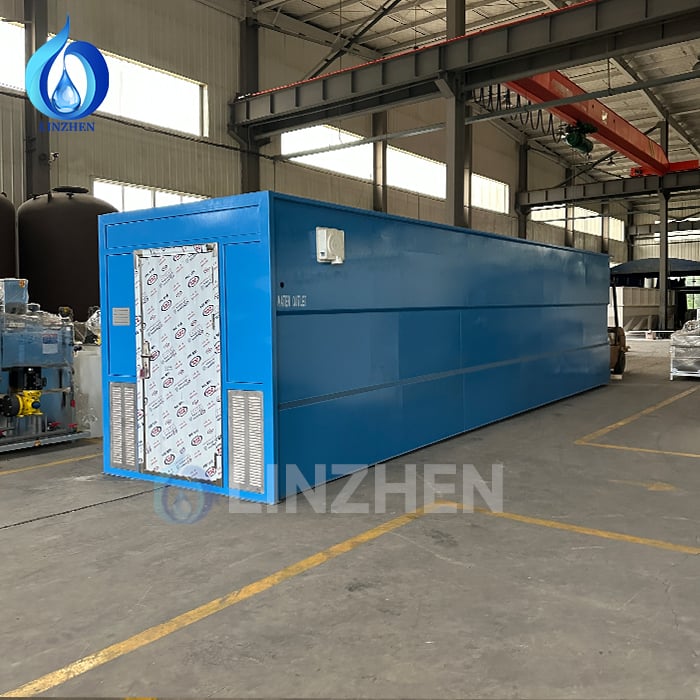
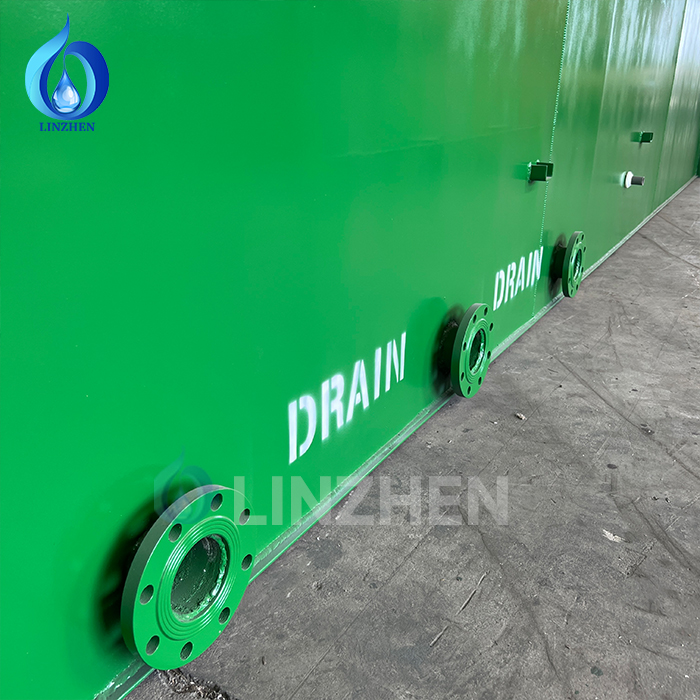
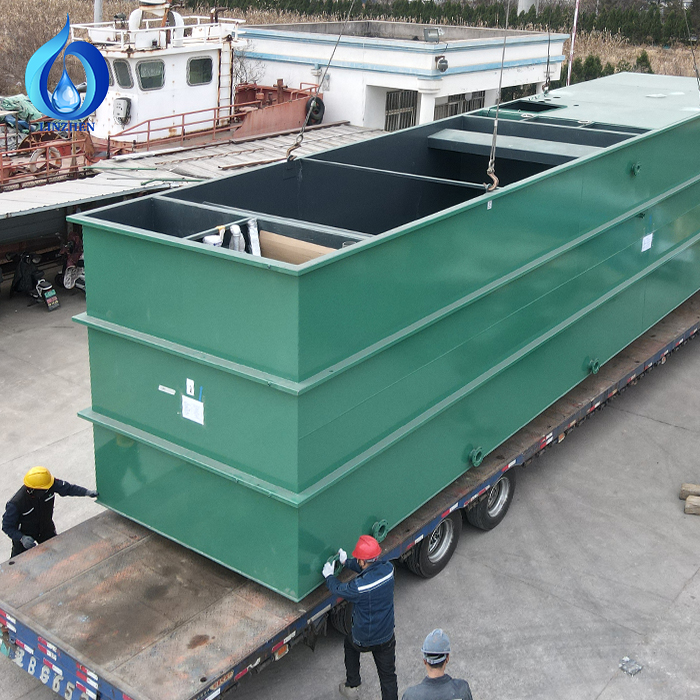
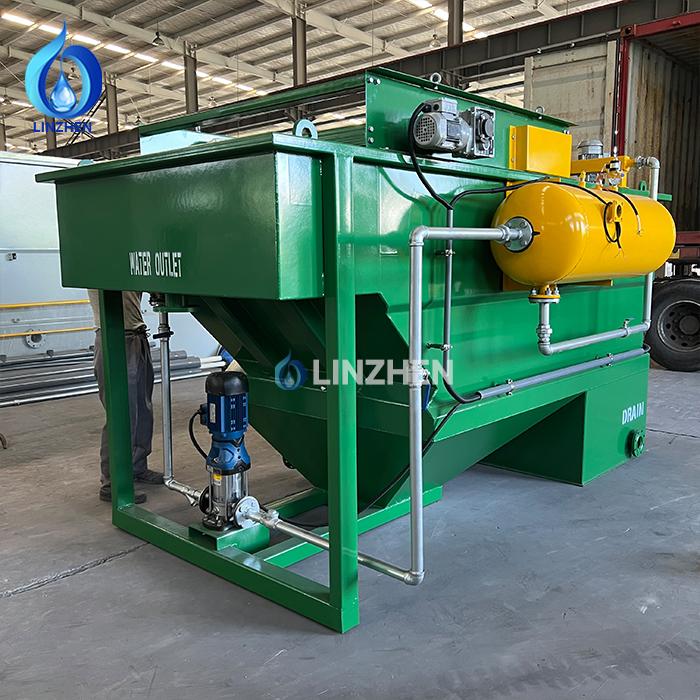
Assessing the actual service span of wastewater treatment equipment during grit removal processes remains vital for treatment facilities aiming to optimize operational budgets and ensure long-term stability. Facility managers often encounter challenges when attempting to distinguish between design ratings provided by manufacturers and real-world performance, leading to unexpected component failure or unplanned capital outlays. Accurately judging how long wastewater treatment equipment will survive requires evaluating material choices, localized stress factors, and preventive maintenance protocols tailored to abrasive grit handling environments. Making precise evaluations empowers facilities to sustain consistent treatment efficiency while managing life-cycle expenditure effectively.
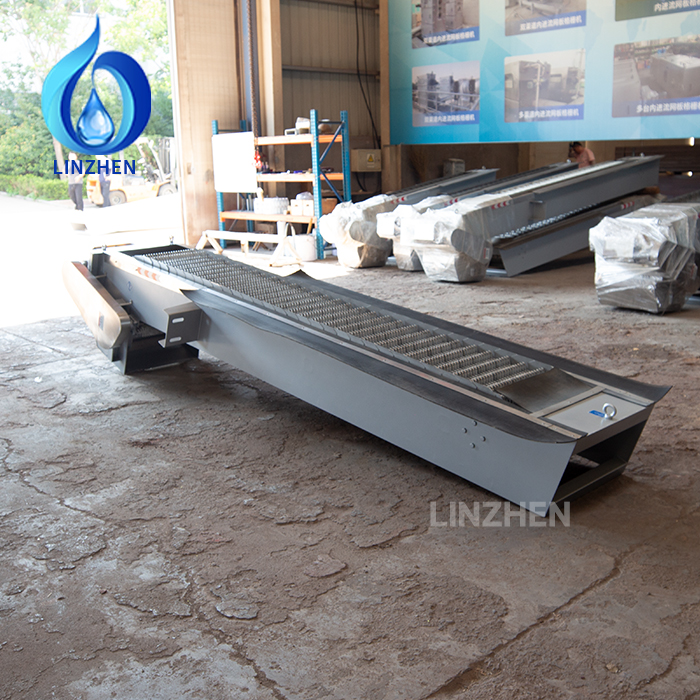
The continuous operation of wastewater treatment equipment relies on various interdependent factors beyond simple laboratory testing. Grit removal systems face severe operating conditions because heavy mineral solids, chemical corrosion, and steady mechanical friction work together to accelerate wear compared to standard clarification steps. Operators who understand how to measure these destructive variables gain a distinct advantage when scheduling replacement schedules, adjusting maintenance frequency, and choosing high-performance wastewater treatment equipment for future plant expansions.
Material Alloys and Chemical Defense Strategies
Selecting Appropriate Alloys for Longevity
The chemical and physical structure of wastewater treatment equipment largely determines its endurance in aggressive grit handling operations. Standard stainless steel formulations, specialized cast iron alloys, and composite polymers react differently when exposed to aggressive ions and coarse particulates typical of primary treatment channels. Grade 304 stainless steel provides adequate resistance in basic municipal settings, whereas Grade 316 contains added molybdenum to withstand elevated chloride levels in heavy industrial streams. Examining precise metallurgical specifications rather than relying on generic product labels ensures that incoming wastewater treatment equipment matches the actual chemical composition of your influent.
Evaluating Protective Coatings and Surface Barriers
Applying specialized surface treatments helps extend the functional life of wastewater treatment equipment placed in severe grit environments. High-build epoxy coatings, resilient polyurethane linings, and corrosion-resistant primers shield underlying metals against chemical degradation, though continuous solid abrasion continuously wears these protective layers down. Inspecting coating thickness, surface adhesion strength, and early signs of blistering yields accurate data regarding how long wastewater treatment equipment can maintain structural integrity. Demanding documented dry film thickness tests prior to approving new wastewater treatment equipment prevents premature degradation caused by inadequate surface preparation.
Operational Stresses and Dynamic Load Impacts
Analyzing Operational Load Variations
The practical working life of wastewater treatment equipment fluctuates considerably when field operating loads exceed nominal design parameters. Fluctuating grit concentrations, variable particle sizes, and sudden flow surges create peak stress conditions that standard ratings fail to account for fully. Mechanical systems like a modern wastewater treatment equipment unit handling heavy storm flows experience mechanical strain far beyond normal daily baselines, leading to accelerated fatigue failure. Reviewing historical hydraulic profiles and peak load frequencies allows engineers to project how severe operating environments accelerate wear on wastewater treatment equipment over time.
Mitigating Fatigue and Mechanical Stress
Repetitive load cycles caused by frequent motor restarts, sudden hydraulic shocks, and localized structural vibration induce cumulative fatigue that limits the operational life of wastewater treatment equipment. Drive components and bearing assemblies in grit systems endure continuous stress cycles daily, following predictable failure pathways when operating stresses breach material fatigue thresholds. Facilities can forecast mechanical breakdown by monitoring vibration profiles, checking bearing housing temperatures, and reviewing repair histories. Detecting early vibration spikes or temperature anomalies in wastewater treatment equipment indicates that effective working life may decline by 30 to 50 percent without timely intervention.
Preventive Maintenance and Asset Management
Maximizing Service Life Through Scheduled Maintenance
The useful life of wastewater treatment equipment expands significantly when supported by structured preventive maintenance protocols rather than reactive repair strategies. Performing timely lubrication, verifying shaft alignment, monitoring drive chain tension, and securing structural fasteners prevents minor component wear from escalating into severe mechanical failures. Keeping comprehensive maintenance logs for every wastewater treatment equipment installation helps plant managers trace how routine service intervals minimize operational downtime. Servicing machinery biweekly can extend the service life of wastewater treatment equipment by 20 to 40 percent compared to reactive maintenance programs.
Factoring in Replacement Costs and Spare Parts Sourcing
Determining the overall cost of ownership for wastewater treatment equipment requires analyzing the long-term availability and cost of replacement components. Equipment using proprietary mechanical designs or customized wear parts often faces extended lead times and premium pricing, effectively shortening operational life when failures occur. Facilities should verify that replacement parts for installed wastewater treatment equipment remain readily available through original manufacturers or trustworthy aftermarket suppliers. Evaluating expected replacement component costs and vendor lead times alongside initial capital expenses yields a realistic model for long-term wastewater treatment equipment lifecycle management.
Environmental Factors and Installation Quality
Ensuring Chemical Compatibility with Variable Influent
The ultimate operational duration of wastewater treatment equipment depends heavily on maintaining chemical compatibility with incoming wastewater streams. Periodic industrial discharges, seasonal temperature variations, and aggressive pH swings create exposure conditions that standard wastewater treatment equipment may not sustain long-term. Plants with volatile influent characteristics must ensure that specified wastewater treatment equipment components resist peak chemical concentrations, preventing stress corrosion cracking or galvanic degradation. Regular water sampling combined with continuous material evaluation protects wastewater treatment equipment against early failure caused by unexpected chemical attack.
Precision Installation Practices
Correct installation procedures directly govern how long wastewater treatment equipment performs efficiently under heavy grit loads. Improper drive alignment, weak mounting foundations, incorrect bolt torque, and pipe strain generate unnatural mechanical stresses that degrade internal components rapidly. Ensuring that every wastewater treatment equipment installation conforms strictly to engineering tolerances prevents hidden mechanical stresses from reducing equipment lifespan. Conducting independent pre-commissioning inspections confirms foundation rigidity and drive alignment, preserving the expected working life of new wastewater treatment equipment.
FAQ
What is the typical working life expectancy for wastewater treatment equipment in grit removal?
Standard wastewater treatment equipment deployed in grit removal environments usually delivers a service life of 7 to 12 years under typical operating conditions. However, actual durability depends heavily on material selection, maintenance consistency, and peak loading demands. Robust wastewater treatment equipment supported by proactive maintenance in low-corrosion environments can reach 15 years of service, whereas units operating under aggressive chemical loads or frequent hydraulic peaks may require replacement within 5 to 8 years.
How can operators distinguish between normal wear and accelerated deterioration of wastewater treatment equipment?
Operators can identify accelerated wear by tracking key performance indicators for wastewater treatment equipment, such as vibration signatures, operational noise levels, bearing temperature shifts, and drive motor amp draws. Sudden increases in vibration or operating noise signal accelerated mechanical wear requiring immediate corrective action, whereas gradual changes over extended periods represent normal aging. Maintaining detailed performance logs for all wastewater treatment equipment allows facilities to detect abnormal wear patterns early and perform repairs before catastrophic failure occurs.
Should facilities invest in premium wastewater treatment equipment for extended working life?
Investing in high-grade wastewater treatment equipment featuring superior alloys and wear-resistant coatings generally delivers a strong return on investment by extending equipment service life and reducing emergency maintenance expenses, especially in severe operational settings. Conducting a total cost of ownership analysis over a 10 to 15-year lifecycle usually demonstrates that premium wastewater treatment equipment offsets its initial purchase price through lower operating costs and higher reliability. However, facilities operating under mild conditions with low grit volumes can often achieve reliable performance using standard-grade equipment paired with strict preventive maintenance schedules.
 EN
EN