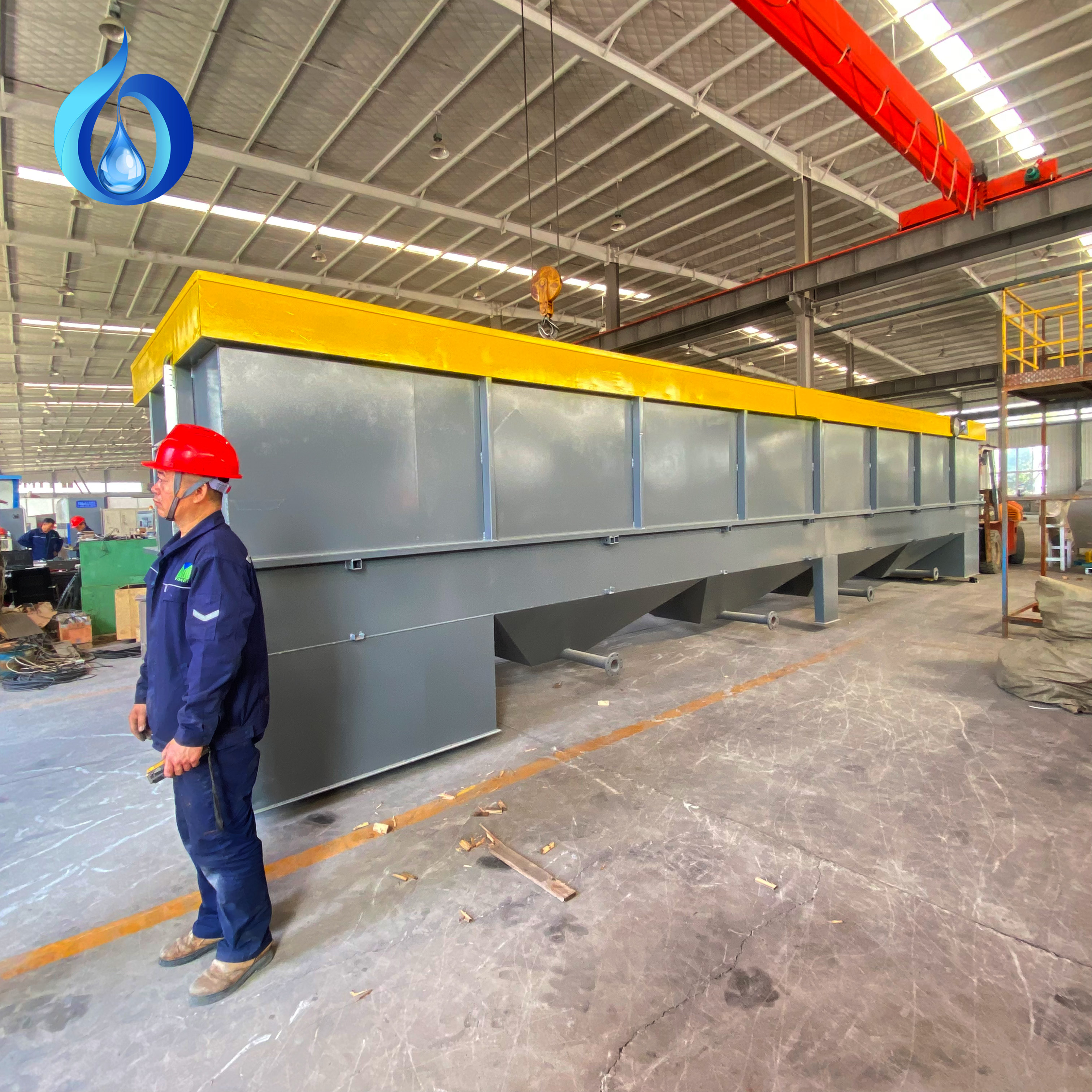
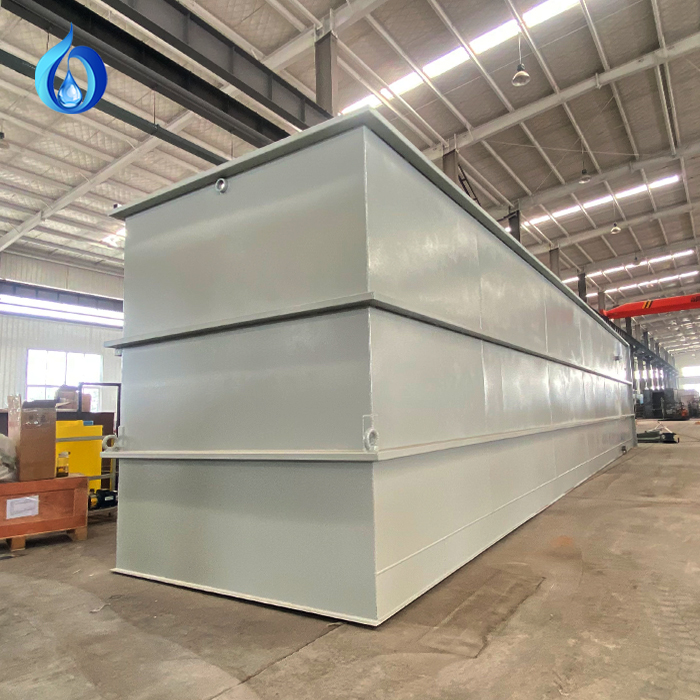
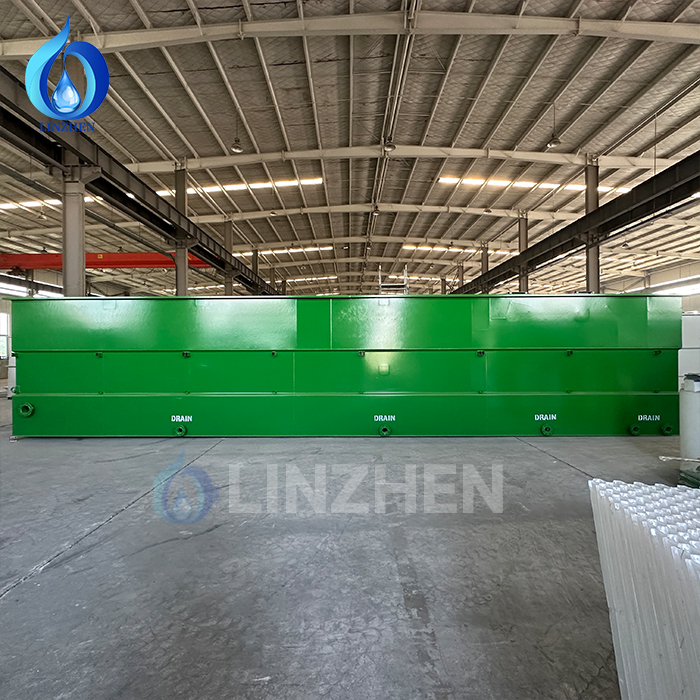
Sizing a lamella clarifier correctly is critical for electroplating facilities that must manage suspended solids, metal ions, and process chemicals effectively. The lamella clarifier represents one of the most efficient water treatment technologies available to shops dealing with complex industrial waste streams. However, many operators struggle with determining the correct plate area for their specific flow rates and contamination levels. Understanding how to calculate lamella clarifier dimensions ensures your facility achieves optimal clarification efficiency while staying within budget constraints and operational parameters.
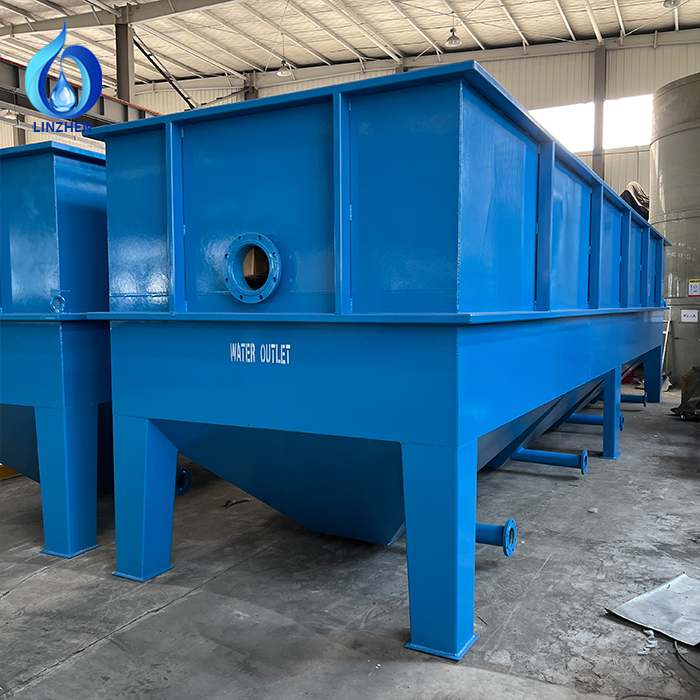
The lamella clarifier design depends on several interconnected variables including treatment flow rate, settling characteristics of suspended solids, desired clarification time, and space constraints within your facility. Unlike traditional clarifiers that rely on large rectangular tanks, a lamella clarifier achieves superior performance through its innovative stacked plate design. This compact configuration multiplies effective settling area within a fraction of the footprint, making the technology especially valuable for shops where floor space is limited. The key to successful implementation lies in precisely calculating the plate area needed to handle your facility's unique electroplating waste characteristics and production volume.
Understanding Lamella Clarifier Plate Area Fundamentals
What Is Plate Area in Lamella Clarifier Design
The plate area of a lamella clarifier refers to the total active settling surface provided by all the inclined plates within the clarifier vessel. Unlike the footprint area of the tank itself, the lamella clarifier plate area is significantly larger due to the stacked configuration of individual plates positioned at angles typically between 45 and 60 degrees. Each plate contributes its own surface to the total treatment capacity, and the cumulative plate area determines how much suspended solid load the system can handle per unit time. For an electroplating shop, understanding this distinction is essential because the lamella clarifier plate area directly controls removal efficiency and clarified water quality.
Why Lamella Clarifier Plate Area Matters for Electroplating
Electroplating operations produce highly concentrated waste streams containing chromium, nickel, copper, and other heavy metals suspended as hydroxide precipitates. The lamella clarifier plate area must be sized large enough to allow adequate contact time between contaminated water and the settling medium. If the lamella clarifier plate area is too small, solids will not settle completely and clarity will suffer. If the lamella clarifier plate area is oversized, capital costs increase unnecessarily. The optimal lamella clarifier plate area balances treatment performance against equipment investment and ensures consistent compliance with discharge regulations for electroplating facilities.
Calculating Lamella Clarifier Plate Area for Your Electroplating Facility
Core Formula and Variables for Lamella Clarifier Sizing
The fundamental equation for determining required lamella clarifier plate area involves the surface overflow rate, also called hydraulic loading. The basic formula is: Required Lamella Clarifier Plate Area = Treatment Flow Rate divided by Surface Overflow Rate. For electroplating applications, typical surface overflow rates range from 2 to 4 gallons per minute per square foot, depending on the specific metals being treated and the effectiveness of your pretreatment process. If your shop treats 50 gallons per minute of electroplating waste and your design surface overflow rate is 3 gallons per minute per square foot, your required lamella clarifier plate area would be approximately 16.7 square feet. This represents the minimum active settling area needed to meet your treatment objectives.
Accounting for Electroplating-Specific Parameters
The lamella clarifier plate area calculation must incorporate specific factors relevant to electroplating waste characteristics. First, consider whether your facility performs chromium plating, nickel plating, or mixed-metal operations, as different metals have different settling rates and floc formation tendencies. Second, evaluate the effectiveness of your pretreatment system, including coagulation and flocculation stages that prepare suspended solids for settlement within the lamella clarifier. Third, account for seasonal variations in production volume and waste stream concentration. A properly sized lamella clarifier plate area should maintain performance during peak production periods while avoiding excessive oversizing during slower seasons. Additionally, include a safety factor of 20 to 30 percent above the calculated minimum lamella clarifier plate area to ensure reliable operation and accommodate temporary flow spikes.
Design Considerations and Implementation Strategies
Space Efficiency and Physical Constraints
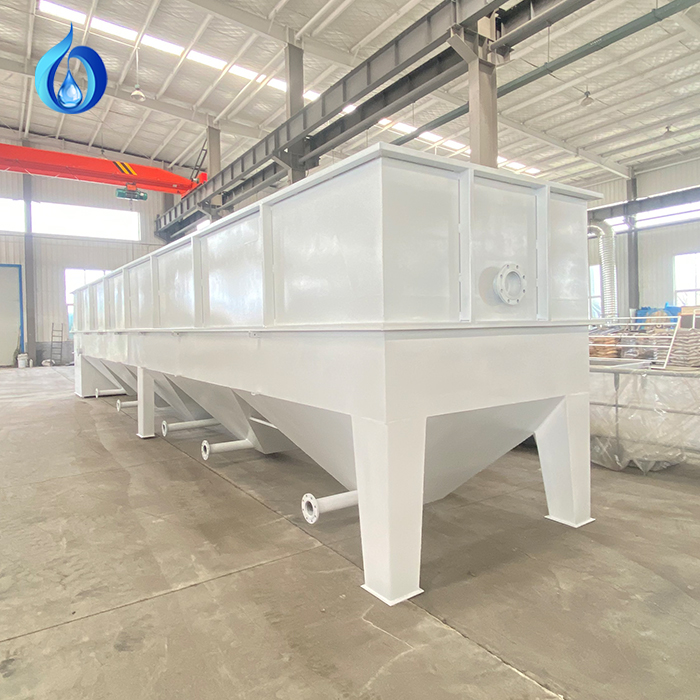
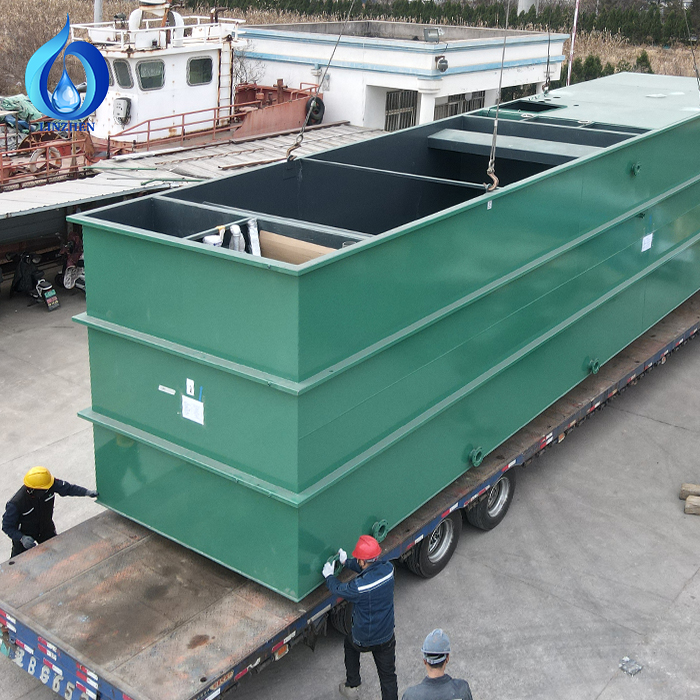
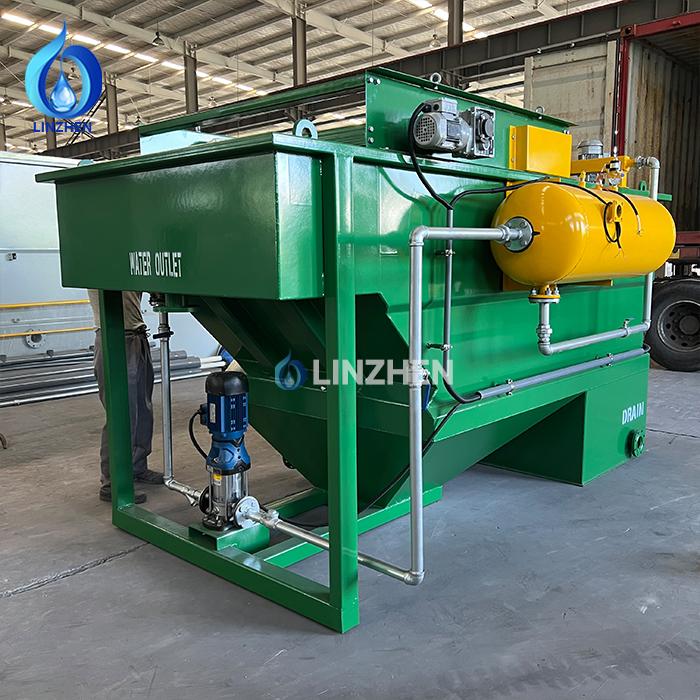
One of the primary advantages of selecting a lamella clarifier is its compact footprint relative to treatment capacity, yet the lamella clarifier plate area must still be carefully matched to your available facility space. The beauty of lamella clarifier technology lies in its ability to achieve large effective plate areas within a small tank volume. A lamella clarifier with modest external dimensions might contain 200 to 400 square feet of internal plate area, dramatically exceeding what a conventional clarifier of similar size could provide. Before finalizing your lamella clarifier plate area specification, verify that your installation location accommodates both the equipment dimensions and the required inlet and outlet piping configurations. Consulting with experienced system integrators familiar with electroplating installations helps identify space-saving configurations that maintain necessary lamella clarifier plate area without compromising facility workflow.
Material and Corrosion Resistance Factors
The materials used in lamella clarifier construction directly impact how the plate area translates into real-world treatment performance. Electroplating waste streams contain corrosive elements including acids, bases, and oxidizing agents that can degrade materials over time. Your lamella clarifier must feature plates constructed from acid-resistant and corrosion-resistant materials such as polypropylene, fiberglass-reinforced plastic, or coated steel to maintain structural integrity and ensure the specified lamella clarifier plate area remains functional throughout the equipment's service life. Material selection also affects maintenance requirements and cleaning frequency for the internal plates within your lamella clarifier, which can impact the effective plate area available for treatment if biofilm or mineral deposits accumulate. Regular inspection protocols ensure your lamella clarifier maintains its designed plate area performance over extended operating periods.
Operational Optimization and Performance Monitoring
Achieving Target Clarification with Proper Lamella Clarifier Plate Area
Once your lamella clarifier plate area has been calculated and the system is installed, operational adjustments help optimize actual treatment results. Monitor the influent flow rate to ensure it remains within design parameters; if actual flow exceeds the assumptions used in your lamella clarifier plate area calculation, clarification efficiency will decline. Adjust chemical dosing in the pretreatment stage to maximize floc formation, which directly enhances settling within the lamella clarifier and allows the system to handle higher contamination loads within its specified plate area. Track effluent clarity measurements using turbidity sensors or periodic laboratory analysis to confirm that the lamella clarifier plate area is delivering expected treatment quality. If clarification falls short despite proper lamella clarifier plate area sizing, evaluate whether pretreatment optimization or additional settling time can restore performance before considering equipment upgrades.
Scaling and Future Expansion Planning
As your electroplating shop grows or production mix changes, ensure your initial lamella clarifier plate area sizing permits future expansion without complete system replacement. Modular lamella clarifier designs allow adding parallel treatment units or expanding the plate area within existing vessel configurations, providing flexibility to match growing production demands. When planning facility expansions, reference your original lamella clarifier plate area calculations and update them to reflect new flow rates and waste stream characteristics. This forward-thinking approach protects your capital investment in water treatment infrastructure and maintains treatment compliance during business growth phases.
FAQ
How does lamella clarifier plate area compare to traditional clarifier sizing?
Traditional clarifiers require very large tanks to provide adequate settling area, whereas lamella clarifier technology concentrates the same plate area into a compact vessel through its innovative stacked plate design. This means a lamella clarifier plate area of 300 square feet might be housed in a tank smaller than a traditional clarifier with only 75 square feet of effective settling area. For electroplating shops facing space constraints, this efficiency makes lamella clarifier technology particularly attractive despite potentially higher initial equipment costs compared to conventional settling tanks.
What happens if I undersize the lamella clarifier plate area for my electroplating shop?
Undersizing your lamella clarifier plate area results in inadequate settling time for suspended metal hydroxides and other contaminants, leading to turbid effluent that may violate discharge permits. Heavy metal breakthrough also becomes more likely, creating environmental compliance violations and potential regulatory penalties. Additionally, undersized lamella clarifier plate area forces higher surface loading rates that stress the sludge collection mechanism and increase maintenance frequency. Economic performance suffers because disposal costs for poorly settled sludge increase while your facility faces potential permit suspension or remediation requirements.
Can lamella clarifier plate area be expanded after initial installation?
Many modern lamella clarifier designs support modular expansion, allowing you to increase plate area by adding additional units in parallel or upgrading vessel internals without replacing the entire system. This flexibility means initial lamella clarifier plate area can be matched closely to current production volumes rather than over-investing based on speculative future growth. Before purchasing, discuss expansion options with your equipment supplier to understand what modifications are technically and economically feasible if your electroplating operation expands production capacity or diversifies metal processing capabilities.
 EN
EN