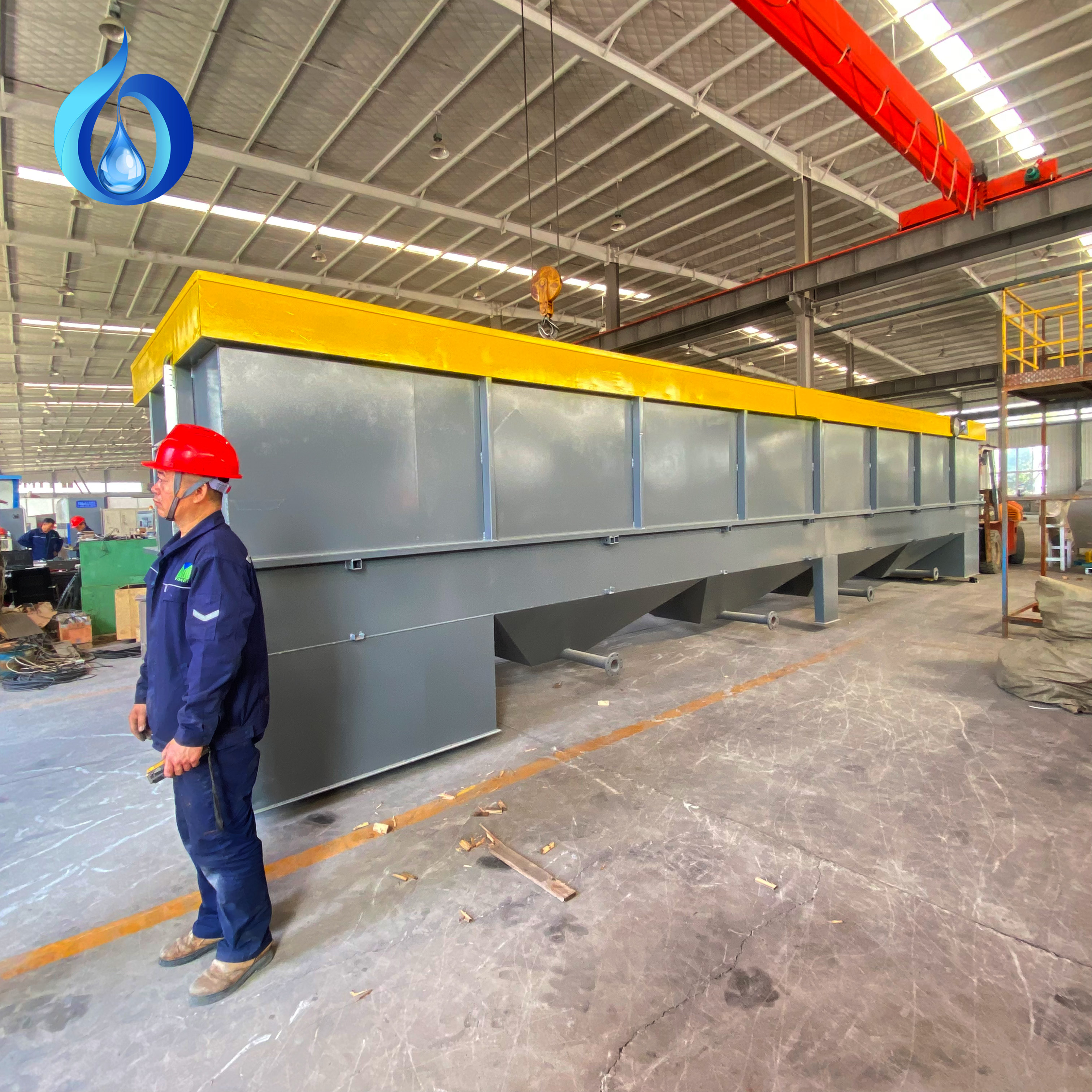
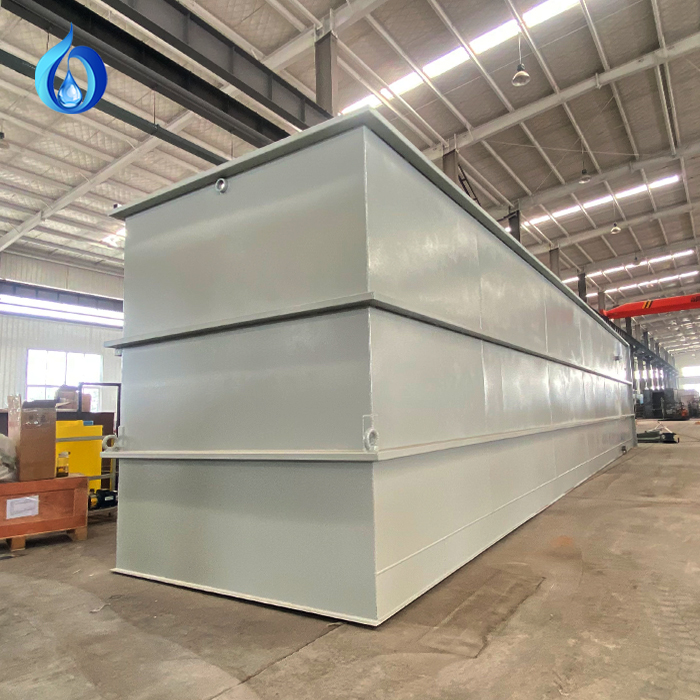
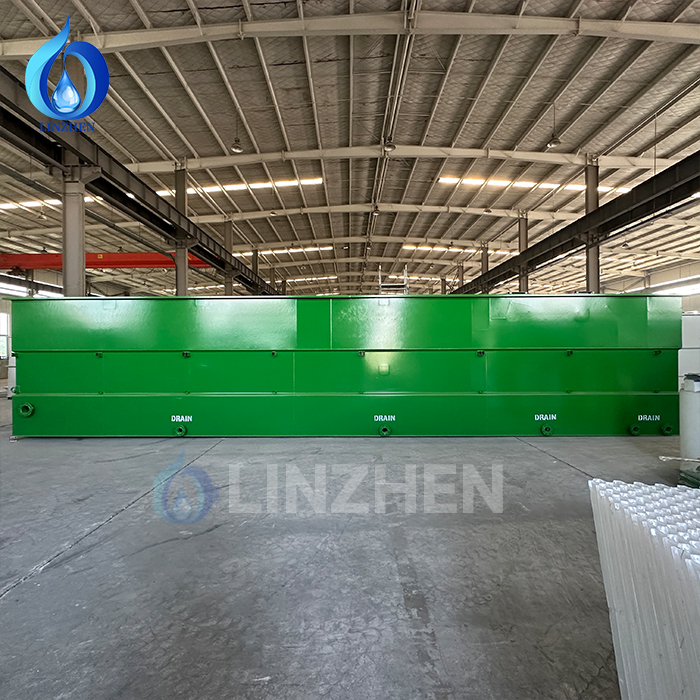
Modern industrial and municipal water treatment plants constantly seek compact, high-efficiency liquid-solid separation technologies, making the internal architecture of a lamella clarifier a fundamental engineering topic. Unlike conventional, large-footprint sedimentation basins, an advanced lamella clarifier utilizes an array of inclined parallel plates to accelerate gravity settling. At the core of this high-rate technology are lamella clarifier plate packs, which directly dictate total clarification capacity, hydraulic retention patterns, and long-term operational stability. Properly designed lamella clarifier plate packs maximize active settling area within a tiny footprint, significantly boosting overall wastewater clarification efficiency for heavy industrial applications.
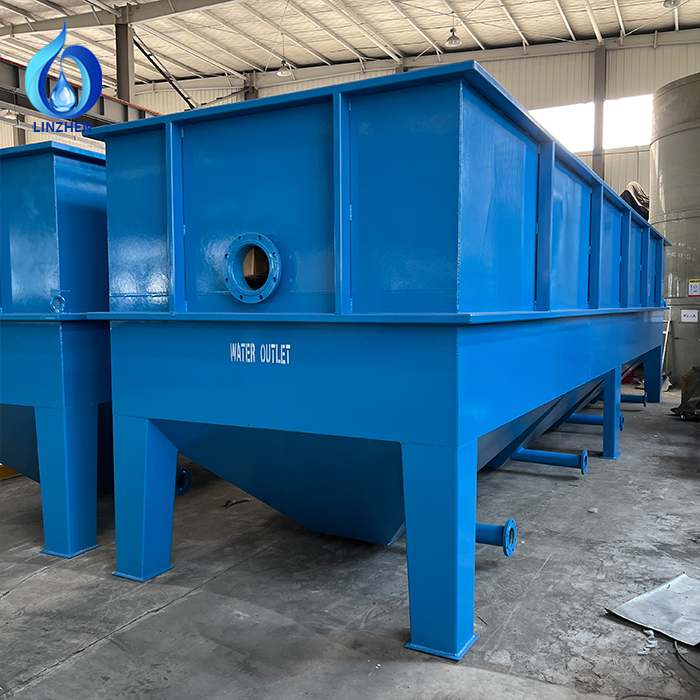
Understanding how lamella clarifier plate packs operate allows facility engineers to optimize chemical coagulation, balance overflow rates, and establish effective lamella clarifier maintenance protocols. By replacing massive open settling tanks with inclined channel geometry, a modern lamella clarifier processes high effluent volumes in fraction of the space. However, achieving sustained wastewater clarification efficiency requires careful management of fluid dynamics, solids loading rates, and structural material selection to prevent plate fouling, channel clogging, and performance degradation over extended operating cycles.
Engineering Principles of Lamella Clarifier Plate Packs
Surface Area Multiplication and Counter-Current Separation
The primary mechanism powering a high-rate lamella clarifier is projected surface area multiplication. Standard gravity clarifiers require enormous tank surface areas to allow slow-settling suspended solids to reach the basin floor. By mounting closely spaced, inclined plates—typically set at a 55 to 60-degree angle—inside a lamella clarifier, the effective settling surface multiplies by a factor of ten or more. As raw influent flows upward through the narrow channels between lamella clarifier plate packs, heavy solids settle downward onto the plate surface over very short vertical distances, creating exceptional wastewater clarification efficiency.
This counter-current hydraulic flow pattern allows settled sludge to slide downward along the smooth plate surfaces under gravity, collecting in the bottom hopper while clarified liquid exits through top effluent launders. Proper hydraulic distribution across all lamella clarifier plate packs prevents localized channeling and short-circuiting. Maintaining uniform flow distribution ensures that every square meter of the lamella clarifier operates at its peak removal capacity, minimizing polymer consumption while maintaining crystal-clear discharge water even during variable influent flow periods.
Fouling Control and Routine Lamella Clarifier Maintenance
Managing Sludge Accumulation, Scaling, and Channel Bridging
While tight plate spacing drastically reduces equipment footprint, it increases the necessity for structured lamella clarifier maintenance. High-concentration sludges, sticky biological flocs, or mineral scaling can accumulate on the surfaces of lamella clarifier plate packs over time. If sludge withdrawal systems fail to keep pace with solids loading, accumulated mud can bridge across plate channels, causing severe flow blockages. Operators conducting routine lamella clarifier maintenance must regularly inspect plate top surfaces, monitor differential pressure across the vessel, and ensure bottom desludging valves function without obstruction.
Preventive cleaning routines represent a critical cornerstone of effective lamella clarifier maintenance. Installing automated air-scour systems or high-pressure water backwash manifolds helps loosen adherent sludge blankets before hard scaling forms on lamella clarifier plate packs. Furthermore, selecting chemically resistant plate materials—such as 316 stainless steel or reinforced polypropylene—ensures that the lamella clarifier withstands aggressive chemical cleaning solutions and acidic wastewater streams without suffering structural deformation or surface degradation, preserving long-term wastewater clarification efficiency.
Optimizing Operational Parameters for Peak Performance
Upflow Velocity and Sludge Blanket Balance
To achieve maximum wastewater clarification efficiency, plant personnel must carefully tune the upflow hydraulic velocity passing through the lamella clarifier. Exceeding the design surface loading rate creates excessive liquid shear that sweeps delicate flocs upward out of the lamella clarifier plate packs into the clean water collection troughs. Conversely, operating at optimal upflow velocities—usually between 2 to 5 meters per hour—allows stable particle agglomeration, enabling dense flocs to settle rapidly onto the inclined plates of the lamella clarifier.
Sludge blanket height control within the lower cone section is equally vital to overall performance. A healthy, controlled sludge blanket provides a contact filtration zone that enhances particle capture before water enters the lamella clarifier plate packs. However, allowing the blanket level to rise too close to the plate inlets chokes incoming flow channels and triggers immediate performance failure. Integrating reliable level sensors and automated sludge pumps into your lamella clarifier maintenance framework guarantees steady sludge removal, protecting the upper lamella clarifier plate packs from heavy solids overload.
FAQ
How do lamella clarifier plate packs improve overall wastewater clarification efficiency?
Lamella clarifier plate packs dramatically increase the available settling surface area inside a compact vessel. By creating multiple inclined micro-settling zones, particles only travel a few millimeters before contacting a plate surface, accelerating solids separation and boosting total wastewater clarification efficiency.
What are the primary causes of plate fouling during lamella clarifier operations?
Plate fouling occurs due to sticky organic sludge accumulation, chemical scale precipitation, chemical overdosing, or improper sludge blanket management within the lamella clarifier. Neglecting routine lamella clarifier maintenance allows solids to bridge across channels, reducing overall treatment capacity.
How frequently should operators inspect lamella clarifier plate packs for maintenance?
Operators should monitor differential pressure and effluent clarity daily as part of routine lamella clarifier maintenance. Visual inspections of the upper lamella clarifier plate packs and automated flushing cycles should be performed weekly or monthly, depending on influent solids loading and chemical scaling potential.
 EN
EN