Designing effective industrial process facilities requires structured engineering evaluation, making proper wastewater treatment system configuration a crucial pillar of environmental stewardship, regulatory compliance, and economic viability. Plant managers, facility engineers, and environmental consultants face technical challenges when determining which chemical, physical, or biological wastewater treatment strategy best serves their specific site mandates and corporate financial goals. Choosing an inappropriate wastewater treatment approach leads to process inefficiencies, unexpected operational downtime, heavy maintenance demands, and potential environmental fines from local regulatory agencies. Implementing a systematic decision framework helps facility engineers execute optimal wastewater treatment technology selection while preserving operating budgets and maintaining long-term system reliability.
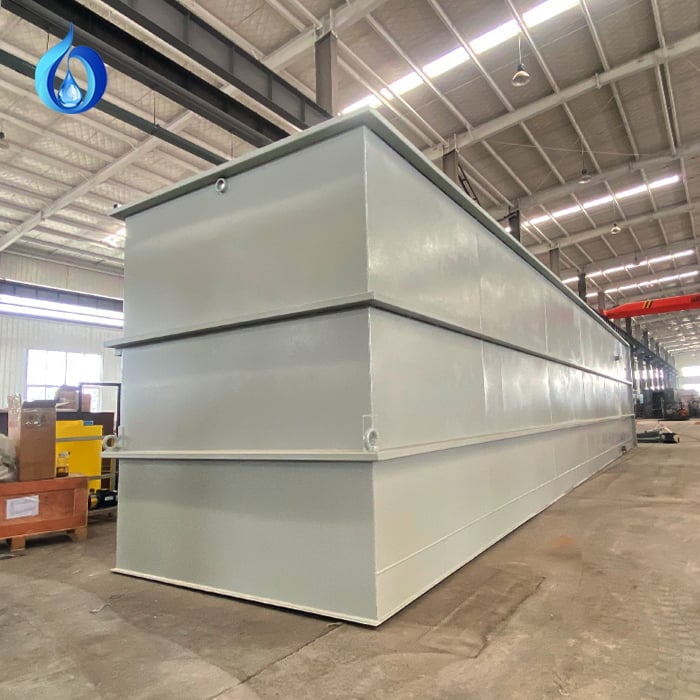
Achieving consistently high effluent purity involves balancing multiple operational variables across highly variable flow regimes and fluctuating chemical loads. Because every manufacturing site generates distinct liquid streams, applying a standardized off-the-shelf unit operation rarely succeeds. Instead, modern industrial wastewater treatment process design relies on comprehensive chemical characterization, rigorous pilot feasibility testing, and modular layout strategies. Integrating appropriate primary, secondary, and tertiary processing units creates a robust, highly adaptable wastewater treatment system that effectively manages unexpected organic shock loads and guarantees strict adherence to municipal or environmental discharge permits.
Influent Stream Characterization and Regulatory Mandates
Quantifying Influent Parameters for Wastewater Treatment
Engineering teams must begin by collecting reliable analytical data covering daily volumetric flow rates, seasonal spikes, and chemical pollutant concentrations. Accurate stream profiling identifies candidate physical, chemical, and biological wastewater treatment methods suitable for the targeted industrial effluent. Comprehensive laboratory testing quantifies biochemical oxygen demand (BOD), chemical oxygen demand (COD), total suspended solids (TSS), heavy metals, nutrients, and toxic organic compounds. Understanding peak daily discharge flows enables engineers to dimension equalizing infrastructure correctly, protecting downstream wastewater treatment equipment from sudden hydraulic and organic shock loads.
Aligning Process Design with Discharge Permits
Environmental regulations dictate the required pollutant purification efficiency of any commercial wastewater treatment installation. Municipal sewer discharge standards, surface water environmental permits, and zero liquid discharge (ZLD) programs enforce strict legal limits on nutrient concentrations, temperature, microbial counts, and heavy metal levels. Engineers must align their overall wastewater treatment technology selection process with these non-negotiable legal mandates. Early regulatory assessment eliminates incompatible processing equipment and focuses corporate capital expenditure on wastewater treatment configurations guaranteed to maintain compliance under fluctuating factory operating conditions.
Evaluating Core Unit Operations Across Treatment Stages
Primary Physical and Chemical Separation Methods
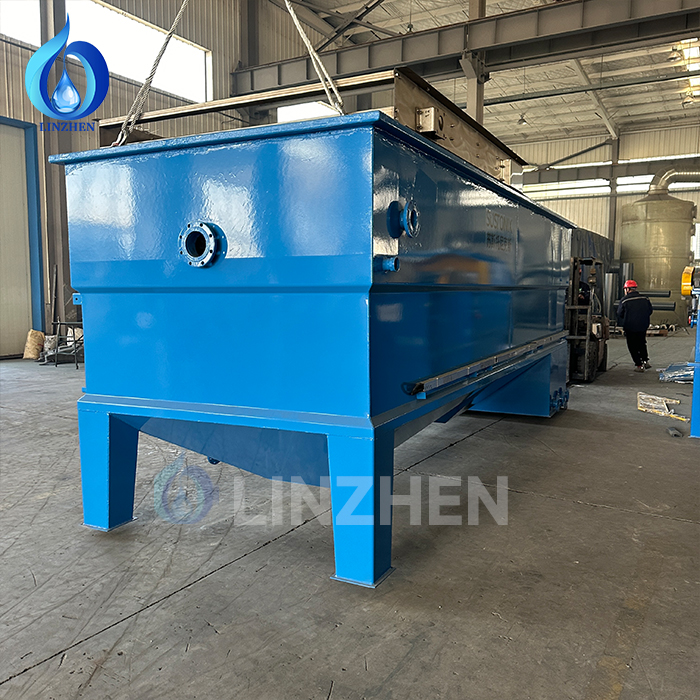
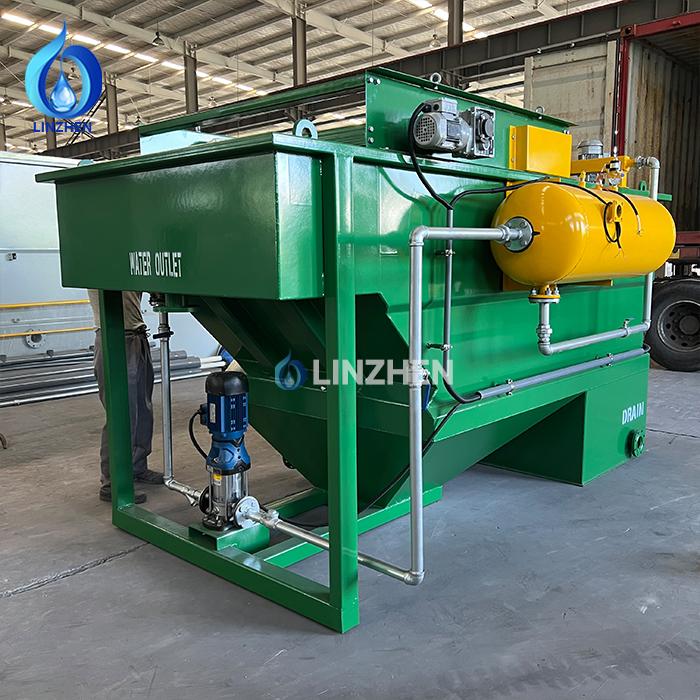
Primary wastewater treatment removes floating oils, heavy grease, settleable solids, and coarse debris prior to biological polishing operations. Unit operations such as mechanical screening, dissolved air flotation units, grit channels, and chemical coagulation modules form the primary defense barrier. Implementing efficient primary wastewater treatment reduces organic loading on downstream bioreactors, lowering total aeration power draw and preventing equipment fouling. Selecting the correct primary wastewater treatment setup stabilizes overall downstream operations and reduces total sludge handling and disposal costs.
Secondary Biological Processing Systems
Secondary wastewater treatment relies on specialized microbial communities to eliminate dissolved organic contaminants and transform them into harmless biomass and carbon dioxide. Depending on available land footprint, climate, and operational complexity, engineers choose activated sludge basins, sequencing batch reactors (SBR), or membrane bioreactors (MBR). Each biological wastewater treatment process presents distinct trade-offs regarding power consumption, sludge yield, and operator expertise requirements. Standard activated sludge provides reliable industrial wastewater treatment for large flows, whereas MBR technology delivers ultra-pure effluent within exceptionally compact footprints.
Advanced Polishing Technologies and Facility Integration
Deploying Tertiary Treatment Options
Stringent discharge permits or onsite water recycling programs often demand advanced tertiary wastewater treatment stages following secondary biological clarification. Advanced technologies—such as reverse osmosis membranes, granular activated carbon, ultraviolet disinfection, and advanced oxidation processes—eliminate trace micropollutants, persistent color, and biological pathogens. Implementing multi-barrier tertiary wastewater treatment converts industrial effluent into high-quality process water, reducing raw water purchasing fees, mitigating regional water scarcity risks, and advancing corporate sustainability initiatives.
Comprehensive System Optimization and Footprint Planning
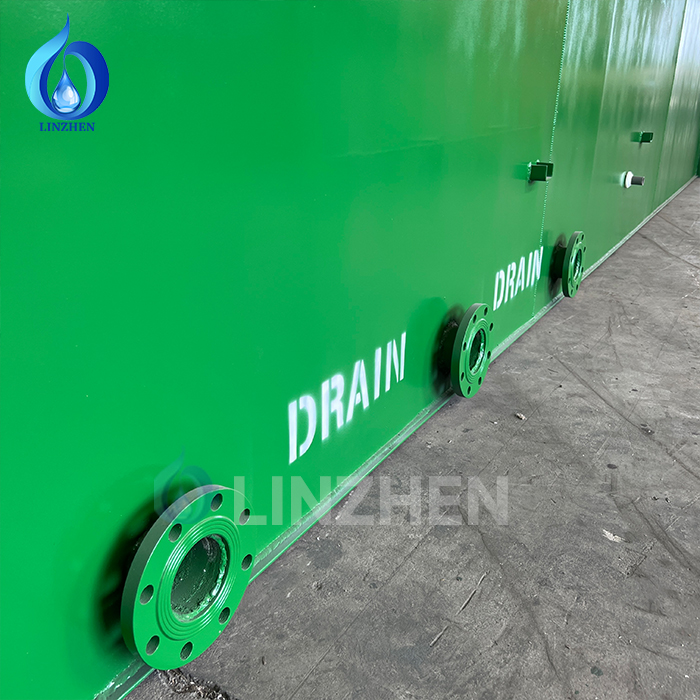
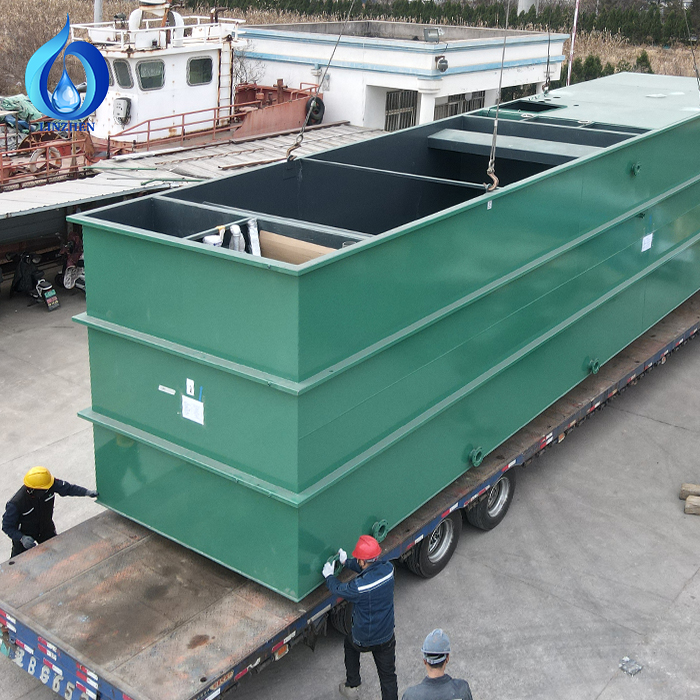
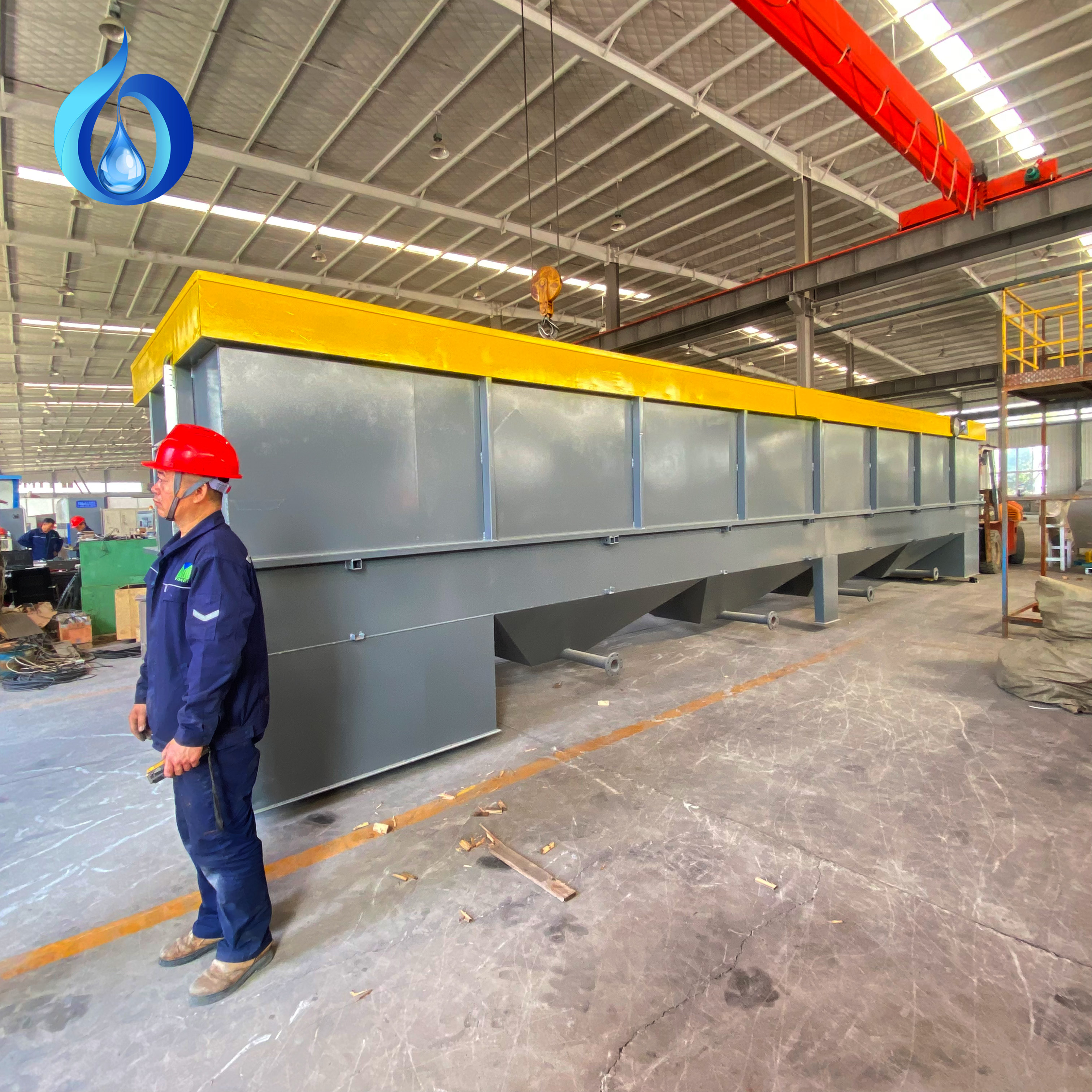
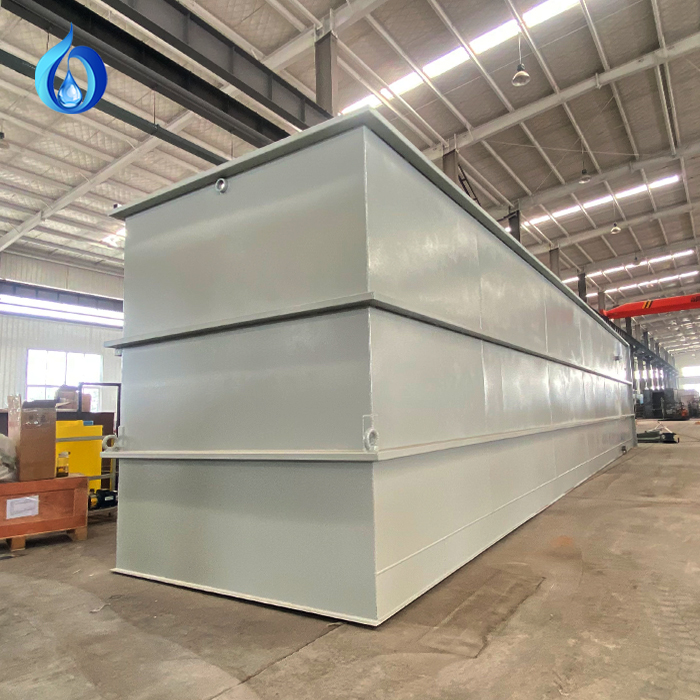
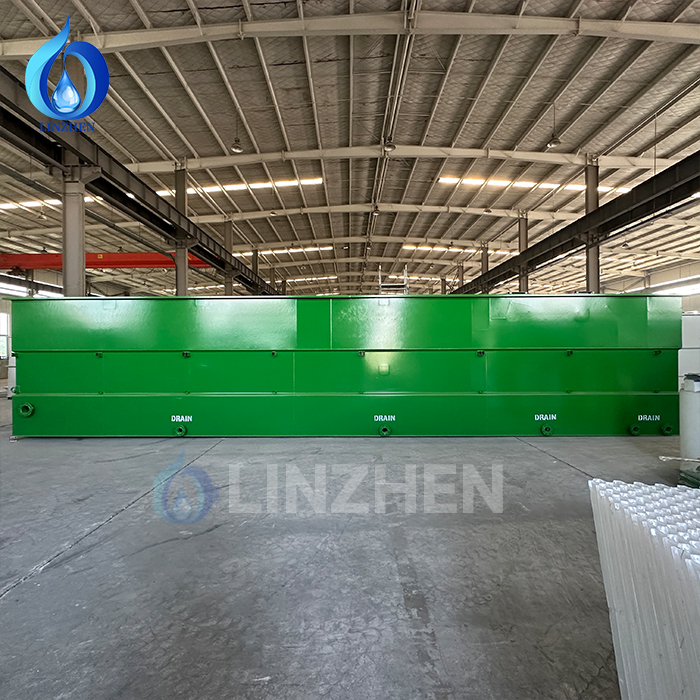
A successful wastewater treatment system operates as a cohesive unit where each sequential stage optimizes conditions for subsequent processes. Effective primary settling protects membrane pores in tertiary filters, while optimized biological aeration minimizes chemical dosing requirements. Many modern manufacturing plants deploy pre-engineered, packaged wastewater treatment modules to shorten construction timelines and lower civil engineering costs. Conducting detailed total cost of ownership (TCO) calculations ensures selected wastewater treatment equipment delivers minimal operational expenses throughout its complete service life.
FAQ
What is the most effective process sequence for industrial wastewater treatment?
Most manufacturing facilities utilize a multi-stage sequence combining primary physical clarification, biological processing, and secondary settling. Adding advanced tertiary wastewater treatment units—such as MBR or reverse osmosis—enables direct water recycling and satisfies strict environmental discharge permits for any industrial wastewater treatment system.
How do engineers verify if a wastewater treatment system meets performance standards?
Engineers validate proposed wastewater treatment methods through bench-scale pilot testing, computer simulation modeling, and historical operating data. Pilot testing verifies exact pollutant removal rates on actual site effluent samples before committing significant corporate capital to full-scale wastewater treatment construction.
Is a single unit operation sufficient for complex industrial wastewater treatment?
Rarely. Complex industrial effluent containing heavy metals, oils, fats, and dissolved organic compounds requires multi-stage industrial wastewater treatment. Combining physical, biological, and chemical processes within an integrated wastewater treatment system ensures consistent regulatory compliance and guards against process upsets.
 EN
EN