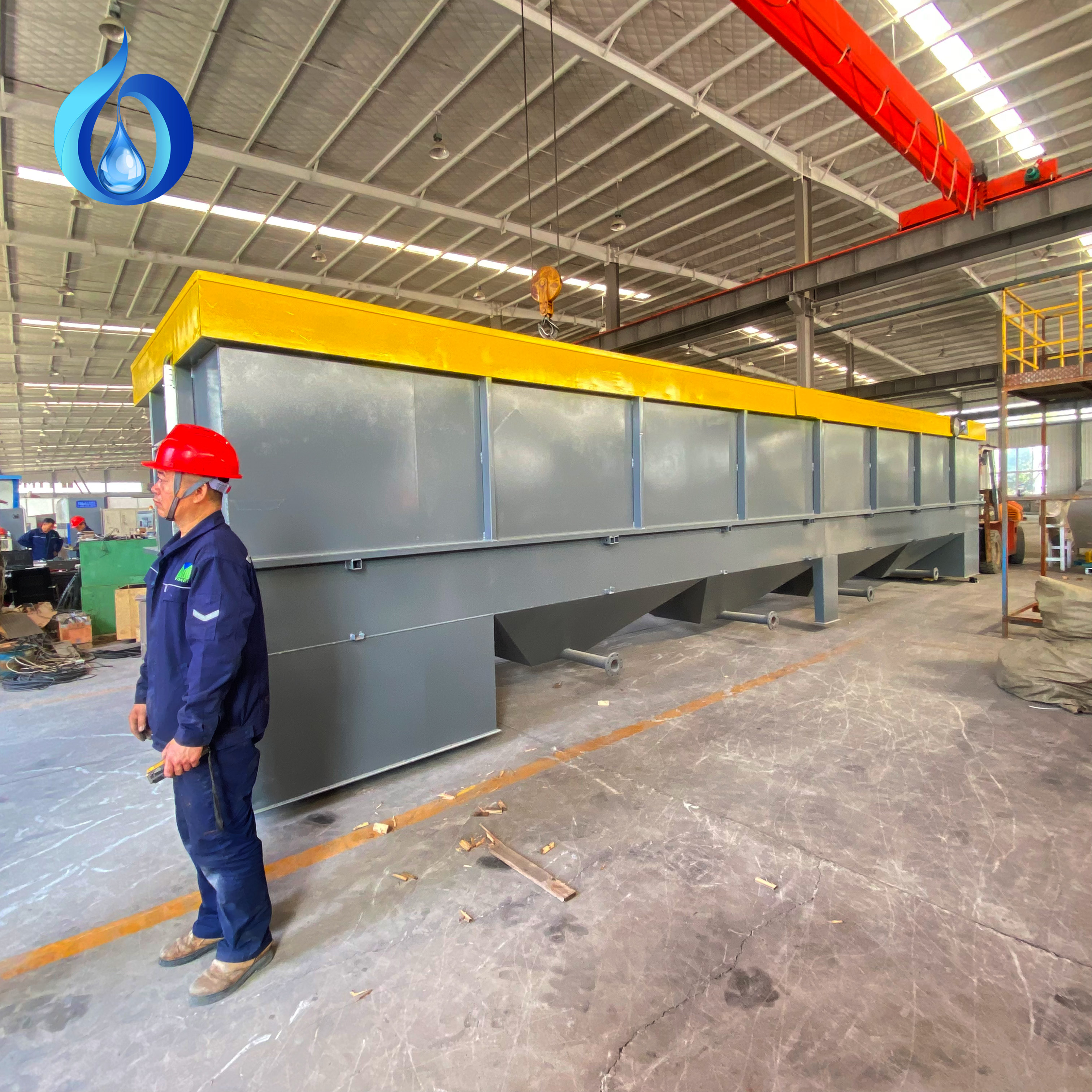
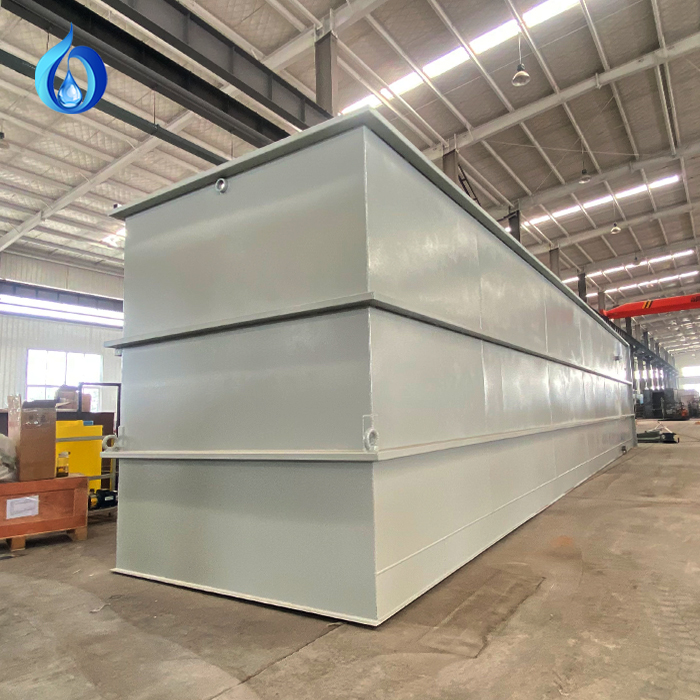
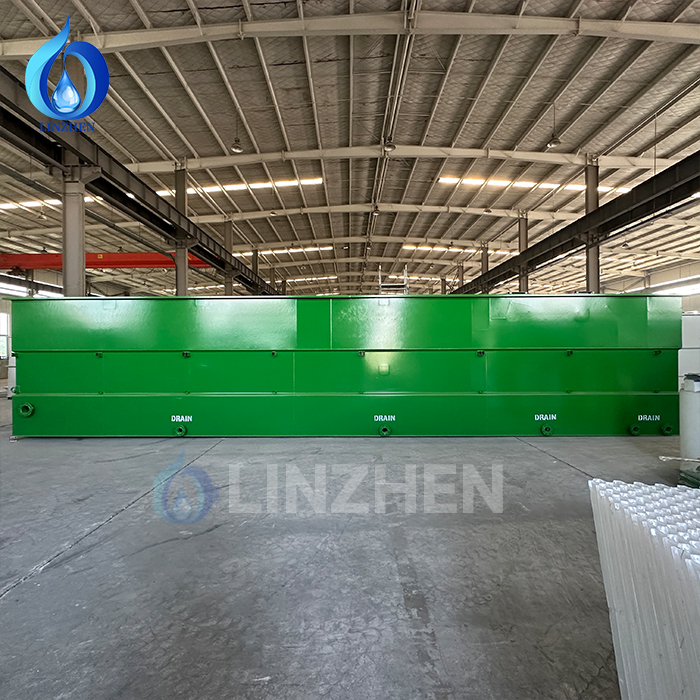
Modern industrial facilities constantly face spatial constraints, making footprint optimization vital for operational growth. A lamella clarifier solves space limitations by offering rapid, high-efficiency solids separation within a compact frame. Unlike sprawling conventional clarification tanks, a lamella clarifier leverages structured vertical geometry to handle massive volume flow rates, delivering exceptional clarity while consuming minimal floor area.
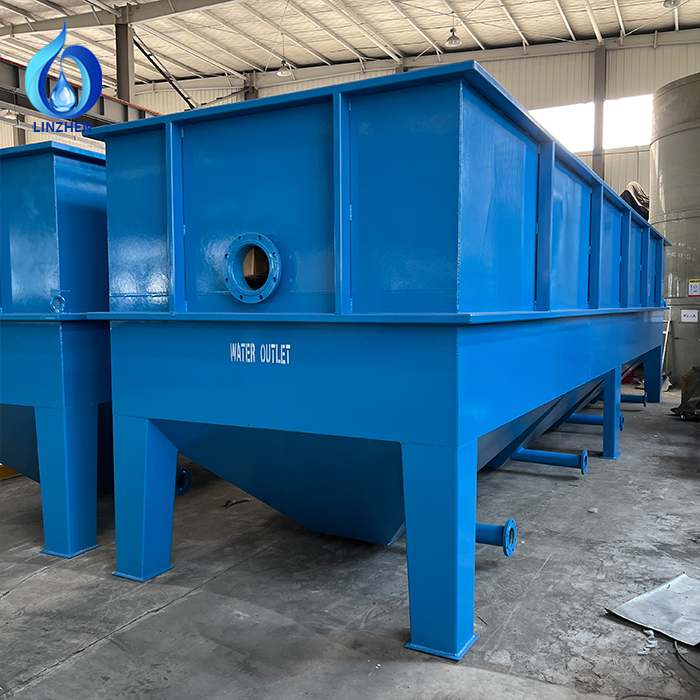
The core performance of any lamella clarifier relies on inclined parallel plates engineered to multiply internal settlement surfaces. By directing influent across stacked plate bundles, a lamella clarifier converts horizontal land demands into smart vertical capacity. Facilities upgrading to a lamella clarifier achieve superior solid-liquid separation, stable hydraulic retention, and smooth process scaling without costly real estate expansion.
Engineering Principles of a Space-Saving Lamella Clarifier
Parallel Plate Physics and Volume Efficiency
The physical foundation of a lamella clarifier centers on maximizing active settling area within a compact vessel footprint. Standard sedimentation basins require large surface dimensions to allow particles adequate drop time. In contrast, a lamella clarifier arranges closely spaced plates at specific angles (typically 55° to 60°), dividing incoming fluid into thin, manageable streams. This design allows a lamella clarifier to achieve up to ten times the effective settling surface of a traditional clarifier occupying the same ground area.
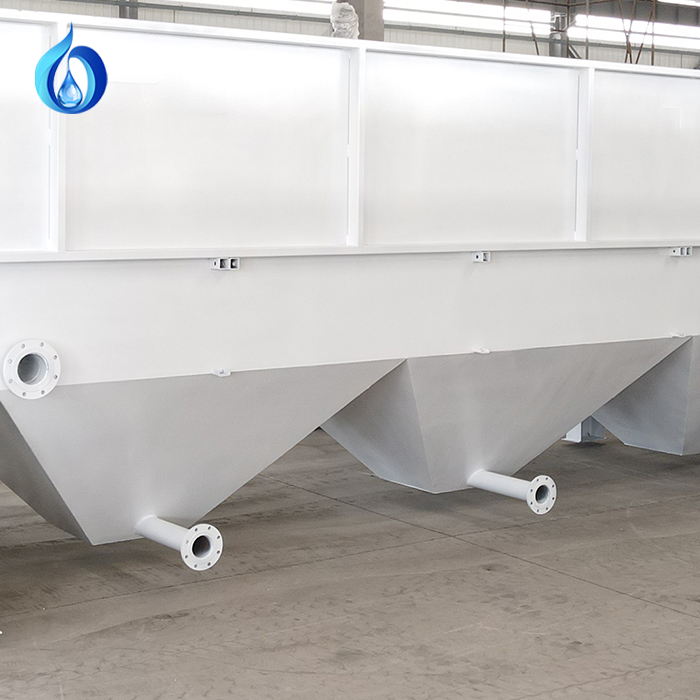
As untreated liquid travels through a lamella clarifier, heavy suspended solids quickly settle over short vertical distances onto plate slopes. Gravity then slides accumulated sludge downward into the sludge hopper while clear water flows upward to discharge launders. By utilizing vertical depth over lateral expansion, a lamella clarifier cuts real estate demands down to 20 to 30 percent of legacy baseline systems.
Optimized Hydraulics and Continuous Flow Stability
A high-performing lamella clarifier requires balanced hydraulic distribution across every internal channel to avoid short-circuiting or local turbulence. Premium lamella clarifier systems integrate custom feed manifolds and weir troughs that regulate water velocity uniformly across the plate matrix. Uniform flow distribution ensures maximum particle retention, maintaining consistent effluent clarity even during severe flow surges.
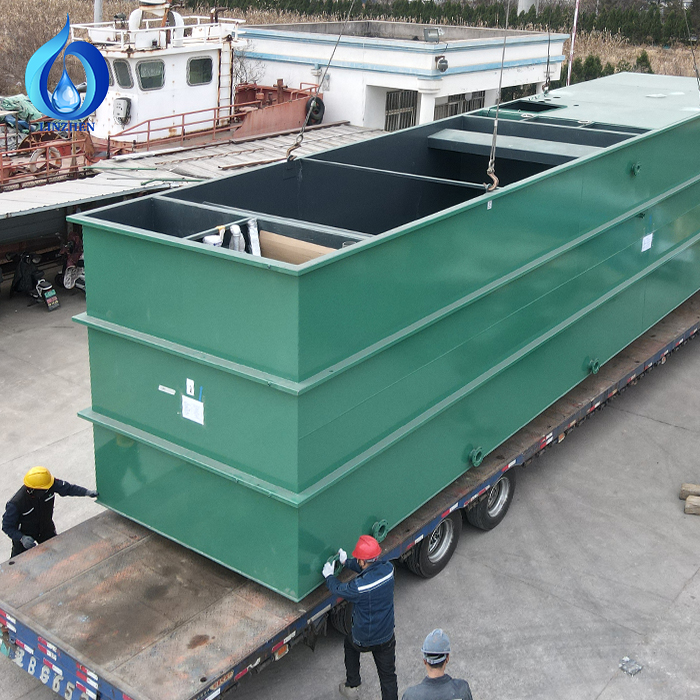
Because a lamella clarifier packs high functional throughput into a compact envelope, it simplifies physical integration across complex industrial layouts. Upgrading to a modern lamella clarifier eliminates extensive foundation work or massive earthworks. Plants can easily position a modular lamella clarifier indoors, on elevated steel platforms, or inside compact equipment enclosures near upstream process units.
Economic and Operational Gains of Footprint Reduction
Capital Expenditure and Site Infrastructure Savings
Deploying a lamella clarifier generates direct financial benefits by lowering overall construction and civil engineering costs. Traditional sedimentation units require massive concrete basins, extensive piping networks, and heavy ground excavation. A compact lamella clarifier eliminates these structural demands, allowing facilities to allocate capital toward core manufacturing assets. The reduced dimensions of a lamella clarifier also minimize structural support costs when installing systems on upper floors or suspended decks.
Operating expenses drop significantly when running a well-engineered lamella clarifier. Optimized particle settlement within plate gaps often cuts coagulant and polymer chemical dosages. Additionally, a lamella clarifier concentrates sludge efficiently at the lower hopper basin, reducing downstream sludge dewatering demands, energy consumption, and off-site disposal expenditures.
Future-Proofing Site Planning and Facility Upgrades
Industrial production needs shift rapidly due to new market demands, capacity expansions, or tighter environmental regulations. Installing a lamella clarifier keeps site layouts flexible by preserving open real estate for future machinery or storage infrastructure. If production expands, additional lamella clarifier modules can be added in parallel without triggering total facility redesigns.
A compact lamella clarifier also reduces environmental containment liabilities. Smaller overall equipment footprints translate to less exposed liquid area, simplified secondary containment dikes, and lower risk during chemical washing or routine maintenance shutdowns. Adopting a lamella clarifier aligns site management directly with modern environmental, health, and safety standards.
Integration Strategies for Maximum Settlement Performance
Sizing and Configuration Criteria
To extract maximum value from a lamella clarifier, precise sizing based on hydraulic loading rates, influent suspended solids (TSS), and particle settling velocity is essential. Oversizing a lamella clarifier adds unnecessary footprint, while undersizing leads to plate fouling and poor effluent quality. Customizing plate spacing, surface materials, and internal feed channels allows a lamella clarifier to process challenging industrial wastewater, including heavy metal flocs, oily streams, and mining slurries.
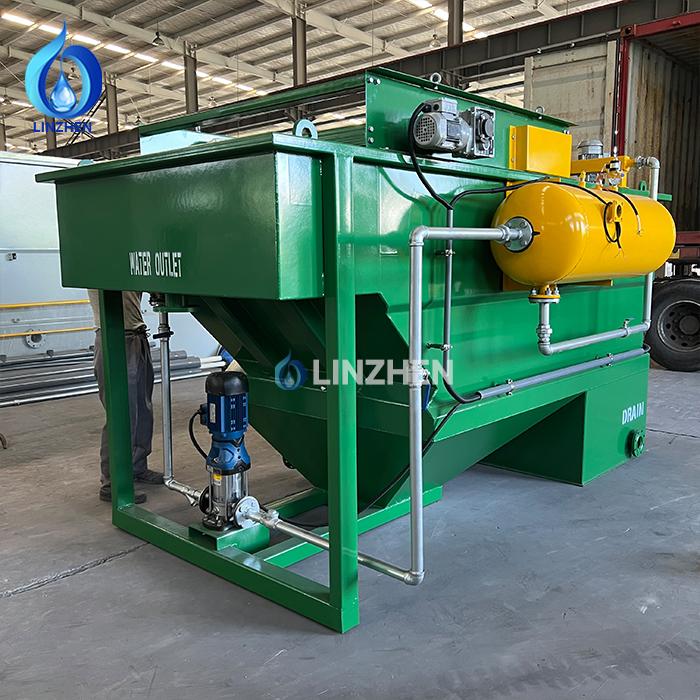
Selecting advanced lamella clarifier configurations with built-in flash mixer tanks, flocculators, or automated desludging valves boosts operational reliability. Modern lamella clarifier units feature removable plate packs and anti-fouling coatings that accelerate maintenance and preserve long-term operational uptime.
Retrofit Compatibility and Maintenance Access
A primary advantage of a lamella clarifier is its adaptability as a retrofit solution inside aging treatment plants. Old circular or rectangular clarifiers that fail current throughput demands can be converted into high-capacity settlement zones by dropping prefabricated lamella clarifier plate modules directly into existing basins. This retrofit strategy boosts throughput up to 300% without altering the plant's physical footprint.
Proper maintenance clearances must be built into the layout around any lamella clarifier unit. Maintenance teams require safe access above plate packs for inspection, high-pressure washing, and hose cleaning. Integrating a lamella clarifier with automated sludge pumps ensures continuous solids removal, preventing bottom blockage and preserving peak liquid-solid separation performance year-round.
FAQ
How much physical space does a lamella clarifier save compared to conventional tanks?
A lamella clarifier typically reduces footprint requirements by 65 to 85 percent compared to traditional circular settling basins. By stacking inclined settlement plates vertically inside a single compact frame, a lamella clarifier handles high flow volumes within a fraction of the land area required by older technologies.
Why is a lamella clarifier ideal for plant retrofits and expansions?
A lamella clarifier features a compact, modular design that fits inside existing building bays or congested utility corridors. Facilities can easily retrofit a lamella clarifier into legacy tanks or install new units on compact foundations without expensive earthwork or lengthy plant downtime.
What routine maintenance keeps a lamella clarifier operating efficiently?
Maintaining a lamella clarifier involves periodic inspection and cleaning of the internal plate matrix to prevent bio-fouling or sludge buildup. Ensuring automated sludge pumps clear the bottom collection hopper regularly prevents solids accumulation, allowing the lamella clarifier to maintain optimum settlement performance.
 EN
EN