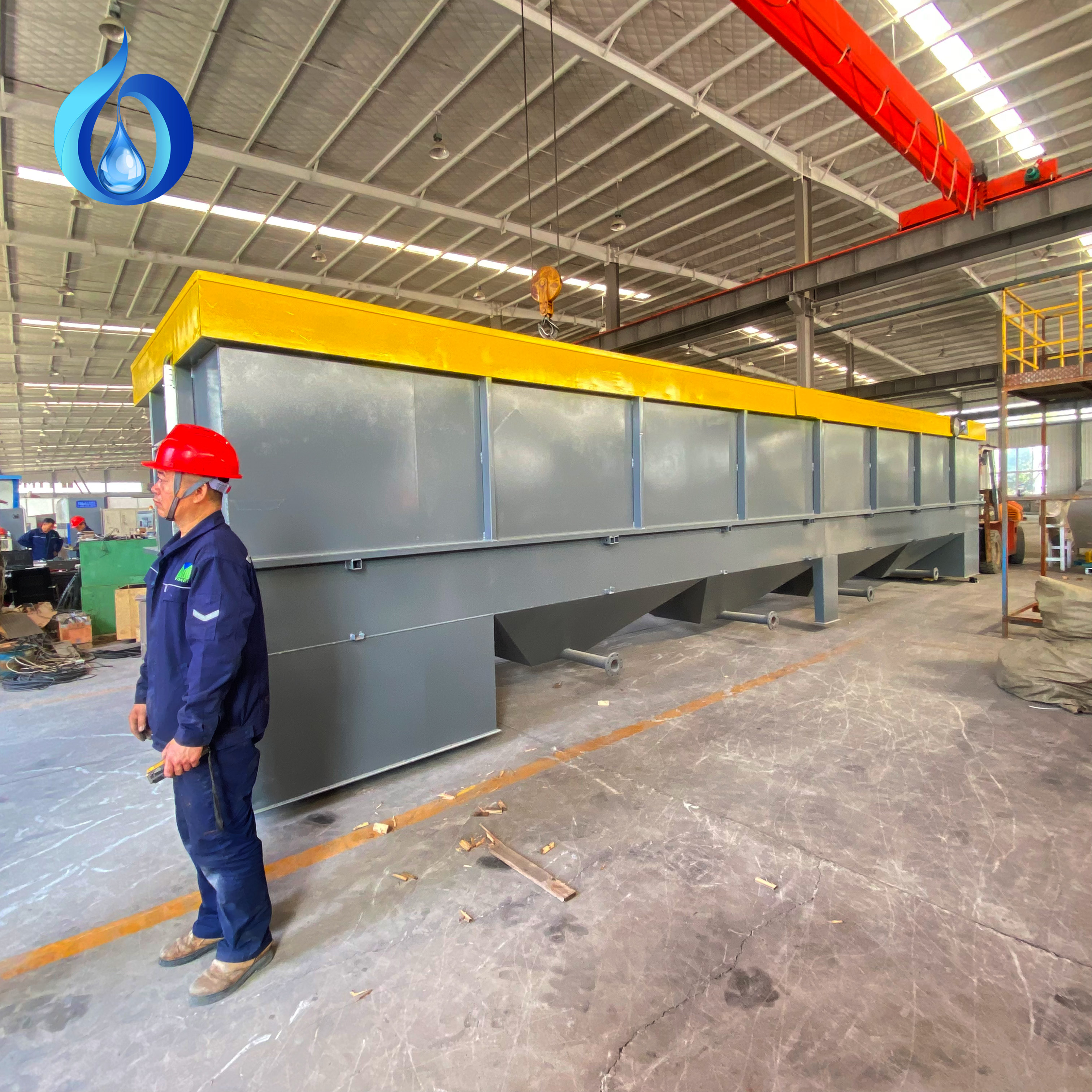
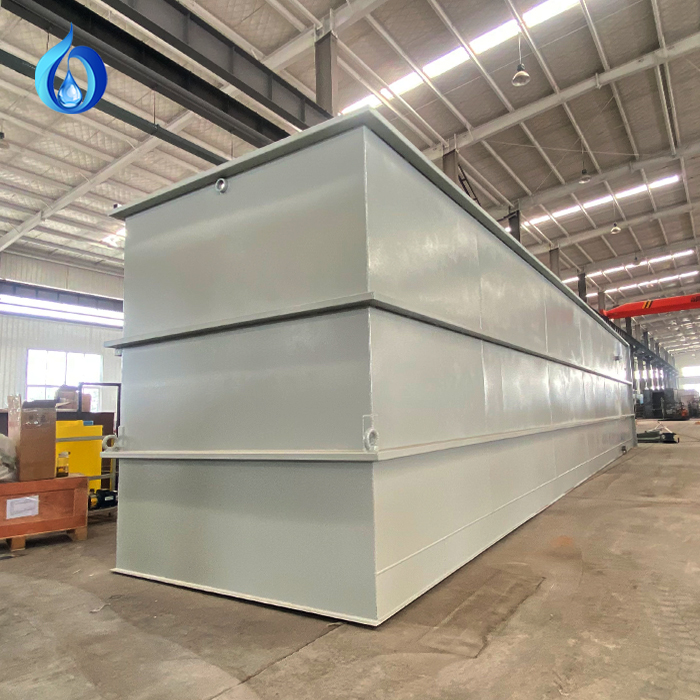
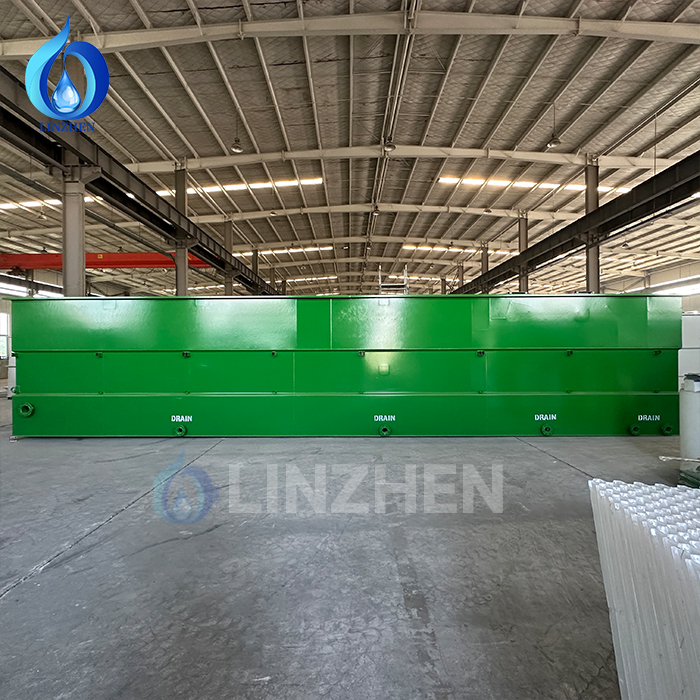
The question of whether sewage treatment sludge can serve as safe farm compost is increasingly important for agricultural operations seeking sustainable soil amendments. Sewage treatment facilities process millions of gallons of wastewater daily, and the byproduct—often called biosolids or sludge—contains significant organic matter and nutrients. However, the safety and efficacy of using sewage treatment sludge in agriculture depend on several critical factors including nutrient content, contaminant levels, pathogen reduction, and regulatory compliance. Understanding these elements helps farmers and land managers make informed decisions about incorporating sewage treatment materials into their composting programs.
Sewage treatment sludge originates from both primary and secondary treatment processes, where solids are separated from liquid wastewater. The nutrient profile of this material is genuinely valuable—it typically contains nitrogen, phosphorus, potassium, and micronutrients that plants require for growth. When sewage treatment processes properly concentrate and stabilize these solids, the resulting biosolids can deliver meaningful plant food value. The challenge lies not in nutrient availability but in ensuring that heavy metals, pathogens, persistent organic pollutants, and other contaminants are reduced to levels acceptable for agricultural land application.
Nutrient Content in Sewage Treatment Sludge
Primary Macronutrients and Bioavailability
Sewage treatment sludge contains nitrogen ranging from 2 to 6 percent on a dry weight basis, phosphorus from 1 to 3 percent, and potassium typically below 1 percent. These macronutrients exist in forms that become gradually available to plants as the organic matter decomposes. The nitrogen in sewage treatment materials occurs in both organic and inorganic forms; organic nitrogen mineralizes slowly, providing a long-term nutrient supply that reduces leaching risk compared to synthetic fertilizers. Phosphorus in sewage treatment sludge is particularly valuable because it addresses deficiencies common in many agricultural soils and binds strongly to soil particles, minimizing environmental transport to waterways.
Micronutrients and Trace Elements
Beyond the major nutrients, sewage treatment sludge contains essential micronutrients including zinc, copper, iron, manganese, and boron. These elements often appear in insufficient quantities in degraded agricultural soils, making sewage treatment biosolids a practical source for micronutrient supplementation. However, the concentration of trace metals in sewage treatment materials varies based on industrial input sources to the wastewater system. Municipal sewage treatment facilities receiving discharge from metal processing, plating operations, or other industrial users may accumulate copper, zinc, nickel, and cadmium at levels exceeding agricultural safety standards, even though many trace elements contribute plant nutrition when present at appropriate concentrations.
Safety and Contaminant Considerations
Pathogenic Organisms and Treatment Standards
The primary safety concern with sewage treatment sludge involves pathogenic microorganisms including bacteria, viruses, and parasites originating from human waste. Regulatory frameworks like the U.S. Environmental Protection Agency's Part 503 Rule establish strict sewage treatment standards that classify biosolids into Class A and Class B categories based on pathogen reduction levels. Class A sewage treatment biosolids undergo processes like heat treatment, composting, or alkaline stabilization that reduce pathogenic indicator organisms to undetectable levels, making them suitable for unrestricted use on food crops. Class B sewage treatment sludge requires pathogen reduction to lower levels but not elimination, restricting application timing and crop types to minimize direct human contact with biosolids during and after application.
Heavy Metal Accumulation and Regulatory Limits
Heavy metals present the second major safety challenge for sewage treatment sludge use in agriculture. Cadmium, chromium, lead, mercury, molybdenum, nickel, selenium, and zinc concentrations in sewage treatment materials are regulated because these elements accumulate in soils over time and can transfer to crop tissue or leach into groundwater. The EPA establishes ceiling concentrations for sewage treatment biosolids that cannot be exceeded under any circumstances, plus cumulative loading rates that limit the total mass of each metal applied to agricultural land over time. Meeting these standards requires sewage treatment facilities to implement source control programs preventing industrial dischargers from contaminating incoming wastewater with excessive heavy metals, and regular monitoring confirming that biosolids meet applicable limits before agricultural land application.
Regulatory Framework and Safe Application Practices
Certification and Testing Requirements
Legitimate agricultural use of sewage treatment sludge depends on third-party certification and comprehensive testing demonstrating safety compliance. Permitted sewage treatment facilities must conduct sampling and analysis of biosolids according to EPA protocols, documenting pathogen levels, heavy metal concentrations, and organic contaminant screening. This data becomes part of the public record, allowing farmers and regulators to verify that sewage treatment materials meet safety standards before land application. The testing burden creates an important quality gate—facilities cutting corners on monitoring or treatment cannot legally sell biosolids for agricultural use, and farmers selecting certified biosolids gain reasonable assurance of regulatory compliance and safety.
Best Management Practices for Integration
Even when sewage treatment sludge meets all regulatory requirements, proper application technique enhances both safety and agronomic benefit. Best practices for sewage treatment biosolids include incorporating material into soil within 24 hours of application to minimize pathogen survival and reduce odor problems, avoiding application to food crops intended for direct human consumption without additional processing, and maintaining records documenting sewage treatment biosolids source, application rate, metal loading, and crop response. Farmers should also implement rotational grazing restrictions and harvesting delays following sewage treatment application to allow microbial die-off and nutrient stabilization. Professional soil testing before sewage treatment biosolids application establishes baseline conditions and helps quantify nutrient amendments needed, preventing over-application and metal accumulation.
Practical Considerations for Farm Decision-Making
Cost-Benefit Analysis and Sourcing
The economic case for sewage treatment sludge in farm composting often appears attractive because municipalities and sewage treatment facilities sometimes provide biosolids at minimal cost or even pay farmers to accept material, reducing disposal expenses for the treatment facility. When sewage treatment biosolids are dewatered and stabilized through composting before agricultural application, the nutrient content and soil structure improvement justify the handling and incorporation effort. However, farmers must verify that the sewage treatment supplier provides documentation of all required testing, certifications confirming Class A or appropriately managed Class B status, and compliance letters from state environmental agencies. Selecting reputable sewage treatment facilities with established agricultural programs and transparent testing protocols minimizes regulatory risk and ensures the material delivers genuine soil improvement rather than contamination.
Integration with Existing Compost Systems
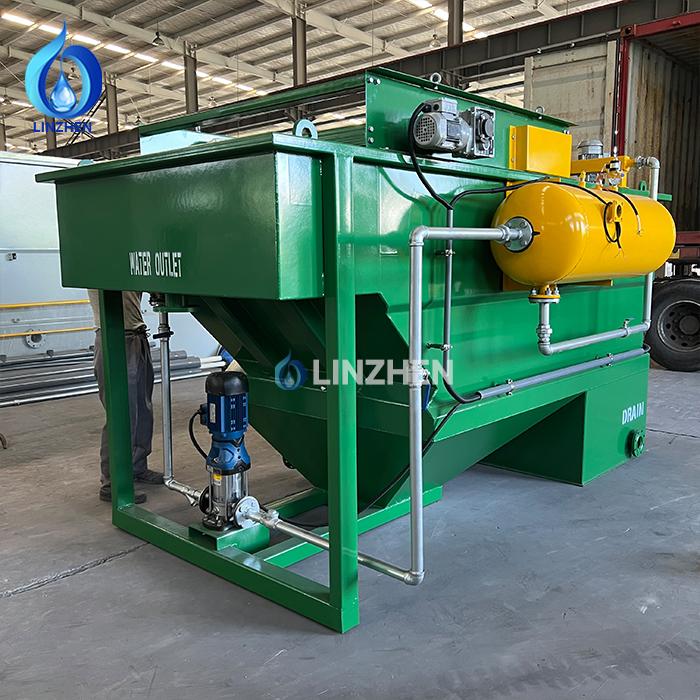
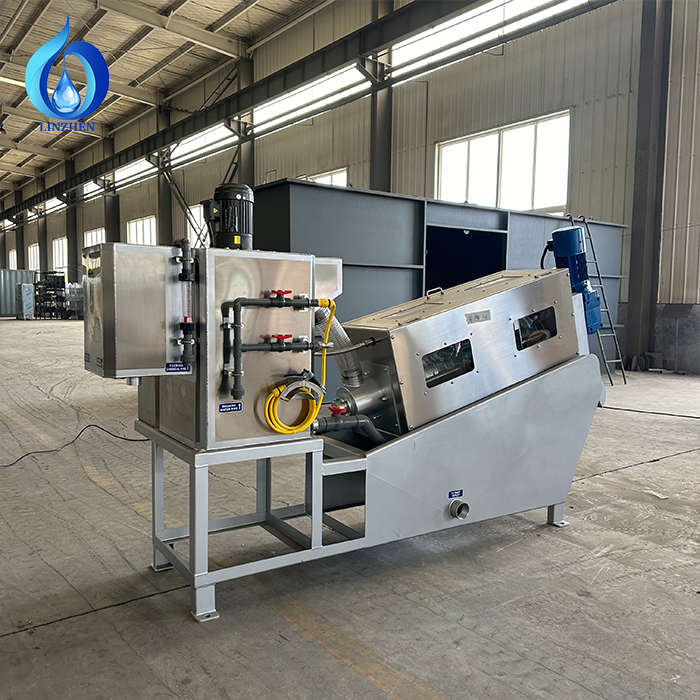
Sewage treatment sludge integrates effectively into established farm composting systems when combined with carbon-rich materials like agricultural residues, yard waste, or animal bedding. The carbon materials balance the nitrogen-rich sewage treatment biosolids, creating a compost mixture with appropriate carbon-to-nitrogen ratios between 20:1 and 30:1 for optimal decomposition. Proper composting processes that achieve internal temperatures above 140 degrees Fahrenheit further reduce any remaining pathogens in sewage treatment materials and kill weed seeds, producing finished compost suitable for broad agricultural application. A sewage treatment facility using modern dewatering equipment significantly improves the handling and transportation economics of biosolids destined for farm composting, reducing moisture content and enabling practical integration into on-farm processes.
FAQ
Does sewage treatment sludge contain enough plant nutrients to replace fertilizer?
Sewage treatment sludge contains meaningful concentrations of nitrogen, phosphorus, and micronutrients that contribute to plant nutrition, but typically cannot fully replace commercial fertilizer for high-yield agriculture. The slow release characteristic of nutrients in sewage treatment biosolids makes it excellent for soil conditioning and long-term nutrient supply, while synthetic fertilizers deliver rapid nutrient availability matching crop uptake timing. Most farms benefit from combining sewage treatment sludge with targeted fertilizer applications, using the biosolids primarily for soil building while fertilizers address immediate crop nutrient demands.
What regulatory approval is needed before applying sewage treatment biosolids to agricultural land?
Agricultural application of sewage treatment biosolids requires documentation that the material meets EPA Part 503 pathogen and heavy metal standards, certification by the sewage treatment facility that testing was completed according to regulatory protocols, and often state-level notification or permit approval depending on local regulations. Farmers should request certificates of analysis from the sewage treatment source and verify that the facility holds appropriate permits for biosolids distribution. Many states require advance notification to environmental agencies and may impose specific application restrictions, so consulting with your state's agriculture or environmental department before sewage treatment biosolids use prevents compliance violations.
Can sewage treatment sludge be safely used for food crop production?
Only Class A sewage treatment biosolids meeting the strictest pathogen reduction standards can be used for unrestricted food crop production, and even then, many organic certification programs and food safety audits restrict or prohibit sewage treatment biosolids regardless of regulatory compliance. Class B sewage treatment materials require harvesting delays and typically cannot contact food crops intended for direct human consumption, limiting application to pasture, hay production, and non-food crops. Always verify specific requirements with your organic certifier, buyer contracts, and food safety protocols before sewage treatment biosolids application, as market buyers often impose standards exceeding regulatory minimums.
 EN
EN