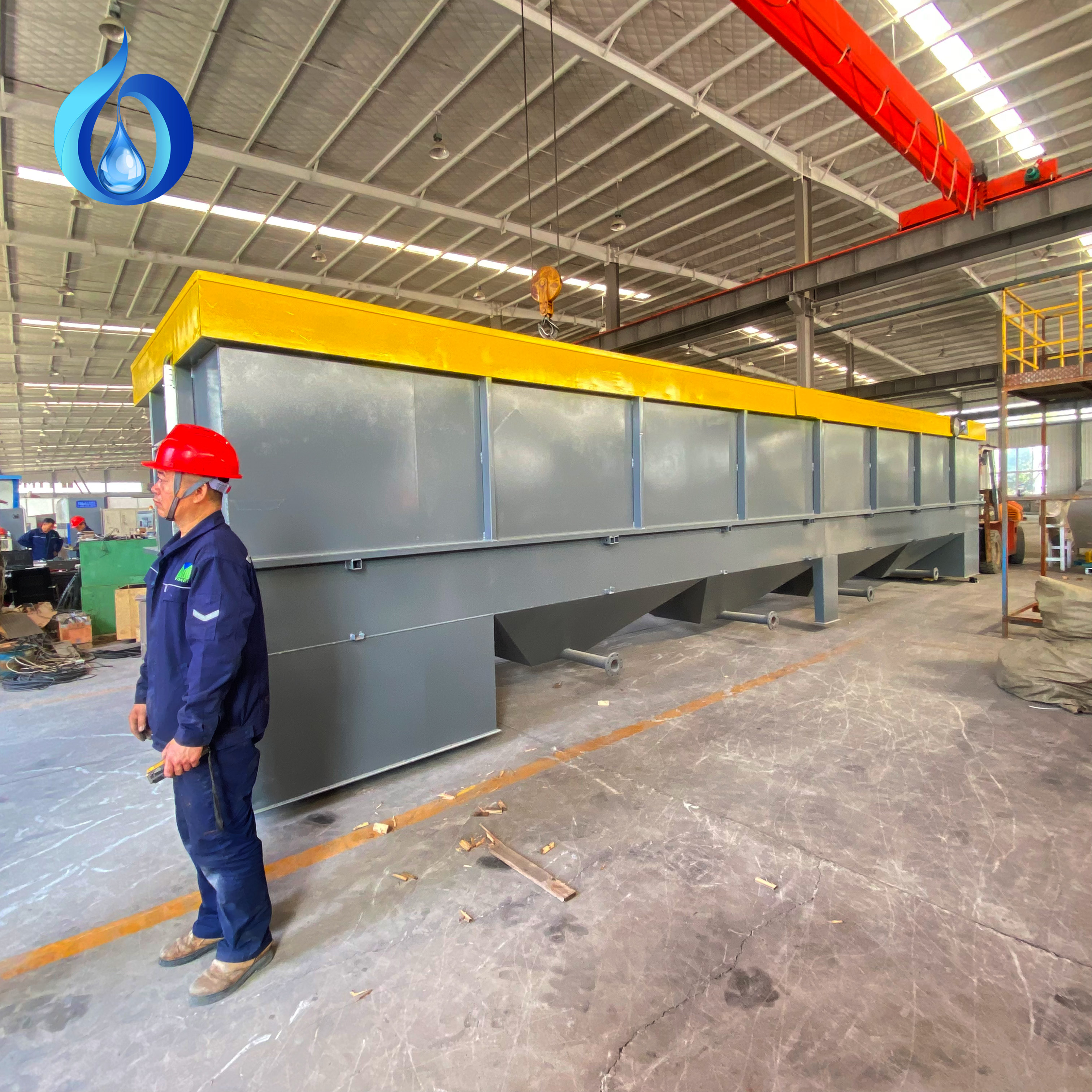
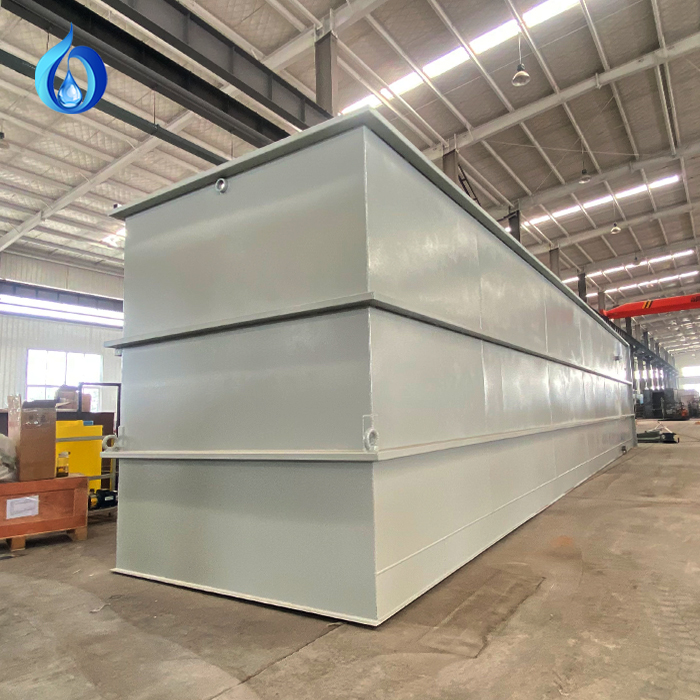
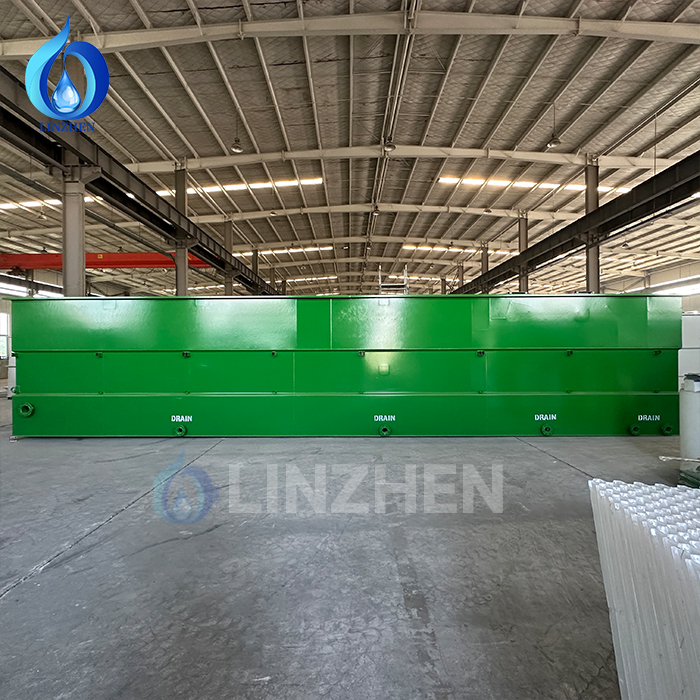
One of the most significant operational challenges in wastewater treatment facilities is managing the volume of sludge produced during the treatment process. Traditional activated sludge systems generate substantial quantities of waste sludge that require costly handling, dewatering, and disposal. When facility managers evaluate whether to upgrade or retrofit their treatment infrastructure, a critical question emerges: does mbr wastewater treatment yield less waste sludge than conventional old-style activated sludge systems? The answer is definitively yes, and understanding the reasons behind this advantage can inform strategic infrastructure decisions for municipal and industrial operators.
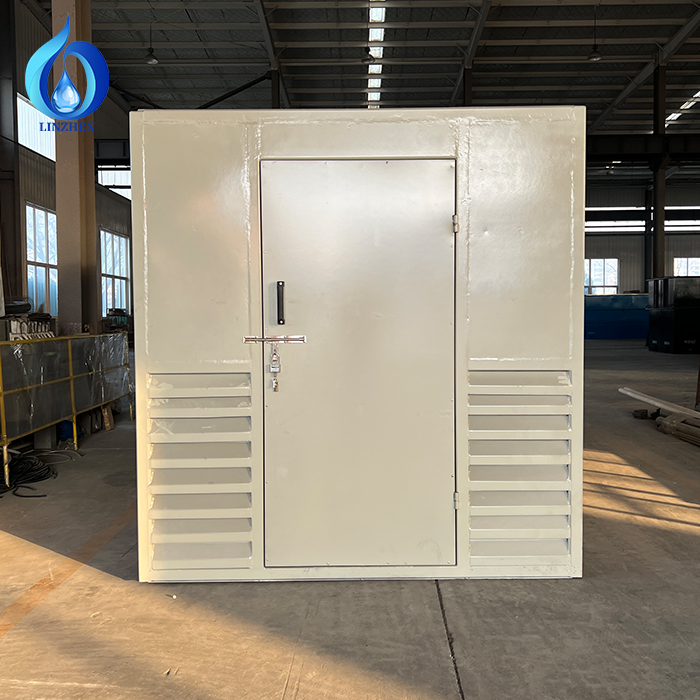
The fundamental reason mbr wastewater treatment produces less sludge relates to the enhanced biological efficiency of the membrane bioreactor process. Unlike traditional systems where sludge separation relies on gravity settling in clarifiers, mbr wastewater treatment uses submerged membrane filtration to achieve superior solids separation. This technological advancement enables higher mixed liquor suspended solids (MLSS) concentrations within the bioreactor, allowing more efficient microbial degradation of organic matter before sludge generation occurs. The result is a measurable reduction in final sludge production per unit of wastewater treated.
How Membrane Technology Reduces Sludge Production
Superior Biomass Retention and Efficiency
The core mechanism behind sludge reduction in mbr wastewater treatment is the ability to maintain higher concentrations of active biomass within the treatment tank. In old-style activated sludge systems, the biomass concentration is limited by the settling characteristics of the sludge in the secondary clarifier, typically ranging from 2,000 to 4,000 mg/L. By contrast, mbr wastewater treatment systems can operate at MLSS concentrations of 8,000 to 15,000 mg/L or higher, with some installations reaching 20,000 mg/L. This higher biomass concentration means more microorganisms are available to decompose organic contaminants simultaneously. The membrane barrier in mbr wastewater treatment ensures complete biomass retention within the bioreactor, preventing any biomass washout that occurs in conventional settling basins.
This operational characteristic directly translates to lower sludge yields. Sludge yield is measured as the mass of sludge produced per unit mass of organic matter removed. Traditional activated sludge systems typically exhibit yields of 0.4 to 0.6 kg dry solids per kg BOD removed, whereas mbr wastewater treatment achieves yields as low as 0.15 to 0.35 kg dry solids per kg BOD removed under optimized conditions. The enhanced biological activity within the dense biomass ecosystem of mbr wastewater treatment means more thorough biodegradation occurs, leaving less material to become sludge.
Extended Solids Retention Time Benefits
Another advantage of mbr wastewater treatment is the flexibility to operate at extended solids retention times (SRT) without the constraint of poor settling kinetics. In old-style activated sludge systems, prolonging the SRT becomes problematic because aging biomass settles poorly, leading to operational instability. However, mbr wastewater treatment allows operators to maintain SRTs of 20 to 40 days or longer without clarifier limitations. Extended SRT in mbr wastewater treatment permits greater endogenous respiration, a process where microorganisms consume their own biomass when external food sources become depleted. This biological self-consumption reduces the net amount of biomass that must be wasted from the system, thereby directly lowering sludge production compared to conventional systems operated at shorter SRTs.
Sludge Quality and Disposal Cost Implications
Improved Sludge Characteristics
Beyond the quantitative reduction in sludge volume, mbr wastewater treatment produces sludge with superior quality characteristics. The high biological activity and extended retention times in mbr wastewater treatment systems result in more thoroughly stabilized sludge, often exhibiting reduced odor potential and lower pathogenic microorganism concentrations. This means the sludge generated from mbr wastewater treatment requires less additional chemical stabilization or thermal treatment before final disposal. The improved biodegradability and reduced contaminant levels in mbr wastewater treatment sludge can justify higher treatment intensity, since less total mass must be processed.
The operational cost savings from reduced sludge handling cannot be overstated. Facilities employing mbr wastewater treatment report 30 to 50 percent reductions in sludge handling and disposal costs compared to equivalent-capacity old-style activated sludge plants. When a treatment facility processes 5,000 to 10,000 cubic meters of wastewater daily, this cost differential becomes economically significant. The dewatering, transportation, and final disposal or beneficial reuse of sludge from mbr wastewater treatment generates substantially lower tonnage, directly reducing operational expenses throughout the treatment chain.
Environmental and Regulatory Compliance
Regulatory agencies increasingly focus on sludge quality and the environmental impact of disposal practices. The superior effluent quality and reduced sludge production from mbr wastewater treatment align with tightening environmental standards. Facilities adopting mbr wastewater treatment often achieve compliance with stringent nutrient removal requirements and pathogenic microorganism limits more readily than conventional systems. Additionally, the lower mass of sludge produced from mbr wastewater treatment means fewer disposal options must be managed, simplifying regulatory documentation and environmental monitoring protocols required by permitting authorities.
Practical Operational and Economic Considerations
Capital Investment versus Long-term Savings
While mbr wastewater treatment technology requires higher initial capital investment compared to old-style activated sludge systems, the operational cost advantages create a favorable economic case for many facilities. The reduced sludge production from mbr wastewater treatment translates into lower ongoing expenses for dewatering equipment, transportation, and disposal. For facilities where sludge disposal represents a significant operational cost, mbr wastewater treatment investment often achieves payback within 5 to 10 years. The mbr wastewater treatment systems designed for municipal and industrial applications incorporate membrane cleaning and maintenance into their operational structure, ensuring predictable long-term performance and cost control.
Facility Footprint and Space Efficiency
The efficiency of mbr wastewater treatment enables treatment plants to achieve equivalent effluent quality in a substantially smaller physical footprint than old-style activated sludge installations. The compact bioreactor design of mbr wastewater treatment eliminates the need for large secondary clarifiers, reducing the overall site area required for treatment infrastructure. For urban wastewater treatment facilities or industrial plants with limited available land, mbr wastewater treatment offers a practical solution that also produces less sludge. This space efficiency, combined with reduced sludge generation from mbr wastewater treatment, makes the technology particularly attractive for facility expansions or replacements in constrained environments.
FAQ
Why does mbr wastewater treatment produce less sludge than traditional activated sludge systems?
mbr wastewater treatment produces less sludge primarily because it maintains higher biomass concentrations and enables extended solids retention times without settling limitations. The membrane filtration in mbr wastewater treatment completely retains biomass within the bioreactor, allowing 8,000 to 15,000 mg/L MLSS concentrations compared to 2,000 to 4,000 mg/L in conventional systems. This denser biomass ecosystem achieves more complete organic degradation through endogenous respiration, resulting in sludge yields of 0.15 to 0.35 kg/kg BOD removed versus 0.4 to 0.6 kg/kg BOD removed for old-style activated systems.
What are the cost implications of using mbr wastewater treatment instead of conventional systems?
Although mbr wastewater treatment requires higher initial capital investment, operational costs are substantially lower due to reduced sludge handling, dewatering, transportation, and disposal expenses. Facilities report 30 to 50 percent reductions in sludge management costs with mbr wastewater treatment compared to conventional systems. For medium to large treatment facilities processing thousands of cubic meters daily, these cumulative savings often achieve payback of the initial mbr wastewater treatment investment within 5 to 10 years of operation.
Is sludge from mbr wastewater treatment suitable for beneficial reuse applications?
Yes, sludge quality from mbr wastewater treatment is often superior to conventional systems, exhibiting lower pathogenic microorganism concentrations, reduced odor potential, and higher biodegradability. The extended retention times and thorough stabilization processes inherent to mbr wastewater treatment produce sludge that meets requirements for land application, composting, or other beneficial reuse programs in many jurisdictions. The reduced volume of sludge from mbr wastewater treatment simplifies logistics and handling for these applications.
 EN
EN