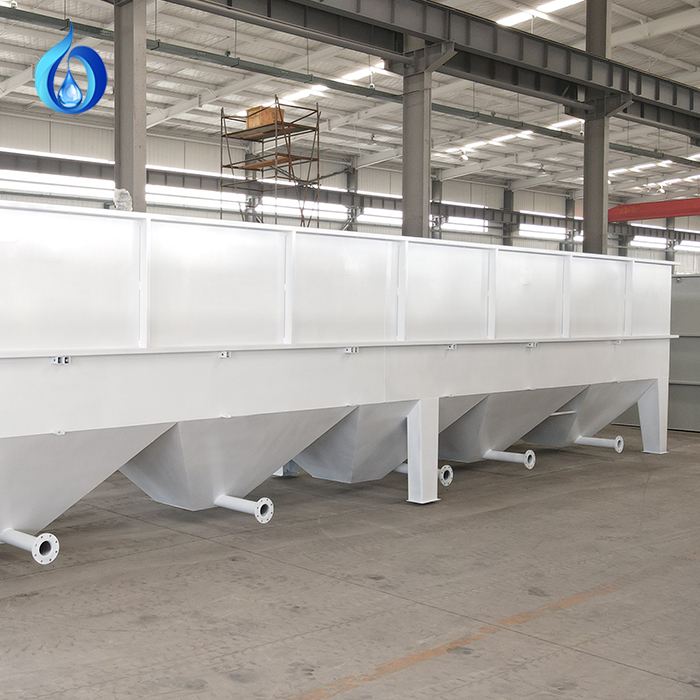
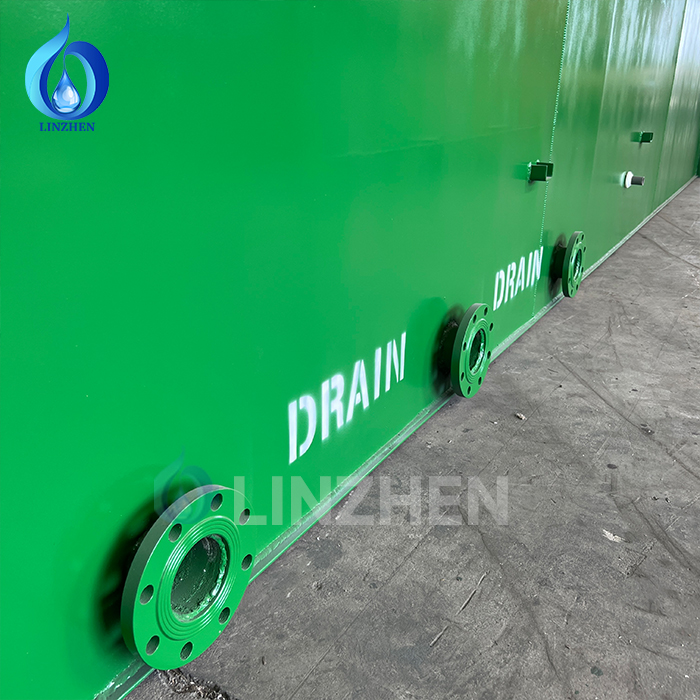
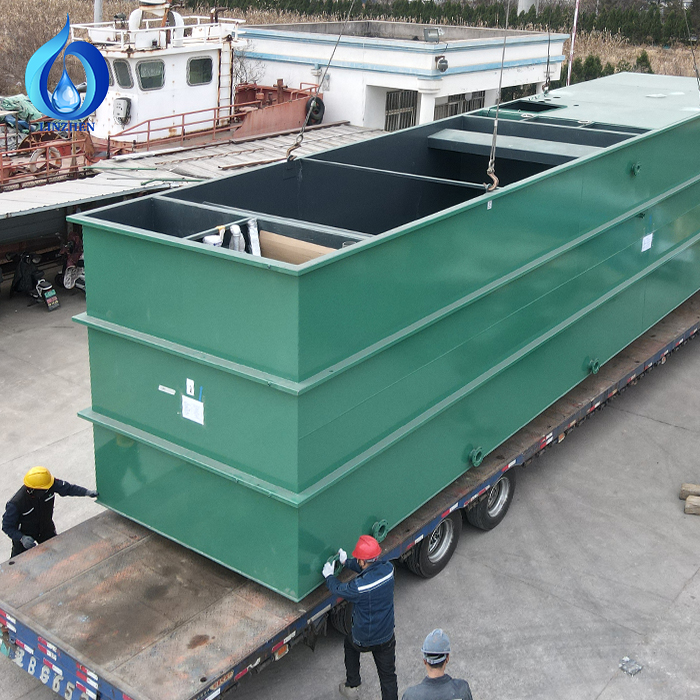
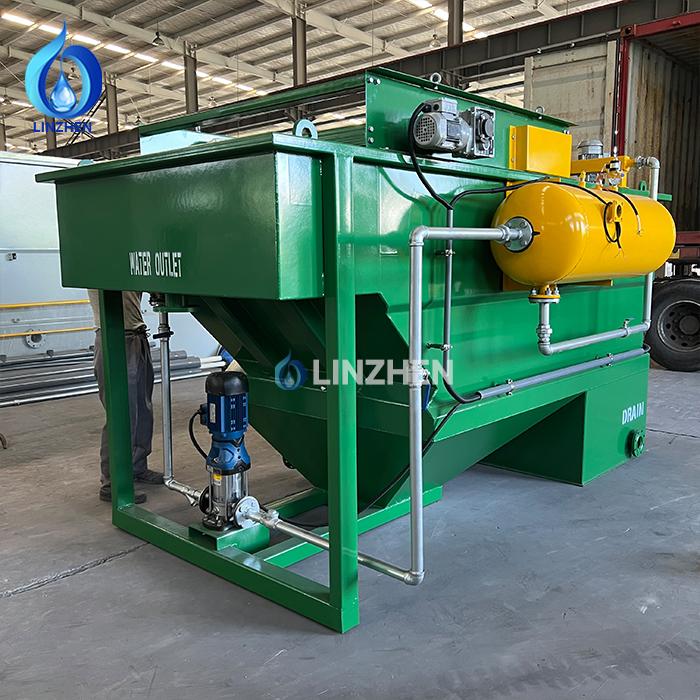
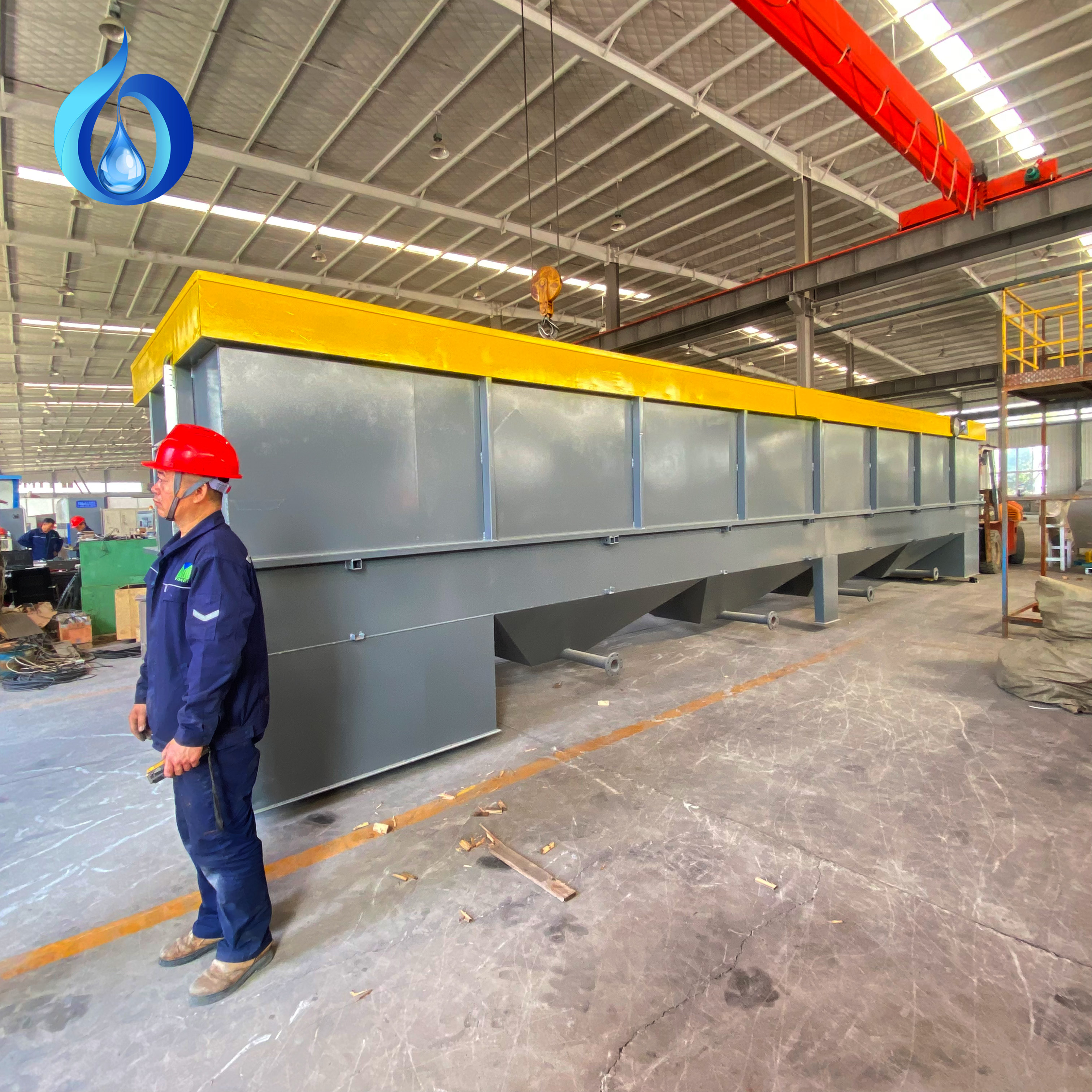
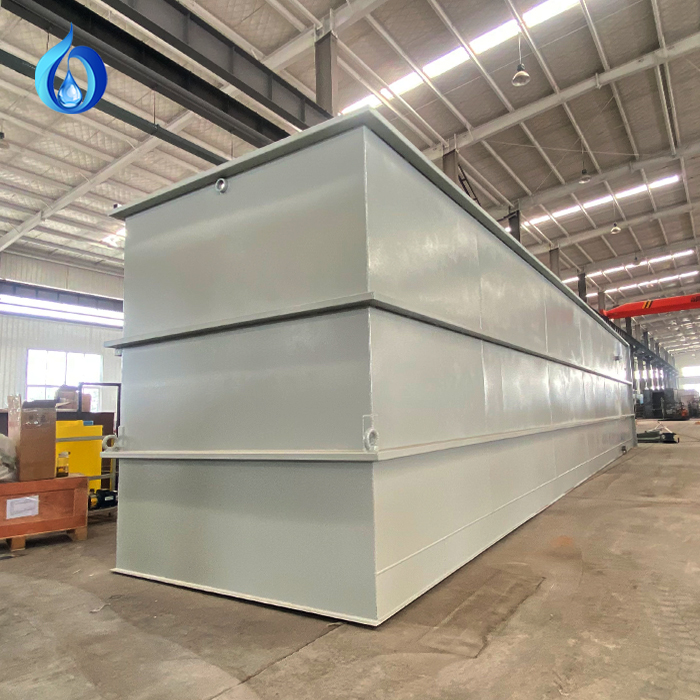
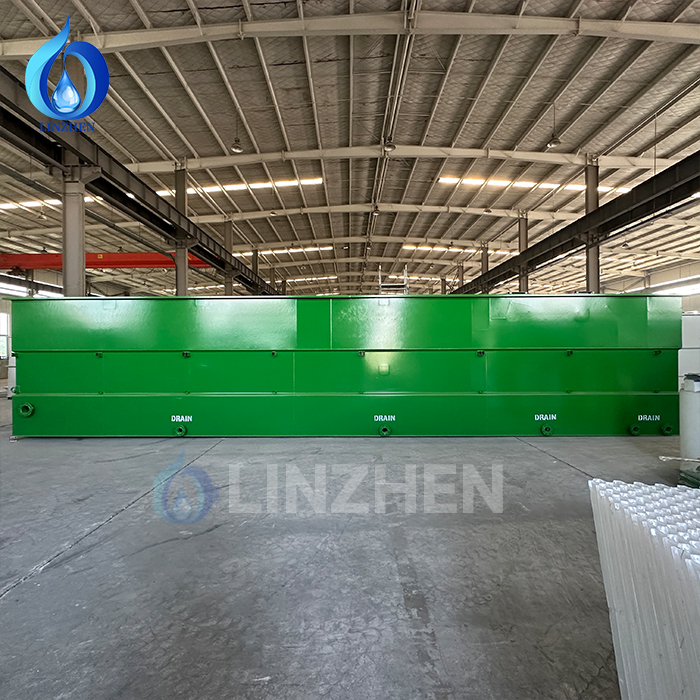
A high-efficiency lamella clarifier system offers exceptional particulate separation capabilities, but operators frequently question whether active chemical conditioning is indispensable for achieving target discharge quality. While an inclined plate clarifier can function via simple gravity separation, realizing maximum solids removal rates typically demands precisely controlled chemical aggregation. Understanding how chemical addition affects lamella clarifier throughput is vital for plant managers looking to optimize separation kinetics without wasting operational expenditure.
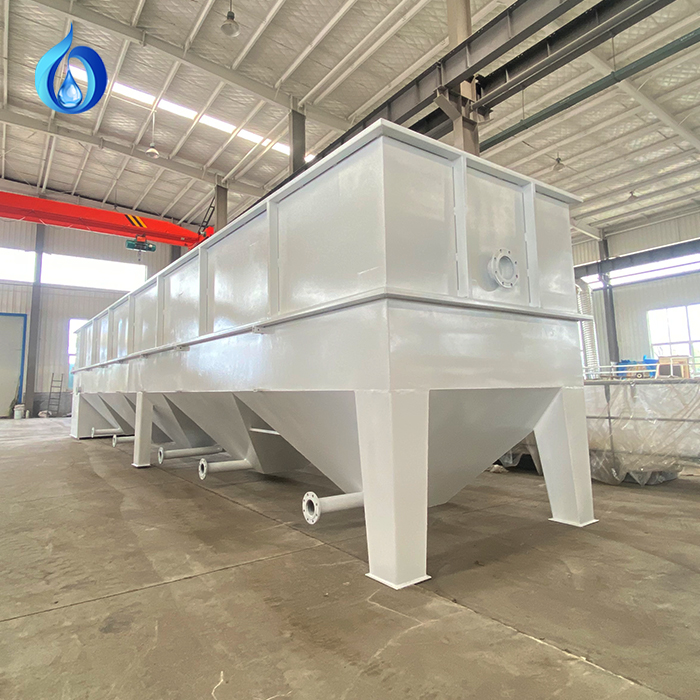
The core engineering of a lamella clarifier utilizes inclined parallel plates to multiply effective clarification surface area, enabling rapid sedimentation within a compact physical footprint. However, total solids removal in any lamella clarifier depends directly on incoming particle size distribution and settling velocities. Raw municipal and industrial streams contain fine colloidal suspensions that resist gravity settling, making strategic floc dosing a pivotal operational factor.
How Chemical Aggregation Elevates Lamella Clarifier Performance
Particle Growth and Sedimentation Dynamics
Every lamella clarifier relies on gravitational settling where particle velocity correlates directly with mass and effective diameter. Untreated wastewater streams contain micro-suspended particles that move too slowly to separate within reasonable hydraulic retention times. Precise floc dosing introduces coagulants and polymers that destabilize charges and aggregate microscopic particles into dense macro-flocs. These larger masses settle rapidly through the parallel plate passages of the lamella clarifier, dramatically improving overall solids removal. Without active chemical conditioning, an unassisted lamella clarifier might clear only 40% to 60% of total suspended solids (TSS); with optimized polymer feed, that same lamella clarifier readily yields 85% to 95% total solids removal under standard operating conditions.
Pretreatment Integration and System Design
Standard industrial water treatment designs integrate chemical pretreatment upstream of every lamella clarifier unit. Coagulants destabilize particle charges, polymer addition builds aggregate size, and the downstream lamella clarifier performs the final solid-liquid separation. Engineering specifications for a commercial lamella clarifier almost always assume proper inlet stream conditioning. When evaluating why a lamella clarifier falls short of nameplate solids removal targets, operators often find the issue stems not from mechanical faults in the lamella clarifier itself, but from inadequate upstream chemical feed rates or short-circuited mixing zones.
Evaluating Lamella Clarifier Operation Without Polymer Feeds
Primary Clarification of Coarse Industrial Suspensions
An unassisted lamella clarifier can achieve acceptable solids removal when treating heavy, readily settleable particulates without chemical reagents. Typical examples include primary grit removal, metal scale recovery, and coarse mining slurry clarification where natural gravitational settling occurs rapidly. In these specific applications, the expansive surface area of the lamella clarifier successfully captures dense materials without chemical aid. Nevertheless, even with heavy particulates, operating a lamella clarifier without chemical addition yields lower solids removal efficiency compared to conditioned streams.
Secondary Polishing and Biological Solids Separation
Facilities occasionally employ a lamella clarifier for secondary polishing downstream of fixed-film reactors or aeration tanks. When biological solids naturally form large, cohesive bio-flocs, a lamella clarifier can capture a reasonable fraction of carryover solids without fresh polymer addition. Under these specific conditions, the lamella clarifier may deliver 50% to 70% solids removal. However, reaching top-tier effluent clarity still requires controlled chemical addition to maximize lamella clarifier performance.
Optimizing Chemical Addition for Peak Lamella Clarifier Efficiency
Real-Time Control and Dosing Adjustments
To sustain high solids removal across fluctuating influent loads, operators must maintain dynamic control over chemical addition upstream of the lamella clarifier. Conducting routine jar testing establishes baseline chemical demand, while automated turbidity sensors allow real-time dose adjustments. Static chemical dosing frequently leads to poor lamella clarifier performance during load surges. Automated feed systems dynamically adjust chemical feeds based on real-time stream quality, ensuring the lamella clarifier receives properly formed aggregates at all times.
Hydraulic Loading and Lamella Clarifier Plate Geometry
Internal geometry—such as plate inclination angle, plate gap spacing, and surface overflow rate—dictates hydraulic detention time inside the lamella clarifier. A well-designed lamella clarifier maximizes particle contact along its inclined surfaces, but small, unconditioned particles simply wash out under high flow conditions. Floc dosing increases settling rates, compensating for elevated hydraulic loading rates inside the lamella clarifier. Maintaining optimal chemical feeds allows plant operators to maximize hydraulic throughput across the lamella clarifier while maintaining superior solids removal.
Frequently Asked Questions
Can a lamella clarifier operate effectively without any chemical addition?
A lamella clarifier can capture heavy, coarse solids without chemicals, but solids removal for fine municipal or industrial colloids typically tops out at 40-60%. Reaching peak solids removal of 85-95% requires chemical coagulation and flocculation.
What indicates under-dosing in a lamella clarifier circuit?
Insufficient chemical addition leads to elevated effluent turbidity and declining solids removal efficiency in the lamella clarifier, as un-aggregated fine particles pass straight through the plate packs without settling.
Is a lamella clarifier superior to a conventional settling basin without chemicals?
A lamella clarifier offers a far smaller footprint and better hydraulic distribution than a standard tank. However, both rely heavily on particle size; optimal solids removal in either system depends on proper chemical conditioning.
 EN
EN