Industrial wastewater treatment is a critical process that removes contaminants and pollutants from water discharged by manufacturing facilities, refineries, chemical plants, and other industrial operations. However, many facility managers and environmental professionals ask a vital question: does industrial wastewater treatment leave toxic sludge that requires special handling? The answer is yes, and understanding this byproduct is essential for regulatory compliance, environmental protection, and operational safety. Industrial wastewater treatment generates sludge as a concentrated byproduct containing heavy metals, organic compounds, and other hazardous materials that must be managed carefully.
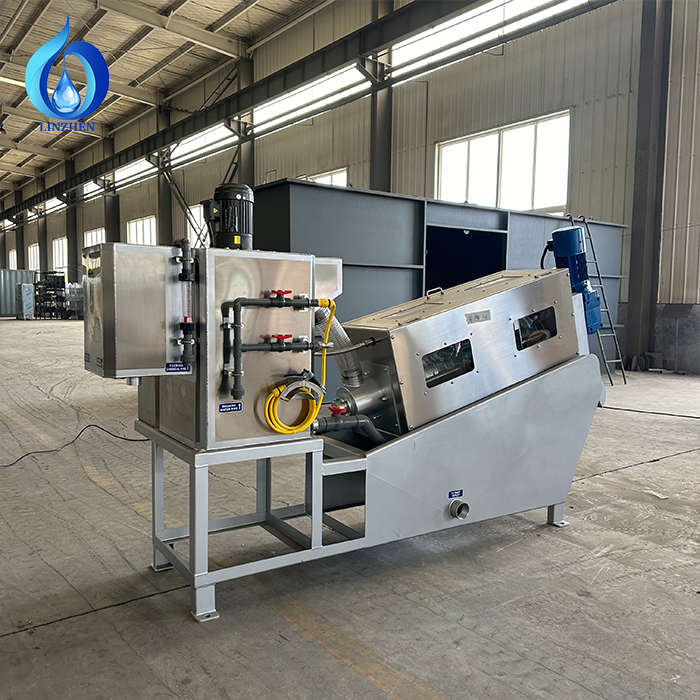
The sludge produced during industrial wastewater treatment processes contains concentrated forms of the pollutants removed from the water stream. These solids include metals, oils, pathogens, and synthetic compounds that pose serious environmental and health risks if not properly managed. Industrial wastewater treatment operations must therefore implement rigorous sludge handling protocols to ensure worker safety, prevent environmental contamination, and meet stringent regulatory requirements set by environmental agencies worldwide.
What Makes Industrial Wastewater Treatment Sludge Toxic
Heavy Metal Concentration in Treatment Sludge
Industrial wastewater treatment processes concentrate heavy metals such as lead, chromium, cadmium, and mercury into the sludge phase. These metals originate from manufacturing processes, metal finishing operations, electroplating facilities, and other industrial sources. When industrial wastewater treatment removes these contaminants from the water stream, the metals accumulate in the sludge as a hazardous solid. The concentration of these metals in the sludge can be hundreds or thousands of times higher than in the original wastewater, making proper disposal critical to prevent soil and groundwater contamination.
Organic and Chemical Pollutants in Treated Sludge
Beyond heavy metals, industrial wastewater treatment sludge contains organic compounds including polychlorinated biphenyls, pesticides, and industrial chemicals that exhibit toxic properties. These substances may be persistent in the environment, accumulating in ecosystems and food chains. Industrial wastewater treatment operations must characterize their sludge to identify all hazardous constituents before selecting an appropriate disposal method. The complexity of industrial wastewater treatment means that sludge composition varies significantly depending on the source industries and treatment chemicals used.
Specialized Sludge Handling Requirements After Industrial Wastewater Treatment
Dewatering and Concentration Technologies
One of the first steps in managing sludge after industrial wastewater treatment is dewatering, which removes excess moisture from the sludge to reduce volume and transport costs. Industrial wastewater treatment facilities employ technologies such as screw presses, centrifuges, and filter presses to mechanically separate water from solids. These dewatering systems are essential because they significantly reduce the volume of hazardous material that must be transported and disposed of. Industrial wastewater treatment sludge that has been properly dewatered becomes more stable and easier to handle safely, reducing the risk of accidental release or environmental exposure.
Stabilization and Chemical Treatment Methods
After dewatering, industrial wastewater treatment sludge often undergoes stabilization to reduce its toxicity and potential for leaching. Chemical stabilization using agents like lime or polymers can immobilize heavy metals within the sludge matrix, preventing them from migrating into groundwater. Industrial wastewater treatment operators may also employ thermal treatment, alkaline treatment, or other chemical processes to render the sludge less hazardous. These specialized techniques are required because untreated industrial wastewater treatment sludge remains a significant environmental liability if disposed improperly.
Regulatory Compliance and Disposal Options for Industrial Wastewater Treatment Sludge
EPA and Environmental Agency Requirements
Regulatory agencies strictly control how industrial wastewater treatment sludge must be handled and disposed. The Environmental Protection Agency and similar bodies worldwide classify treated industrial wastewater treatment sludge as hazardous waste when it meets certain toxicity thresholds. Facilities must conduct toxicity characteristic leaching procedure tests to determine if their industrial wastewater treatment sludge exceeds regulatory limits for specific metals and organic compounds. Non-compliance with these requirements can result in substantial fines, operational shutdowns, and legal liability for environmental damage caused by improper industrial wastewater treatment sludge disposal.
Approved Disposal and End-Use Methods
Industrial wastewater treatment sludge disposal options depend on its hazard classification and local regulations. Some facilities may dispose of stabilized industrial wastewater treatment sludge in permitted hazardous waste landfills, while others may use it as a feedstock for construction materials or soil amendment in controlled agricultural applications. Incineration is another option for industrial wastewater treatment sludge, though it requires specialized equipment and air emission controls. A growing number of facilities explore beneficial reuse pathways for their industrial wastewater treatment sludge, such as incorporation into cement or aggregate, which reduces disposal costs while providing environmental benefits through resource recovery.
FAQ
Is all industrial wastewater treatment sludge considered hazardous waste?
Not all industrial wastewater treatment sludge is classified as hazardous waste, but most industrial wastewater treatment sludge from heavy manufacturing, chemical processing, or metal finishing does meet hazardous waste criteria. The toxicity of industrial wastewater treatment sludge depends on the source industry, contaminants present, and regulatory thresholds in the jurisdiction. Facilities must test their industrial wastewater treatment sludge using approved methods such as the toxicity characteristic leaching procedure to determine proper classification. Even sludge that does not meet hazardous waste definitions still requires careful management and documentation to ensure regulatory compliance and environmental protection.
How much sludge does industrial wastewater treatment typically produce?
The volume of sludge produced by industrial wastewater treatment varies widely depending on the influent water quality, treatment chemistry, and process design. Some industrial wastewater treatment systems may produce sludge equal to 1–5 percent of the incoming wastewater volume, though high-contamination industrial wastewater treatment streams can generate higher proportions. Industrial wastewater treatment facilities using chemical coagulation or precipitation may produce more sludge than those using biological or physical treatment alone. Understanding sludge production rates is essential for industrial wastewater treatment operators to plan handling capacity, disposal logistics, and budgets for the long-term management of this byproduct.
What are the cost implications of managing industrial wastewater treatment sludge?
Managing industrial wastewater treatment sludge represents a significant operational expense, often constituting 30–50 percent of total wastewater treatment costs for industrial facilities. Industrial wastewater treatment sludge handling costs include dewatering equipment, chemical stabilization reagents, transportation, and disposal fees or beneficial reuse program participation. Investing in efficient industrial wastewater treatment technologies and optimizing sludge dewatering can reduce both volume and disposal costs substantially. Many facilities find that implementing advanced industrial wastewater treatment sludge management strategies reduces long-term liability exposure and improves overall operational efficiency and financial performance.
 EN
EN