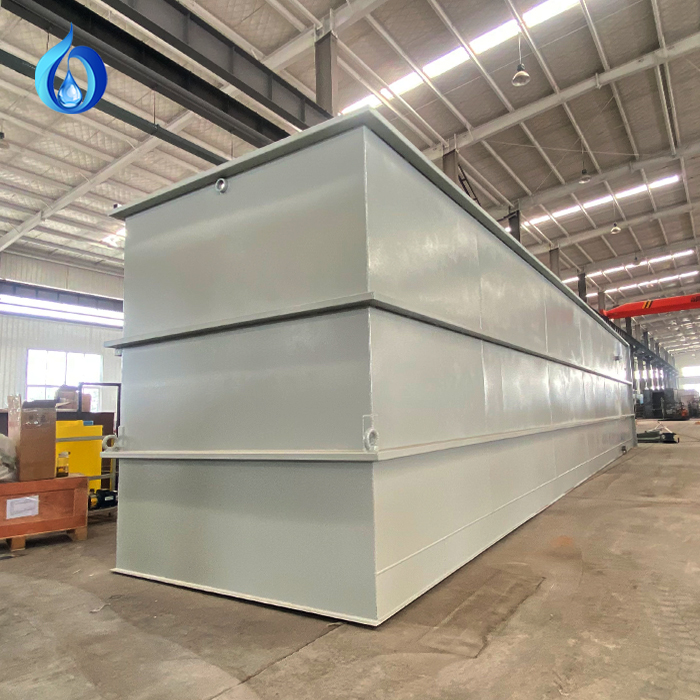
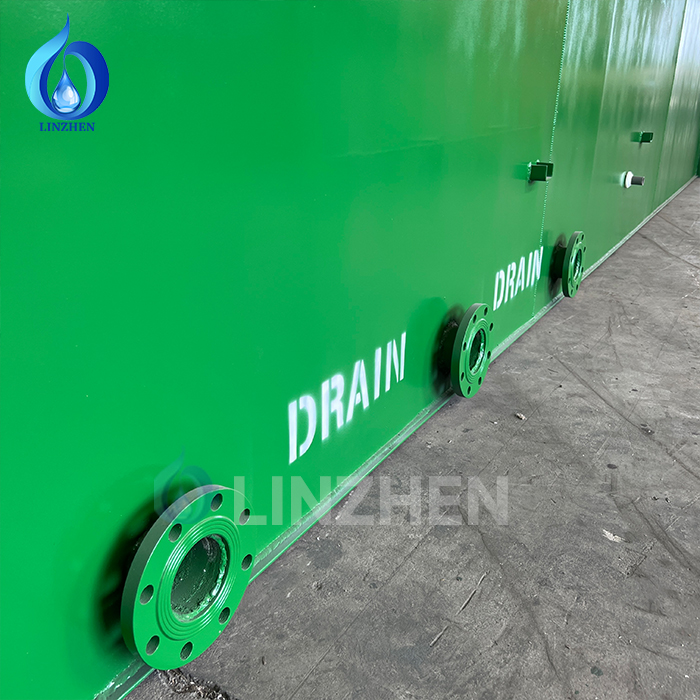
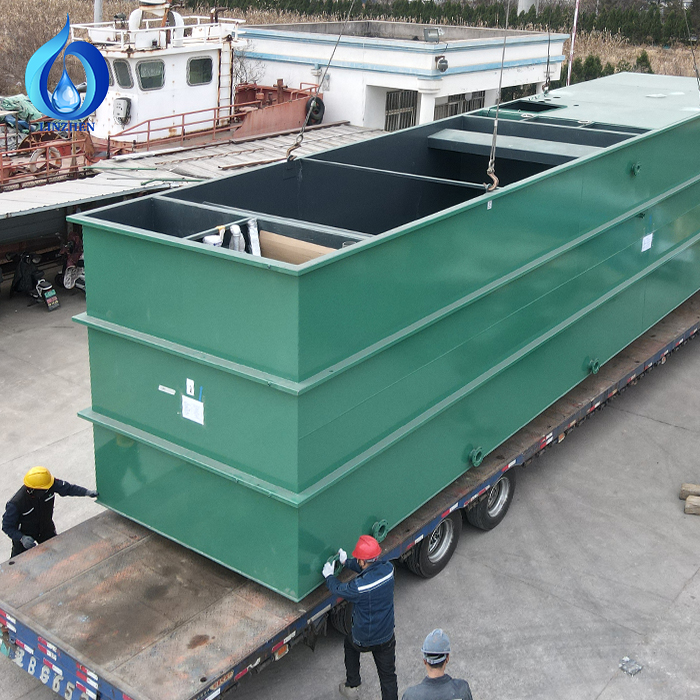
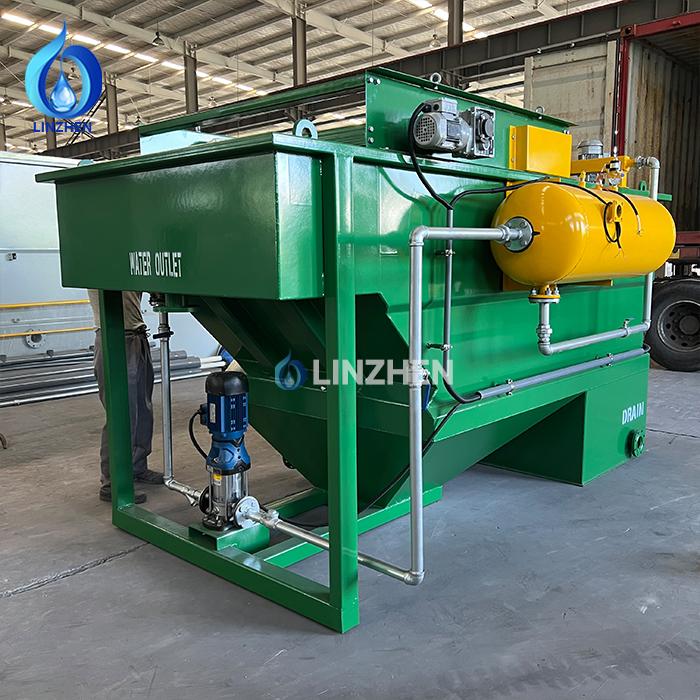
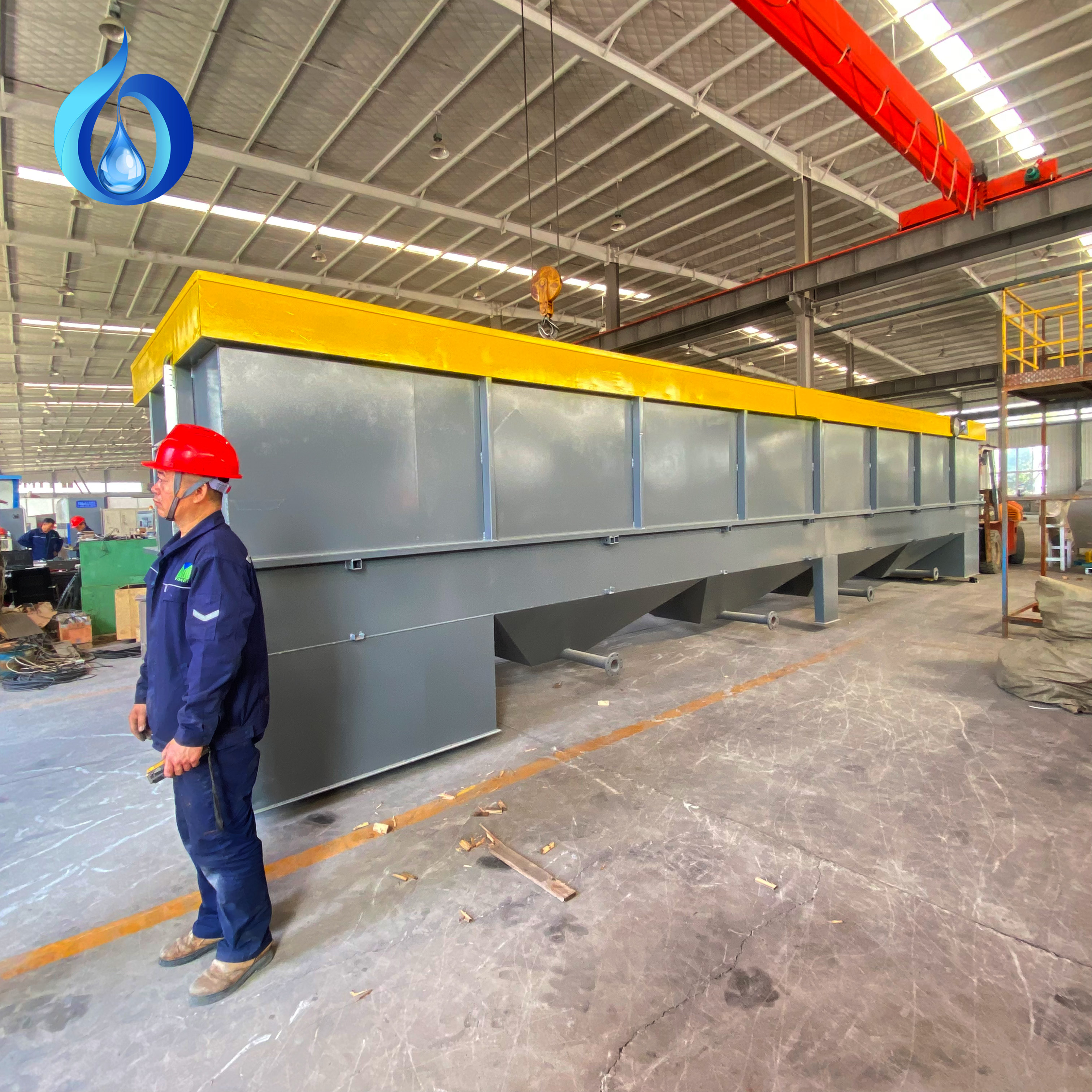
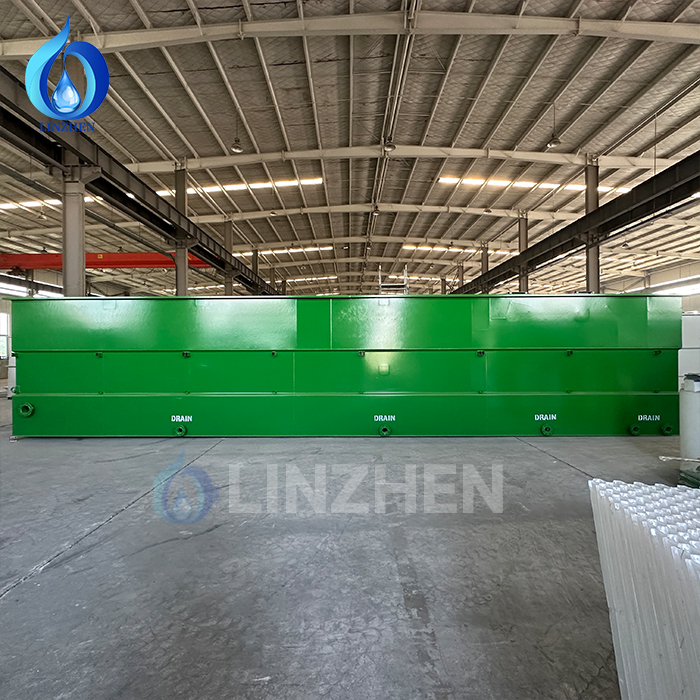
Every manufacturing branch generates liquid waste with distinct chemical characteristics, proving that universal commercial equipment cannot support every factory. Deploying targeted industrial effluent treatment configurations enables plant owners to isolate difficult toxins, lower operational expenditures, and guarantee strict discharge permit adherence. When engineering industrial effluent treatment assets designed around precise production activities, organizations prevent environmental violations while protecting valuable water resources. Implementing modern industrial effluent treatment technology remains essential for companies seeking sustainable growth across demanding manufacturing environments.
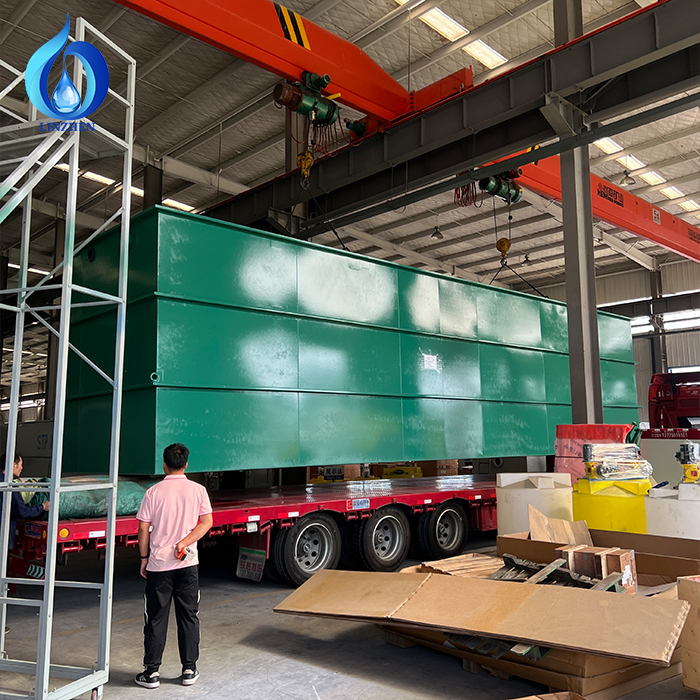
Liquid discharge profiles vary drastically between manufacturing domains because raw materials, processing chemicals, and washing steps differ completely. A facility applying generic industrial effluent treatment methods risks severe equipment damage, bio-system failure, and heavy government penalties. Developing custom sector specific wastewater treatment protocols ensures that heavy metals, complex organic loads, and toxic compounds undergo complete neutralisation. Investing in proper industrial effluent treatment infrastructure delivers long-term process stability, optimized chemical dosing, and predictable operational costs.
Pharmaceutical and Chemical Manufacturing Sector
Targeting Active Residues via Industrial Effluent Treatment
Managing medical manufacturing waste requires rigorous pharmaceutical wastewater treatment methods due to active drug ingredients, persistent solvents, and complex organic molecules. Standard municipal facilities cannot process these stubborn compounds, necessitating advanced industrial effluent treatment installations directly at the plant. Utilizing pharmaceutical wastewater treatment incorporating advanced oxidation, membrane filtration, and granular activated carbon adsorption eliminates bio-accumulative substances. Executing dedicated industrial effluent treatment prevents pharmaceutical residues from entering local waterways and aquatic ecosystems.
Environmental regulators enforce exceptionally strict discharge limits on medical chemical producers. Consequently, pharmaceutical wastewater treatment must include continuous analytical monitoring to verify complete pollutant destruction before water leaves the facility. Operating high-precision industrial effluent treatment machinery safeguards regional public health while keeping manufacturing plants fully compliant. Reliable industrial effluent treatment systems give drug manufacturers the confidence to expand production capacity without endangering local environmental safety.
Food and Beverage Processing Industry
Handling High Organic Streams with Industrial Effluent Treatment
Food processing operations produce vast quantities of high-strength organic discharge requiring specialized food processing wastewater treatment strategies. Effective industrial effluent treatment within this sector focuses on eliminating suspended fats, oils, grease, proteins, and sugars. Integrating physical screening, dissolved air flotation, and secondary biological aeration within food processing wastewater treatment dramatically reduces biochemical oxygen demand. Utilizing robust industrial effluent treatment setups allows food plants to handle heavy organic loadings efficiently without overloading municipal networks.
Production shifts driven by crop harvests and seasonal consumer demands cause fluctuating wastewater volumes in food plants. Flexible industrial effluent treatment systems feature adaptive aeration controls and balancing basins to process varying influent flows. Incorporating scalable food processing wastewater treatment ensures continuous purification performance during peak harvest weeks while maintaining energy-efficient standby operation during slow seasons. Investing in versatile industrial effluent treatment machinery ensures uninterrupted plant productivity year-round.
Textile and Dyeing Operations
Color Separation and Recycling in Industrial Effluent Treatment
Textile mills generate challenging liquid waste streams containing synthetic dyes, heavy metal mordants, and concentrated salts, making textile effluent treatment essential. Effective industrial effluent treatment in textile facilities requires specialized chemical coagulation, ozone oxidation, and membrane separation to destroy color molecules. Implementing specialized textile effluent treatment prevents toxic chemical runoff from discolouring and polluting natural receiving streams. Modern industrial effluent treatment plants successfully clarify dark, high-temperature dye house discharge into reusable process water.
Water scarcity and rising utility tariffs drive modern textile facilities toward aggressive closed-loop water reuse programs. Integrating multi-stage industrial effluent treatment equipment featuring reverse osmosis and UV disinfection allows plants to recover up to 90 percent of their process water. Advanced textile effluent treatment lowers freshwater purchasing costs while drastically cutting discharge volume. Deploying sustainable industrial effluent treatment solutions converts environmental compliance into direct financial savings for textile operations.
Facility Engineering and Equipment Selection
Matching Technology Options in Industrial Effluent Treatment
Selecting appropriate industrial effluent treatment technology demands a thorough evaluation of raw waste chemistry, physical plant footprints, and local permit limits. Choosing an effective sector specific wastewater treatment route often involves combining physical, chemical, and biological unit operations into a single cohesive process train. Engineering well-balanced industrial effluent treatment facilities guarantees that every pollutant phase receives target treatment, preventing operational bottlenecks and excessive chemical consumption.
Financial evaluations for new industrial effluent treatment projects must account for long-term utility consumption, chemical costs, and sludge handling fees alongside original machinery purchase prices. Implementing automated industrial effluent treatment with smart sensor controls significantly reduces daily operator labor and energy draw. Designing efficient sector specific wastewater treatment plants ensures low Total Cost of Ownership across a 15 to 20-year service life.
FAQ
Why does industrial effluent treatment differ between manufacturing sectors?
Industrial sectors produce completely different pollutant types. For instance, pharmaceutical wastewater treatment must destroy active drug compounds, whereas textile effluent treatment removes synthetic dyes. Tailored industrial effluent treatment ensures each facility effectively neutralizes its unique contaminants.
Can one universal system handle diverse industrial effluent treatment tasks?
No, off-the-shelf equipment rarely works across different industries without major modifications. A system designed for food processing wastewater treatment cannot handle toxic dye chemicals. Utilizing specialized industrial effluent treatment technology guarantees proper compliance and operational efficiency.
How does sector specific wastewater treatment reduce long-term plant operating costs?
Engineered sector specific wastewater treatment optimizes chemical usage, cuts energy draw through automated controls, reduces sludge volume, and enables water reuse, significantly lowering operational expenditures for industrial effluent treatment.
 EN
EN