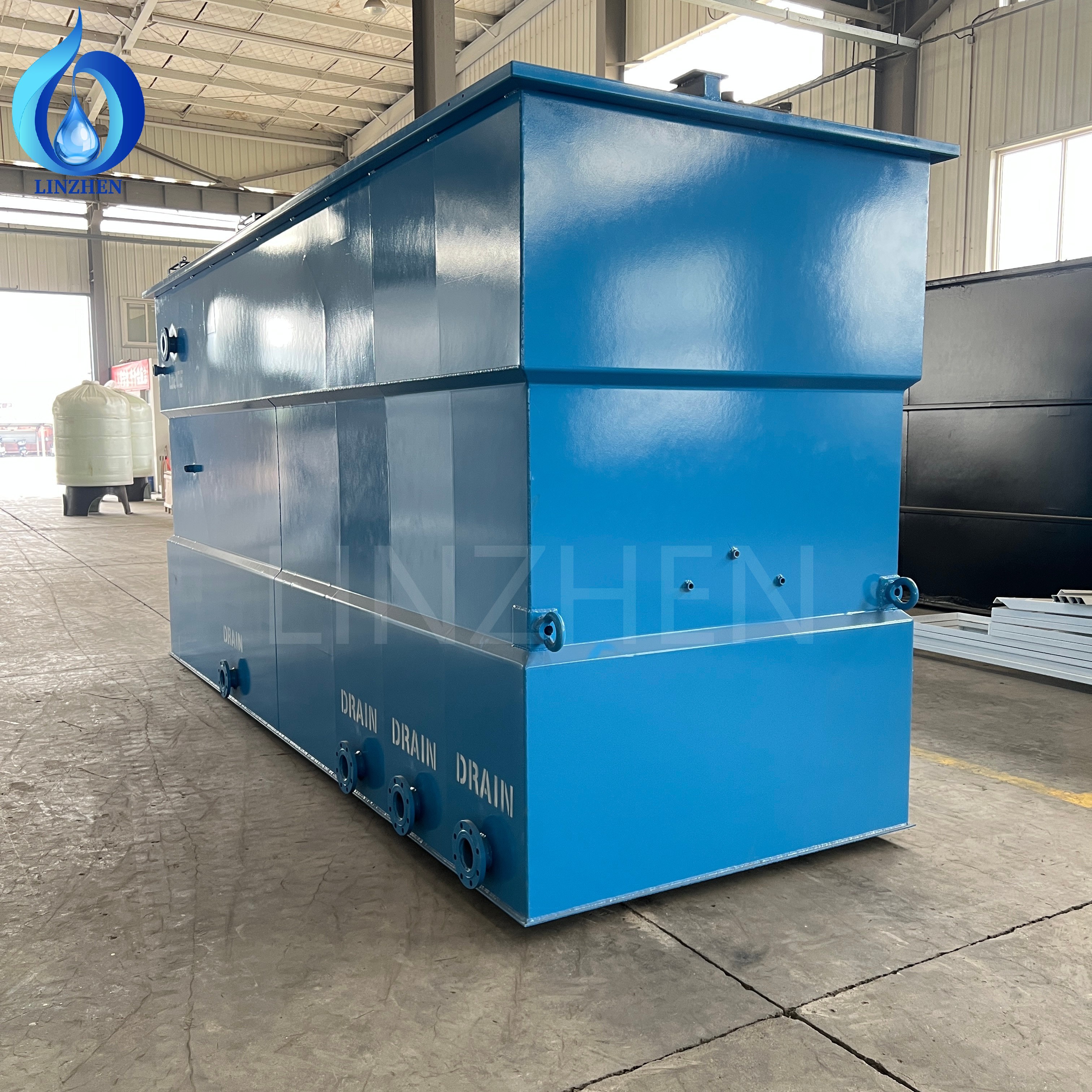
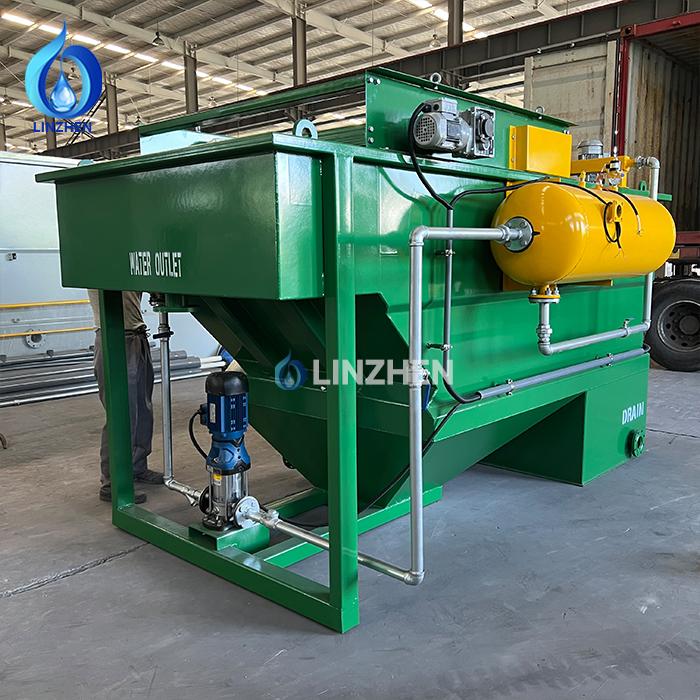
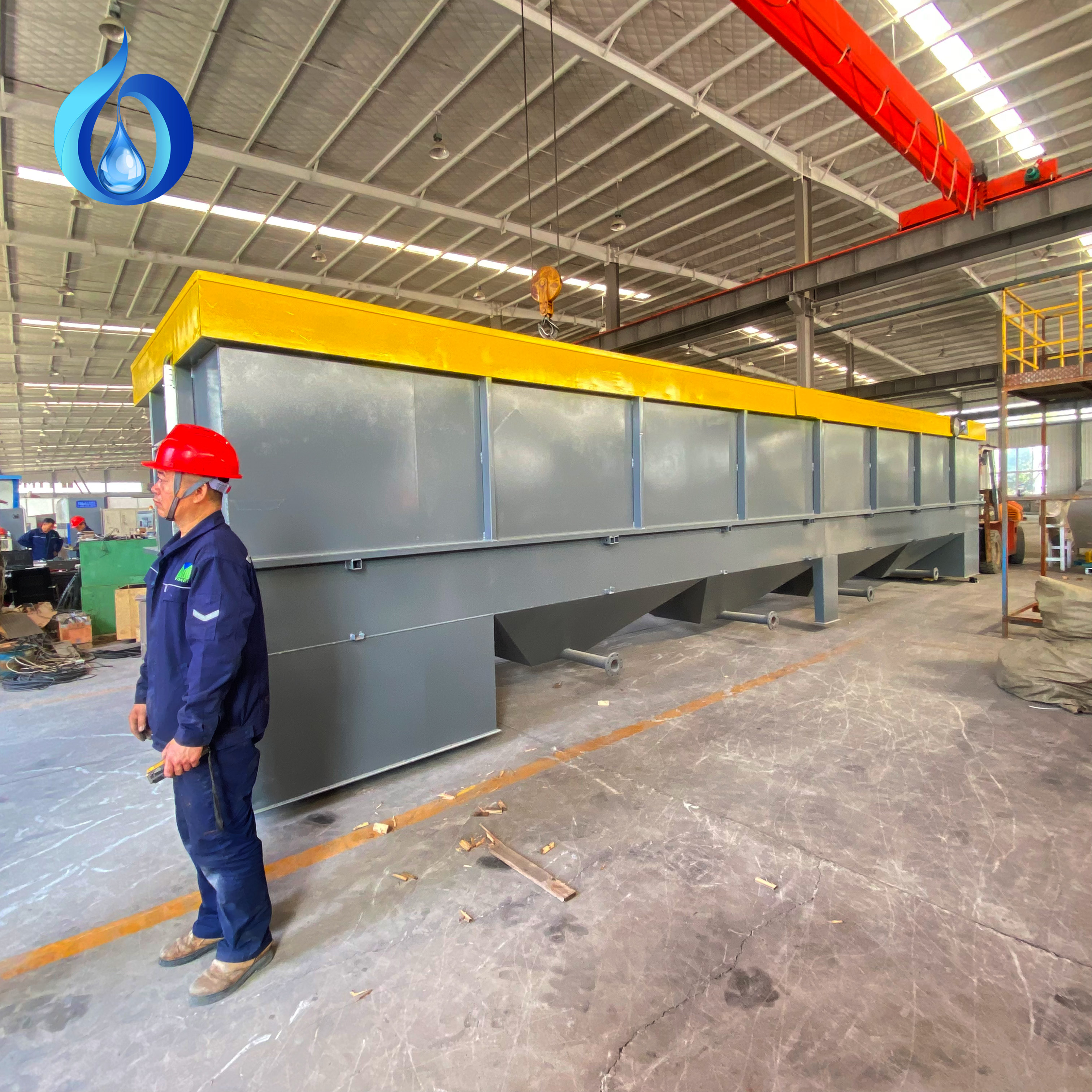
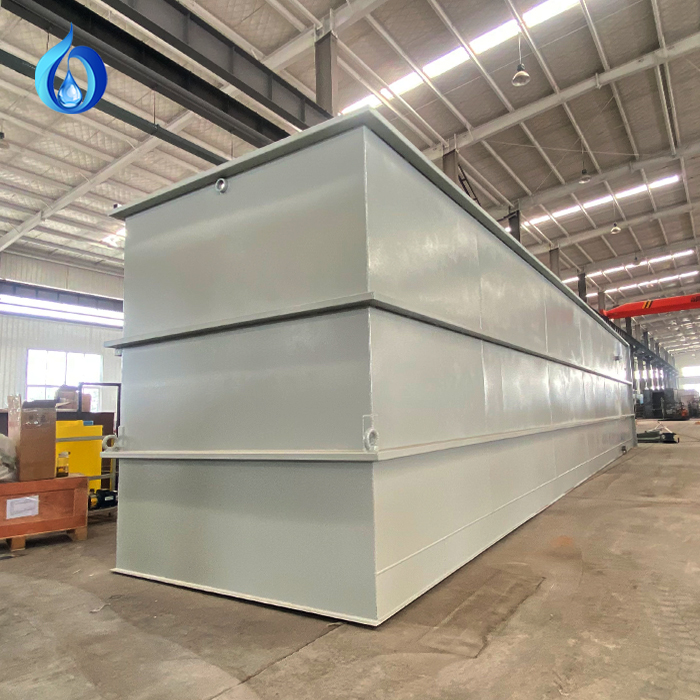
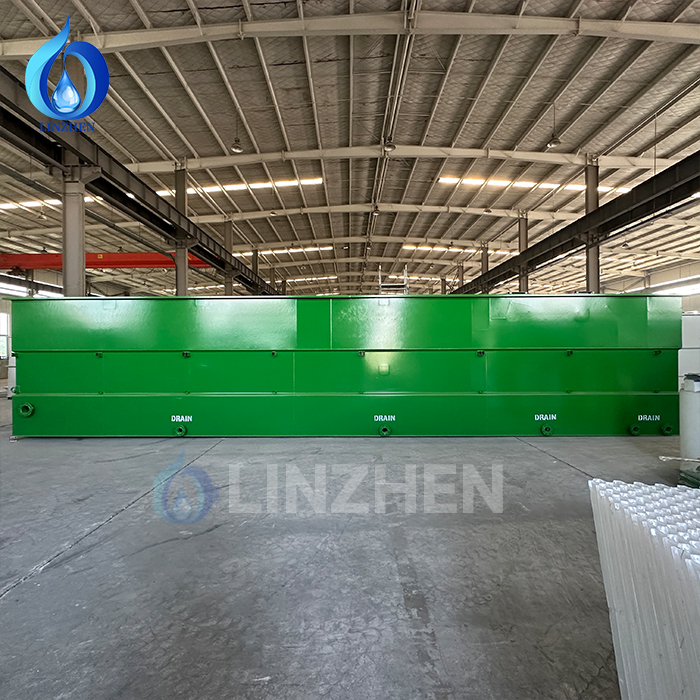
Selecting the ideal liquid-solid separation equipment directly dictates ongoing operational overhead and environmental compliance costs for modern industrial plants. Choosing between a DAF wastewater treatment installation and conventional gravity clarifiers impacts daily sludge management expenses, physical footprint requirements, and processing speed. While both clarification methods aim to isolate suspended particles from industrial streams, DAF wastewater treatment leverages high-pressure micro-bubbles rather than natural gravitational settling, delivering superior solids concentration and a drastic sludge volume reduction across demanding industrial applications.
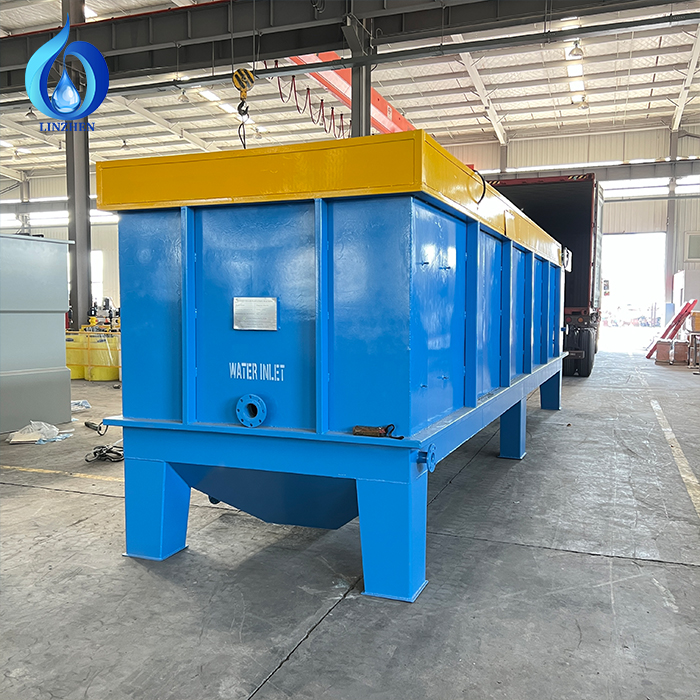
The primary operational advantage is undeniable: installing a DAF wastewater treatment system generates up to 80 percent less waste sludge by volume than traditional gravity settling tanks. Conventional sedimentation relies on slow downward particle movement, leaving behind a thin liquid slurry with exceptionally high moisture content. Conversely, a high-efficiency DAF wastewater treatment process forces suspended solids and emulsified oils upward, creating a thick flotation blanket that is easily scraped off. Facilities utilizing DAF wastewater treatment achieve rapid effluent clarification while drastically minimizing downstream waste hauling liabilities.
Evaluating Separation Mechanics in DAF Wastewater Treatment
Flotation Physics and Sludge Dewatering Efficiency
The physical mechanisms operating inside a DAF wastewater treatment cell differ fundamental from passive sedimentation basins. In a gravity clarifier, light organic matter and fine solids take hours to sink, producing a watery sludge containing up to 98% water. Implementing DAF wastewater treatment introduces millions of micro-bubbles that attach to suspended solids, rapidly lifting them to the liquid surface. This flotation cake contains far less entrained water—typically 60% to 80% moisture—enabling DAF wastewater treatment to deliver concentrated solids that reduce sludge handling volume by 3 to 5 times when compared directly against a conventional gravity clarifier.
This significant moisture reduction produced by DAF wastewater treatment yields substantial financial savings on transport and municipal tipping fees. For an industrial facility processing 1,000 cubic meters of effluent daily, upgrading to DAF wastewater treatment removes tens of thousands of cubic meters of liquid waste annually. Furthermore, sludge recovered through DAF wastewater treatment dewaters much faster in belt presses or centrifuges, requiring lower polymer conditioning dosages and cutting electrical consumption during dewatering cycles.
Hydraulic Processing Speed and Throughput Capacity
Hydraulic retention time is another critical metric where DAF wastewater treatment outperforms traditional settling basins. Gravity tanks typically require 2 to 4 hours of quiet residence time, demanding massive tank volumes. In contrast, DAF wastewater treatment achieves superior clarity in just 15 to 30 minutes, allowing a compact DAF wastewater treatment unit to process equivalent or higher liquid volumes within a fraction of the space. This rapid turnover prevents anaerobic degradation within the tank, ensuring that DAF wastewater treatment yields higher quality effluent while capturing fine grease and light suspended solids that easily escape a standard gravity clarifier.
Financial Impact and Footprint Efficiency of DAF Wastewater Treatment
Operational Expenditure and Disposal Cost Reduction
When reviewing operational expenditures, DAF wastewater treatment provides compelling financial advantages for manufacturing plants handling high-strength industrial wastewater sludge. A facility running a legacy gravity clarifier often generates tens of cubic meters of dilute sludge every single day, incurring exorbitant disposal charges. Utilizing DAF wastewater treatment yields a denser, low-volume sludge cake, dramatically cutting hauling frequency. Industrial facilities transitioning to DAF wastewater treatment routinely report 20% to 40% reductions in ongoing chemical polymer costs alongside lower total disposal bills.
Additionally, the downstream economic benefits of DAF wastewater treatment compound across the entire facility. Because DAF wastewater treatment extracts a higher percentage of organic contaminants in the primary stage, secondary biological processes receive lighter organic loads. This primary efficiency reduces secondary biological sludge production, demonstrating that the financial benefits of DAF wastewater treatment extend well beyond the primary flotation chamber.
Spatial Efficiency and Equipment Integration
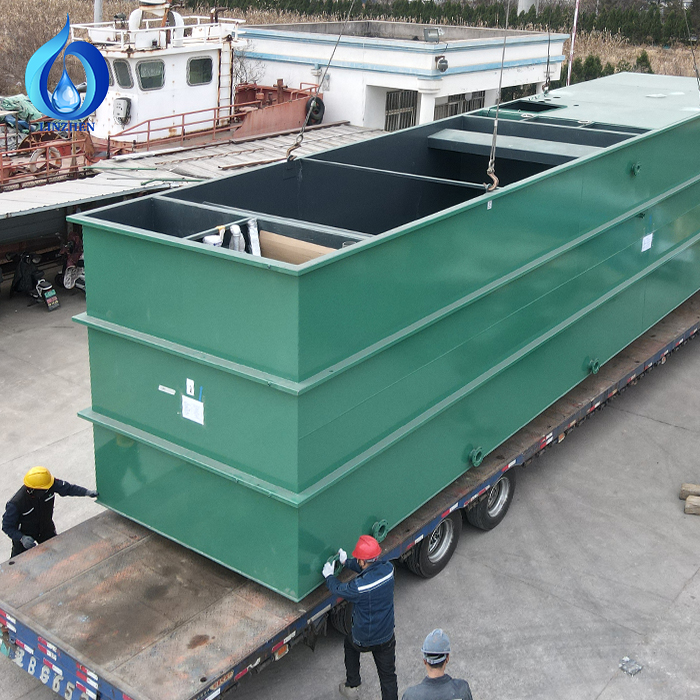
Real estate constraints frequently make large gravity clarifier installations impractical for urban factories or retrofitted sites. Modern DAF wastewater treatment systems require 60% to 75% less footprint than sedimentation tanks handling identical flow rates. A complete DAF wastewater treatment skid integrates easily into existing mechanical rooms or outdoor concrete pads, eliminating extensive civil engineering expenses. This compact profile makes DAF wastewater treatment an ideal choice for expanding facilities that need to increase treatment capacity without acquiring expensive additional real estate.
Although a DAF wastewater treatment unit involves specialized mechanical components like air saturation pumps, the overall energy balance remains favorable. By eliminating the need for massive secondary sludge thickening tanks, DAF wastewater treatment streamlines plant machinery. Many industrial operators find that energy consumed by DAF wastewater treatment micro-bubble pumps is fully offset by decreased dewatering equipment runtime and reduced sludge transport energy.
Target Applications for DAF Wastewater Treatment Systems
High-Grease, Food, and Industrial Effluent Applications
Certain industrial waste streams simply cannot be processed effectively by a traditional gravity clarifier. Food manufacturing, poultry processing, slaughterhouses, and petrochemical plants generate effluents rich in free fats, oils, and emulsified grease. In these environments, DAF wastewater treatment excels because hydrophobic grease particles naturally adhere to micro-bubbles. Implementing DAF wastewater treatment ensures complete removal of floating lipids, preventing pipe fouling and protecting downstream filtration equipment from oil blinding.
Facilities handling complex organic loads achieve maximum operational stability by choosing a tailored DAF wastewater treatment setup over legacy sedimentation equipment. By capturing contaminants immediately upon entering the plant, DAF wastewater treatment protects biological reactors from toxic shock loads, ensuring consistent compliance with municipal discharge limits.
FAQ
Why does DAF wastewater treatment produce a drier sludge cake than a gravity clarifier?
Micro-bubbles in a DAF wastewater treatment unit continuously lift particles upward, compacting the floating layer against the surface before mechanical skimmers collect it. This continuous compaction yields far lower water content than passive settling in a standard gravity clarifier.
Is DAF wastewater treatment suitable for heavy, rapidly settling inorganic solids?
While DAF wastewater treatment excels at capturing light solids and oils, heavy inorganic grit should be removed upstream using grit chambers. Combining preliminary screening with DAF wastewater treatment provides optimal protection and long-term separation performance.
How does DAF wastewater treatment contribute to overall plant compliance?
By capturing up to 95% of total suspended solids and emulsified fats in the primary stage, DAF wastewater treatment lowers chemical oxygen demand (COD), allowing downstream systems to meet strict environmental discharge limits reliably.
 EN
EN