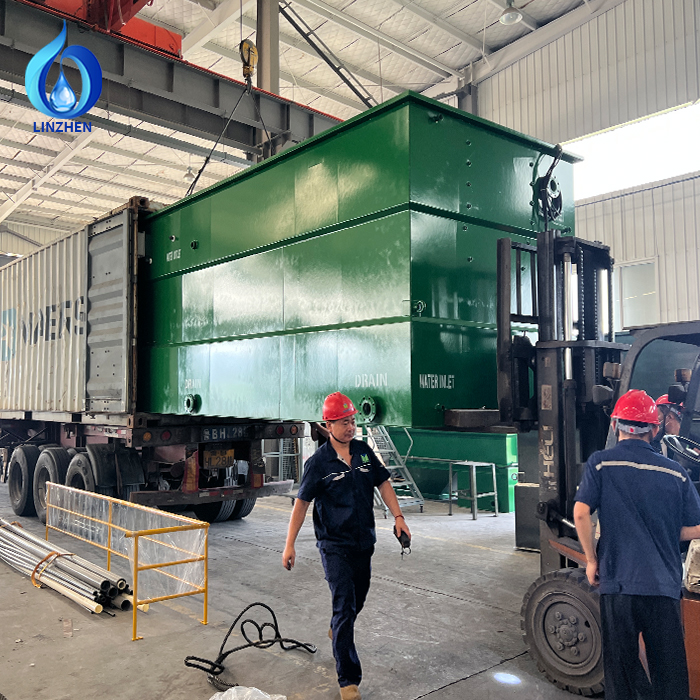
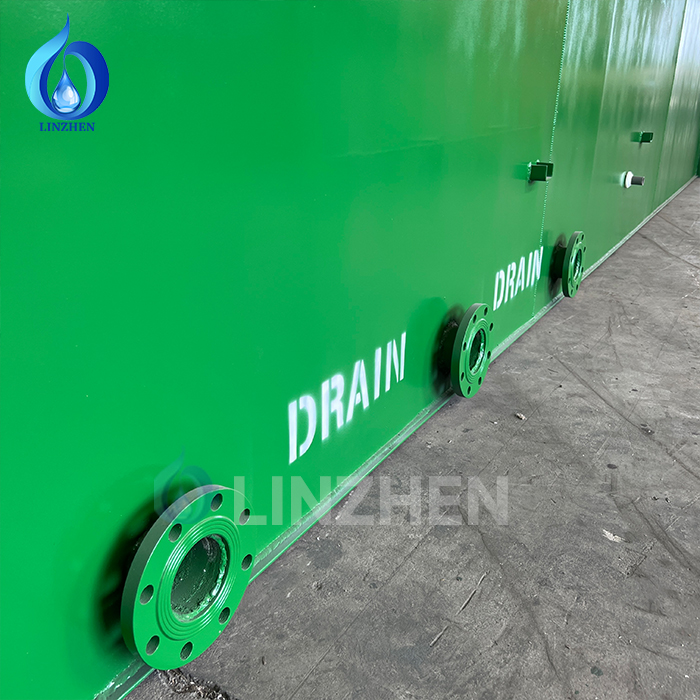
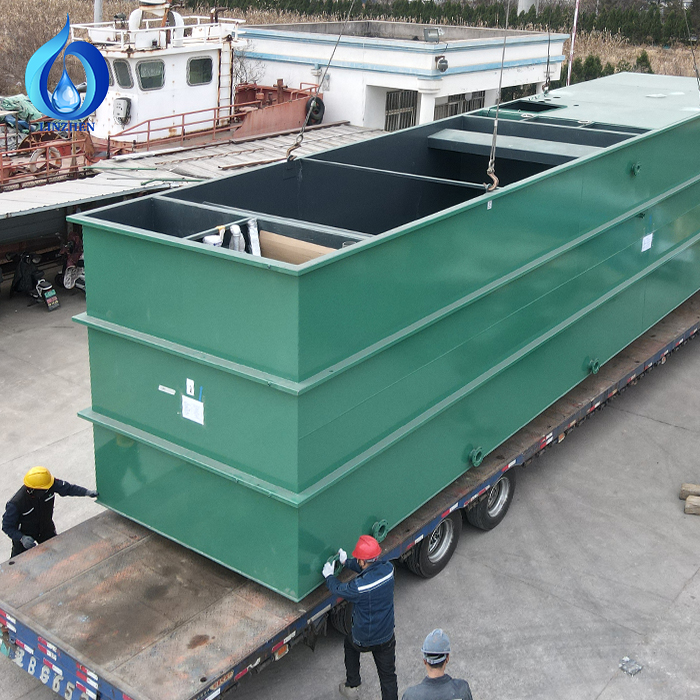
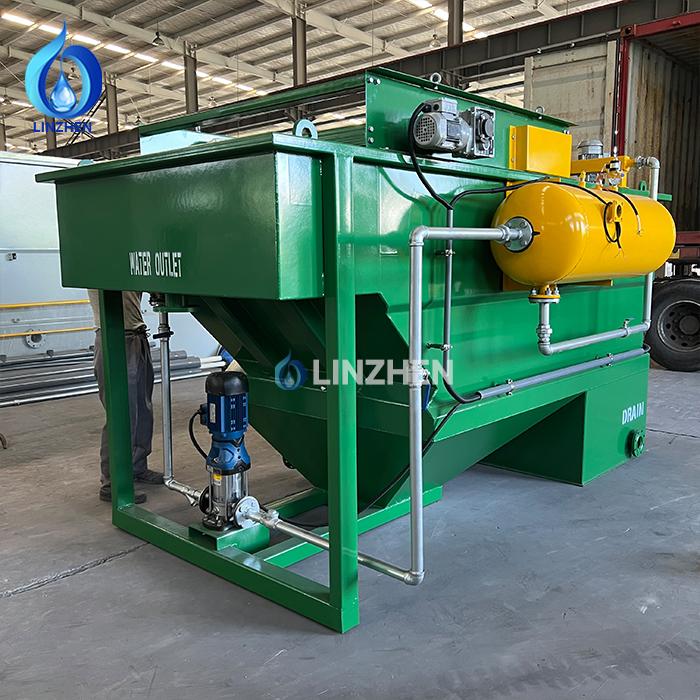
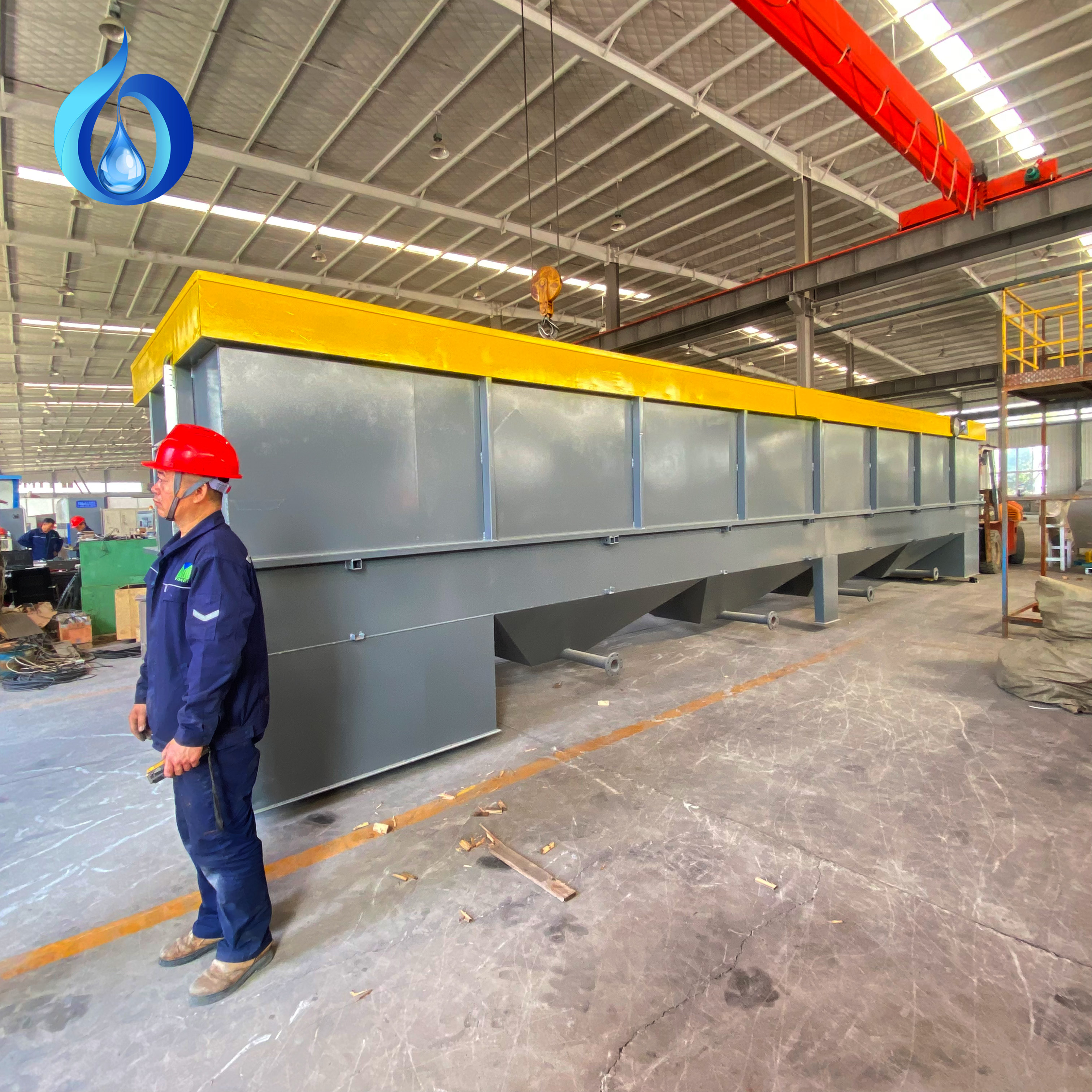
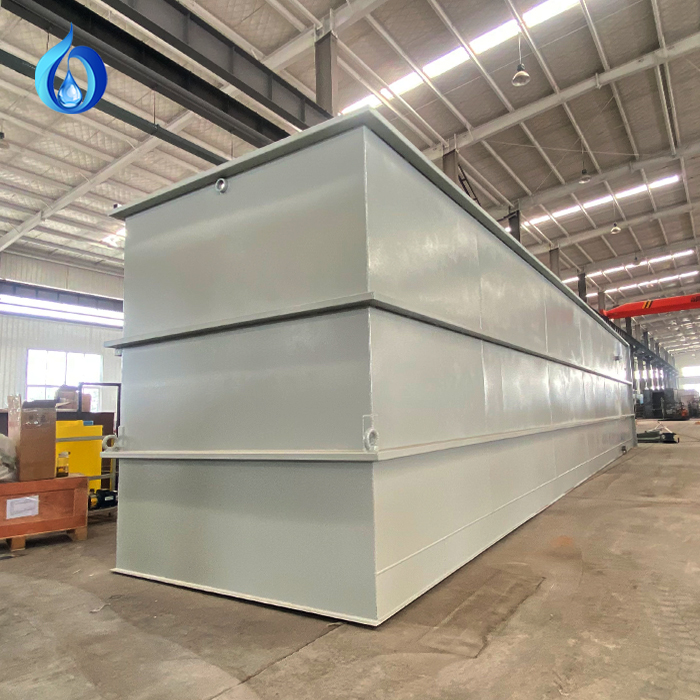
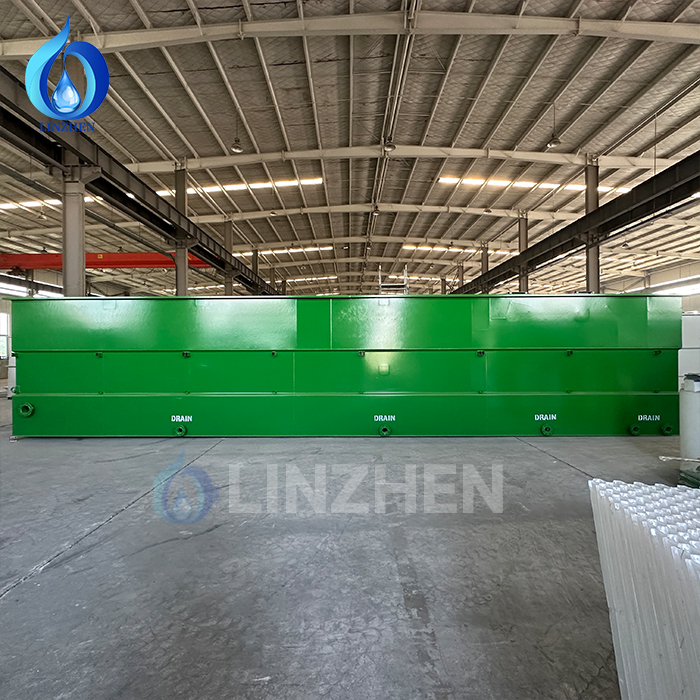
Low fluid temperature exerts a profound influence on liquid-solid separation mechanics within an industrial dissolved air flotation system. For environmental plant engineers operating clarifiers in cold climates, mastering thermal hydrodynamics is essential to maintaining steady effluent compliance. Thermal variations shift water density, alter gas solubility equilibrium, and delay chemical conditioning kinetics. When process water temperatures plunge, a standard dissolved air flotation system experiences decreased separation efficiency, making proactive operational corrections necessary to preserve baseline treatment performance.
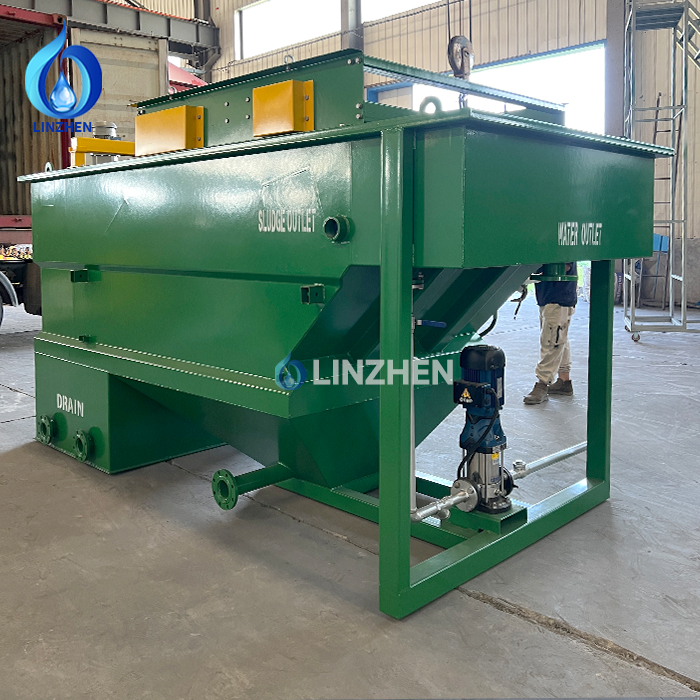
Achieving peak clarification through a dissolved air flotation system requires precise physical nucleation and stable chemical flocculation. Unfavorable thermal conditions disrupt bubble nucleation mechanics and reduce upward particle transport velocities within the flotation zone. Facilities utilizing a dissolved air flotation system for food processing, petrochemical, or municipal wastewater treatment face severe challenges during winter operations. Understanding how thermal drops modify micro-bubble dynamics enables operators of a dissolved air flotation system to systematically tune operational parameters and mitigate cold-water performance losses.
Physical Mechanics: Bubble Generation and Gas Solubility Variations
Thermodynamic Effects on Gas Dissolution and Bubble Size Distribution
Gas solubility increases as liquid temperatures decrease, altering air saturation kinetics within a dissolved air flotation system. While cold water retains a greater volume of dissolved air under pressure, depressurization across the air release nozzles proceeds less efficiently. In a cold dissolved air flotation system, slower gas nucleation kinetics encourage micro-bubbles to coalesce into larger air pockets. Instead of producing 20-to-50 micron bubbles, a cold dissolved air flotation system generates coarse bubbles that lack the specific surface area needed for high-density particle contact.
Bubble-particle attachment mechanics rely on interfacial surface energy and collision frequency. Larger bubble diameters lower the total bubble count generated within a dissolved air flotation system, severely reducing collision probability with suspended solids. Furthermore, coarse bubbles exert excessive shear forces as they rise, which can shatter fragile flocs inside the dissolved air flotation system flotation chamber. Maintaining fine micro-bubble dispersion remains the primary objective for sustaining optimal solids recovery in any commercial dissolved air flotation system.
Hydrodynamic Drag and Chemical Pretreatment Constraints
Fluid Viscosity Impacts on Flotation Transport Velocities
Water viscosity rises significantly as fluid temperatures decline toward freezing, increasing drag forces within the dissolved air flotation system separation zone. According to Stokes' Law, elevated fluid drag restricts the terminal rising velocity of bubble-floc aggregates. Particles inside a cold dissolved air flotation system ascend slowly, requiring extended retention times to float to the surface scum layer. Without adjusting hydraulic loading rates, solids escape beneath the discharge baffle of the dissolved air flotation system, elevating effluent turbidity levels.
Coagulation Kinetics and Floc Resilience at Low Temperatures
Chemical conditioning upstream of a dissolved air flotation system is equally sensitive to thermal drops. Low water temperatures slow down chemical reaction rates during coagulation and polymer hydrolysis. In cold conditions, flocs formed prior to entering the dissolved air flotation system remain small, weak, and highly dense. Weak flocs resist micro-bubble attachment and fail to generate sufficient buoyancy inside the dissolved air flotation system basin. Increasing chemical conditioning residence time or modifying polymer selections helps restore optimal floc structure before effluent reaches the main dissolved air flotation system inlet.
Engineering Interventions and Operating Parameter Optimization
Adjusting Saturation Pressure and Pressurized Recycle Ratios
Plant managers can compensate for thermal performance degradation by adjusting core mechanical parameters on the dissolved air flotation system. Increasing saturation pressure within the air dissolving tube forces more air into solution, overcoming nucleation delays in a cold dissolved air flotation system. Raising the pressurized recycle stream ratio—from a baseline of 10% up to 25% or 30%—supplies a denser micro-bubble cloud to compensate for reduced collision efficiency. These targeted modifications enable a dissolved air flotation system to maintain high solids removal rates during severe winter operational periods.
Hydraulic Management and Thermal Stratification Prevention
Extending hydraulic retention time within the flotation basin allows slow-rising aggregates additional time to reach the surface skimmer assembly. Reducing overall influent flow rates prevents short-circuiting and hydraulic scouring inside the dissolved air flotation system. Additionally, operators must monitor thermal stratification, as incoming cold water can form dense lower currents within a warmer dissolved air flotation system basin. Ensuring uniform thermal mixing and maintaining steady surface skimming speeds guarantees consistent operation of the dissolved air flotation system across varying seasonal climates.
FAQ
Why does cold water reduce the performance of a dissolved air flotation system?
Cold water increases fluid viscosity, slows chemical coagulation kinetics, and alters micro-bubble nucleation. Higher viscosity increases drag forces, slowing the ascent rate of air-solid aggregates within the dissolved air flotation system separation basin.
How should operators adjust a dissolved air flotation system during winter months?
Operators should increase saturation vessel pressure, elevate the pressurized recycle ratio, and extend hydraulic retention time. Modifying chemical dosing protocols also ensures strong floc formation upstream of the dissolved air flotation system.
Does thermal heating improve dissolved air flotation system efficiency?
Heating influent water reduces fluid viscosity and accelerates chemical reactions, but it is energy-intensive. Modifying mechanical settings—such as recycle ratios and air saturation pressures—on the dissolved air flotation system is far more cost-effective for industrial facilities.
 EN
EN