Solid-liquid separation infrastructure forms the backbone of contemporary municipal and industrial water treatment facilities. Deploying an automated sludge dewatering machine allows plant managers to consolidate liquid slurry into dense solids suitable for final landfill disposal. However, environmental regulations enforce strict acceptance criteria before municipal landfills permit waste tipping. Determining whether output from a sludge dewatering machine successfully satisfies regulatory screening tests involves evaluating dewatering physics, chemical stabilization factors, and legal compliance metrics. This comprehensive guide details how a modern sludge dewatering machine processes raw sludge into compliant cake, the laboratory testing methods required, and operational best practices that ensure continuous disposal approval.
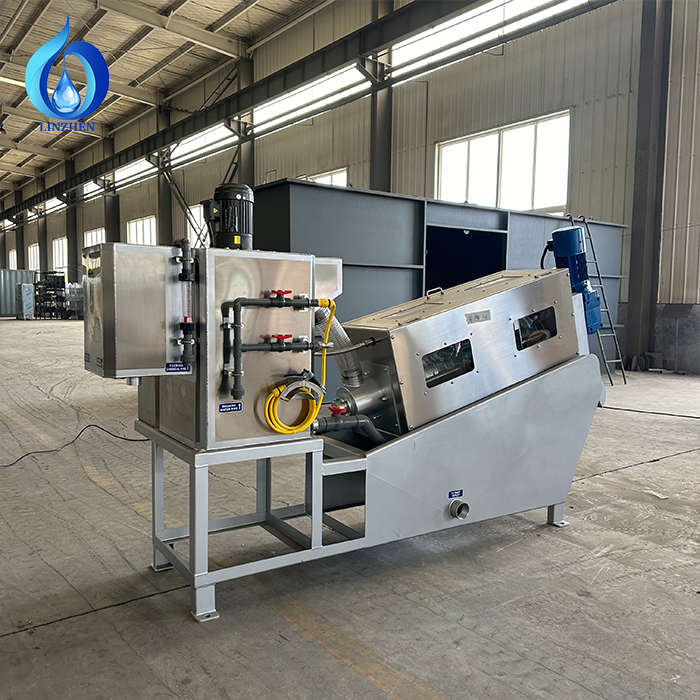
Landfill acceptance protocols evaluate key physical and chemical attributes, including residual moisture, heavy metal mobility, pathogen concentrations, and structural shear strength. A high-efficiency sludge dewatering machine must consistently yield output that satisfies these strict environmental thresholds. The capability of a sludge dewatering machine to reach target dry solids content—typically between 18% and 25%—directly dictates whether processed material passes initial physical inspection or faces rejection at the disposal site entrance.
Mechanical Dewatering Principles and Landfill Acceptance Factors
Moisture Reduction and Achieving Target Dry Solids Content
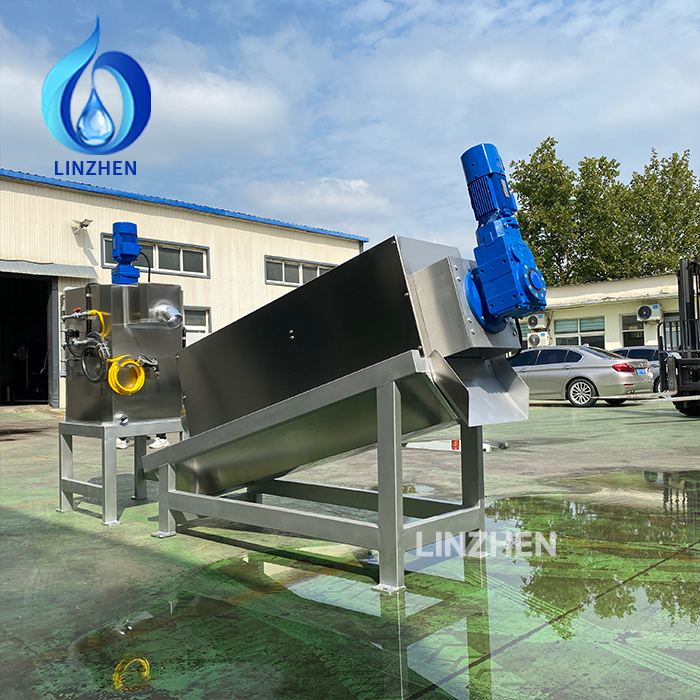
The primary operational objective of a commercial sludge dewatering machine is stripping free and interstitial water from raw liquid sludge. Modern sludge dewatering machine configurations utilize mechanical force, high centrifugal pressure, or multi-stage screw pressing to maximize fluid separation. When an industrial sludge dewatering machine operates under optimized mechanical settings, it elevates raw slurry containing 2% to 5% solids up to a concentrated 18% to 25% dry solids content matrix, producing cake that exhibits superior handling characteristics during transport and disposal.
Environmental regulators conduct a mandatory landfill disposal test specifically for moisture levels because excessive free water compromises landfill slope stability and accelerates leachate formation. The processing efficiency of the sludge dewatering machine directly dictates whether generated cake conforms to regional moisture limits. Sub-optimal sludge dewatering machine performance yields soggy cake with inadequate dry solids content, resulting in failed tipping site inspections, mandatory re-processing, and costly emergency disposal contingencies.
Heavy Metal Containment and Matrix Stability
In addition to liquid removal, a heavy-duty sludge dewatering machine plays a vital role in contaminant stabilization. Environmental screening protocols evaluate whether cake from a sludge dewatering machine leaks volatile organics or hazardous heavy metals into surrounding soils. While a mechanical sludge dewatering machine does not chemically destroy heavy metals, it immobilizes contaminants within a dense solids matrix, drastically reducing the volume of mobile liquid carrier water.
The chemical conditioning module of a sludge dewatering machine introduces synthetic flocculants that bind fine colloidal particles together. Treatment plants operating a sludge dewatering machine with precise automated dosing achieve tighter particulate binding than plants relying on basic manual controls. Standard leachate testing procedures measure whether the consolidated cake maintains structural integrity without releasing trapped contaminants, proving that proper sludge dewatering machine operation directly supports long-term environmental safety.
Regulatory Standards and Compliance Verification
EPA Regulations and Regional Tipping Mandates
In the United States, federal environmental agencies establish baseline rules for sewage sludge disposal, while state regulators enforce local compliance standards. Plant operators must recognize that landfill disposal test parameters differ by regional jurisdiction, altering operational priorities for the sludge dewatering machine. Certain states enforce rigorous dry solids content minimums, whereas others focus heavily on biological pathogen destruction. Understanding local enforcement trends enables facility managers to configure their sludge dewatering machine for maximum compliance certainty.
Federal standards governed by EPA 40 CFR Part 503 dictate vector attraction reduction requirements for land-applied and landfilled biosolids. Cake generated by a sludge dewatering machine must satisfy vector reduction rules, which prevent disease vectors like rodents and insects from feeding on disposed waste. When an advanced sludge dewatering machine achieves high mechanical compaction, it starves vectors of accessible moisture, allowing facility operators to demonstrate compliance under EPA 40 CFR Part 503 guidelines effortlessly.
Leachate Testing Protocols and Risk Mitigation
Tipping facilities subject incoming cake from a sludge dewatering machine to rigorous analytical procedures, such as the Toxicity Characteristic Leaching Procedure (TCLP). These laboratory evaluations subject cake samples to acidic solutions to simulate years of exposure within a landfill cell. Performing regular leachate testing confirms whether heavy metals in cake generated by a sludge dewatering machine stay safely bound or risk contaminating groundwater aquifers.
Densely compacted cake from a well-calibrated sludge dewatering machine easily passes standard leachate testing because the moisture-depleted solids resist fluid penetration and chemical leaching. Conversely, wet cake produced by an underperforming sludge dewatering machine promotes rapid fluid migration, frequently causing the sample to fail its official landfill disposal test. Investing in a robust sludge dewatering machine serves as an essential risk mitigation policy that protects water utilities from legal liability.
Operational Factors Influencing Disposal Compliance
Upstream Sludge Pre-treatment and Conditioning
The biological characteristics of feed sludge heavily influence whether output from a sludge dewatering machine passes site compliance tests. Anaerobic digestion and chemical pre-treatment stabilize organic matter before material reaches the sludge dewatering machine inlet. Fully digested sludge features lower volatile solids, allowing the sludge dewatering machine to achieve higher physical compaction and better analytical test performance.
Facilities that optimize aerobic or anaerobic digestion upstream of the sludge dewatering machine achieve drier cake and more reliable landfill disposal test outcomes. Plant supervisors must recognize that a sludge dewatering machine functions as one component within an interconnected treatment process, meaning proper upstream digestion is vital for overall dewatering success.
Polymer Optimization and Dosing Control
Achieving peak efficiency with a sludge dewatering machine requires meticulous polymer conditioning and precise chemical dosing. Polymer chemistry coagulates microscopic particles, allowing the sludge dewatering machine to express free water quickly. Insufficient polymer dosing produces soft, wet cake that fails a physical landfill disposal test, whereas over-dosing wastes expensive chemicals without improving performance. Modern sludge dewatering machine units feature real-time sensors that adjust chemical dosing based on feed sludge viscosity.
Sludge processed through a sludge dewatering machine with intelligent chemical management exhibits superior structural stability during leachate testing. Optimal flocculation enhances the physical strength of the cake, ensuring the sludge dewatering machine yields material that satisfies all regional disposal criteria.
Equipment Maintenance and Reliability
Neglecting routine maintenance on a commercial sludge dewatering machine leads to fluctuating cake dryness and unpredictable compliance results. Worn pressing screws, torn filter belts, and clogged drainage screens gradually degrade dewatering performance. Facilities that execute preventative maintenance on their sludge dewatering machine sustain consistent dry solids content and pass site inspections with complete confidence.
Output from a properly serviced sludge dewatering machine exhibits predictable density and stable chemical composition. Reliable output allows certified laboratories to issue passing compliance reports under EPA 40 CFR Part 503 rules. Maintaining your sludge dewatering machine eliminates regulatory uncertainty and ensures seamless disposal operations.
FAQ
Does cake from a sludge dewatering machine always pass a landfill disposal test?
No, cake produced by a sludge dewatering machine does not automatically pass a landfill disposal test. Success depends on feed sludge conditioning, chemical dosing, maintenance of the sludge dewatering machine, and specific regional requirements regarding dry solids content and EPA 40 CFR Part 503 compliance.
What dry solids content must a sludge dewatering machine achieve for landfill tipping?
Most disposal sites mandate that a sludge dewatering machine achieve a minimum dry solids content of 18% to 25%. Certain jurisdictions enforcing strict environmental protection rules may require up to 30% solids to pass physical stability tests.
How does leachate testing affect sludge dewatering machine operations?
Standard leachate testing evaluates whether heavy metals migrate out of disposed cake. Operating a sludge dewatering machine at peak mechanical efficiency locks contaminants within a dense solids matrix, preventing leaching and ensuring compliance with federal environmental standards.
 EN
EN