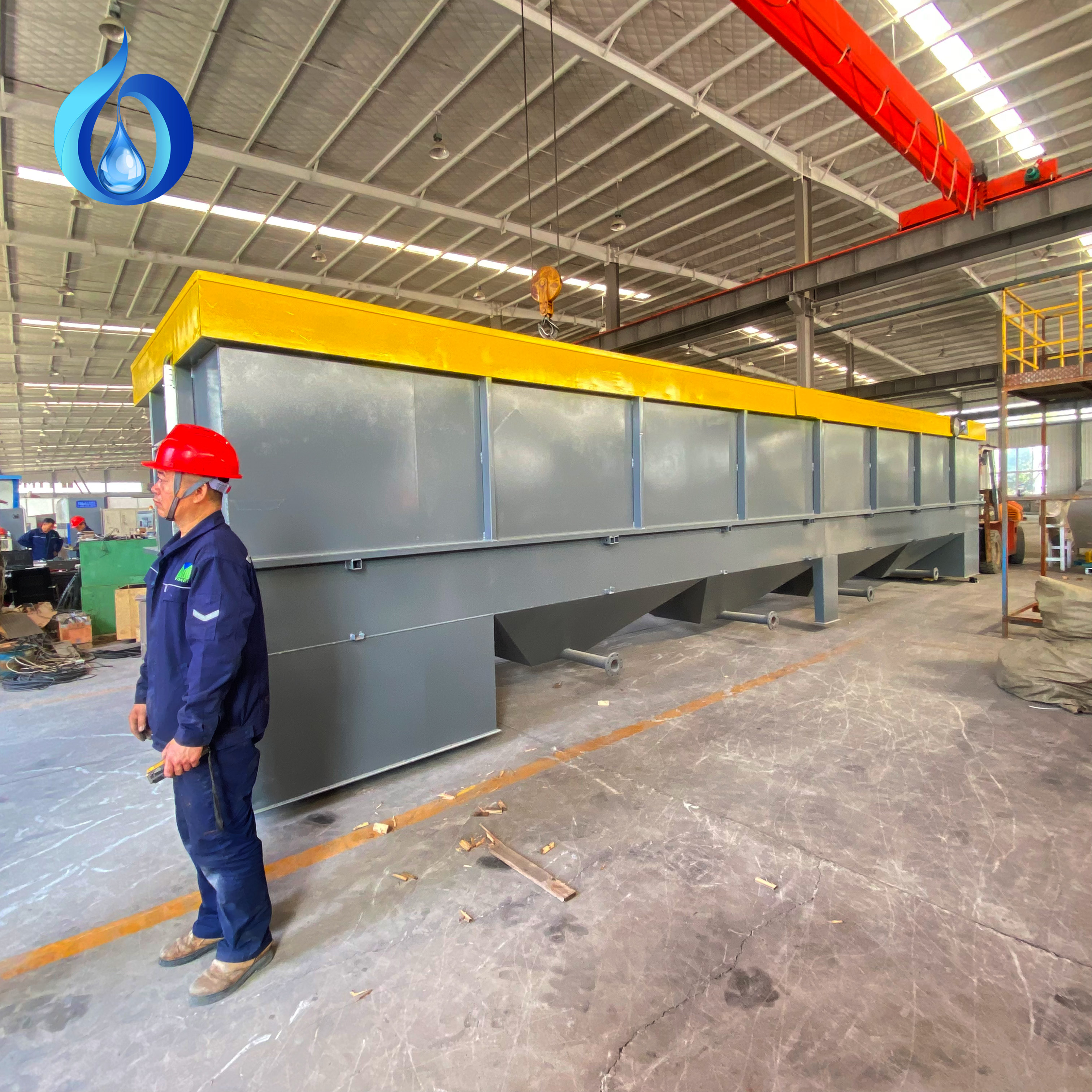
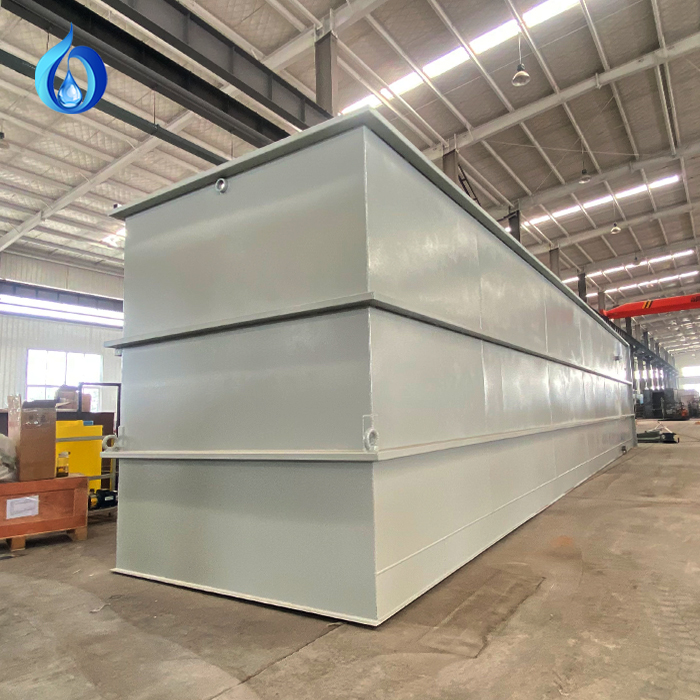
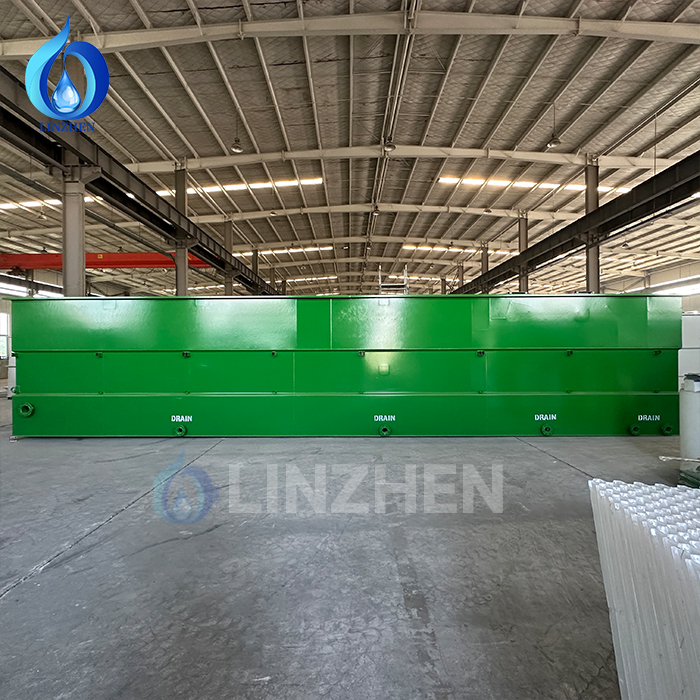
Seasonal fluctuations in hydraulic flow and pollutant loads represent one of the most critical operational challenges in modern wastewater management. Facilities across municipal, commercial, and industrial sectors regularly experience wide variations in influent volume and strength throughout the year. From summertime tourism surges and crop harvest seasons to winter storm runoff, predictable seasonal shifts demand flexible infrastructure. Deploying dynamic wastewater treatment solutions allows plant operators to ensure reliable compliance while protecting operational efficiency during severe loading changes.
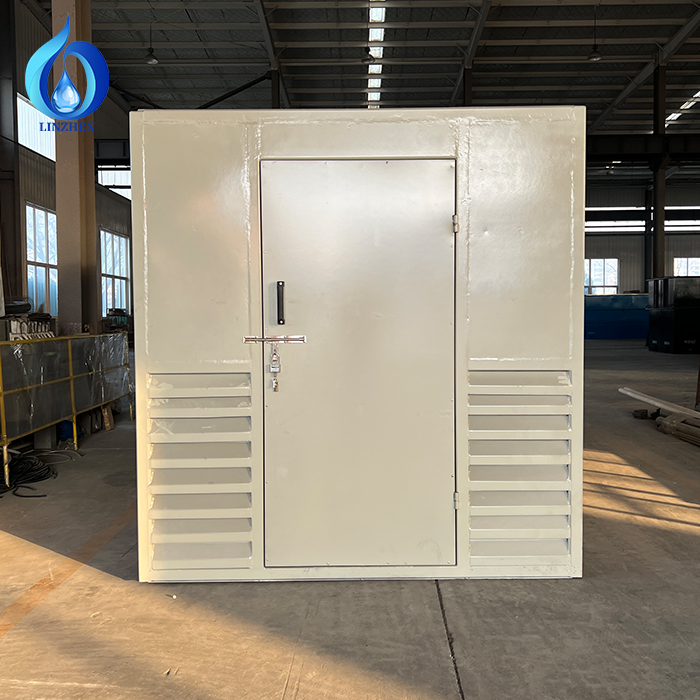
Engineering modern wastewater treatment solutions to master seasonal load variations is entirely achievable through advanced process design, dynamic modularity, and automated controls. Incorporating flexible multi-stage treatment pathways enables systems to buffer incoming hydraulic surges and high-strength waste streams smoothly. Understanding how to build resilience into wastewater treatment solutions safeguards local water bodies while extending overall equipment longevity.
Understanding Seasonal Load Variations in Wastewater Systems
Common Drivers of Seasonal Fluctuation
Seasonal loading shifts within wastewater treatment solutions arise from varied environmental, agricultural, and industrial triggers. Agricultural processing generates massive organic load spikes during autumn harvest months, while resort towns handle sudden summer population spikes that overload local municipal infrastructure. Industrial facilities using biological processes frequently adjust production schedules seasonally, leading to changing wastewater profiles. Furthermore, severe weather events and wet-weather inflow force large volumes of storm runoff into collection networks, diluting influent concentrations while overwhelming hydraulic handling capacities in standard wastewater treatment solutions.
Consequences for Static Infrastructure
Standard, single-capacity wastewater treatment solutions struggle significantly when subjected to dynamic seasonal loads. Severe peak loading often causes hydraulic washouts, biomass loss, diminished biological degradation, and potential permit violations. Conversely, operating oversized wastewater treatment solutions during off-peak seasons wastes excessive energy, reduces chemical reaction efficiency, and causes biological starvation in secondary treatment steps. Overcoming these operational hazards requires implementing adaptive wastewater treatment solutions engineered to scale operational capacity up or down on demand.
Design Strategies for Adaptive Wastewater Treatment Solutions
Flow Equalization and Buffering Storage
Flow equalization basins form the baseline defense for resilient wastewater treatment solutions designed for fluctuating loads. These storage structures capture incoming flow surges during peak periods and gradually meter effluent into downstream processes during lower-demand intervals. Modern wastewater treatment solutions leverage automated flow control valves, inline water quality sensors, and variable-speed pumping to regulate loading rates dynamically. Well-designed equalization steps can trim peak flow demands by 40% to 60%, allowing downstream biological and filtration stages in wastewater treatment solutions to remain smaller and run far more efficiently year-round.
Flexible Process Configuration and Modularity
Modular design allows robust wastewater treatment solutions to scale capacity alongside actual inflow volumes. Multi-train process lines allow plant supervisors to bring additional aeration basins, clarifiers, or membrane banks online during peak months, then isolate and maintain them during off-peak periods. Utilizing adjustable blowers, dynamic sludge recirculation rates, and parallel biological pathways ensures that specialized wastewater treatment solutions maintain ideal food-to-microorganism ratios and optimal hydraulic retention times across all seasonal operational modes.
Technical Implementation and System Optimization
Automated Analytics and Predictive Controls
Integrating real-time sensors and predictive control software dramatically improves how wastewater treatment solutions handle rapid seasonal load shifts. Continuous monitoring of dissolved oxygen, nitrate concentrations, oxidation-reduction potential, and influent flow rates allows intelligent systems to adjust aeration output and chemical feed rates automatically. By connecting historical weather metrics and production schedules into automated controls, smart wastewater treatment solutions preemptively optimize tank levels and biomass inventory before peak loads arrive.
Hybrid Treatment Configurations
Integrating multiple complementary unit processes into hybrid wastewater treatment solutions delivers unmatched operational flexibility. Combining conventional activated sludge baseline treatment with supplementary moving bed biofilm reactors or polishing lagoons allows facilities to absorb heavy organic shocks easily. Advanced wastewater treatment solutions often combine chemical precipitation, biological nutrient removal, and membrane filtration, ensuring that fluctuating raw influent quality never compromises final discharge purity.
Real-World Applications and Strategic Considerations
Municipal Infrastructure Adaptation
Municipalities with heavy tourism demands rely on scalable wastewater treatment solutions engineered with substantial peak margins. Coastal towns frequently design modular biological units capable of handling 200% to 300% capacity variations between summer peaks and winter baselines. Implementing thorough stormwater inflow reduction programs alongside adaptive municipal wastewater treatment solutions prevents hydraulic overload, keeping treatment performance stable throughout wet seasons.
Industrial Production Applications
Industrial processing facilities demand flexible wastewater treatment solutions tailored to fluctuating production campaigns. Food processing, beverage bottling, and agro-industrial plants benefit from portable, containerized treatment modules deployed temporarily during harvest peaks. Implementing customizable wastewater treatment solutions ensures strict compliance with environmental regulations while keeping capital expenditures aligned with actual manufacturing output.
FAQ
How do wastewater treatment solutions calculate appropriate seasonal capacity margins?
Engineers size resilient wastewater treatment solutions by thoroughly evaluating historical multi-year flow patterns, peak load durations, and forecast growth. Systems are typically configured to handle the 95th percentile peak load while maintaining dynamic turndown capabilities for off-peak baseline operations. Periodic system audits ensure wastewater treatment solutions adapt smoothly as local industrial inputs and climate patterns evolve over time.
What is the financial return of adaptive versus static wastewater treatment solutions?
While flexible wastewater treatment solutions may require 15% to 25% higher initial capital investment for extra controls and modular valves, they lower long-term operating costs by 20% to 35%. Dynamic energy optimization, targeted chemical dosing, reduced equipment wear, and avoiding non-compliance penalties make adaptive wastewater treatment solutions significantly more cost-effective over their operating lifecycle.
Which process technologies adjust best to rapid seasonal load swings?
Membrane-based systems like wastewater treatment solutions utilizing MBR or sequential batch reactor configurations perform exceptionally well during rapid load transitions. These advanced wastewater treatment solutions maintain complete biomass retention and deliver consistently high effluent purity, even when influent volumes and contaminant concentrations fluctuate abruptly.
 EN
EN