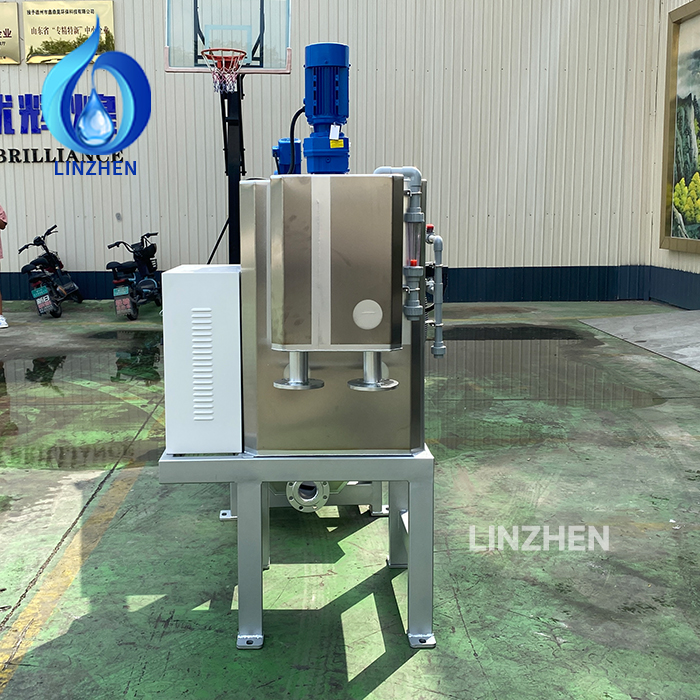
Petrochemical refinery sites generate massive volumes of oily sludge as a byproduct of crude oil processing, separation, and treatment operations. Managing this hazardous waste requires specialized equipment capable of handling high oil content, variable moisture levels, and stringent environmental regulations. A sludge dewatering machine is specifically engineered to extract liquid from oily mud, transforming wet sludge into compacted cake that is easier and safer to transport, treat, or dispose of. The technology behind solid liquid separation in refinery environments combines mechanical force with precise cake dryness optimization to achieve industry compliance while reducing waste volume and operational costs.
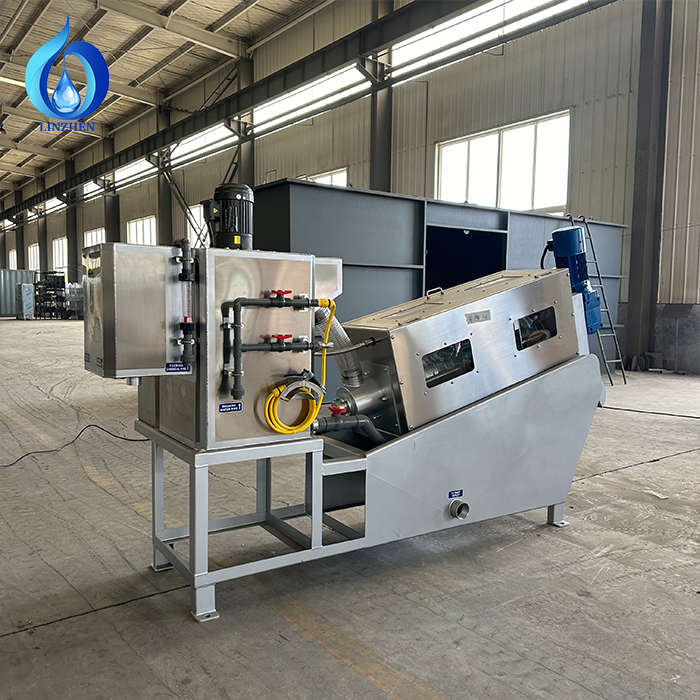
Yes, a sludge dewatering machine effectively presses oily mud from petrochemical refinery sites by applying continuous mechanical pressure through rotating screws or plates that compress solids while forcing liquid through perforated screens or filter media. The machine achieves this through a combination of physical compression, differential screw speed, and backpressure systems that progressively dewater the sludge to target cake dryness levels. For petrochemical facilities, this process removes both free water and bound moisture trapped within oily sludge matrices, significantly reducing disposal volume and creating a stackable, semi-dry cake that meets transportation and landfill acceptance criteria.
How Sludge Dewatering Machines Handle Oily Mud
Mechanical Dewatering Principles for Refinery Sludge
Petrochemical sludge contains a complex mixture of oil, water, and fine solids that resist traditional dewatering methods. A sludge dewatering machine uses progressive cavity screws or filter press plates to apply gradual, steady pressure against the sludge mass. As the screw rotates, its pitch changes along the barrel, creating a compression zone that gradually reduces the volume available for the sludge. This mechanical action breaks apart agglomerated particles and forces moisture through perforated sections, achieving solid liquid separation at the molecular level. The backpressure valve maintains consistent compression force, ensuring uniform cake density throughout the discharge.
Cake Dryness Optimization in High-Oil Environments
Achieving optimal cake dryness optimization for oily refinery mud requires balancing screw speed, feed pressure, and residence time within the dewatering chamber. Modern sludge dewatering machine designs incorporate variable frequency drives that allow operators to adjust compression intensity based on sludge composition and target moisture content. For petrochemical sludge with high oil content, slower screw speeds often provide better solid liquid separation because they allow more time for oil and water molecules to migrate toward the discharge openings. Automated dosing systems add chemical conditioners that improve cake release and further reduce residual moisture, enabling facilities to achieve cake dryness levels exceeding 80 percent dry solids.
Industrial Applications in Petrochemical Refining
Refinery Sludge Handling and Environmental Compliance
Petrochemical refineries generate oily sludge from multiple unit operations including crude oil storage tank bottoms, desalting processes, and wastewater treatment lagoons. Installing a sludge dewatering machine directly addresses regulatory pressure to minimize waste volume before final disposal or incineration. By achieving high levels of cake dryness optimization, refineries reduce transportation costs, lower incineration fuel requirements, and decrease final disposal fees significantly. The solid liquid separation process also recovers residual oil from sludge, enabling recovery and reprocessing in refinery feed streams, which further justifies capital investment in dewatering equipment.
Cost Reduction and Operational Efficiency
Refineries processing high volumes of oily sludge benefit dramatically from on-site dewatering capacity. A sludge dewatering machine reduces sludge mass by 60 to 75 percent through moisture removal, directly lowering disposal tonnage fees and transportation logistics expenses. The dried cake occupies significantly less storage space compared to raw sludge, allowing facilities to reduce containment basin requirements or redirect basin capacity to other operational needs. Automated controls and sensor feedback minimize operator intervention, reducing labor costs while maintaining consistent cake dryness optimization performance across shifts and seasonal variations in sludge composition.
Technical Performance and Equipment Specifications
Capacity and Processing Performance for Refinery Mud
Industrial-grade sludge dewatering machines for petrochemical applications typically process between 10,000 and 50,000 liters per hour, depending on sludge viscosity, oil concentration, and target cake dryness. The flow rate directly depends on solid liquid separation efficiency and the ability of the equipment to discharge compressed cake while continuously feeding fresh sludge. For high-oil-content refinery mud, systems often operate at the lower end of capacity ranges because tighter compression is necessary to achieve proper cake formation. Oversizing equipment allows facilities to handle surge loads during maintenance shutdowns or seasonal processing peaks without overloading the system.
Durability and Maintenance in Harsh Refinery Environments
Oily sludge dewatering exposes equipment to abrasive solids, corrosive chemicals, and thermal stress, requiring robust material selection and preventive maintenance protocols. Premium sludge dewatering machine designs use stainless steel construction, hardened screw surfaces, and specialized elastomers that resist oil penetration and chemical attack. Scheduled bearing inspections, seal replacements, and screw audits maintain peak cake dryness optimization performance while preventing catastrophic failures. Refinery facilities establish quarterly maintenance windows to inspect internal surfaces for scaling or buildup caused by mineral precipitation within oily sludge matrices.
FAQ
What moisture content can a sludge dewatering machine achieve for petrochemical sludge?
Modern sludge dewatering machines achieve cake dryness levels between 70 and 85 percent dry solids for typical petrochemical refinery mud when properly tuned and maintained. Actual performance depends on sludge composition, chemical conditioning, screw design, and backpressure settings. Higher cake dryness optimization requires longer residence times and increased compression force, which may reduce processing throughput. Refineries should conduct pilot trials with representative sludge samples to establish realistic performance expectations specific to their operations.
How does solid liquid separation in a dewatering machine differ from settling or lagoon treatment?
A sludge dewatering machine achieves rapid, mechanical solid liquid separation within minutes, compared to settling lagoons that require days or weeks for gravity separation. The active compression and forced migration of moisture through filter media enables much higher final cake dryness optimization than gravity methods alone. Mechanical dewatering occupies minimal footprint, making it ideal for refineries with space constraints, while achieving regulatory compliance more reliably and consistently than passive lagoon systems.
Can a sludge dewatering machine handle sludge with extremely high oil content?
Yes, specialized sludge dewatering machines can process extremely oily refinery sludge through cake dryness optimization techniques including extended compression zones, variable screw speeds, and chemical pre-treatment with demulsifiers or surfactants. Pre-heating sludge before dewatering improves oil mobility and solid liquid separation efficiency, allowing the equipment to achieve acceptable cake moisture levels even with challenging feedstock. Consulting with equipment manufacturers about specific sludge composition and oil percentage ensures system design matches actual refinery processing conditions.
 EN
EN