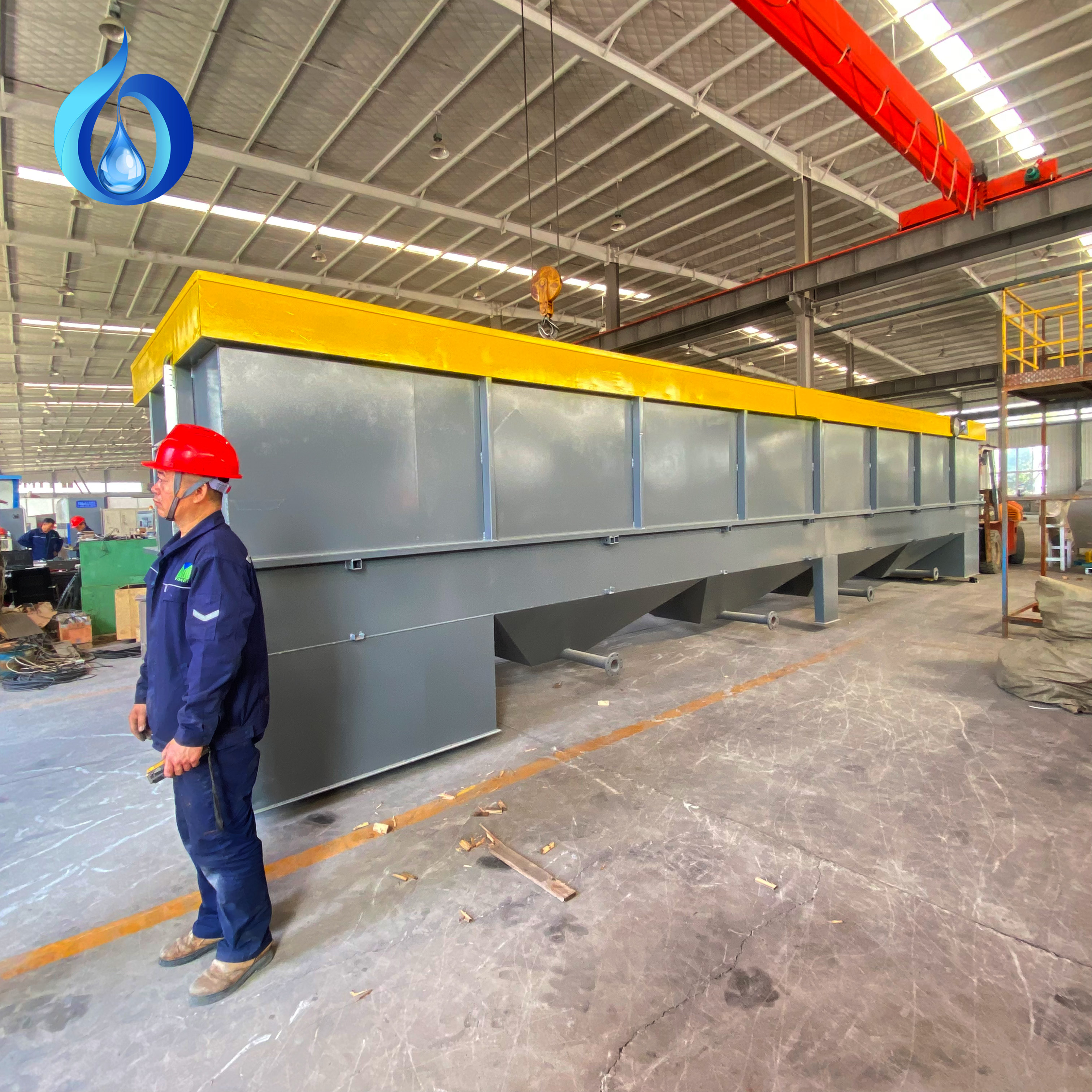
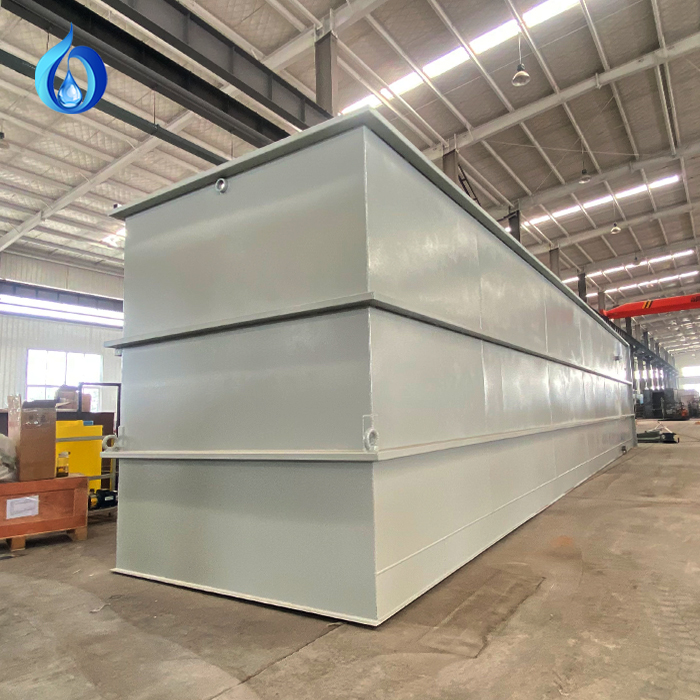
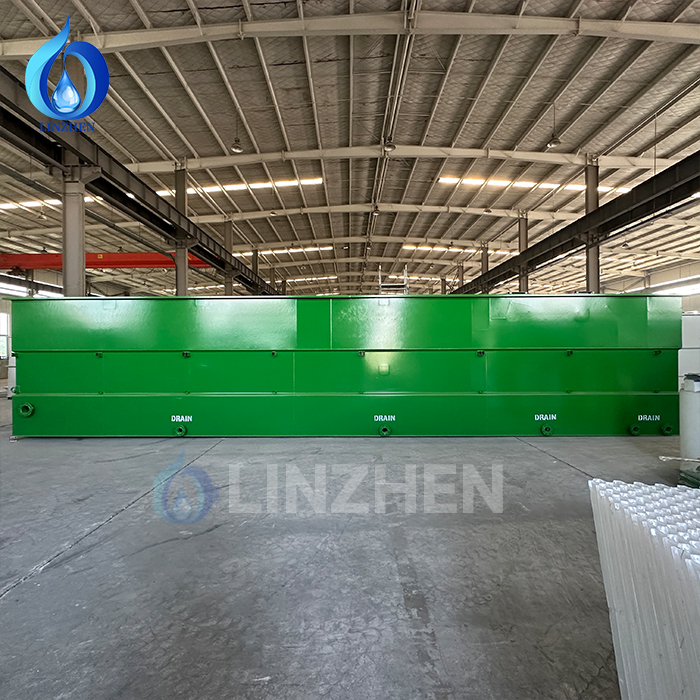
Modern sewage treatment has transformed residential neighborhoods by making it possible to operate treatment facilities with virtually zero smell, even in close proximity to homes and shopping centers. This breakthrough represents a fundamental shift from traditional wastewater management, where offensive odors were considered an inevitable consequence of sewage treatment. Today's advanced sewage treatment systems employ multiple technologies, containment strategies, and operational protocols that eliminate the foul gases historically associated with waste processing. Understanding how contemporary sewage treatment achieves odor neutrality is essential for communities, municipalities, and developers planning infrastructure near populated areas.
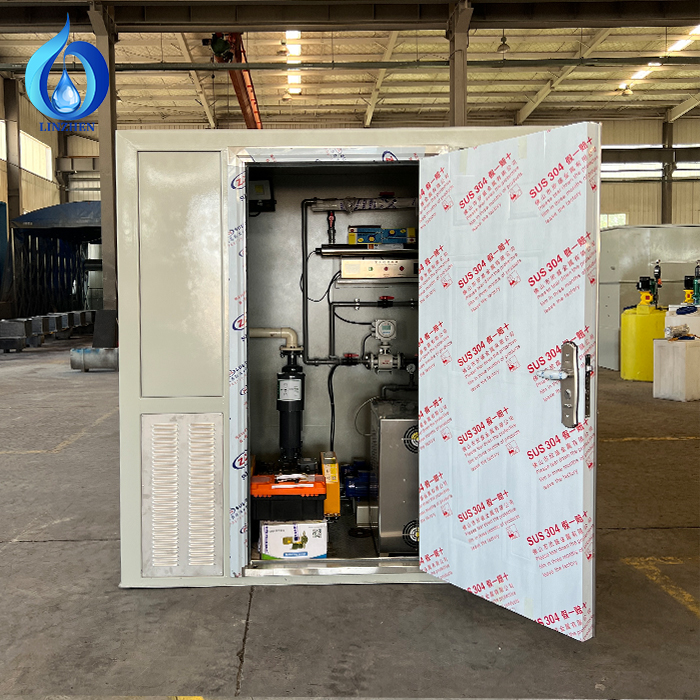
The elimination of odors in sewage treatment operations is not merely a matter of comfort but a critical factor in urban planning, property values, and community acceptance. When sewage treatment facilities can operate without generating unpleasant smells, they become compatible with residential developments, commercial zones, and recreational areas. This compatibility opens new possibilities for integrated waste management infrastructure that does not compromise neighborhood quality or create health concerns related to persistent odor exposure.
Containment and Enclosure Technology in Sewage Treatment
Sealed Tank and Reactor Design
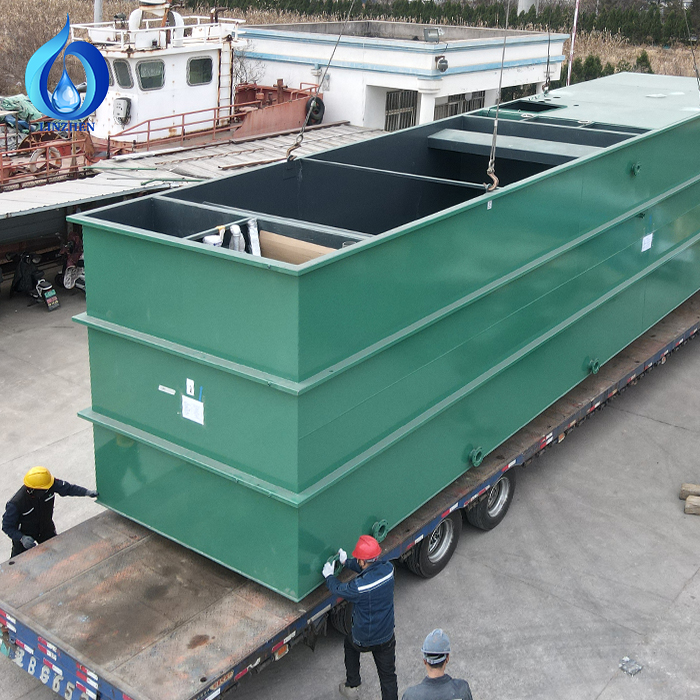
The foundation of odor-free sewage treatment begins with fully enclosed reactor vessels and storage tanks. Unlike traditional open-air treatment ponds, modern sewage treatment systems utilize sealed bioreactors, clarifiers, and holding tanks constructed from reinforced materials that prevent gaseous emissions from escaping into the atmosphere. Each component of the sewage treatment process is contained within structures designed specifically to capture and manage any gases produced during biological decomposition. This containment approach is essential because odor generation occurs naturally when microorganisms break down organic matter in the absence of oxygen, yet sealed sewage treatment designs prevent these gases from reaching populated areas.
Negative Pressure and Ventilation Management
Advanced sewage treatment facilities employ negative pressure systems that maintain controlled airflow within enclosed treatment zones. By designing the building envelope around sewage treatment reactors to operate at slightly lower pressure than surrounding areas, facilities prevent odorous air from escaping through doors, windows, or structural openings. Instead, all air flows into the treatment area, where it passes through biofilter media or activated carbon scrubbers before being released. This engineered approach to sewage treatment air management means that even if minimal odor is generated, the ventilation architecture prevents it from dispersing into neighborhoods or commercial properties adjacent to the facility.
Biological and Chemical Odor Suppression in Sewage Treatment
Anaerobic and Aerobic Process Integration
Sewage treatment technology has evolved to control the conditions under which microbial decomposition occurs, thereby reducing odor-producing compounds. Aerobic sewage treatment processes, which rely on oxygen-rich environments, naturally generate fewer volatile sulfur compounds and ammonia compared to traditional anaerobic treatment methods. Modern sewage treatment systems combine aerobic bioreactors with controlled anaerobic stages, allowing operators to minimize the time that wastewater spends in conditions favorable for odor development. Extended aeration, membrane bioreactors, and sequencing batch reactor designs all represent sewage treatment technologies that prioritize oxygen availability and microbial environment control to suppress odor formation at the biochemical level.
Chemical Treatment and Biofilter Integration
For any residual gases that sewage treatment processes do produce, chemical scrubbing systems and biofilters provide secondary odor elimination. Biofilters are packed beds of compost, wood chips, or peat that support beneficial microorganisms capable of oxidizing hydrogen sulfide, ammonia, and other volatile organic compounds. When air from sewage treatment facilities passes through biofilter media, these microorganisms consume the odor-producing substances, converting them into harmless byproducts. Additionally, chemical scrubbers using ferric chloride or other reagents neutralize specific odorants before air is discharged from sewage treatment buildings. This multi-stage approach ensures that even minor odor emissions from sewage treatment operations are essentially eliminated before reaching sensitive nearby locations.
Containerized and Modular Sewage Treatment Solutions
Factory-Built Integration and Quality Control
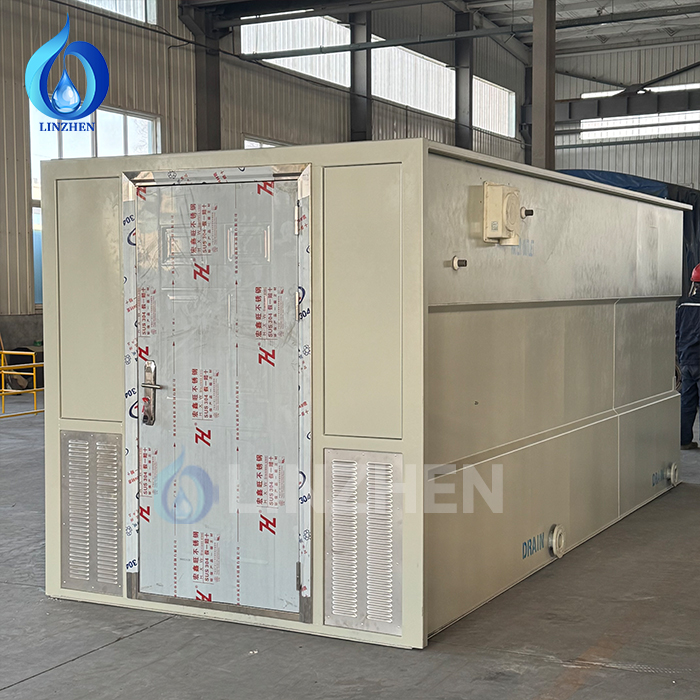
Containerized sewage treatment represents a modern advancement where all treatment components are pre-assembled and sealed within a shipping container or modular structure before deployment. This approach to sewage treatment offers inherent odor control advantages because the entire system is designed as one integrated, sealed unit. During manufacturing, every connection, vent, and potential emission point is engineered and tested for air-tightness. When containerized sewage treatment units arrive on-site, they can be placed directly adjacent to residential or commercial areas because the containment strategy is built into the product itself rather than relying on external building construction. This factory-controlled quality in sewage treatment manufacturing ensures consistent odor performance across all installations.
Scalability and Placement Flexibility
Modular sewage treatment systems enable municipalities and developers to place treatment capacity exactly where wastewater is generated, rather than relying on distant centralized facilities. This distributed approach to sewage treatment reduces transport distances and associated infrastructure, while the sealed design of containerized units makes neighborhood placement feasible. Commercial developments, residential complexes, and shopping centers can now integrate their own sewage treatment systems without creating nuisance conditions for occupants or visitors. The reliability and odor neutrality of modern containerized sewage treatment has made this distributed infrastructure model increasingly viable for urban and suburban settings where traditional treatment plants would face community opposition.
Operational Best Practices and Monitoring in Sewage Treatment
Regular Maintenance and Process Optimization
Achieving zero-smell sewage treatment requires consistent operational discipline and proactive maintenance. Facilities must maintain proper oxygen levels in aerobic reactors, prevent solids from accumulating in anoxic zones, and ensure that biofilters remain adequately moist and biologically active. Sewage treatment operators monitor pH, dissolved oxygen, sludge age, and biomass concentration to maintain conditions that naturally suppress odor formation. When sewage treatment systems are operated according to design specifications with regular inspections and preventive maintenance, odor emissions remain negligible. Equipment failures such as blower malfunction or biofilter drying can temporarily increase odor risk, making responsive maintenance protocols essential to sustaining zero-smell performance.
Continuous Monitoring and Odor Management Technology
Modern sewage treatment facilities employ continuous monitoring systems that track odor precursors and environmental conditions in real-time. Hydrogen sulfide sensors, ammonia detectors, and oxygen probes provide operators with immediate feedback about sewage treatment process health and potential odor risks. Advanced facilities use Internet-connected monitoring platforms that alert operators to deviations from optimal sewage treatment conditions before odor episodes occur. This predictive maintenance approach to sewage treatment has proven highly effective in maintaining zero-smell operations near residential and commercial properties. When integrated with automated dosing of odor-suppressing chemicals or adjustment of aeration rates, continuous monitoring creates a self-regulating sewage treatment system that sustains odor-free performance continuously.
FAQ
Can sewage treatment facilities truly eliminate 100 percent of odors near homes?
Modern sewage treatment systems with proper containment, aerobic processing, and biofilter technology can reduce odor emissions to levels imperceptible to human senses in nearly all operational conditions. While 100 percent elimination across all scenarios is difficult to guarantee, well-designed sewage treatment facilities achieve performance standards where neighboring residents report no detectable odor. The combination of sealed reactors, negative pressure systems, aerobic biologics, and secondary treatment ensures that residual emissions from sewage treatment remain far below odor threshold concentrations. Equipment failure or operator error can occasionally allow brief odor episodes, but standard sewage treatment design expects such incidents to be rare and manageable.
How does containerized sewage treatment compare to traditional facility design for odor control?
Containerized sewage treatment offers superior odor control compared to traditional open-basin facilities because containment and odor management are engineered into the system itself rather than added during site construction. Factory-built sewage treatment units undergo rigorous testing before deployment, ensuring consistent air-sealing and biofilter performance. Traditional sewage treatment facilities require extensive site-specific construction of buildings and ventilation systems, which introduces variability in odor containment quality. Modern containerized sewage treatment can be placed directly adjacent to sensitive uses while maintaining community-compatible odor performance, whereas traditional treatment often requires buffer zones. The integrated design of containerized sewage treatment makes it more reliable and adaptable for neighborhood applications.
What maintenance is required to sustain zero-smell sewage treatment performance?
Maintaining odor-free sewage treatment requires regular monitoring of aeration systems, biofilter moisture levels, sludge removal, and process chemistry. Operators must verify that oxygen levels remain adequate, pH stays balanced, and no organic accumulation occurs in dead zones where anaerobic conditions develop. Biofilters need periodic replacement when microbial activity declines or media becomes compacted. Quarterly inspections of seals, dampers, and ventilation components ensure containment integrity. Professional maintenance contracts with preventive protocols are recommended for facilities operating near residential areas, as consistent operational excellence is the backbone of reliable, zero-smell sewage treatment performance.
 EN
EN