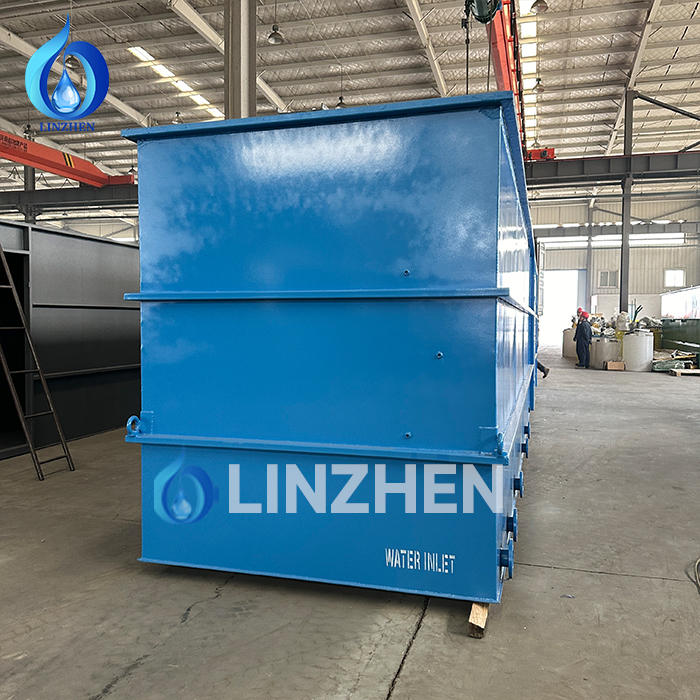
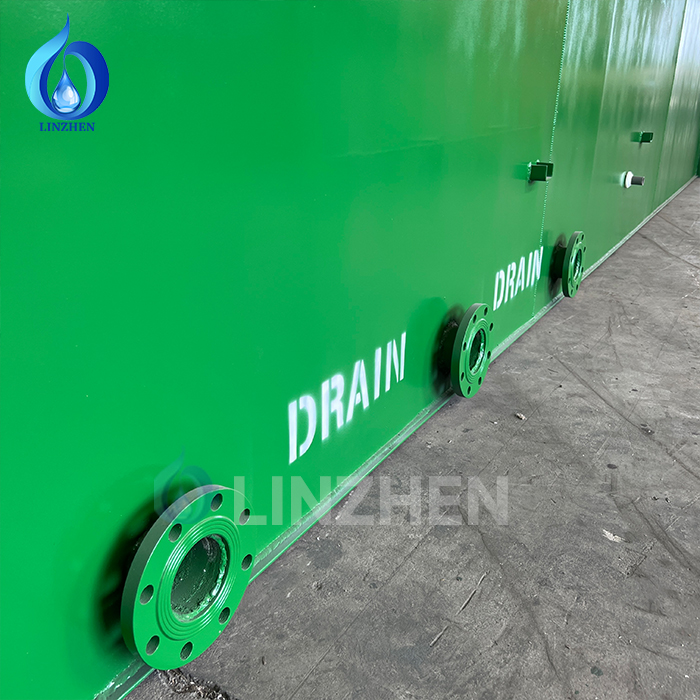
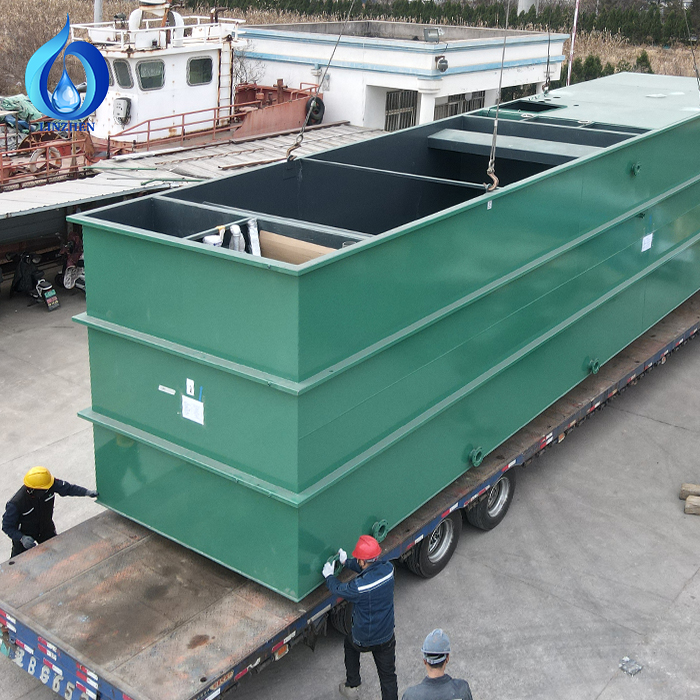
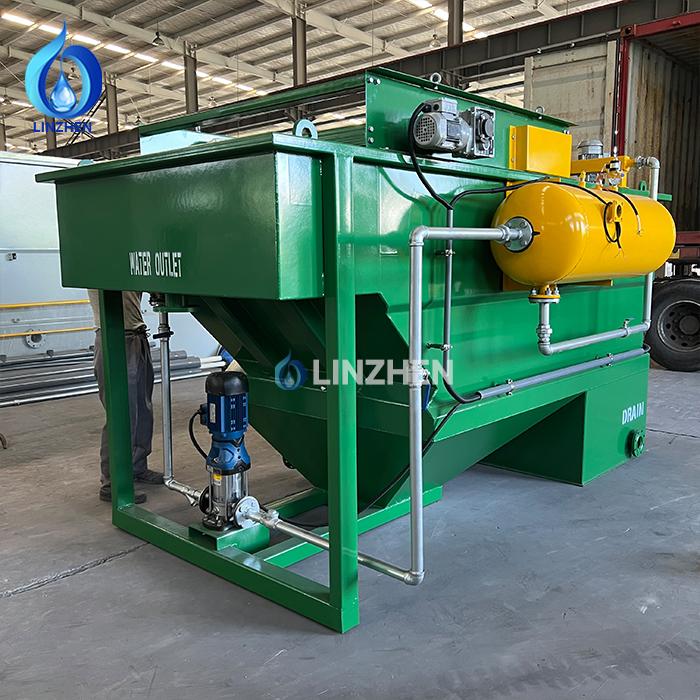
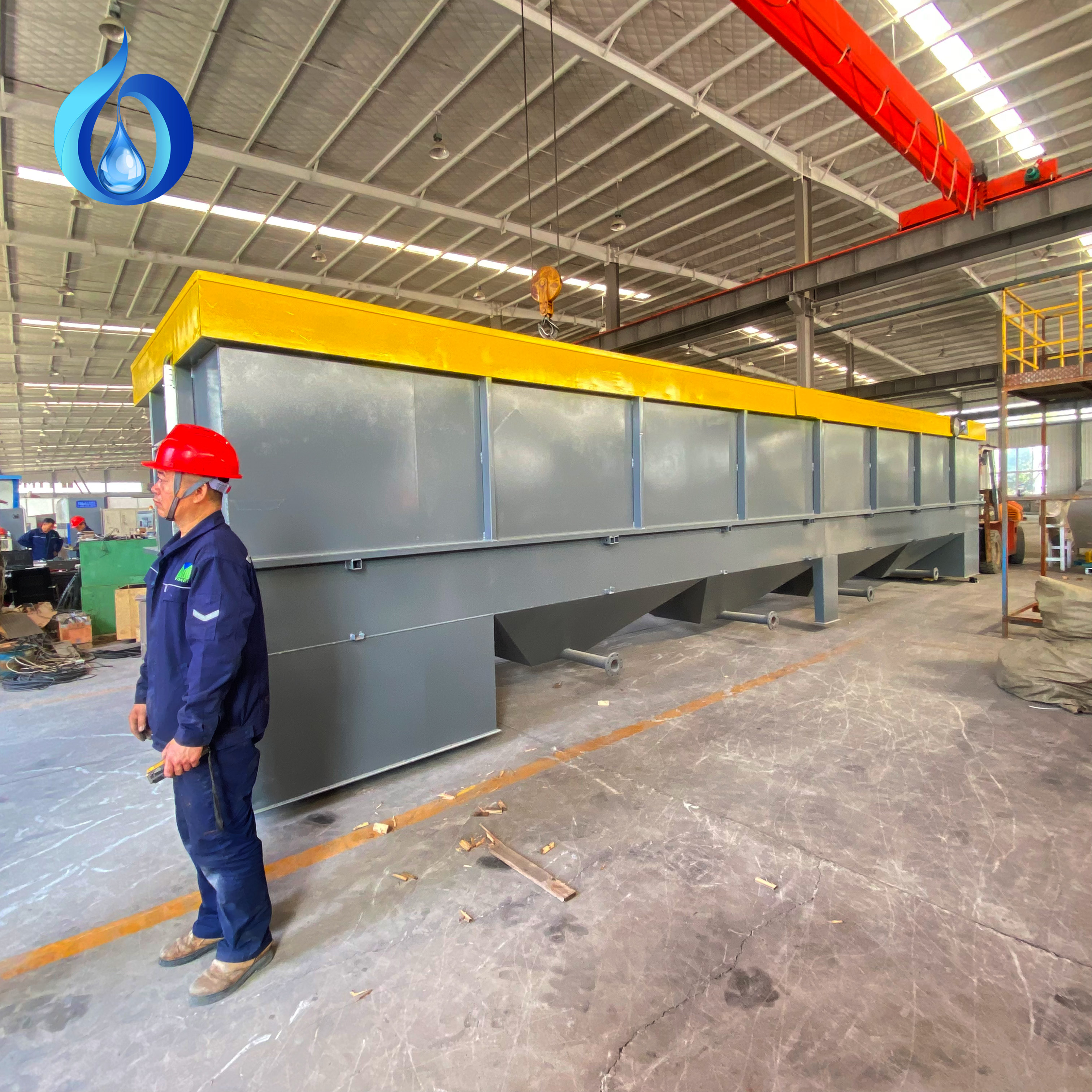
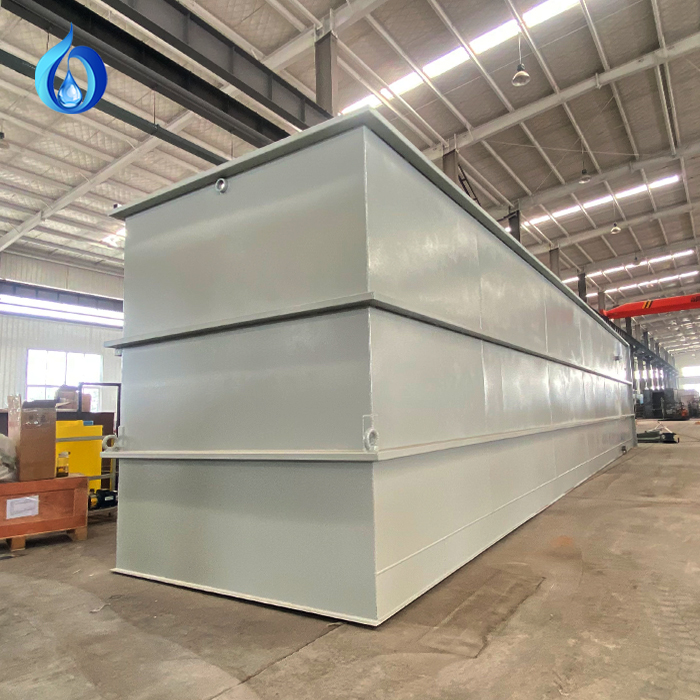
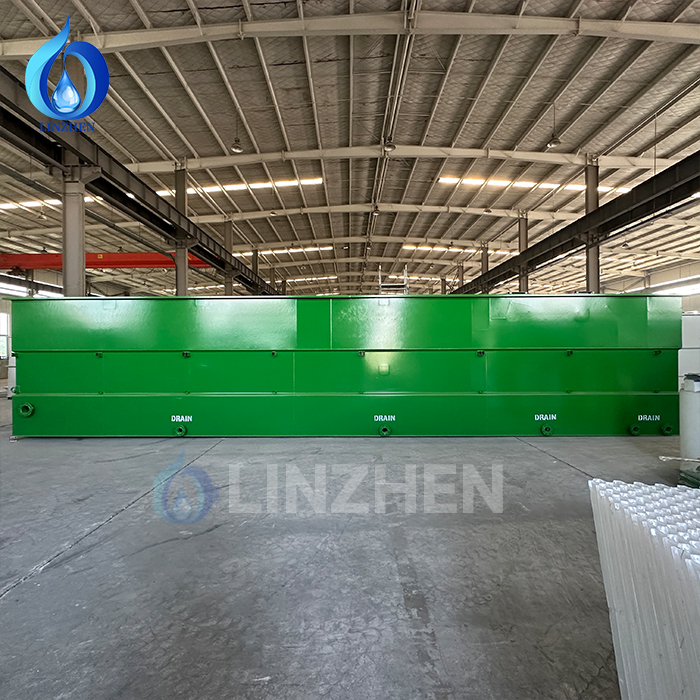
The question of whether a mbbr system can perform both full nitrification and denitrification inside one reactor has become increasingly relevant for wastewater treatment facilities seeking compact, efficient solutions. The answer is yes, and this capability represents a significant advancement in modern wastewater treatment technology. A moving bed biofilm reactor combines the benefits of suspended-growth and fixed-film processes, allowing simultaneous nitrogen removal within a single vessel through strategic process design.
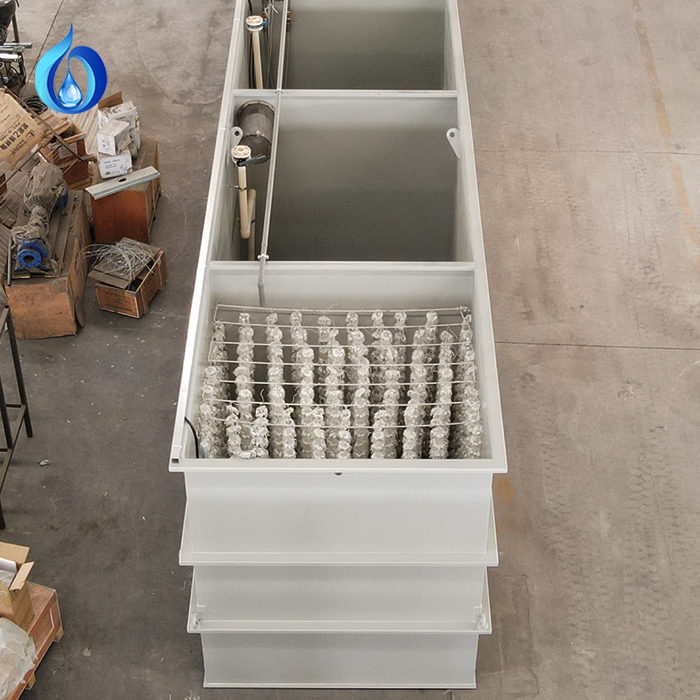
Understanding how an mbbr system achieves simultaneous nitrogen removal requires knowledge of the biofilm carrier media and the oxygen distribution strategy. The moving bed biofilm reactor uses plastic biofilm carriers that move freely within the reactor tank, creating dynamic conditions where different zones support both aerobic nitrification and anoxic denitrification. This dual-function capability transforms nitrogen treatment from a multi-tank operation into a single, streamlined process that reduces capital costs, operational complexity, and footprint requirements for municipal and industrial wastewater treatment plants.
Dual-Zone Design in Moving Bed Biofilm Reactor Systems
Aerobic Zone for Nitrification
The aerobic section of an mbbr system is where nitrification occurs on the surface of biofilm carrier media. Plastic biofilm carriers provide extensive surface area for heterotrophic and nitrifying bacteria to colonize, while aeration supplies the oxygen required for ammonia oxidation to nitrite and then nitrate. The moving bed biofilm reactor design ensures that carriers remain in suspension and circulate continuously through aerated zones, exposing new biofilm surfaces to dissolved oxygen. This circulation maximizes nitrification efficiency without requiring separate tanks or complex clarification steps. The biofilm thickness on the plastic biofilm carriers allows simultaneous internal diffusion, enabling different bacterial communities to thrive at various depths.
Anoxic Zone for Denitrification
Within the same mbbr system vessel, anoxic conditions support denitrification when aeration is reduced or eliminated in designated compartments. The moving bed biofilm reactor accomplishes this by creating oxygen-limited zones where nitrate produced during nitrification becomes the electron acceptor for heterotrophic bacteria. Biofilm carrier media retain denitrifying microorganisms that consume nitrate as oxygen becomes scarce, converting it to nitrogen gas that escapes to the atmosphere. This integrated approach means a single mbbr system can achieve complete nitrogen removal without multiple treatment tanks. The plastic biofilm carriers' mobility ensures that biofilm fragments are redistributed throughout the reactor, supporting both nitrifying and denitrifying populations simultaneously.
Oxygen Control and Process Optimization
Aeration Strategy for Simultaneous Nitrification-Denitrification
The key to enabling both processes in one mbbr system lies in precise aeration control and hydraulic distribution. Modern moving bed biofilm reactor installations use submersible aerators or fine-bubble diffusers to create distinct oxygen gradients across the tank volume. Some zones receive high aeration to support robust nitrification on biofilm carrier media surfaces, while other zones operate with minimal aeration to maintain anoxic conditions for denitrification. Advanced mbbr system designs incorporate internal baffles or compartmentalization to further optimize oxygen availability in different regions. Real-time dissolved oxygen monitoring allows operators to adjust aeration intensity dynamically, ensuring the moving bed biofilm reactor maintains the optimal balance between nitrification and denitrification capacity.
Carrier Media Movement and Mixing
The movement of plastic biofilm carriers within the mbbr system creates natural mixing that enhances contaminant contact with the biofilm without excessive turbulence. Unlike suspended-growth systems, a moving bed biofilm reactor's carriers settle gently when aeration is reduced, exposing denitrifying biofilm surfaces while simultaneously maintaining contact with bulk liquid. This passive mixing reduces energy consumption compared to mechanical stirring in conventional tanks. The biofilm carrier media design influences mixing efficiency; carriers with optimized shape and density ensure they remain suspended at lower aeration rates while still providing complete tank circulation. This operational flexibility allows an mbbr system to switch between predominantly nitrifying and predominantly denitrifying modes in response to seasonal influent characteristics or treatment goals.
Performance Factors and Design Considerations
Biofilm Carrier Media Selection Impact
The choice of plastic biofilm carriers directly influences the mbbr system's ability to perform simultaneous nitrification and denitrification. High-surface-area carriers support rapid biofilm growth and microbial diversity, essential for maintaining both nitrifying and denitrifying communities within a moving bed biofilm reactor. Carriers with interior channels and textured surfaces promote biofilm adhesion while reducing detachment rates. The density and size of plastic biofilm carriers affect their suspension behavior, with lighter, smaller units remaining suspended longer during low-aeration periods, supporting denitrification. A properly designed mbbr system optimizes carrier specifications to balance biomass retention, oxygen transfer efficiency, and anoxic zone availability.
Influent Characteristics and Loading Conditions
Successful simultaneous nitrification-denitrification in an mbbr system requires careful attention to influent ammonia and organic carbon ratios. The moving bed biofilm reactor must have sufficient biodegradable organic matter to support denitrifying bacteria, as these organisms require a carbon source to reduce nitrate. Conversely, excessive organic loading can create excessive heterotrophic competition, limiting nitrifying biofilm development on the biofilm carrier media. Temperature and pH stability within the mbbr system also influence both nitrification and denitrification rates. Optimal design incorporates adequate retention time to balance nitrogen oxidation and reduction pathways while managing solids accumulation and biofilm sloughing from the plastic biofilm carriers.
FAQ
Can a moving bed biofilm reactor treat ammonia and nitrate simultaneously without separate tanks?
Yes, a properly configured mbbr system can achieve simultaneous nitrification and denitrification within a single reactor vessel. By managing aeration and creating oxygen gradients across the tank, nitrifying biofilm grows on carrier media surfaces in aerobic zones while denitrifying biofilm develops in anoxic zones. The continuous movement of plastic biofilm carriers ensures both bacterial communities remain active and productive within one treatment unit.
What size reduction in treatment footprint can an mbbr system provide compared to conventional nitrification-denitrification systems?
An mbbr system typically reduces treatment footprint by 40 to 60 percent compared to separate nitrification and denitrification tanks. Since the moving bed biofilm reactor combines both nitrogen removal processes in one compartment, facilities eliminate separate anoxic basin construction, piping complexity, and return activated sludge lines. The high biomass concentration on plastic biofilm carriers enables faster reaction rates in smaller volumes.
How does biofilm carrier media composition affect nitrification and denitrification performance?
Plastic biofilm carriers must be hydrophilic and resistant to chemical and biological degradation to support stable nitrifying and denitrifying communities. The surface roughness and internal structure of biofilm carrier media influence biofilm thickness and microbial composition; rougher, more complex carriers promote diverse biofilm layers where nitrifiers and denitrifiers can coexist. Material selection ensures the mbbr system maintains consistent performance across varying influent conditions and temperature fluctuations.
 EN
EN