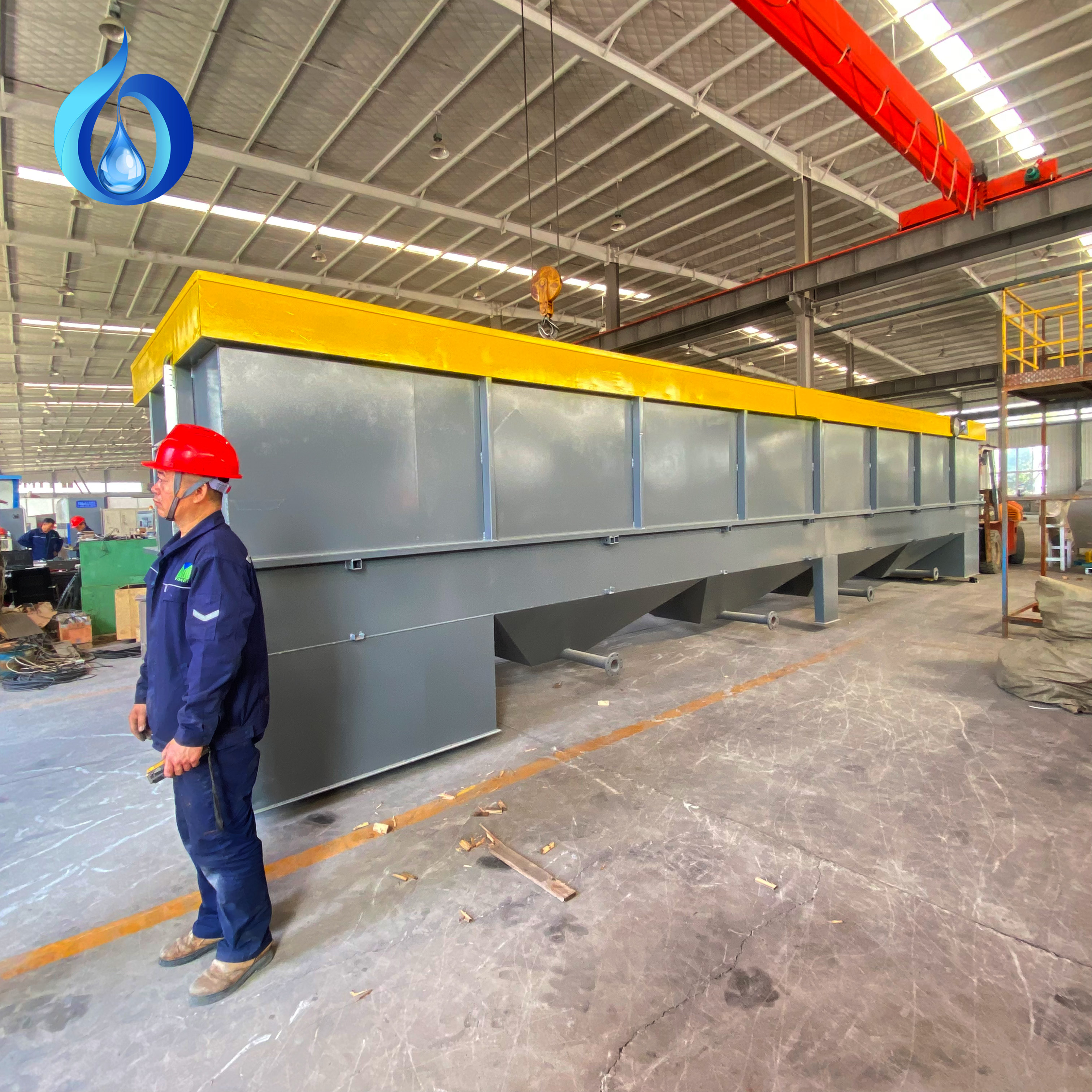
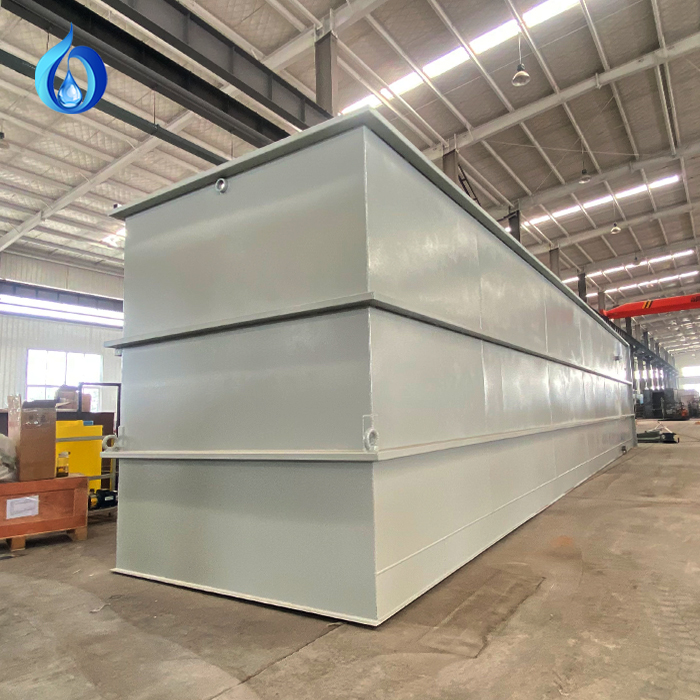
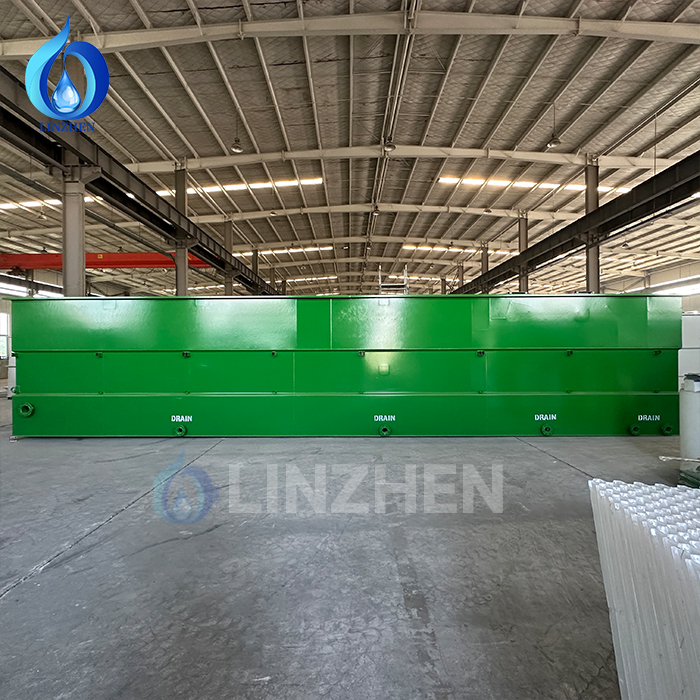
Stone cutting and quarry operations generate massive volumes of wash water laden with heavy grit, suspended solids, and fine sediment that demand effective separation before discharge or reuse. A lamella clarifier has emerged as a proven solution for treating this challenging wastewater stream, offering superior performance where conventional settling tanks fall short. This technology combines high sedimentation efficiency with a compact footprint design that fits the operational and spatial constraints of extraction sites.
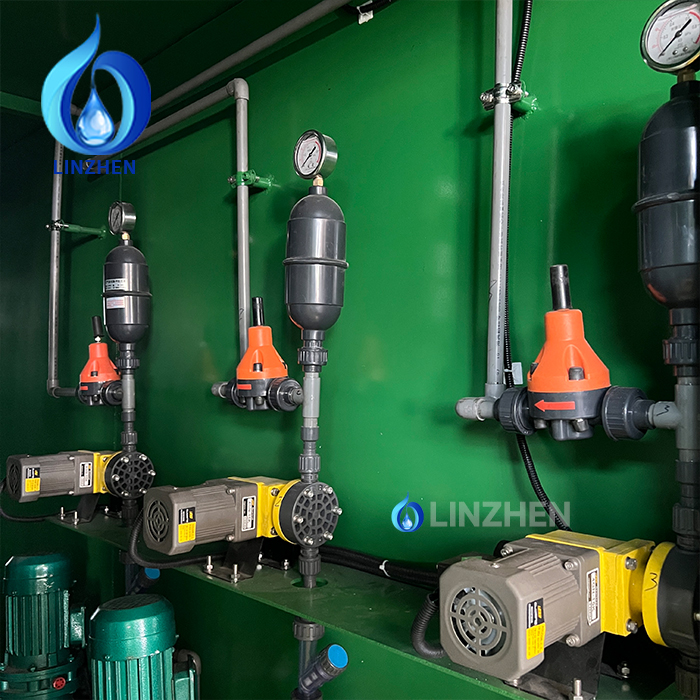
The inclined plate settler principle underlying modern lamella clarifier systems dramatically accelerates particle settling through a high-density sludge layer, enabling treatment of extremely turbid wash waters from stone cutting operations. Unlike conventional basins that rely on gravity alone, the inclined plate settler configuration reduces the distance particles must travel, allowing heavier grit to be captured efficiently within minutes rather than hours. This dramatic improvement in throughput and clarity makes the lamella clarifier an economical and practical choice for high-volume quarry and stone cutting facilities.
How Lamella Clarifiers Handle Heavy Grit Separation
Inclined Plate Technology for Rapid Settling
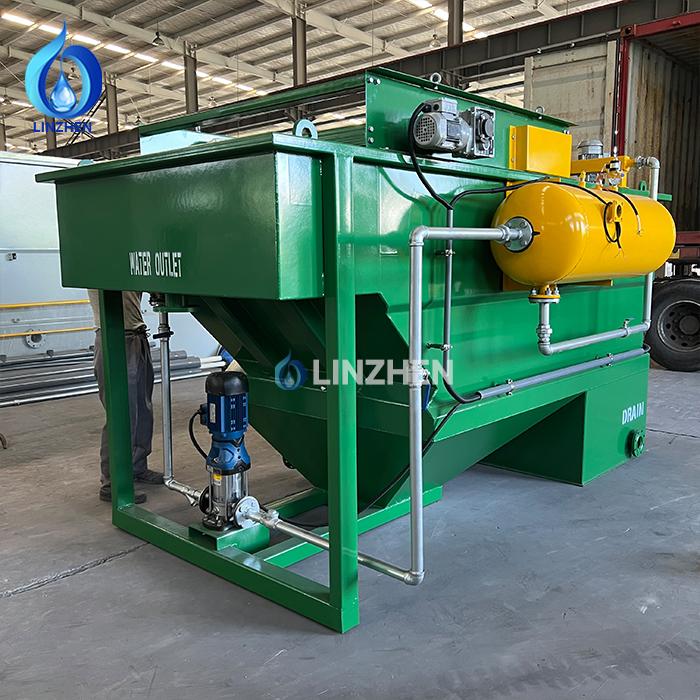
The core strength of an inclined plate settler lies in its ability to concentrate settling surface area within a minimal vertical height. Lamella clarifier units deploy dozens or hundreds of thin, steeply angled plates that create multiple narrow settling chambers. As wash water enters, suspended particles and grit migrate toward these plates, where they quickly combine into larger aggregates that slide down the incline under gravity. This mechanism ensures that even very fine particles associated with stone cutting operations are captured before they can escape in the overflow stream.
Particle Size and Density Considerations
Stone cutting and quarry wash water contains grit across a wide particle size distribution, ranging from coarse sand to clay-sized particles. A lamella clarifier's sedimentation efficiency is particularly valuable because it accommodates this diversity through controlled residence time and plate spacing. Heavier particles settle fastest, while finer suspended solids are retained by the sludge layer accumulating on plate surfaces. The inclined geometry creates shear conditions that prevent particle escape, making the system effective even when feed turbidity spikes unpredictably.
Compact Footprint Design and Space Efficiency
Reducing Installation Footprint at Quarry Sites
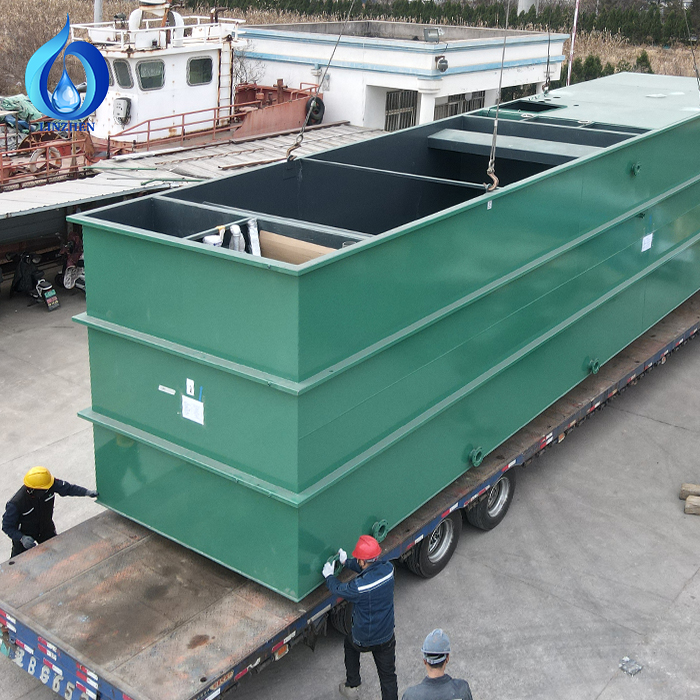
Quarry and stone cutting operations often operate within tight spatial constraints, where land is expensive and layout is determined by extraction logistics. The compact footprint design of lamella clarifier systems delivers equivalent or superior clarification capacity in roughly one-fifth the floor area required by conventional rectangular settling tanks. This space efficiency is achieved through vertical stacking of inclined plates, which concentrate the clarification function into a smaller horizontal boundary. Facilities can integrate the lamella clarifier into existing wash water circuits without major site reconfiguration or additional land acquisition.
Modular Sizing and Scalability
Lamella clarifier units are manufactured in modular sizes that scale from small pilot applications to multi-stage industrial installations handling thousands of gallons per minute. This flexibility means operators can match clarifier capacity precisely to their daily wash water volume, avoiding both undersizing that compromises sedimentation efficiency and oversizing that wastes capital investment. Whether a site processes 50 tons or 500 tons of stone daily, a properly specified lamella clarifier delivers predictable performance while maintaining the compact footprint advantage that attracts quarry managers.
Operational Performance and Maintenance Advantages
Handling Fluctuating Solids Loads
Stone cutting and quarry operations rarely produce uniform wash water quality throughout a shift. Morning equipment startup, peak production periods, and end-of-day washdowns all generate variable grit concentrations. The lamella clarifier's sedimentation efficiency remains stable across these fluctuations because the high-density sludge layer and inclined plate geometry naturally accommodate surge conditions. When solids loading increases suddenly, the sludge layer thickens proportionally, adjusting residence time without losing clarification performance. This adaptive behavior reduces operator intervention and maintains treated water quality even during unpredictable operational changes.
Sludge Management and Dewatering Integration
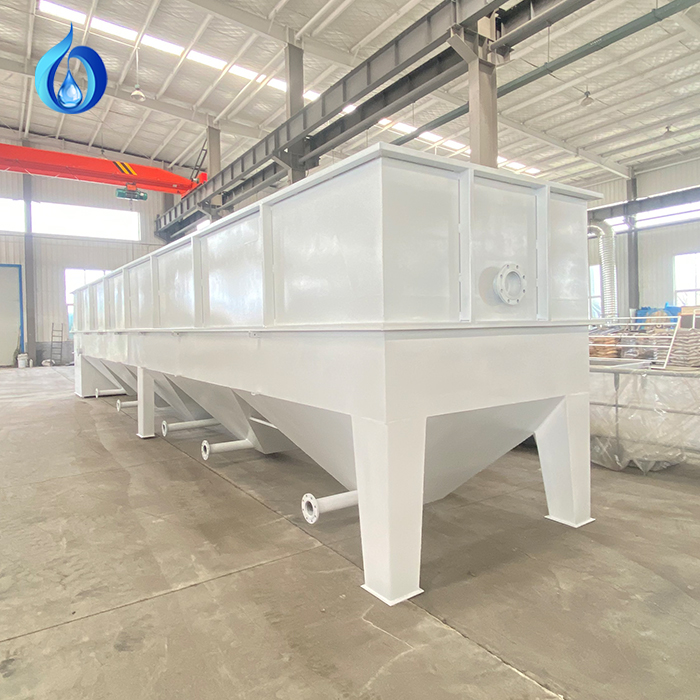
Concentrated sludge accumulating in the hopper beneath a lamella clarifier can be efficiently transferred to dewatering equipment such as belt presses, centrifuges, or drying beds. The compact footprint design of the clarifier unit itself leaves room for integrated sludge handling systems within the same treatment area. Heavy grit settles quickly in the hopper, creating a mechanically stable sludge that dewater predictably and produces a dry cake suitable for disposal or recycling. Operators appreciate this closed-loop design because it simplifies layout planning and reduces operational complexity compared to systems requiring separate sludge consolidation stages.
FAQ
Can a lamella clarifier achieve acceptable water clarity from stone cutting wash water on the first pass?
Yes, a properly sized lamella clarifier typically achieves turbidity reduction from 500–5000 NTU (very turbid wash water) down to 50–200 NTU in a single pass. The inclined plate settler principle delivers high sedimentation efficiency, removing the vast majority of grit and suspended solids in minutes. For applications requiring even lower turbidity, two-stage treatment or polishing with media filtration can be added downstream, but the lamella clarifier handles the primary separation load very effectively.
What maintenance does a lamella clarifier require when treating high-grit quarry wash water?
Regular sludge removal from the clarifier hopper is the primary maintenance task, typically performed daily or every few shifts depending on solids loading. The internal plates rarely require cleaning because the high-density sludge environment and incline angle prevent particle buildup. Operators should inspect weir overflows and inlet distribution for any blockages, and verify that sludge withdrawal valves open freely. Most lamella clarifier installations require minimal chemical treatment because the settling process itself removes grit mechanically without relying on coagulation.
How does the compact footprint design of a lamella clarifier compare to traditional settling basins?
A lamella clarifier occupies approximately 20–25% of the floor space required by a conventional settling tank treating the same water flow. For a 100 GPM wash water stream, a traditional basin might occupy 300–500 square feet, while a lamella clarifier requires only 60–100 square feet. This dramatic space savings is especially valuable at quarry sites where expansion is limited or land costs are high. The vertical design also simplifies installation in containerized or skid-mounted configurations suitable for remote stone cutting operations.
 EN
EN