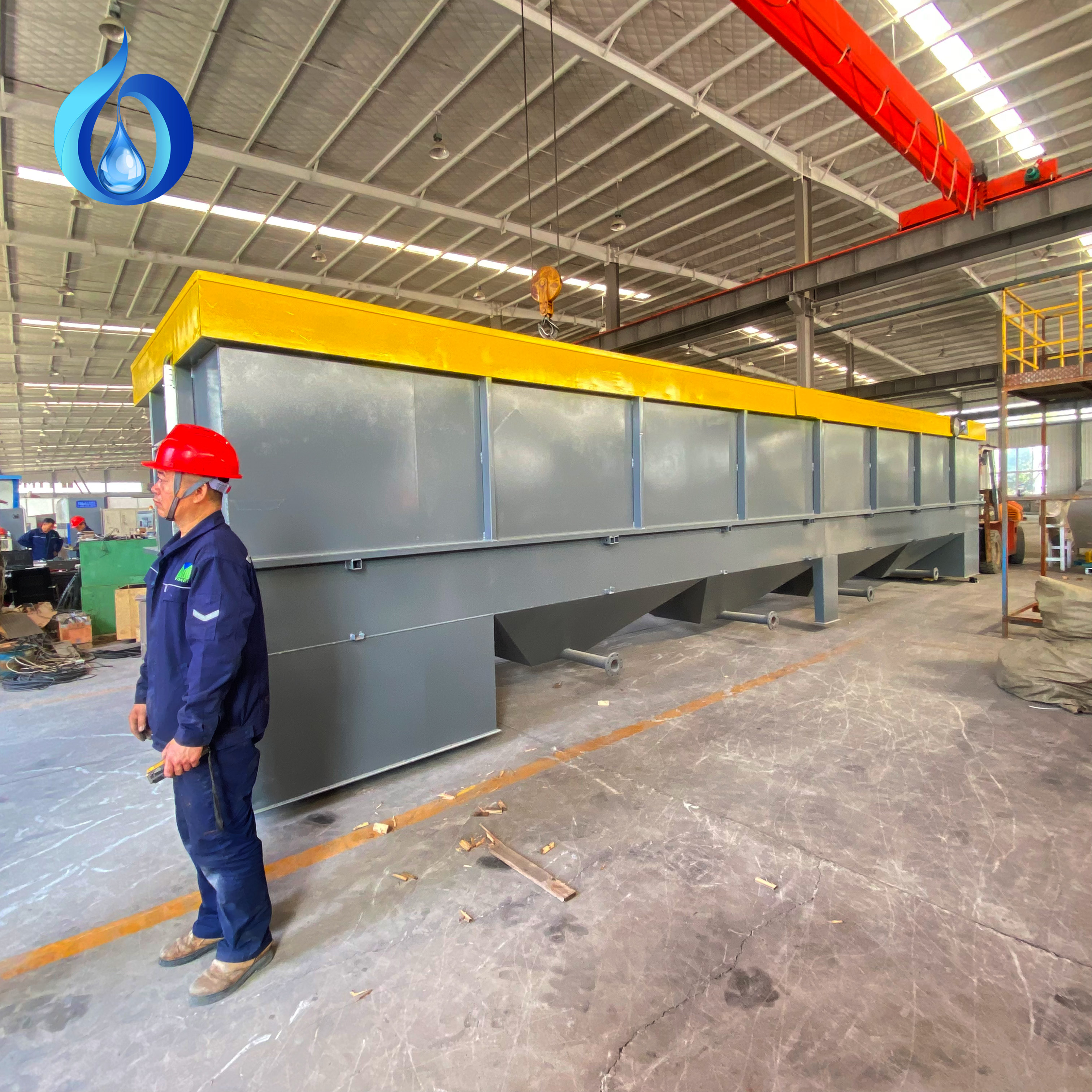
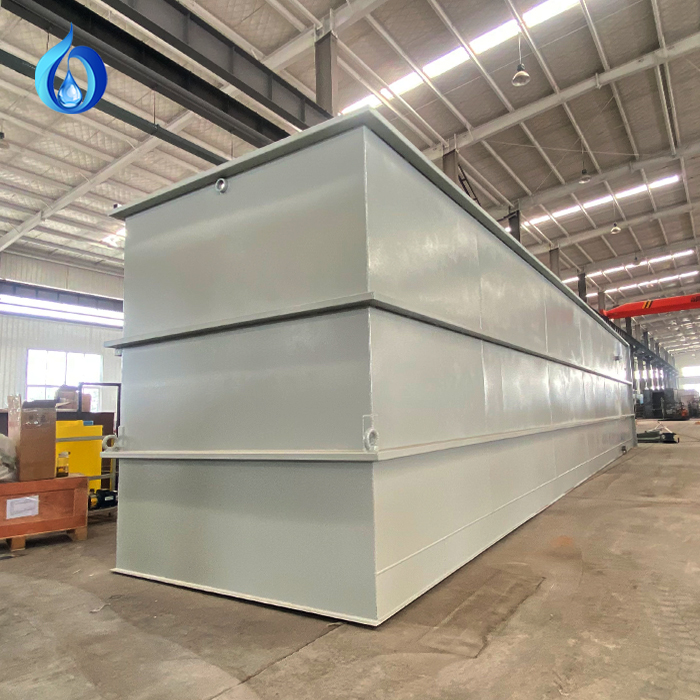
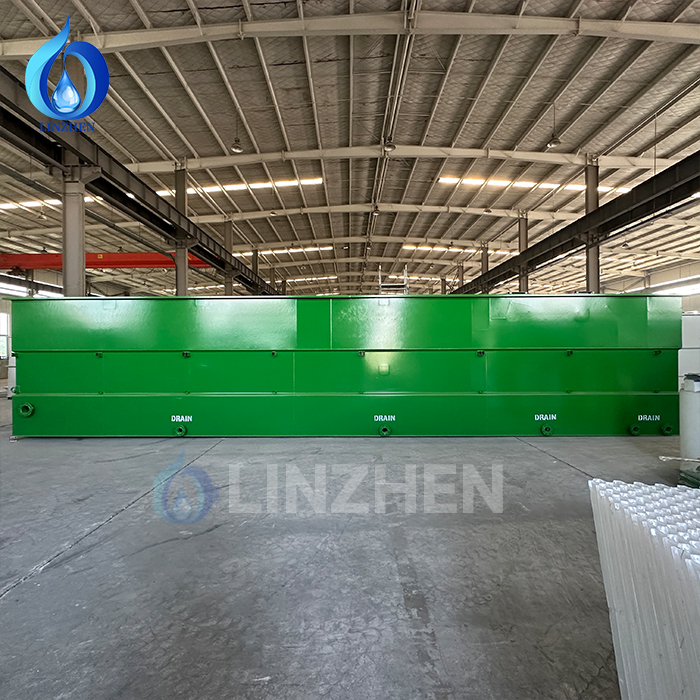
As manufacturing operations expand, the demand for reliable environmental compliance becomes increasingly critical. An industrial wastewater treatment system must grow proportionally with production output to maintain regulatory adherence and operational efficiency. The question of scalability is not merely technical—it directly impacts capital investment, facility footprint, and long-term sustainability of manufacturing enterprises facing rapid growth.
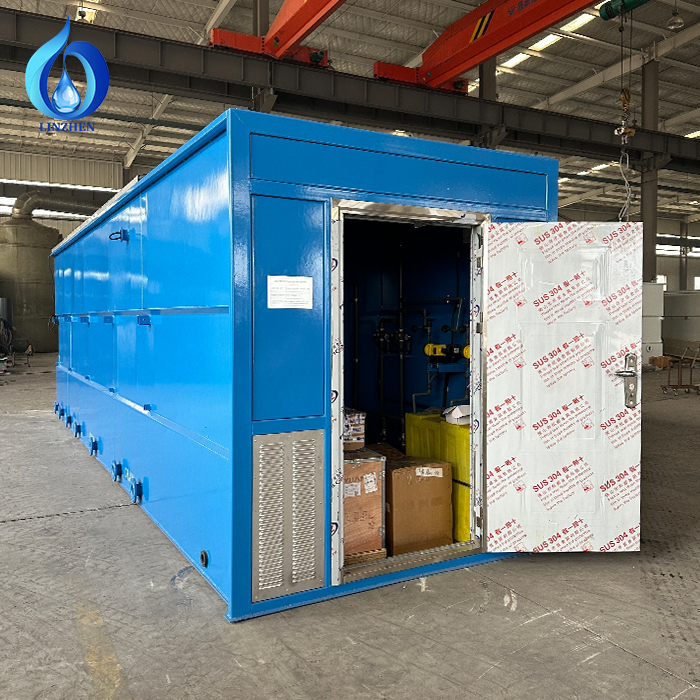
The scalability of wastewater treatment infrastructure depends on multiple engineering factors working in concert. System capacity sizing, hydraulic flow balancing, and organic load calculation form the foundation of effective treatment design. Understanding how these elements interact allows facility managers to plan expansions strategically, avoiding bottlenecks that compromise effluent quality or create compliance violations when production capacity increases.
System Capacity Sizing and Modular Design
Designing for Current and Future Demand
Effective system capacity sizing begins with accurate load projections extending three to five years beyond the current operational phase. An industrial wastewater treatment system must accommodate not only existing discharge volumes but also anticipated growth scenarios. Engineers calculate treatment requirements by analyzing peak hourly flow rates, average daily volumes, and seasonal fluctuations specific to the manufacturing process. This foresight prevents costly retrofitting or undersized equipment that fails during production surges.
Modular treatment architectures offer strategic flexibility for growth-focused manufacturers. Rather than installing a single massive treatment train, distributed modules allow incremental capacity expansion aligned with actual production increases. Each module operates independently yet integrates seamlessly with existing infrastructure, enabling factories to add treatment capability without complete system replacement. This approach reduces upfront capital expenditure while preserving system efficiency across varying operational scales.
Pathways for Upgrading Treatment Capacity
When factory output grows, operators face several upgrade pathways depending on the industrial wastewater treatment system design. Parallel reactor configurations allow new treatment stages to operate alongside existing ones, distributing total load across expanded equipment. Tank retention time—a critical performance metric—remains consistent even as total volume increases, preventing degraded treatment quality. Some systems employ sequential expansion where new modules handle incremental flow while core treatment remains unchanged, simplifying operational transition and minimizing production downtime during modifications.
Hydraulic Flow Balancing Under Variable Load
Managing Fluctuating Inflow During Growth
Hydraulic flow balancing becomes increasingly complex as factory output grows because production schedules often shift unexpectedly. An industrial wastewater treatment system must maintain consistent flow distribution through treatment stages regardless of inlet volume changes. Flow equalization basins buffer sudden surges, allowing downstream treatment processes to receive steady-state input conditions. This buffering prevents shock loading that damages biological treatment media or overwhelms clarification stages, ensuring treatment efficiency persists even when daily production varies by 30 to 50 percent.
Automated flow control systems using level sensors and variable-speed pumps enable real-time response to demand fluctuations. As manufacturing scales up, these intelligent controls distribute incoming wastewater across multiple treatment lines proportionally, preventing any single stage from becoming hydraulically overloaded. Proper sizing of collection headers, distribution manifolds, and return pipework ensures flow velocity remains within design parameters—too slow causes solids settling in pipes, too fast creates turbulence and short-circuiting through treatment vessels.
Preventing Treatment Bypass and Overflow Scenarios
When system capacity sizing proves inadequate during growth phases, hydraulic flow balancing systems may activate bypass modes, allowing partially treated wastewater to discharge directly. This emergency response protects downstream receiving waters from catastrophic contamination but creates compliance exposure. Facilities must size primary equalization basins generously during initial design, accounting for 1.5 to 2 times average daily flow to handle peak periods safely. If factory expansion pushes flows beyond this capacity, the system requires tank augmentation or additional treatment lines before compliance margins erode completely.
Organic Load Calculation and Treatment Performance
Characterizing Waste Strength During Production Increases
Organic load calculation requires understanding both volume and concentration of contaminants in manufacturing wastewater. As factory output grows, total organic load—measured in biochemical oxygen demand, chemical oxygen demand, or suspended solids—increases proportionally unless source reduction occurs simultaneously. An industrial wastewater treatment system must be sized for both flow and load; exceeding either parameter degrades treatment outcomes. For example, a factory doubling production volume but maintaining constant waste concentration must double its biological treatment capacity to maintain removal efficiency and effluent standards compliance.
Different manufacturing processes generate organic loads with distinct characteristics. Food processing facilities produce readily biodegradable loads requiring shorter retention times, while pharmaceutical manufacturing generates recalcitrant organics demanding extended aeration or advanced oxidation. System capacity sizing must account for this load character—not just mass balance. Scaling up requires ensuring that hydraulic residence time, sludge retention time, and aeration intensity all remain adequate for the specific waste chemistry, preventing situations where doubled flow creates halved treatment performance because biological or chemical kinetics cannot keep pace.
Adaptive Operational Strategies for Scaling
As an industrial wastewater treatment system approaches capacity limits during factory growth, operational adjustments maintain compliance before physical expansion occurs. Increased aerator runtime, higher chemical dosing rates, or more frequent sludge wasting extend the effective capacity envelope. However, these interventions raise operating costs and energy consumption, creating economic pressure to install additional treatment capability. Strategic organic load calculation during design phases allows operators to model these scenarios, predicting at what production volumes permanent capacity additions become economically justified versus incremental operational intensification.
FAQ
Can an industrial wastewater treatment system handle a 50% production increase without modification?
Most systems can absorb moderate increases through operational optimization, but 50% growth typically exceeds hydraulic and organic load capacity unless the original design included substantial safety margins. System capacity sizing should anticipate growth, but realistic planning assumes 3 to 5 year expansion horizons. Exceeding design parameters consistently causes effluent quality degradation, increasing compliance risk. Facilities should evaluate actual performance against design standards when production reaches 80% of system capacity to determine whether physical upgrades are needed.
How does system capacity sizing prevent treatment failure during factory expansion?
Proper system capacity sizing incorporates load forecasting, safety factors, and modular architecture principles that preserve treatment efficiency margins. Engineers calculate peak hydraulic flow rates and organic loads with historical data and production projections, then add 20 to 30% safety margin above predicted maximum loads. Modular designs allow incremental expansion before any single treatment stage becomes overwhelmed. When these principles are followed, system capacity remains adequate through planned growth phases, preventing sudden treatment failures or compliance violations during production transitions.
What happens if hydraulic flow balancing fails during rapid factory growth?
Failed flow balancing causes uneven distribution across treatment stages, overloading some processes while underutilizing others. Solids may accumulate in oversized sections while inadequate residence time in other areas prevents complete treatment. This creates effluent quality degradation, effluent standard exceedances, and potential regulatory violations. Automated flow control systems with redundant level sensors and alarms detect these conditions early, triggering operator intervention. Facilities should verify that hydraulic infrastructure—headers, pumps, and distribution manifolds—can physically handle anticipated maximum flows before capacity constraints force operational restrictions on factory production.
 EN
EN