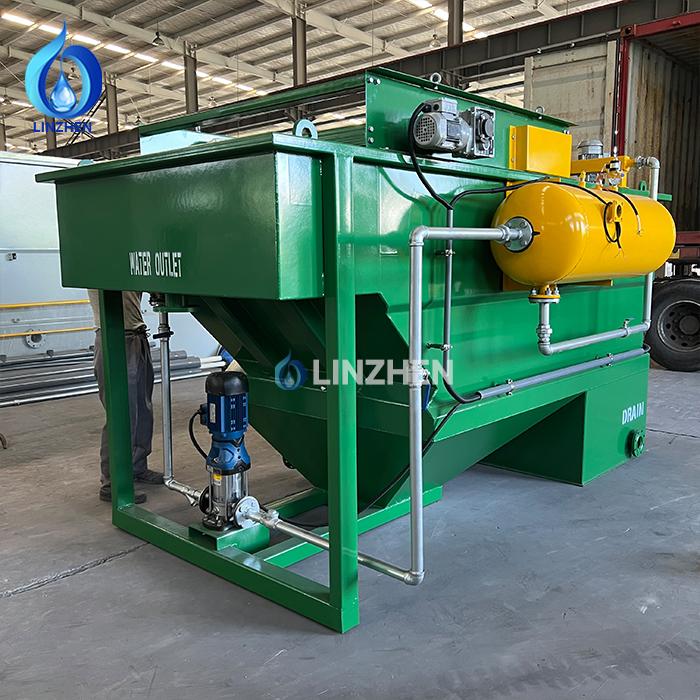
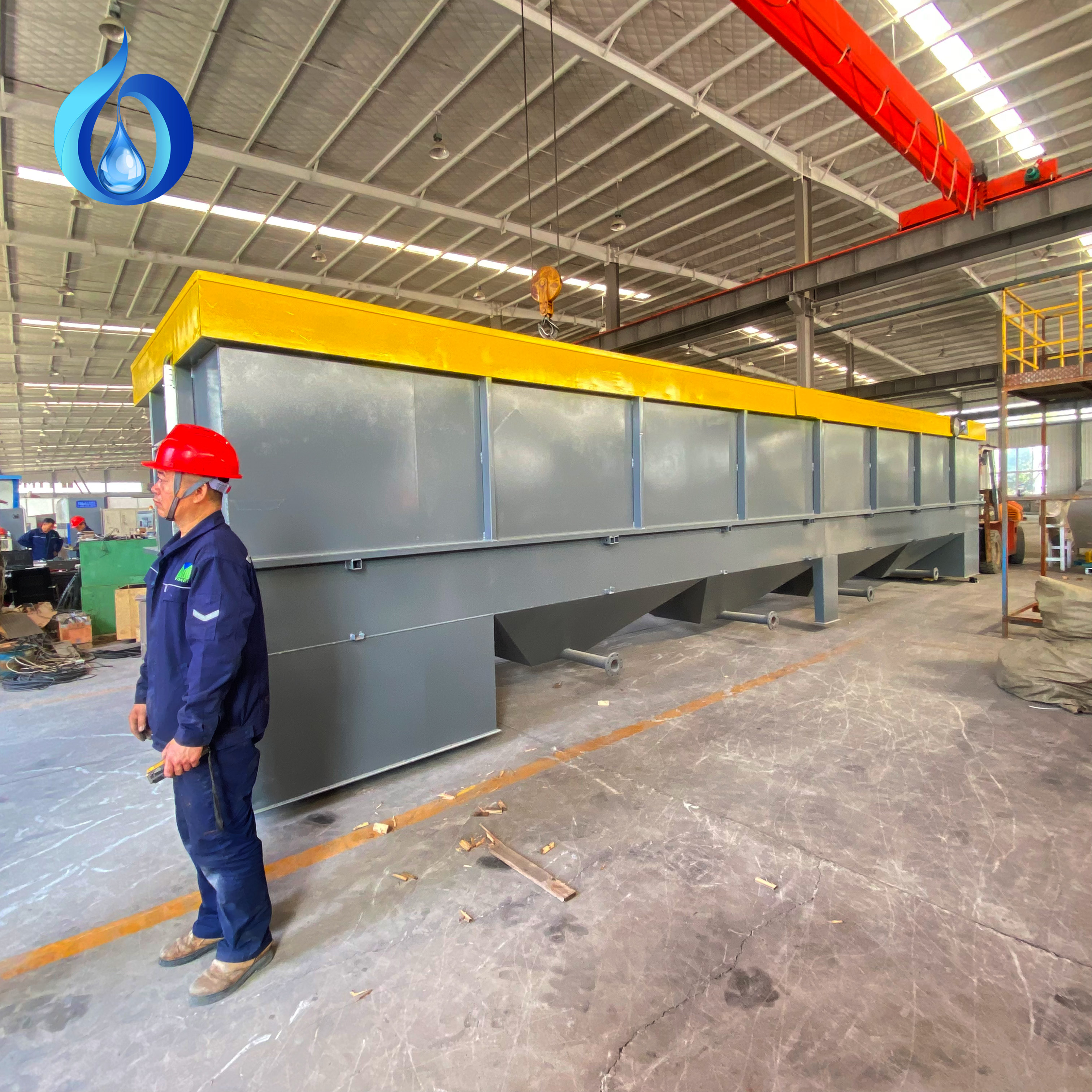
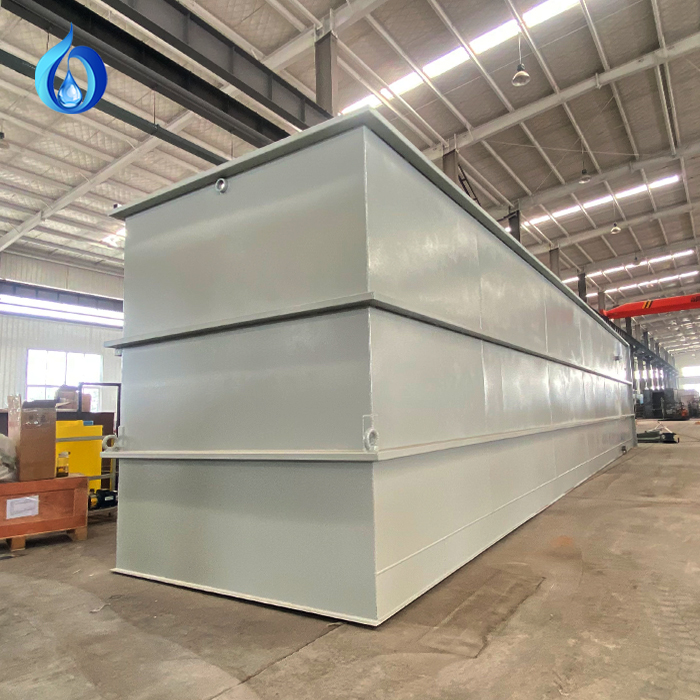
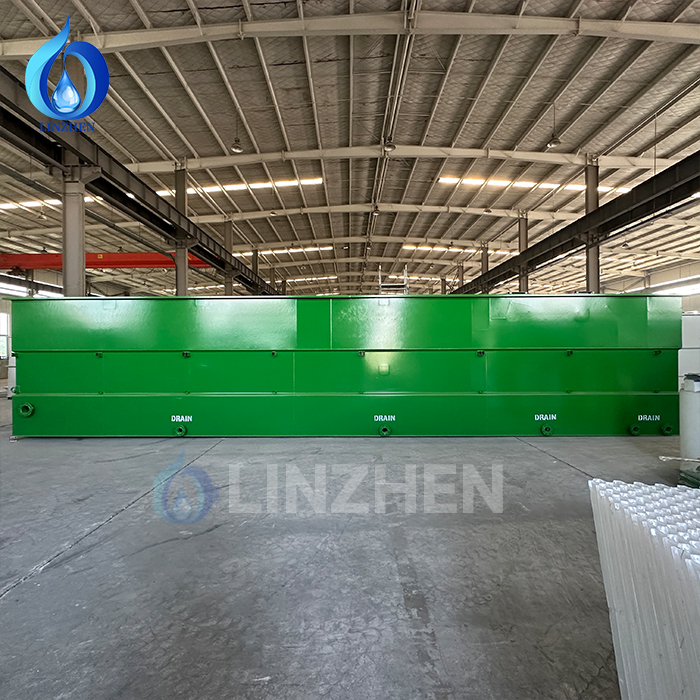
Modern manufacturing standards demand an operational shift toward sustainable resource utilization, positioning industrial wastewater treatment as a primary driver for industrial efficiency. Rather than treating process discharge as a pure financial liability, forward-thinking enterprises deploy industrial wastewater treatment systems designed to capture valuable byproducts. Advanced recovery technologies allow plants to collect clean process water, high-purity minerals, and usable thermal energy from raw liquid waste. Converting waste streams into usable commodities through industrial wastewater treatment minimizes ecological impact while improving overall plant profitability.
Can processing facilities truly achieve a positive financial return from their effluent assets? The answer lies in well-engineered industrial wastewater treatment workflows. Tailored physical, chemical, and biological recovery processes isolate dissolved constituents with high commercial value. Depending on raw effluent composition, scale of operations, and regional market prices, integrating recovery modules into an industrial wastewater treatment infrastructure significantly reduces raw material purchases and municipal disposal fees, transforming environmental compliance into a strategic business advantage.
Key Commodities Extracted via Industrial Wastewater Treatment
Process Water Purification and Closed-Loop Recycling
Clean water remains the most substantial commodity extracted during industrial wastewater treatment. Utilizing reverse osmosis, nanofiltration, and thermal evaporation, high-efficiency industrial wastewater treatment facilities purify heavy effluent to meet strict process standards. Food and beverage processors routinely use modern industrial wastewater treatment to reclaim wash water and cooling supply, slashing raw freshwater purchases by 30 to 60 percent. Implementing closed-loop industrial wastewater treatment mitigates operational risks associated with local drought conditions and rising utility fees.
Precious and Heavy Metal Extraction
Electroplating, semiconductor manufacturing, and chemical processing generate discharge streams loaded with copper, nickel, zinc, and precious metals. Installing targeted industrial wastewater treatment solutions—such as ion exchange columns or electrowinning cells—recovers heavy metals at concentrations suitable for direct reuse or third-party refining. A dedicated industrial wastewater treatment process at a mid-scale metal finishing plant can harvest dozens of kilograms of valuable material each month, offsetting upfront equipment costs. Reports show that systematic metal extraction via industrial wastewater treatment can fund 40 to 50 percent of total yearly plant utility budgets.
Financial Impact and Regulatory Advantages of Industrial Wastewater Treatment
Direct Financial Returns and Reduced Disposal Overhead
Deploying industrial wastewater treatment engineered for byproduct extraction delivers immediate cost reductions across multiple operational departments. Reusing treated water decreases utility bills, while recovered metals provide a secondary revenue stream or reduce raw material purchasing. Most capital investments in multi-stage industrial wastewater treatment achieve full financial payback within three to five years. Throughout the 10 to 15-year lifecycle of the equipment, continuous resource capture under an optimized industrial wastewater treatment strategy produces consistent financial yield for the operating firm.
Regulatory Protection and Sustainability Credentials
Unprocessed manufacturing discharge exposes industrial plants to harsh legal penalties and potential site closure. Operating a fully compliant industrial wastewater treatment plant prevents regulatory infractions and ensures consistent adherence to local environmental permits. Furthermore, deploying advanced industrial wastewater treatment demonstrates corporate responsibility, helping companies satisfy environmental criteria. Enterprises utilizing sustainable industrial wastewater treatment systems often gain access to green financing options, tax exemptions, and streamlined industrial permitting.
Engineering and Implementing Industrial Wastewater Treatment Systems
Effluent Analysis and Technology Selection
Designing an effective industrial wastewater treatment setup requires rigorous analytical testing of raw discharge parameters, hourly flow variations, and pollutant loads. Different manufacturing sectors require unique industrial wastewater treatment configurations; a pharmaceutical facility demands a vastly different separation strategy than a textile mill. Comprehensive fluid testing identifies exact chemical constituents, enabling engineers to design industrial wastewater treatment systems that focus strictly on high-value target compounds, avoiding unnecessary capital expenses.
Equipment Integration and System Automation
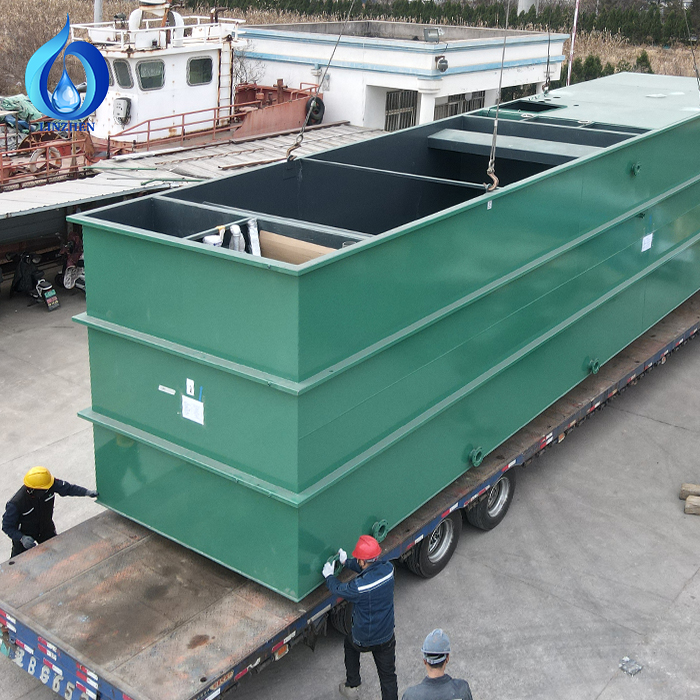
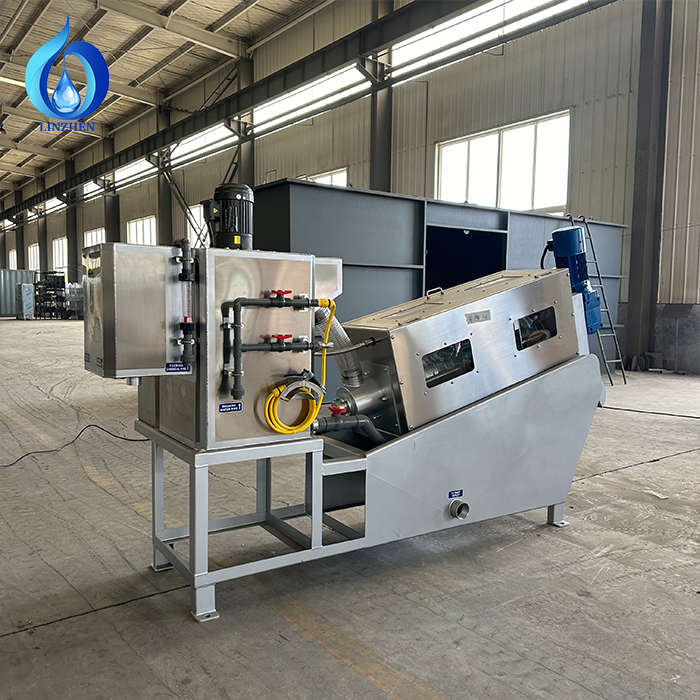
A comprehensive industrial wastewater treatment line combines clarifiers, biological reactors, fine filtration, and specialized recovery units. Industrial wastewater treatment machinery, including automated multi-disk screw presses, dewaters concentrated sludge efficiently, isolating valuable solid byproducts. Modern automation within an industrial wastewater treatment plant lowers labor requirements while maintaining optimal separation rates under varying influent conditions. Establishing routine maintenance schedules ensures that the complete industrial wastewater treatment architecture delivers dependable continuous service.
FAQ
Which industrial sectors benefit most from industrial wastewater treatment resource recovery?
Sectors with high chemical or organic concentrations gain the highest financial return from industrial wastewater treatment. Electroplating, chemical manufacturing, food processing, mining, and pharmaceuticals frequently install specialized industrial wastewater treatment systems to capture valuable minerals, water, and organic solids, achieving ROI within three to five years.
What is the typical investment needed for resource-recovering industrial wastewater treatment?
Capital investment for an industrial wastewater treatment plant ranges from $50,000 for compact units to several million dollars for full-scale municipal or enterprise facilities. While recovery-focused industrial wastewater treatment requires higher initial capital, the resulting utility savings and recovered material sales justify the expenditure.
Can water reclaimed from industrial wastewater treatment be reused indefinitely?
Yes, water reclaimed through advanced industrial wastewater treatment can be recycled indefinitely provided it undergoes continuous monitoring and appropriate filtration. Well-maintained industrial wastewater treatment systems consistently deliver high-quality water for cooling towers, boiler feed, and equipment washdown.
 EN
EN