Industrial facilities processing oils, food waste, chemicals, and suspended solids face mounting pressure to treat wastewater streams efficiently. When evaluating options, managers often ask if dissolved air flotation can handle the high volume and complexity of their discharge. The answer is yes, when the dissolved air flotation system is properly sized and operated. Dissolved air flotation has proven its capability across refineries and food processing plants, removing up to 95 percent of suspended solids and oils in a single pass.
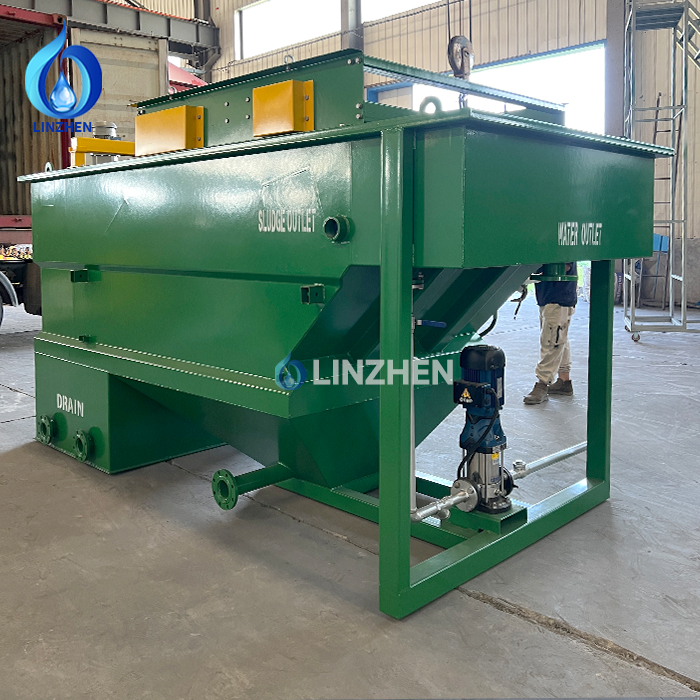
Understanding how dissolved air flotation scales with industrial demand requires examining its core mechanism, capacity limits, and real-world performance under heavy loads. This article explores whether dissolved air flotation truly handles industrial wastewater streams, the factors determining success, and the strategies maximizing treatment reliability when processing large volumes daily through a dissolved air flotation unit.
How Dissolved Air Flotation Handles Industrial Streams
Core Technology and Flotation Capacity
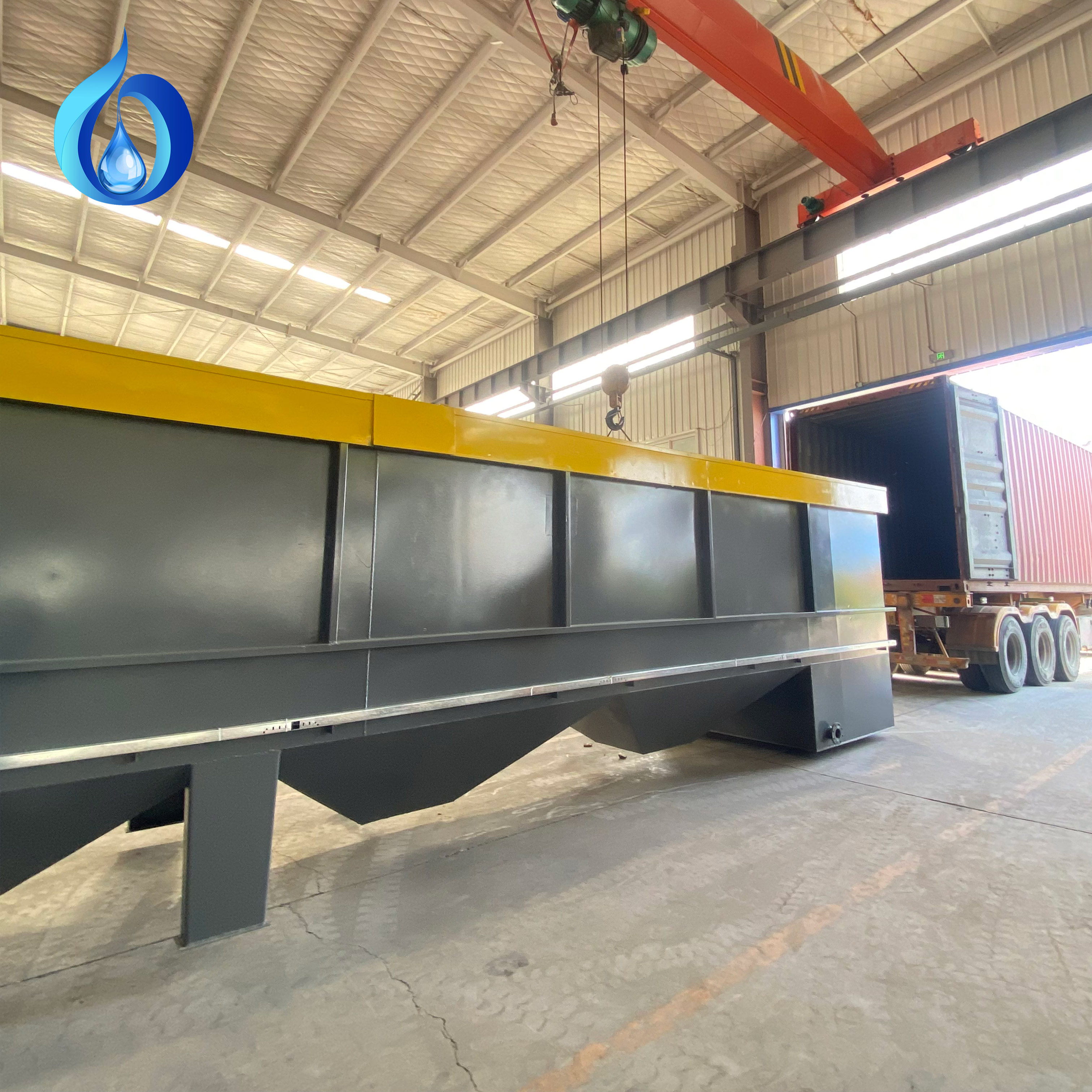
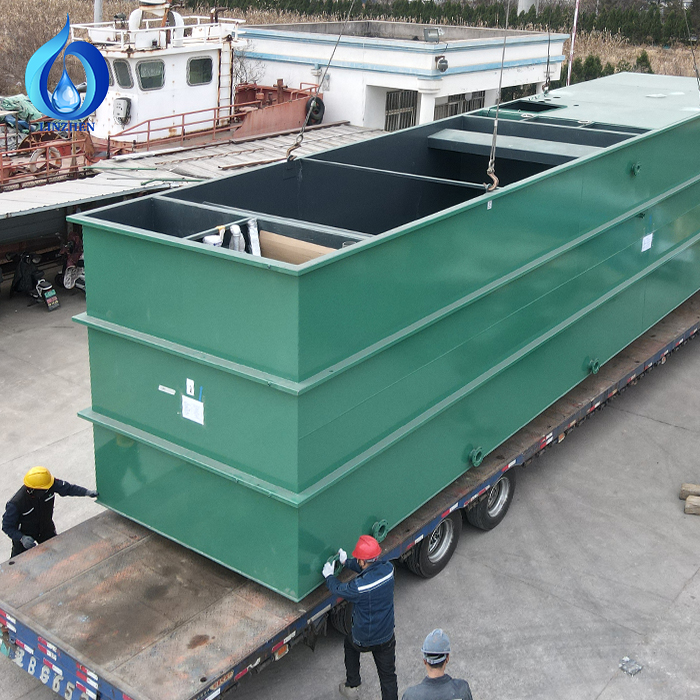
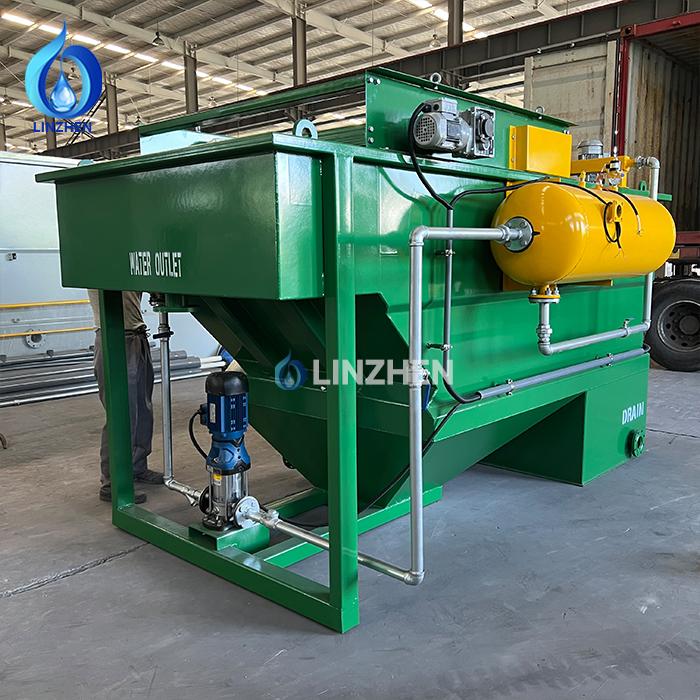
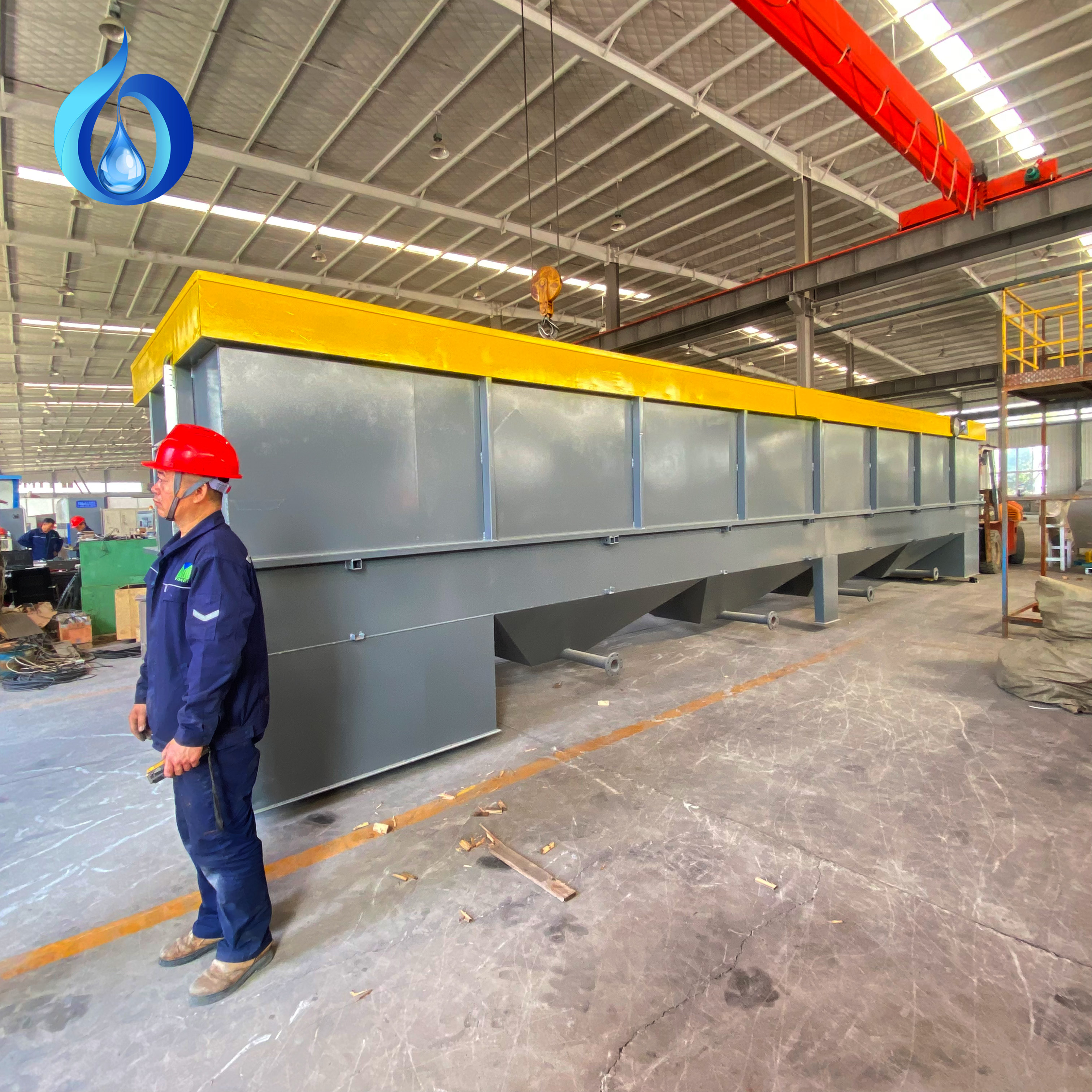
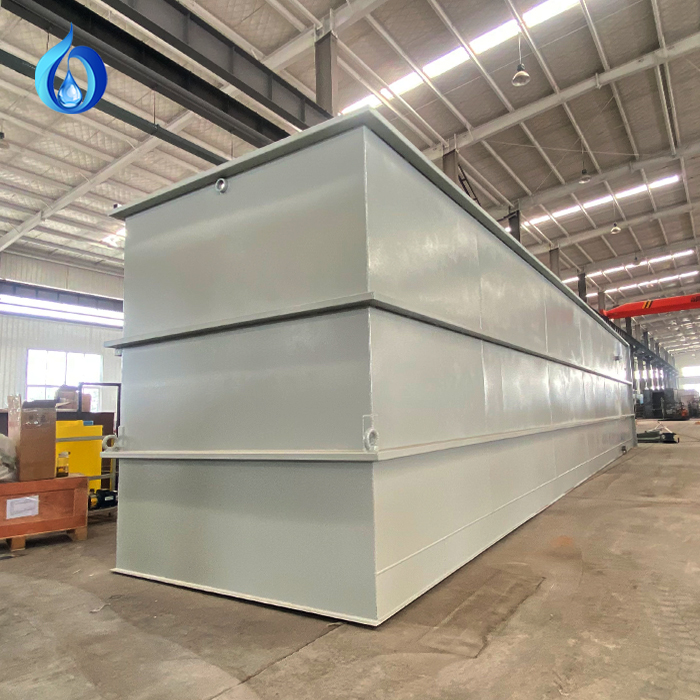
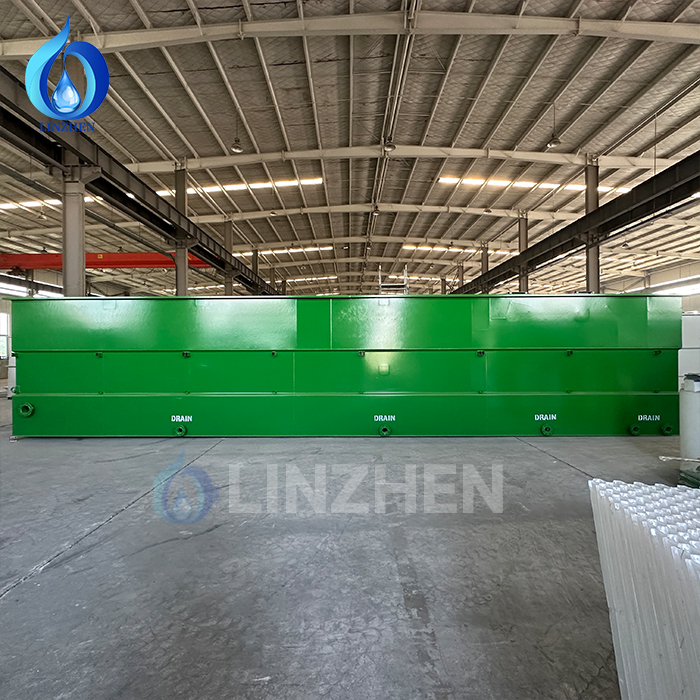
A dissolved air flotation system operates by injecting pressurized air into water, creating thousands of microscopic bubbles. These bubbles attach to suspended solids and oils, causing them to float to the surface where a mechanical skimmer removes them as sludge. The dissolved air flotation process is scalable because increasing system size directly increases tank volume and air injection capacity. Larger dissolved air flotation units can process 20 to 500 gallons per minute. High-load wastewater containing 5,000 to 10,000 mg/L of suspended solids can be treated successfully by engineered dissolved air flotation equipment.
Load Distribution and Retention Time
The key to handling industrial wastewater with dissolved air flotation lies in surface loading rate and retention time. Surface loading rate measures how much wastewater flows through per square foot of tank surface per hour. A dissolved air flotation system treating industrial wastewater needs sufficient retention time, usually 15 to 25 minutes, to allow adequate bubble contact and solid separation. When facilities under-size their dissolved air flotation equipment, the system becomes hydraulically overloaded. Conversely, properly sized dissolved air flotation units maintain controlled residence time, ensuring that dissolved air flotation bubbles attach to contaminants effectively.
Handling Different Contaminant Types in Wastewater
Oil and Grease Separation
Refineries and food processing operations generate wastewater heavy with emulsified and free oils as part of industrial wastewater treatment requirements. A dissolved air flotation unit excels at removing these oils because microscopic air bubbles attach to hydrophobic droplets. Industrial dissolved air flotation systems treating petroleum refinery wastewater routinely remove 90 to 95 percent of oil and grease. The dissolved air flotation process works particularly well when oil droplets are pre-treated with chemical coagulants, allowing dissolved air flotation to capture larger globules.
Suspended Solids and Particulate Matter
Manufacturing waste streams produce wastewater laden with suspended solids ranging from 3,000 to 15,000 mg/L. A dissolved air flotation system handles these high concentrations by using dissolved air flotation mechanisms optimized for particulate separation. The addition of coagulants to dissolved air flotation systems creates microfloc structures that bind to air bubbles readily. Many industrial dissolved air flotation installations include preliminary dissolved air flotation mixing chambers where chemical doses are introduced before entry into the main dissolved air flotation tank.
Multi-Contaminant Streams
Complex industrial wastewater containing simultaneous mixtures of oils and suspended solids presents unique challenges within industrial wastewater treatment frameworks. A dissolved air flotation plant addresses multi-contaminant wastewater through integrated chemical treatment and flotation sequencing. Dissolved air flotation systems handling pharmaceutical or chemical plant effluents employ two-stage approaches where initial coagulation combines with dissolved air flotation bubble injection to float oils and solids simultaneously.
Operational Factors Determining Success with Wastewater
System Sizing and Overflow Rates
Sizing dissolved air flotation equipment for industrial wastewater requires calculating accurate overflow rates based on daily volume and contaminant concentrations. Undersized dissolved air flotation tanks result in hydraulic overload and reduced efficiency. Engineers designing a dissolved air flotation system for industrial applications target specific overflow rates to balance throughput with separation reliability. Proper dissolved air flotation sizing ensures that wastewater receives adequate tank volume to maintain performance.
Air Injection Rate and Pressure Control
The amount of dissolved air introduced during dissolved air flotation operation directly impacts bubble density and removal performance. A typical dissolved air flotation system operates pressurized air injection at 60 to 100 psi. Wastewater streams with elevated concentrations require specific dissolved air flotation air-to-solids ratios for reliable flotation. Operators managing dissolved air flotation units must continuously monitor air pressure and bubble production rates to prevent sludge carryover.
Chemical Pretreatment Integration
A dissolved air flotation system's performance on wastewater improves dramatically when chemical coagulation precedes flotation. Coagulants such as aluminum sulfate or ferric chloride destabilize colloidal particles, allowing dissolved air flotation to achieve higher removal rates. Facilities operating dissolved air flotation equipment often employ pH adjustment and coagulation before dissolved air flotation entry. A dissolved air flotation facility treating inconsistent wastewater benefits from automated dissolved air flotation chemical dosing systems.
Real-World Performance and Limitations
Achieving Regulatory Compliance
Industrial facilities discharging high-load wastewater streams must comply with environmental regulations governing oil and suspended solids. A dissolved air flotation system consistently achieves effluent quality suitable for secondary treatment when properly operated. Studies documenting dissolved air flotation performance show removal rates of 85 to 95 percent for suspended solids and oils. A dissolved air flotation setup treating wastewater produces effluent meeting EPA guidelines when combined with downstream polishing.
Sludge Production and Handling
Industrial wastewater treatment generates concentrated sludge that must be dewatered. A dissolved air flotation machine handling heavy industrial wastewater produces flotation sludge with 3 to 8 percent solids concentration. Industrial dissolved air flotation installations typically include dissolved air flotation sludge collection systems with scrappers to remove froth from the tank surface. The dissolved air flotation process concentrates waste into a small sludge volume, making dissolved air flotation efficiency relevant to operating expenses.
FAQ
What wastewater flow rates can dissolved air flotation systems handle?
A dissolved air flotation unit is available in sizes ranging from 5 gallons per minute for small facilities to 500+ gallons per minute for large refineries. The specific capacity of any dissolved air flotation system depends on tank dimensions and air injection capacity. Dissolved air flotation machinery treating industrial wastewater is custom-engineered based on facility flow requirements.
How does dissolved air flotation compare to other wastewater treatment methods?
A dissolved air flotation plant offers advantages over conventional settling because it does not rely on gravity settling velocity and handles oils better than standard clarifiers. Dissolved air flotation typically requires smaller physical footprints than conventional settling tanks. For most heavy industrial wastewater applications, dissolved air flotation serves as the primary industrial wastewater treatment stage.
What maintenance does dissolved air flotation require when treating wastewater?
A dissolved air flotation system handling industrial wastewater requires regular dissolved air flotation sludge removal, air compressor maintenance, and chemical checks. Dissolved air flotation operators must inspect tank walls and froth skimmers weekly to ensure efficient operation. Proper dissolved air flotation maintenance prevents costly downtime and ensures consistent industrial wastewater treatment.
 EN
EN