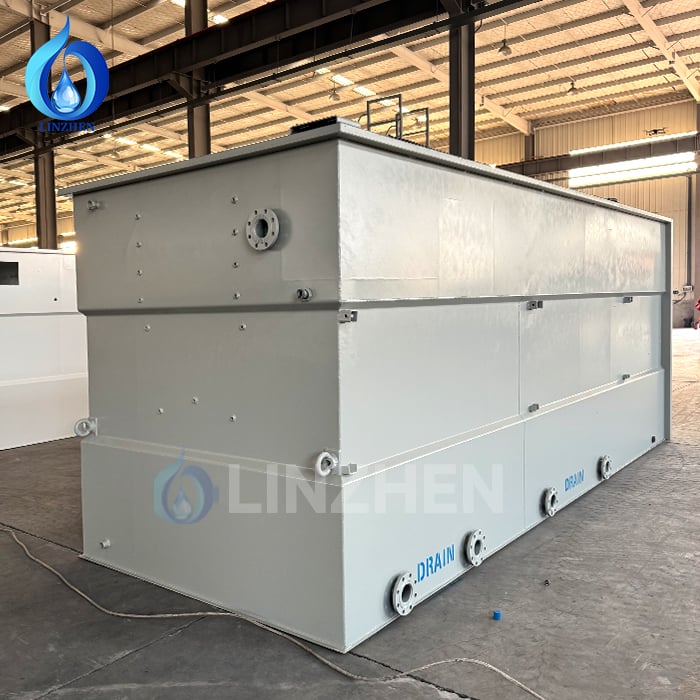
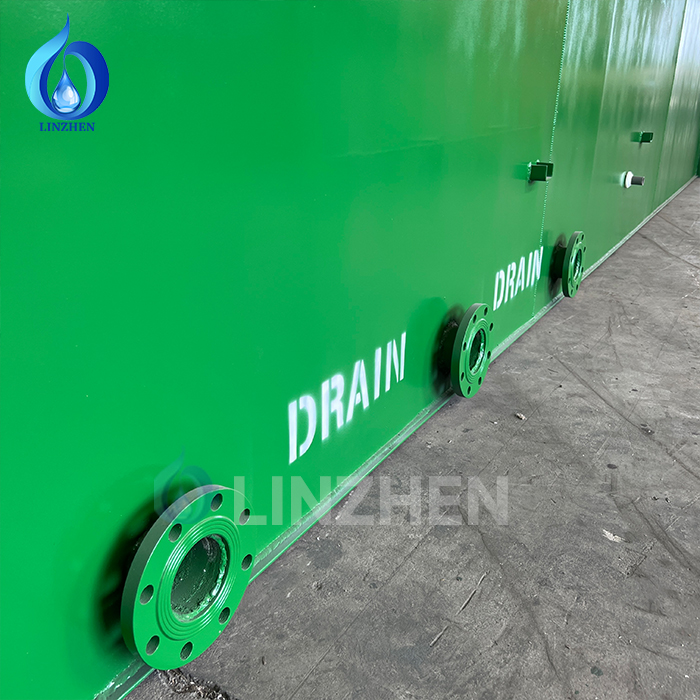
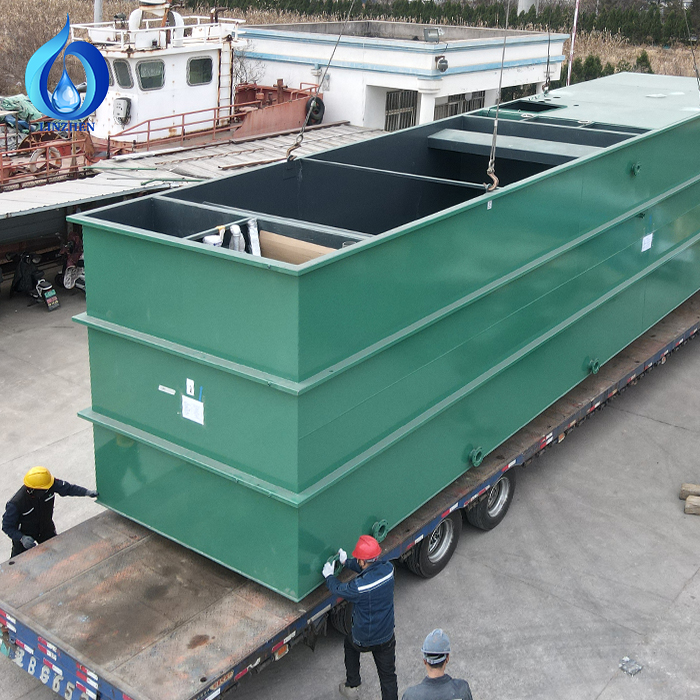
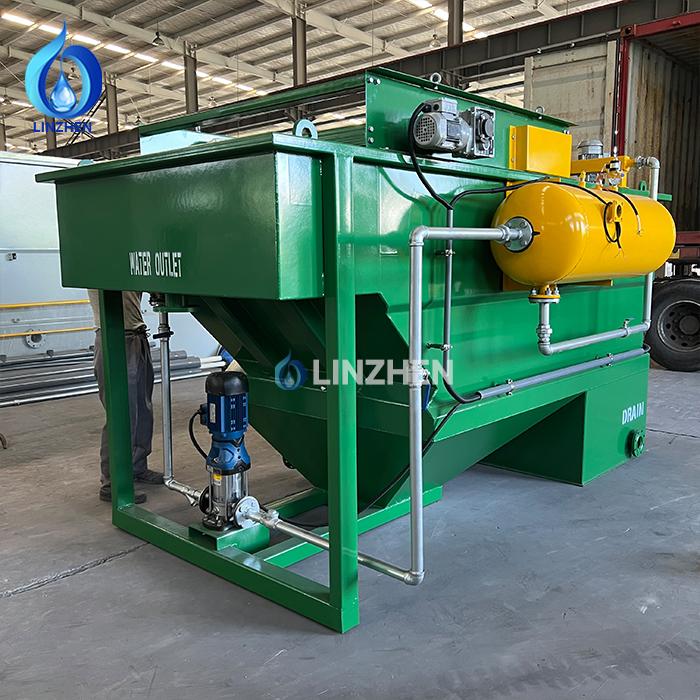
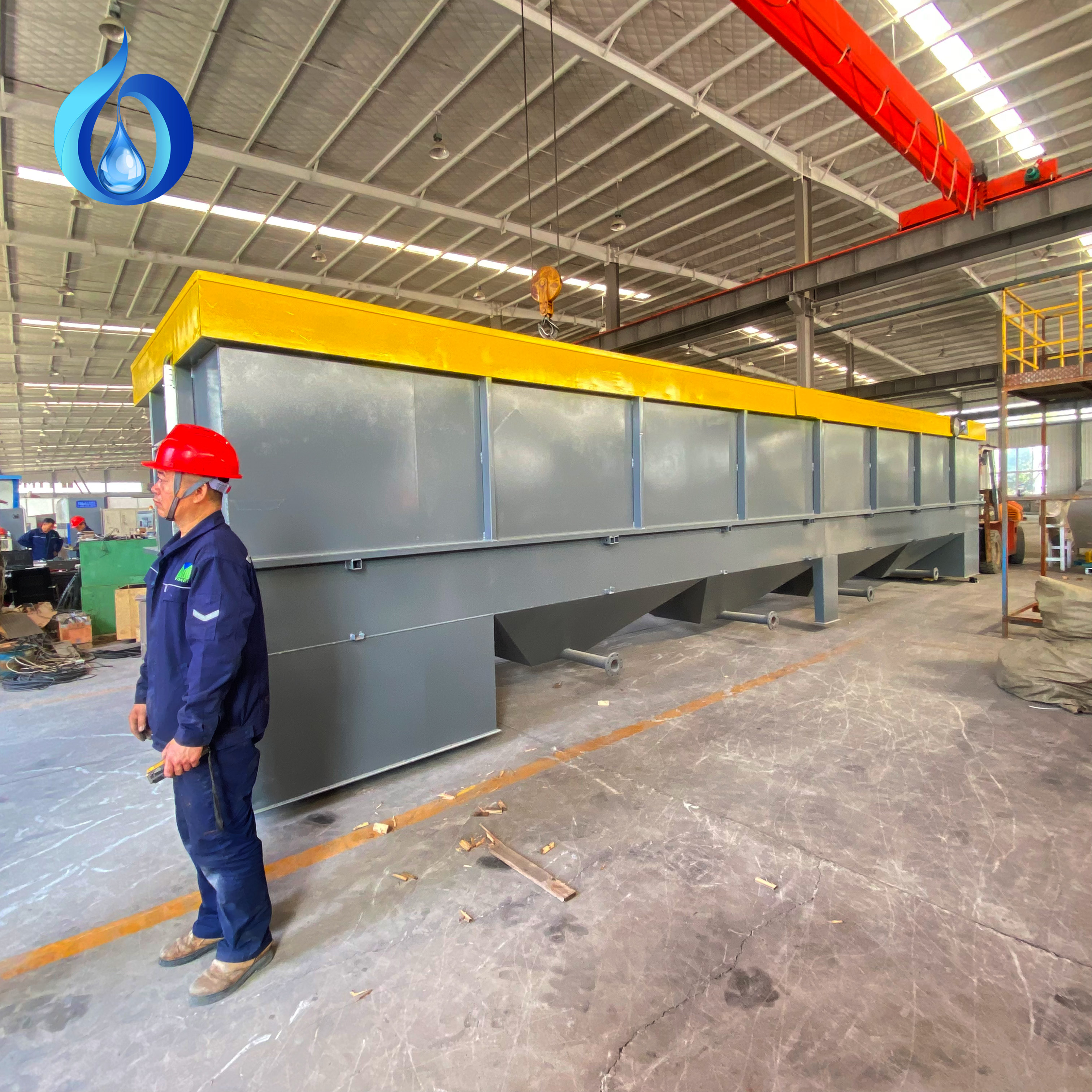
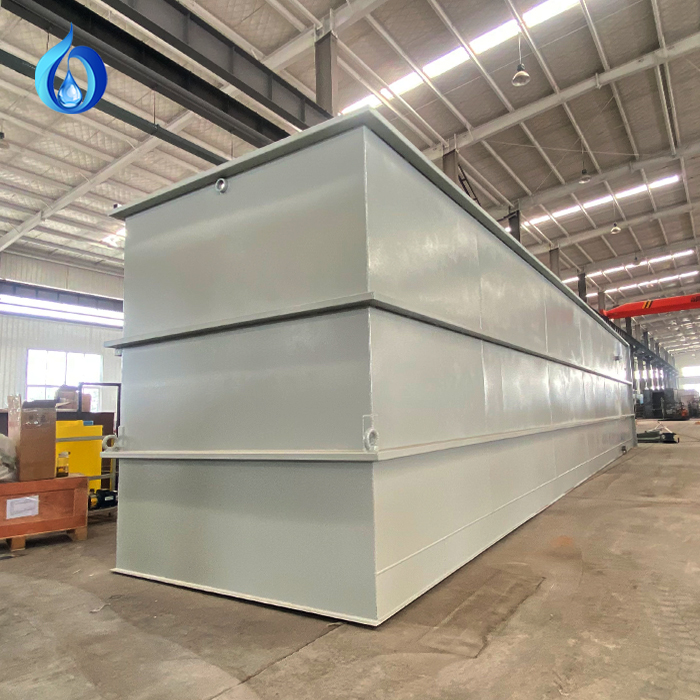
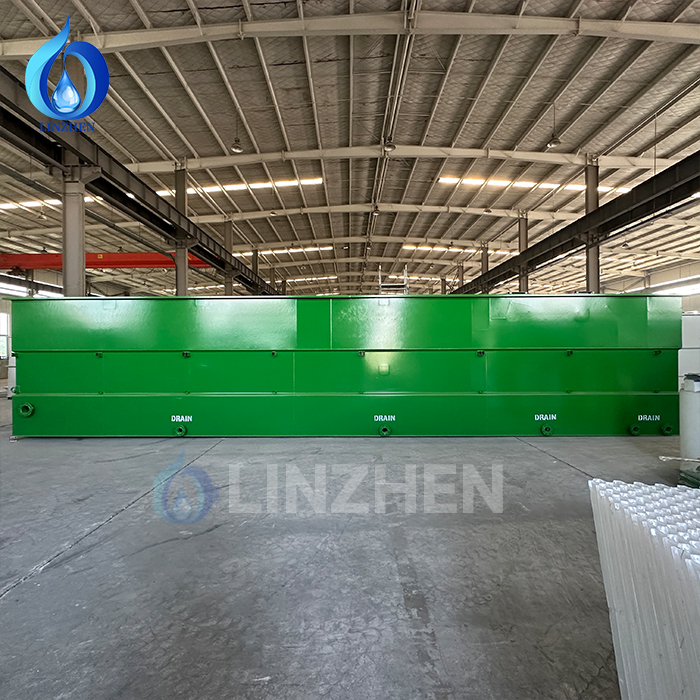
Remote industrial sites present unique operational challenges, and one of the most critical is managing sewage treatment effectively. When facilities operate far from municipal infrastructure or centralized treatment plants, traditional sewage treatment approaches become impractical, costly, and logistically complex. Decentralized sewage treatment offers a viable alternative that brings wastewater management directly to the source, allowing remote industrial operations to maintain compliance, protect environmental integrity, and sustain operational continuity without relying on distant centralized systems.
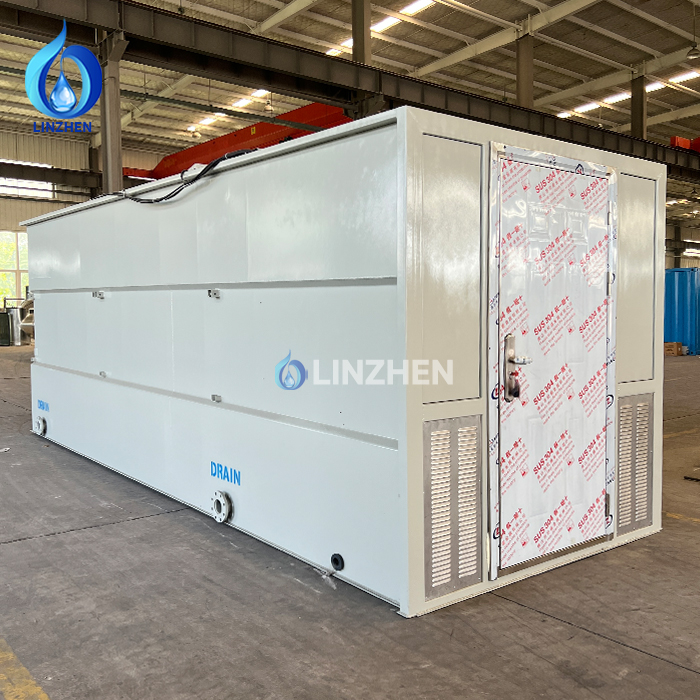
The question of whether decentralized sewage treatment can effectively serve remote industrial environments has a straightforward answer: yes, it can work exceptionally well when properly designed and maintained. Decentralized sewage treatment systems treat wastewater on-site or within close proximity to generation points, eliminating the need for extensive pipeline infrastructure that characterizes centralized networks. This approach has become increasingly popular in industries ranging from mining and oil and gas production to manufacturing facilities located in rural or geographically isolated areas.
Understanding Decentralized Sewage Treatment for Remote Applications
Core Principles of Decentralized Sewage Treatment
Decentralized sewage treatment operates on a fundamentally different philosophy than centralized systems. Rather than collecting all wastewater and transporting it to a single treatment facility, decentralized sewage treatment manages wastewater closer to where it originates. This approach reduces transportation requirements, minimizes infrastructure strain, and provides operational flexibility particularly valuable for remote industrial sites. The sewage treatment process in decentralized systems typically involves biological treatment stages, settling mechanisms, and advanced filtration technologies adapted to local conditions and discharge requirements.
Why Remote Industrial Sites Benefit from Decentralized Approaches
Remote industrial operations face substantial obstacles when considering traditional centralized sewage treatment infrastructure. Distance from municipal facilities creates financial burdens, regulatory complications, and operational dependencies that can disrupt production schedules. Decentralized sewage treatment eliminates these barriers by enabling each site to manage its wastewater independently. The independence provided by decentralized sewage treatment systems means remote facilities control their compliance timelines, treatment protocols, and environmental discharge standards without waiting for distant municipal approvals or capacity limitations.
Technical Implementation and Operational Viability
Design Considerations for Remote Industrial Sewage Treatment
Successful decentralized sewage treatment at remote industrial sites requires careful engineering aligned with specific site conditions. System designers must account for wastewater volume and composition unique to industrial operations, available space constraints, local environmental regulations, and access for equipment and maintenance personnel. Modern decentralized sewage treatment technologies include sequencing batch reactors, membrane bioreactors, constructed wetlands, and aerobic treatment systems. Each technology offers distinct advantages depending on industrial sector, climate conditions, treatment standards required, and capital investment capacity. The choice of sewage treatment technology directly influences operational costs, maintenance complexity, treatment efficiency, and long-term reliability.
Maintenance and Operational Excellence in Remote Settings
Decentralized sewage treatment systems require consistent maintenance to deliver reliable performance over extended operational periods. Remote industrial sites must establish robust maintenance protocols, train local personnel, and secure access to replacement components and technical expertise. Unlike centralized sewage treatment facilities where skilled operators and extensive technical resources remain readily available, remote facilities often face geographic isolation that complicates emergency repairs and specialized interventions. However, modern decentralized sewage treatment systems increasingly incorporate automation and remote monitoring capabilities that alert operators to potential issues before they escalate into serious problems. Predictive maintenance and digital monitoring transform sewage treatment management in remote locations from a labor-intensive challenge into a manageable operational component.
Environmental and Economic Advantages of Decentralized Sewage Treatment
Environmental Protection and Compliance Benefits
Decentralized sewage treatment delivers substantial environmental advantages by treating wastewater locally according to site-specific environmental requirements. Rather than concentrating all sewage treatment processes at distant facilities and potentially exceeding receiving water capacity, decentralized sewage treatment distributes treatment responsibility across multiple treatment points. This distributed approach reduces overall environmental stress on any single water body or ecosystem. Remote industrial sites operating properly designed decentralized sewage treatment systems achieve compliance with local discharge permits, environmental regulations, and stakeholder expectations. The sewage treatment technologies employed can incorporate advanced features like nutrient removal, pathogen elimination, and pollutant degradation tailored to regional environmental standards and receiving water limitations.
Economic Efficiency and Financial Sustainability
While capital investment in decentralized sewage treatment infrastructure requires substantial upfront financial commitment, the long-term economic case often favors on-site treatment over extended connections to centralized systems. Remote industrial facilities utilizing sewage treatment systems avoid expensive pipeline construction across difficult terrain, eliminate distance-based transportation costs, and reduce dependency on municipal utility rate increases. Decentralized sewage treatment systems generate operational savings through reduced energy consumption compared to systems requiring extensive wastewater pumping over long distances. Many remote operations find that investment in decentralized sewage treatment solutions achieves financial break-even within five to seven years when considering avoided infrastructure costs and reduced operating expenses. Furthermore, decentralized sewage treatment often qualifies for environmental grants, tax incentives, and government programs supporting sustainable industrial practices.
Challenges, Limitations, and Realistic Implementation Context
Technical and Operational Obstacles
Despite substantial advantages, decentralized sewage treatment implementation at remote industrial sites faces genuine practical challenges. Technical expertise availability becomes limited in geographically isolated locations, potentially complicating system optimization and troubleshooting. Decentralized sewage treatment systems require regular monitoring, chemical additions, equipment replacement, and occasional repairs that demand specialized knowledge and material access. Harsh environmental conditions at some remote sites, including extreme temperatures, high-altitude locations, or corrosive atmospheres, may demand enhanced system designs that increase complexity and costs. Additionally, decentralized sewage treatment performance depends heavily on proper operator training and consistent adherence to maintenance schedules. Underinvestment in training or deferred maintenance can rapidly degrade treatment efficiency and trigger regulatory violations.
Site-Specific Factors Affecting Feasibility
Not every remote industrial location represents an equally suitable candidate for decentralized sewage treatment solutions. Sites with extremely high wastewater volumes may find decentralized sewage treatment less economical than centralized approaches serving multiple facilities. Locations with severe space constraints may struggle to accommodate necessary sewage treatment infrastructure components. Some remote regions face regulatory barriers or environmental conditions that restrict specific sewage treatment technologies. Cold climates can challenge biological sewage treatment processes if systems lack adequate thermal management. Sites with highly variable or unpredictable wastewater composition may require more sophisticated sewage treatment technologies with higher operational demands. Understanding these limitations ensures realistic assessment of whether decentralized sewage treatment genuinely suits specific remote industrial applications.
FAQ
What makes decentralized sewage treatment preferable to centralized systems for remote industrial sites?
Decentralized sewage treatment eliminates the need for expensive long-distance pipeline infrastructure, reduces transportation and pumping costs, provides operational independence from municipal systems, and enables treatment protocols tailored to site-specific industrial wastewater characteristics. Remote facilities gain control over compliance timelines and environmental discharge standards without geographic constraints that centralized sewage treatment imposes. The economic advantages typically materialize within five to seven years when avoiding extensive infrastructure construction costs.
How do remote industrial sites maintain decentralized sewage treatment systems effectively?
Successful maintenance of decentralized sewage treatment systems requires comprehensive operator training, established maintenance schedules, access to replacement components, and utilization of modern remote monitoring technologies. Remote facilities should implement predictive maintenance protocols, document all system performance data, maintain spare parts inventory for critical components, and establish relationships with external technical experts for specialized support. Digital monitoring platforms increasingly enable real-time oversight and automated alerts that help remote operators identify issues before they compromise sewage treatment performance.
What are the primary cost factors in implementing decentralized sewage treatment for remote locations?
Initial capital costs for decentralized sewage treatment equipment, installation, and site preparation represent the largest expense component, though this typically remains lower than pipeline infrastructure for distant centralized systems. Ongoing operational costs include electrical energy for aeration or pumping, chemical additions for biological treatment optimization, routine maintenance labor, and periodic equipment replacement. Remote locations often face higher costs for specialized components, technical expertise, and equipment delivery. However, these costs must be evaluated against avoided expenses for centralized sewage treatment connections, distance-based transportation costs, and municipal utility rate structures that often increase significantly over time.
 EN
EN