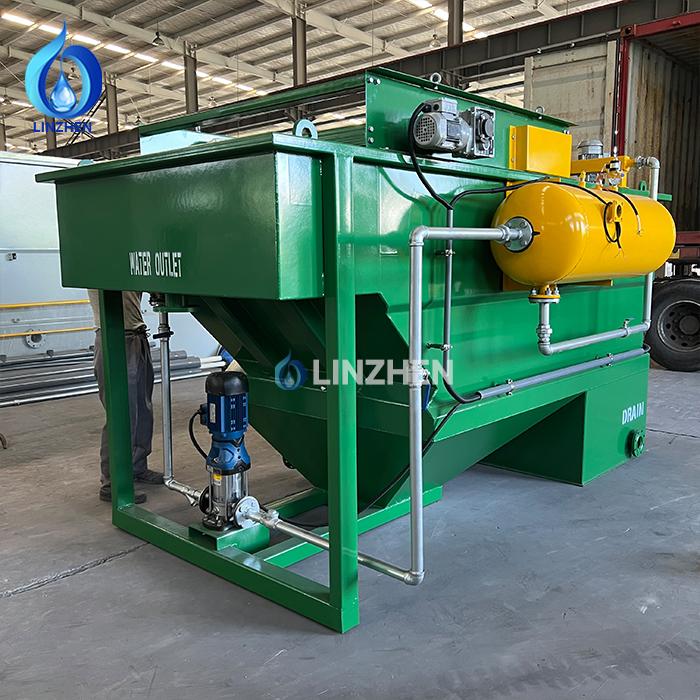
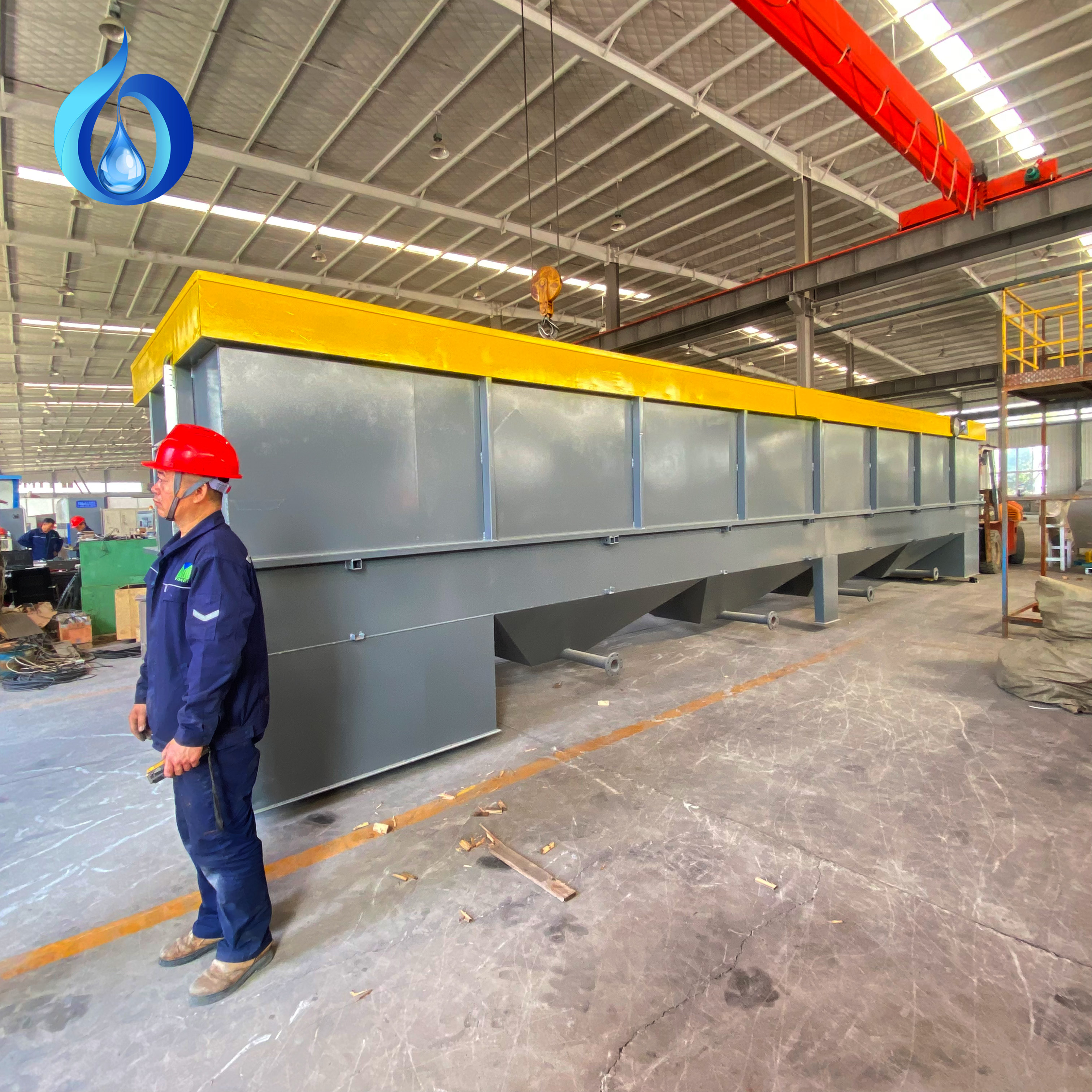
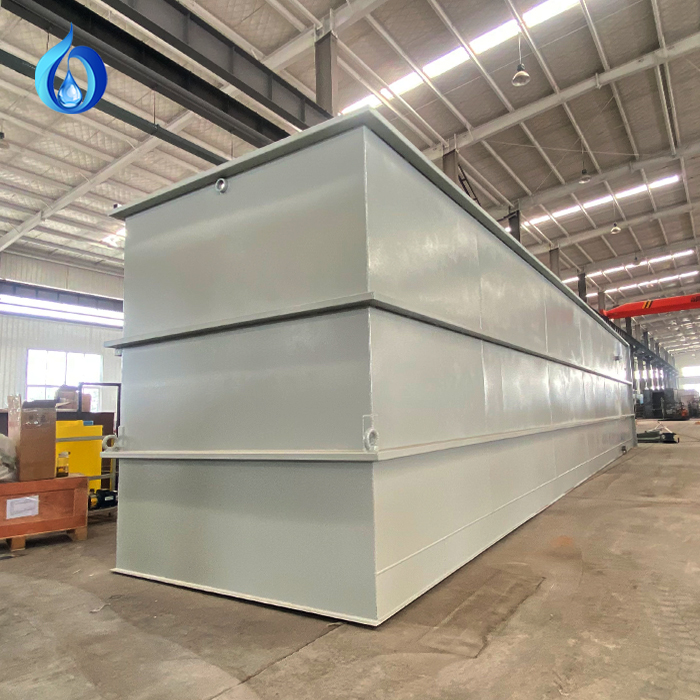
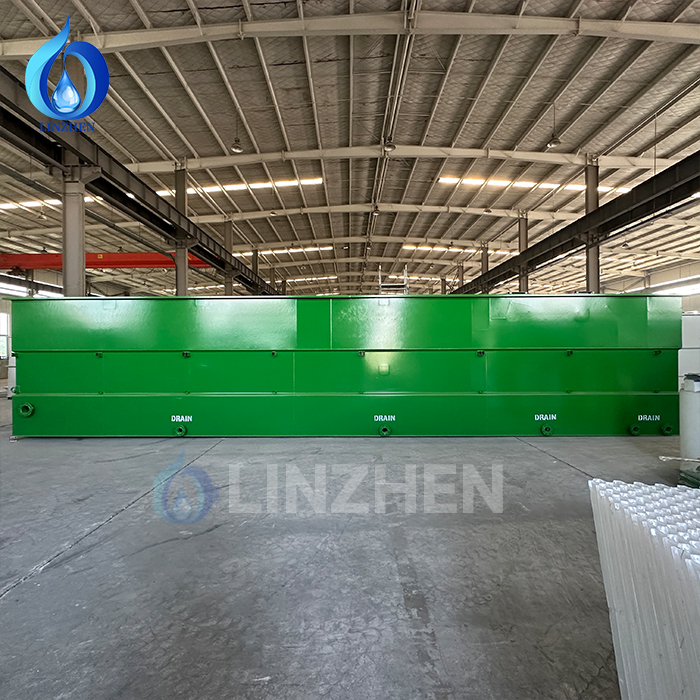
Upgrading industrial facilities with advanced environmental equipment creates technical challenges, leading engineering teams to evaluate how DAF wastewater treatment hardware integrates into existing building footprints without disrupting core manufacturing operations. The consensus among plant managers is positive: deploying modern DAF wastewater treatment technology within established facility boundaries is highly achievable through methodical spatial planning, structural assessment, and customized equipment selection tailored to specific operational constraints.
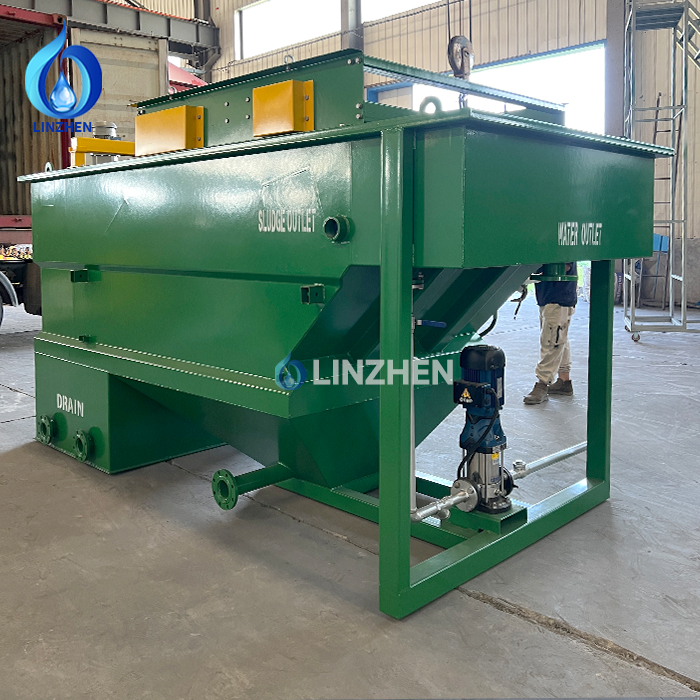
Dissolved air flotation technology remains an industry benchmark for separating oils, fats, and suspended solids from industrial water streams. However, successful implementation of DAF wastewater treatment machinery requires assessing mechanical footprints, utility tie-ins, and daily maintenance access routes. Today's manufacturing facilities must expand treatment capacity while complying with strict discharge permits and respecting historical civil infrastructure limits. Adopting modular DAF wastewater treatment configurations, vertical vessel designs, and adaptive piping strategies allows plant engineers to integrate high-efficiency compact DAF systems seamlessly alongside operating production lines.
Spatial Optimization and System Layout Strategies
Vertical Configurations for DAF Wastewater Treatment Units
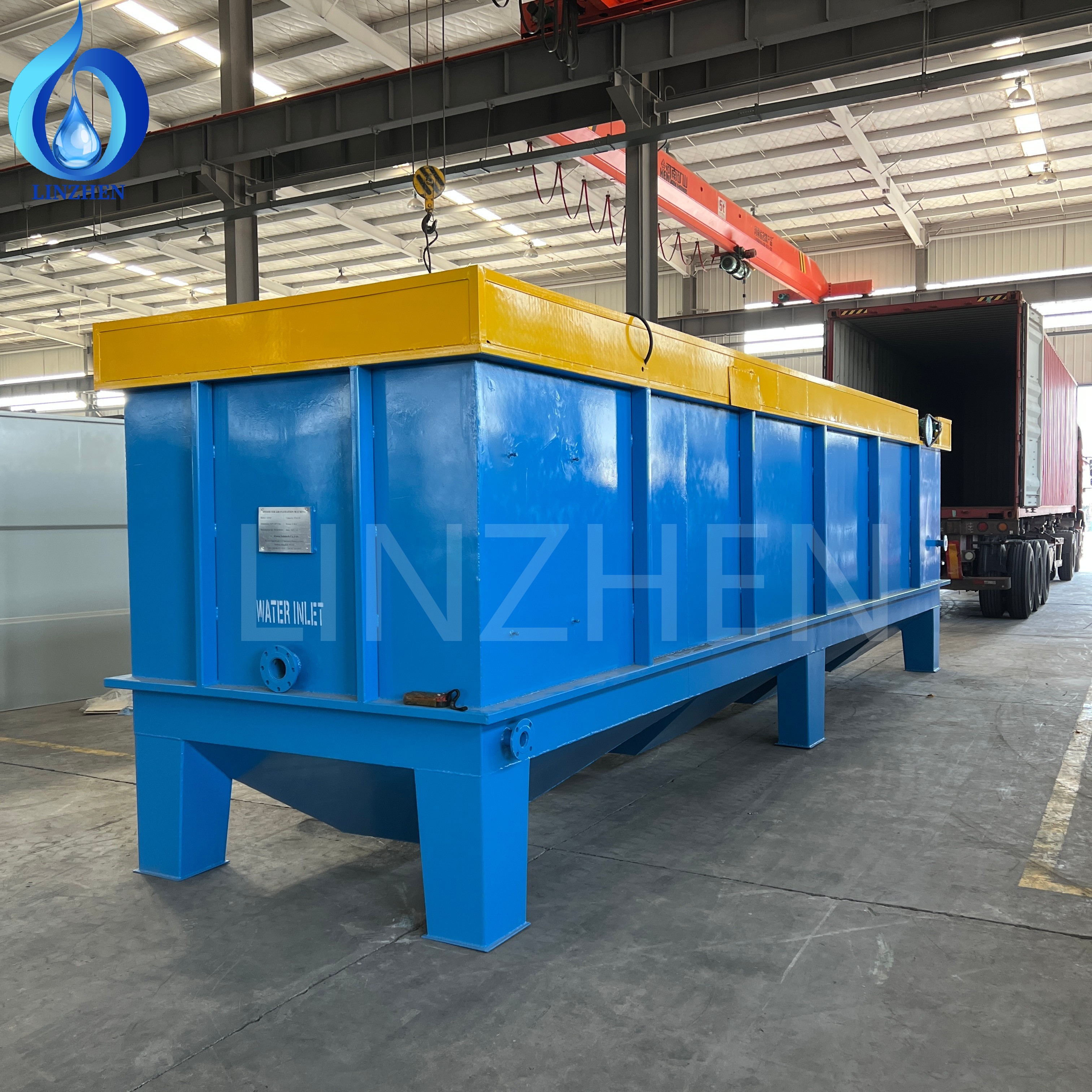
Facilities struggling with severe floor space constraints increasingly utilize vertical vessel architectures for their DAF wastewater treatment projects. Unlike traditional long rectangular flotation tanks, compact vertical designs reduce floor coverage while maintaining hydraulic retention through optimized internal flow distribution and micro-bubble contact zones. Vertical DAF wastewater treatment systems stack flotation chambers and bubble-generation modules, making them suitable for congested industrial buildings where horizontal expansion is impractical. Repositioning non-essential equipment allows plants to install DAF wastewater treatment skid packages without sacrificing vital manufacturing or warehouse storage areas.
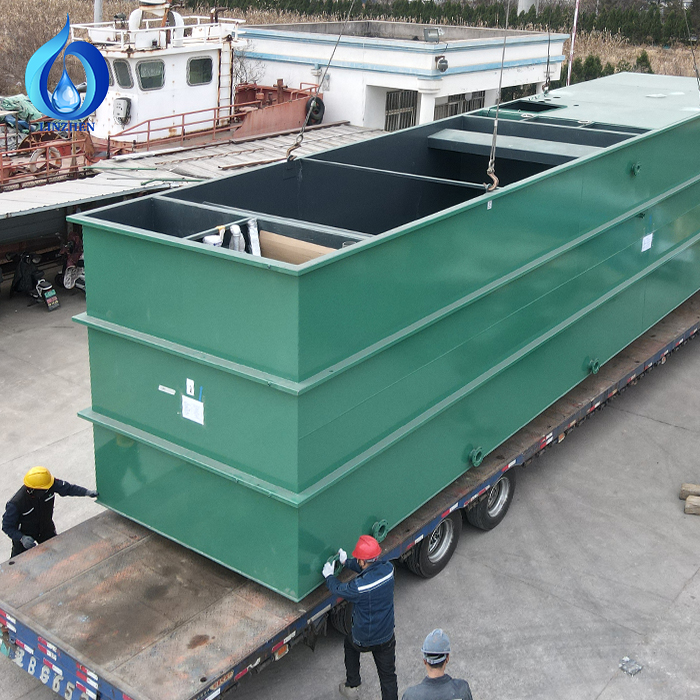
Modern DAF wastewater treatment machinery is engineered using modular building blocks that separate air saturation vessels, chemical flocculation manifolds, and solids clarification tanks into flexible layouts. This structural adaptability enables contractors to configure DAF wastewater treatment footprints around irregular plant shapes, narrow equipment corridors, or low overhead ceilings. Modular DAF wastewater treatment setups also streamline routine maintenance tasks by arranging service points at comfortable working heights and providing removable access hatches for internal inspection.
Strategic Process Connection Points for DAF Wastewater Treatment
Achieving seamless dissolved air flotation integration requires identifying ideal connection locations within current piping circuits. Rather than operating DAF wastewater treatment as an isolated unit, experienced engineers route influent directly from primary equalization sumps or screening channels into the flotation inlet. This streamlined piping layout eliminates redundant transfer pumps and minimizes friction loss. Installing a DAF wastewater treatment unit downstream of primary solids removal creates a logical treatment sequence that enhances final water clarity without requiring extensive civil modifications.
When planning DAF wastewater treatment locations, utilizing gravity flow paths minimizes electrical power demands for transfer pumping. Many industrial plants feature elevated discharge flumes or basement collection sumps that align naturally with DAF wastewater treatment inlet elevations. Positioning DAF wastewater treatment skids at strategic hydraulic elevations lowers monthly energy expenses and preserves smooth liquid flow through the treatment train, reducing pressure spikes that cause valve wear and pipe fatigue.
Civil Engineering and Utility Requirements
Structural Load Ratings and Utility tie-ins for DAF Wastewater Treatment
Executing an industrial wastewater retrofit involving DAF wastewater treatment requires evaluating concrete floor load limits, power distribution, and compressed air availability. Commercial DAF wastewater treatment plants weigh between 8,000 and 25,000 kilograms when fully charged with process water, necessitating reinforced foundation pads or structural steel support frames. Before placing DAF wastewater treatment equipment, structural engineers should inspect concrete floor slabs to confirm load-bearing capacity and prevent structural settlement issues during operation.
Coordinating plant utilities is equally important during a DAF wastewater treatment retrofit. Dissolved air flotation requires steady compressed air, dedicated electrical supply for pumps, and potentially chemical feed lines. Auditing electrical panels and air headers prior to installing DAF wastewater treatment hardware prevents electrical overloads and costly piping retrofits. Grouping DAF wastewater treatment skid connections near main utility distribution racks shortens installation schedules and minimizes capital expenditure on long conduit runs across factory floors.
Hydraulic Compatibility in DAF Wastewater Treatment Installations
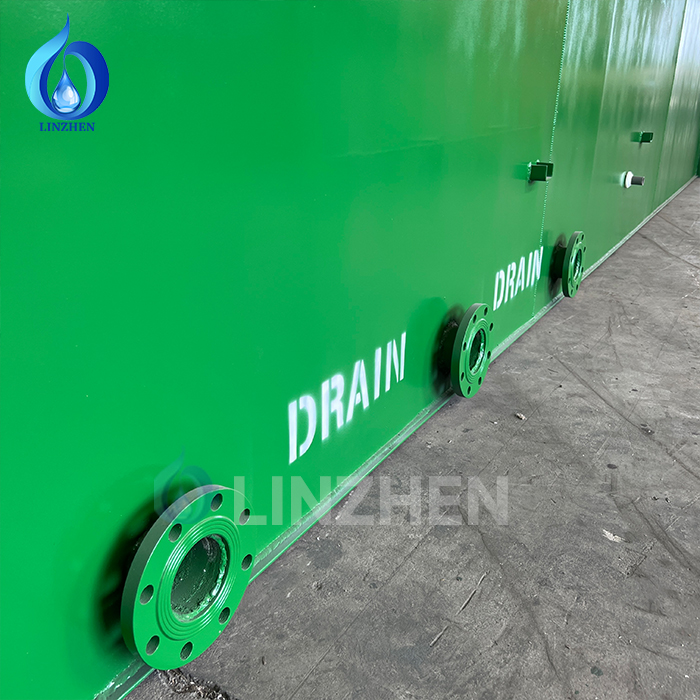
Connecting a new DAF wastewater treatment system into an active utility network requires reviewing system pressure and volumetric flow limits. Influent flow rates must align with DAF wastewater treatment hydraulic specifications; improper flow matching creates short-circuiting or inadequate flotation time. Facilities adapt existing discharge headers to DAF wastewater treatment inlet manifolds using flexible pipe connectors that absorb mechanical vibration and reduce hydraulic turbulence.
Hydraulic modeling validates whether existing supply pumps can feed water to the DAF wastewater treatment unit without generating excessive backpressure. If current pumps are underpowered, variable frequency drives or upgraded impellers boost transfer capacity economically. Many facilities successfully complete plant layout optimization projects by fine-tuning existing pump curves before purchasing new pump packages, spreading capital investment across project implementation phases.
System Automation and Waste Stream Management
Control Room Automation for DAF Wastewater Treatment
Effective DAF wastewater treatment operation depends on full integration into the facility's supervisory control network. Advanced DAF wastewater treatment skids feature instrumentation that monitors tank liquid levels, dissolved air saturation pressure, polymer dosing rates, and effluent turbidity. Connecting DAF wastewater treatment controllers to central SCADA or PLC networks enables operators to manage flotation parameters alongside main production systems from a single interface, accelerating operator response to changing water conditions.
Modern DAF wastewater treatment controls use standardized alarm logic to notify operators of parameter shifts before water quality drops. Integrating DAF wastewater treatment operational metrics into centralized plant historians creates verifiable data logs for environmental reporting. Automated monitoring allows facility technicians to verify DAF wastewater treatment performance continuously across all operational shifts.
Sludge Routing and Chemical Coordination for DAF Wastewater Treatment
Operating DAF wastewater treatment equipment yields floating scum and settled solids that must be routed to sludge dewatering systems. Coordinating DAF wastewater treatment sludge discharge with filter presses, screw presses, or storage tanks prevents liquid overflow and process bottlenecks. Placing DAF wastewater treatment units adjacent to sludge handling areas allows gravity-drained sludge transfer, eliminating secondary transfer pumps and simplifying daily operation.
Chemical coagulants and flocculants used in DAF wastewater treatment should align with the plant's existing chemical inventory whenever feasible. Using chemical formulations compatible with current storage tanks simplifies chemical management and lowers operator training requirements. Plant personnel adapt quickly to DAF wastewater treatment operation when chemical handling procedures mirror established plant protocols.
FAQ
What is the typical space required for integrating DAF wastewater treatment into a facility?
Compact DAF wastewater treatment units generally occupy between 150 and 400 square meters depending on hourly flow volume and pollutant loading. Vertical designs reduce horizontal footprints by 40 to 60 percent compared to traditional rectangular tanks. However, adequate surrounding space must be reserved for maintenance access, pump servicing, and sludge removal equipment around the DAF wastewater treatment skid.
Can DAF wastewater treatment run alongside existing water equipment without process disruption?
Yes, DAF wastewater treatment operates efficiently within multi-stage treatment layouts when hydraulic flow matching is maintained. Dissolved air flotation units typically follow primary screening or equalization sumps and precede biological reactors or secondary filters. Aligning flow rates prevents operational interference, allowing DAF wastewater treatment units to run continuously alongside primary plant equipment.
How long does it take to complete a DAF wastewater treatment retrofit project?
Installation timelines for DAF wastewater treatment systems range from 6 to 12 weeks, depending on civil prep work, utility availability, and piping modifications. Turnkey projects with direct connections to existing piping headers can be completed in 4 to 6 weeks. Phased installation schedules allow facilities to integrate DAF wastewater treatment hardware while maintaining normal manufacturing output.
 EN
EN