Pharmaceutical contamination in wastewater represents one of the most pressing environmental challenges facing modern water treatment facilities today. Many industrial and municipal operations struggle with removing drug traces and residues from their effluent streams, raising critical questions about environmental safety and regulatory compliance. The question of whether biological wastewater treatment can effectively break down drug traces has become increasingly important as regulatory agencies worldwide enforce stricter discharge standards. Understanding how biological wastewater treatment operates, along with the inherent capabilities and limitations of biological wastewater treatment systems, is essential for facility managers responsible for protecting water resources and maintaining operational compliance standards.
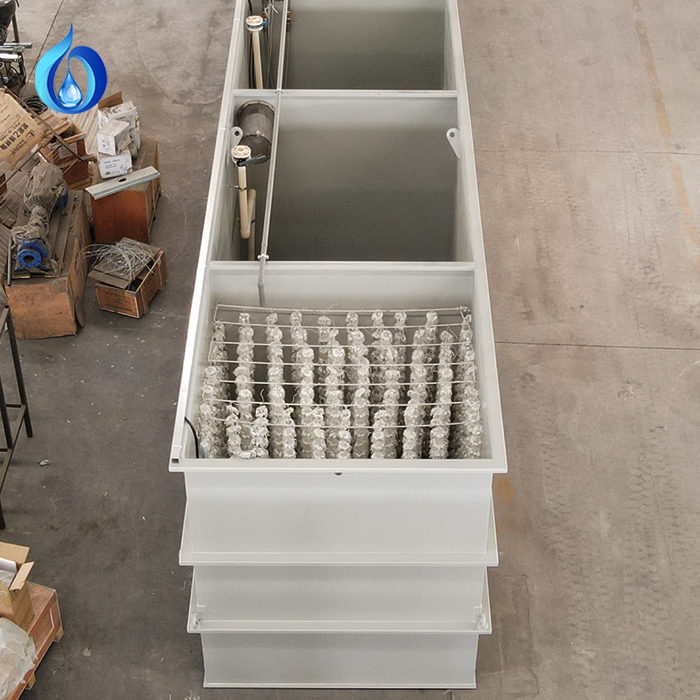
Advanced biological wastewater treatment leverages naturally occurring microorganisms and engineered bioprocesses to degrade organic contaminants in industrial wastewater streams. The answer to whether biological wastewater treatment can break down drug traces is nuanced: yes, a well-managed biological wastewater treatment plant can reduce many pharmaceutical compounds, but effectiveness varies significantly depending on the specific drug molecule, overall pharmaceutical wastewater treatment configuration, and operational parameters. This article explores how biological wastewater treatment systems address pharmaceutical contamination, examines the core mechanisms involved in drug trace removal, and discusses practical considerations for industrial applications facing wastewater pharmaceutical removal challenges.
How Biological Wastewater Treatment Degrades Pharmaceutical Compounds
Microbial Degradation Mechanisms in Biological Wastewater Treatment
A standard biological wastewater treatment setup relies on complex consortia of bacteria, fungi, and specialized microorganisms to metabolize and transform pharmaceutical residues. These active microbes possess unique enzymes capable of attacking specific molecular structures found in drug compounds, breaking them into simpler, less harmful byproducts through aerobic and anaerobic metabolic pathways. The overall effectiveness of biological wastewater treatment depends on whether the microbial population recognizes the pharmaceutical as a viable substrate and whether environmental conditions support their metabolic activity. Different drug classes present varying degrees of difficulty during pharmaceutical wastewater treatment; some compounds are readily biodegradable, while others resist drug trace removal due to their chemical structure or the antimicrobial properties of the compound itself, impacting overall wastewater pharmaceutical removal rates.
Operational Parameters Affecting Drug Trace Removal
Successful biological wastewater treatment aimed at drug trace removal requires careful control of key operational factors. Dissolved oxygen levels, pH balance, operational temperature, and hydraulic retention time all significantly influence how effectively biological wastewater treatment systems degrade pharmaceutical traces. Extended aeration periods and higher sludge retention times generally improve wastewater pharmaceutical removal rates because microorganisms have greater opportunity to acclimate and establish enzymatic pathways specific to target drug compounds. Industrial facilities utilizing biological wastewater treatment that maintain optimal operational conditions can achieve removal efficiencies ranging from 60 to 90 percent for many common pharmaceuticals, demonstrating the immense value of pharmaceutical wastewater treatment protocols.
Limitations and Challenges in Biological Wastewater Treatment for Drug Traces
Recalcitrant Compounds and Treatment Gaps
Not all pharmaceuticals respond equally to conventional biological wastewater treatment methods. Certain drug classes, particularly synthetic compounds and those with strong antimicrobial properties, present significant resistance to biodegradation within standard biological wastewater treatment systems. Antibiotics, for example, can severely inhibit the very microorganisms responsible for treatment in biological wastewater treatment processes, creating operational challenges and potentially requiring modification of pharmaceutical wastewater treatment strategies. Additionally, some pharmaceutical metabolites persist even after the parent compound has been degraded through biological wastewater treatment, meaning trace levels of modified drug residues may remain in treated effluent despite successful drug trace removal and standard wastewater pharmaceutical removal performance.
Regulatory Compliance and Incomplete Removal
Standalone biological wastewater treatment alone may not meet increasingly stringent pharmaceutical discharge limits established by environmental regulators in many jurisdictions worldwide. While biological wastewater treatment can significantly reduce drug trace concentrations, achieving near-complete wastewater pharmaceutical removal often requires complementary technologies such as activated carbon adsorption, advanced oxidation processes, or membrane filtration integrated directly with biological wastewater treatment systems. Facility operators must carefully evaluate whether their current biological wastewater treatment configuration provides adequate pharmaceutical wastewater treatment performance or if process enhancements, infrastructure upgrades, or hybrid treatment approaches are necessary to ensure regulatory compliance and improve drug trace removal efficiency.
Optimizing Biological Wastewater Treatment for Pharmaceutical Removal
Process Enhancement Strategies Within Biological Wastewater Treatment
Enhancing biological wastewater treatment specifically for pharmaceutical degradation involves multiple strategic approaches. Extending solids retention time allows specialized microbial populations to develop within biological wastewater treatment systems, improving their ability to metabolize resistant drug compounds. Implementing staged aeration or moving bed biofilm reactor technology can increase biological wastewater treatment efficiency by optimizing microbial growth conditions and substrate availability for pharmaceutical wastewater treatment. Facilities relying on biological wastewater treatment should also consider inoculating systems with enriched microbial cultures that possess demonstrated capability for pharmaceutical degradation, effectively accelerating drug trace removal and optimizing wastewater pharmaceutical removal reactors.
Integration With Complementary Treatment Technologies
Modern pharmaceutical wastewater treatment strategies increasingly combine biological wastewater treatment with advanced polishing stages to achieve comprehensive drug trace removal. After initial biological wastewater treatment completes primary degradation, activated carbon or sand filtration can capture remaining pharmaceutical residues and recalcitrant metabolites. Alternatively, advanced oxidation processes such as ozonation or ultraviolet treatment can follow biological wastewater treatment to eliminate residual pharmaceutical compounds that resist biological breakdown. This integrated approach recognizes that biological wastewater treatment excels at removing certain drug classes but benefits from complementary technologies to ensure complete wastewater pharmaceutical removal, resulting in treated effluent that meets stringent regulatory standards and protects water quality.
FAQ
Can biological wastewater treatment remove 100 percent of drug traces?
Standard biological wastewater treatment cannot reliably achieve complete drug trace removal of all pharmaceutical compounds and their metabolites on its own. While biological wastewater treatment systems can reduce drug concentrations by 60 to 90 percent during standard pharmaceutical wastewater treatment, some residual compounds typically remain in treated effluent. Complete wastewater pharmaceutical removal typically requires combining biological wastewater treatment with additional polishing technologies such as activated carbon, advanced oxidation, or membrane filtration.
How long does biological wastewater treatment require to degrade pharmaceuticals?
The time required for biological wastewater treatment to degrade pharmaceuticals depends on the drug class, reactor configuration, and microbial acclimation status. Readily biodegradable compounds may be processed effectively within standard biological wastewater treatment retention times of 8 to 20 hours, while recalcitrant drugs managed during complex pharmaceutical wastewater treatment may require extended retention periods of 24 to 48 hours to optimize drug trace removal and wastewater pharmaceutical removal efficiency.
Is biological wastewater treatment suitable for all industrial pharmaceutical applications?
Biological wastewater treatment is well-suited for many pharmaceutical manufacturing and healthcare facility applications, but overall suitability depends heavily on specific waste stream characteristics and regulatory requirements. Facilities generating wastewater with high concentrations of antimicrobial compounds may need alternative or hybrid treatment approaches because biological wastewater treatment effectiveness can be compromised by antimicrobial substances. Comprehensive characterization of pharmaceutical content and regulatory compliance targets should guide facility decisions regarding whether standalone biological wastewater treatment or integrated pharmaceutical wastewater treatment strategies are appropriate for successful drug trace removal.
 EN
EN