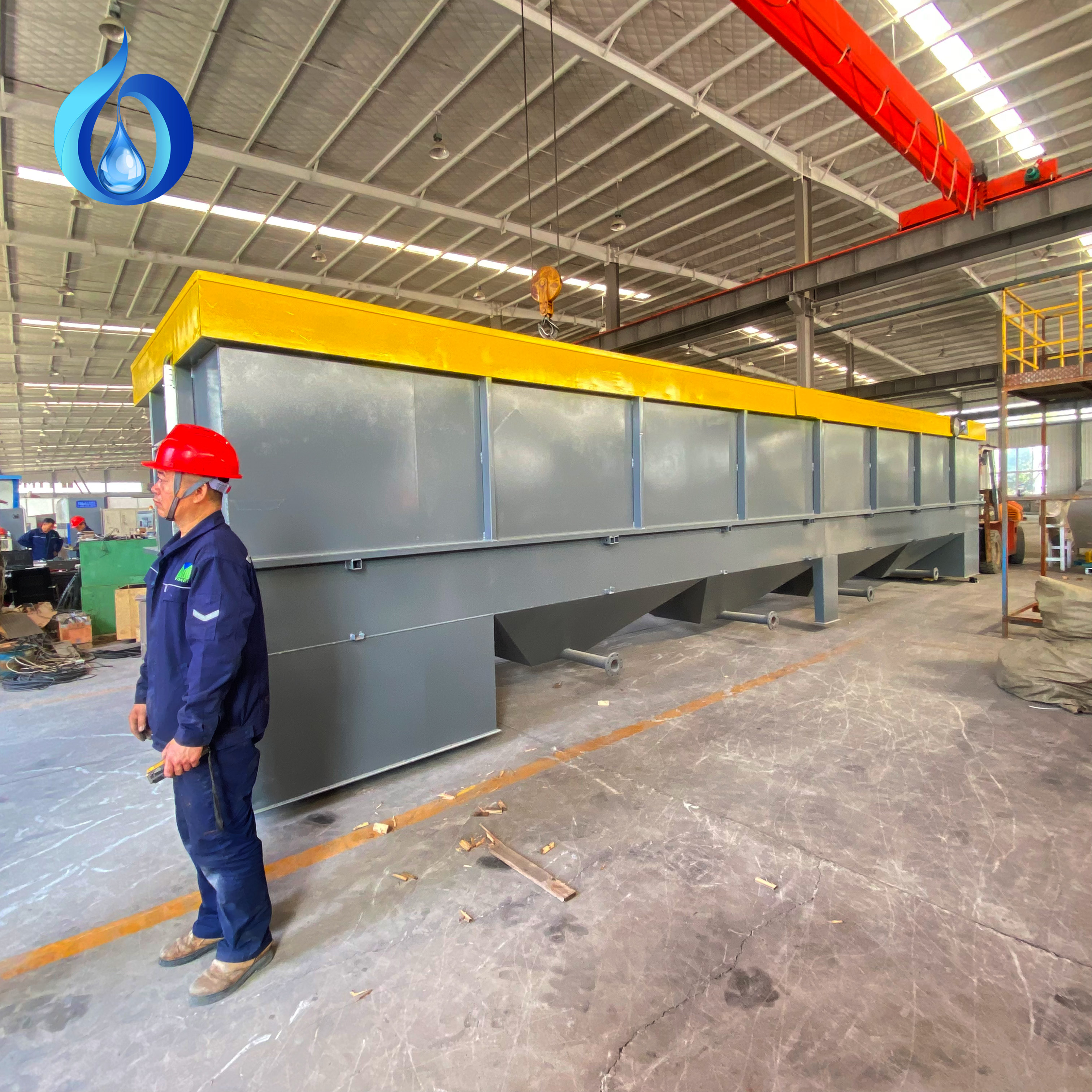
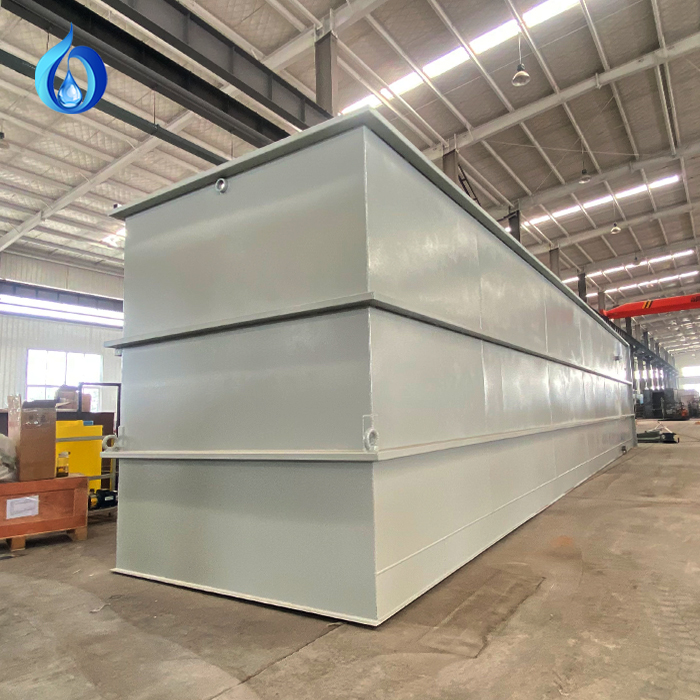
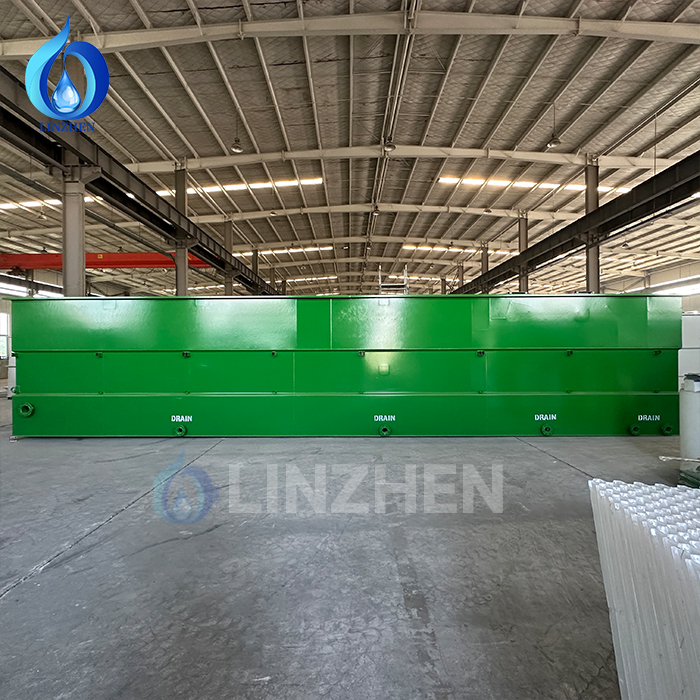
An mbbr system represents one of the most effective approaches for simultaneous nitrogen removal in modern wastewater treatment applications. The moving bed biofilm reactor technology has revolutionized how treatment facilities handle the dual challenge of nitrification and denitrification within a compact, efficient single treatment train. Understanding whether an mbbr system can support both nitrification and denitrification processes is essential for engineers and operators planning advanced biological treatment solutions.
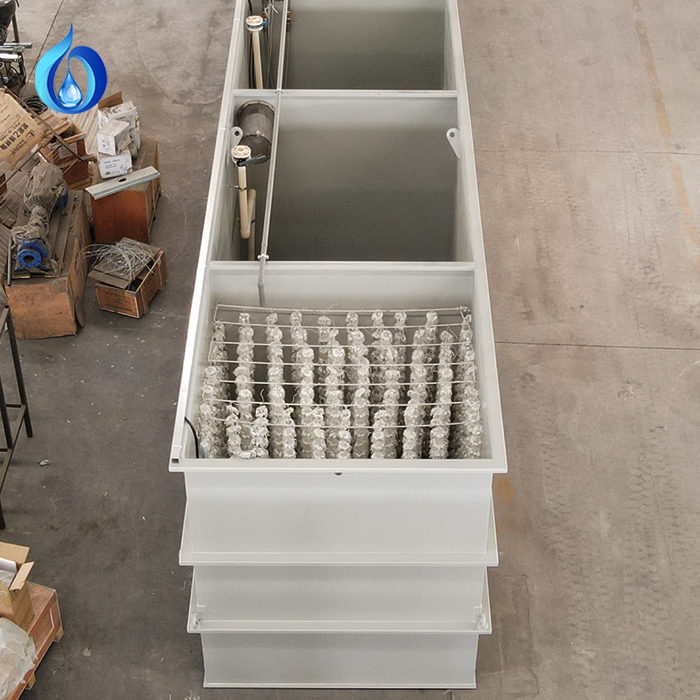
The answer is definitively yes—an mbbr system can efficiently support both nitrification and denitrification processes within a single treatment train through strategic design and operational control. This capability makes the mbbr system particularly valuable for municipal and industrial wastewater treatment facilities facing strict nitrogen discharge regulations. By combining aerobic and anoxic zones within the same reactor vessel, an mbbr system eliminates the need for separate treatment tanks while maintaining superior removal efficiency and operational flexibility.
How an MBBR System Enables Dual Nitrogen Removal
Zone Design and Biofilm Development
The foundation of dual-process capability in an mbbr system lies in its innovative zone architecture. An mbbr system utilizes plastic biofilm carriers suspended throughout the reactor, creating both aerobic and anoxic microenvironments within the same vessel. In the aerobic zone of an mbbr system, nitrifying bacteria oxidize ammonia to nitrite and nitrate through nitrification. Simultaneously, the anoxic zone within the same mbbr system provides conditions where denitrifying bacteria reduce nitrate back to nitrogen gas, achieving complete nitrogen removal.
The biofilm structure in an mbbr system naturally creates oxygen gradients as dissolved oxygen diffuses inward through the biofilm layers. This gradient effect means an mbbr system spontaneously develops aerobic outer layers and anoxic inner cores on each carrier, even in a single treatment vessel. Such stratification allows an mbbr system to perform both nitrification and denitrification simultaneously on individual biofilm surfaces, maximizing treatment efficiency and nitrogen removal rates.
Operational Control and Process Integration
Operating an mbbr system for dual nitrogen removal requires careful management of oxygen input, detention time, and nutrient availability. An mbbr system operator must maintain sufficient aeration in designated zones to support nitrification while protecting anoxic regions for effective denitrification. The flexibility of an mbbr system allows operators to adjust air diffusion rates, recycle ratios, and process residence times based on incoming wastewater characteristics and regulatory discharge limits.
An mbbr system achieves this balance by combining mechanical aeration zones with non-aerated anoxic compartments in a single treatment vessel design. Some advanced configurations of an mbbr system employ internal baffles or sequential aeration cycles to ensure optimal conditions for both nitrification and denitrification reactions. This integrated approach means an mbbr system delivers superior nitrogen removal compared to conventional activated sludge processes while occupying significantly less footprint.
Practical Advantages of Using an MBBR System for Combined Treatment
Compact Footprint and Capital Efficiency
One of the most compelling reasons to select an mbbr system for dual nitrogen removal is the compact treatment solution it provides. Rather than requiring multiple separate basins for nitrification, denitrification, clarification, and sludge handling, an mbbr system integrates these functions into a single, highly efficient reactor vessel. The land area required for an mbbr system is typically 30 to 50 percent smaller than conventional activated sludge systems treating equivalent wastewater volumes, making an mbbr system ideal for facilities with limited space or high real estate costs.
Capital investment for an mbbr system reflects this efficiency advantage. An mbbr system requires fewer concrete structures, reduced piping complexity, and simplified support systems compared to multi-tank conventional treatment arrangements. For existing treatment plants planning upgrades or expansions, retrofitting an mbbr system into available space often proves more economical than conventional expansion approaches, allowing facilities to achieve stricter nitrogen limits without major civil works.
Operational Resilience and Treatment Stability
An mbbr system demonstrates exceptional operational resilience under variable flow and load conditions. The large biofilm surface area within an mbbr system provides substantial biological capacity and buffering against shock loads, toxic upsets, and temperature fluctuations. This inherent stability in an mbbr system means that nitrogen removal performance remains consistent even when influent characteristics deviate significantly from design values.
Sludge management in an mbbr system is significantly simpler than in conventional activated sludge systems because the biomass is attached to carriers rather than suspended in solution. The lower waste sludge production from an mbbr system reduces disposal costs and environmental impact compared to conventional biological treatment. Additionally, an mbbr system typically achieves nitrification and denitrification faster than activated sludge alternatives, enabling higher throughput in the same reactor volume.
Design Considerations for MBBR System Implementation
Carrier Media Selection and Fill Fraction
The performance of an mbbr system depends significantly on the selection and quantity of biofilm carriers used. An mbbr system employs specially engineered plastic media designed to maximize surface area while maintaining adequate space for carrier movement and oxygen transfer. Fill fraction—the percentage of reactor volume occupied by carriers—directly influences the treatment capacity of an mbbr system, with typical fill fractions ranging from 40 to 60 percent for combined nitrification-denitrification applications.
Different carrier geometries available for an mbbr system impact performance characteristics and operational costs. An mbbr system may use cylindrical, disc-shaped, or other specialized carrier designs depending on wastewater characteristics and treatment objectives. Selecting the optimal carrier media for your mbbr system requires evaluating surface area density, porosity, mechanical durability, and biofilm adhesion properties in relation to your specific treatment challenge.
Aeration Strategy and Energy Consumption
Aeration represents the largest operating cost component for an mbbr system, making optimization essential for long-term economic viability. An mbbr system must deliver sufficient oxygen to nitrifying zones while avoiding excessive aeration that would eliminate anoxic environments needed for denitrification. Modern mbbr system designs often incorporate variable frequency drives and dissolved oxygen monitoring to optimize aeration energy based on real-time wastewater conditions and treatment demands.
The mixing action created by aeration in an mbbr system serves dual purposes: it supplies oxygen while keeping carriers in suspension and motion. An mbbr system engineered for combined nitrification-denitrification must balance these competing needs, sometimes employing mechanical mixing in anoxic zones to maintain carrier movement without introducing oxygen. mbbr system designers must evaluate energy consumption trade-offs when optimizing carrier suspension and biofilm contact efficiency.
FAQ
Can an MBBR system remove nitrogen in a single treatment stage?
Yes, an mbbr system achieves simultaneous nitrification and denitrification within a single treatment vessel through its unique biofilm structure. The mbbr system creates both aerobic and anoxic microenvironments on individual carrier media, allowing nitrifying and denitrifying bacteria to function concurrently. This capability eliminates the need for separate tanks while delivering comprehensive nitrogen removal in a compact, efficient package.
What flow rates can an MBBR system handle for combined nitrogen treatment?
An mbbr system can be scaled to handle diverse flow rates from small package plants treating 50 cubic meters per day to large municipal facilities exceeding 100,000 cubic meters daily. The treatment capacity of an mbbr system depends on carrier fill fraction, aeration rate, and operational detention time. Sizing an mbbr system for your specific flow and nitrogen removal goals requires detailed hydraulic and kinetic modeling based on influent wastewater characteristics and regulatory discharge requirements.
How does an MBBR system compare to conventional multi-stage nitrification-denitrification systems?
An mbbr system typically occupies 30 to 50 percent less footprint than conventional activated sludge systems performing similar nitrogen removal while offering superior operational stability and lower sludge production. The mbbr system achieves faster nitrification rates and greater resilience to shock loads compared to conventional approaches. Although capital costs are sometimes higher for an mbbr system, the combined benefits of space savings, operational simplicity, and reduced sludge disposal expenses typically result in lower total cost of ownership over the system's operating life.
 EN
EN