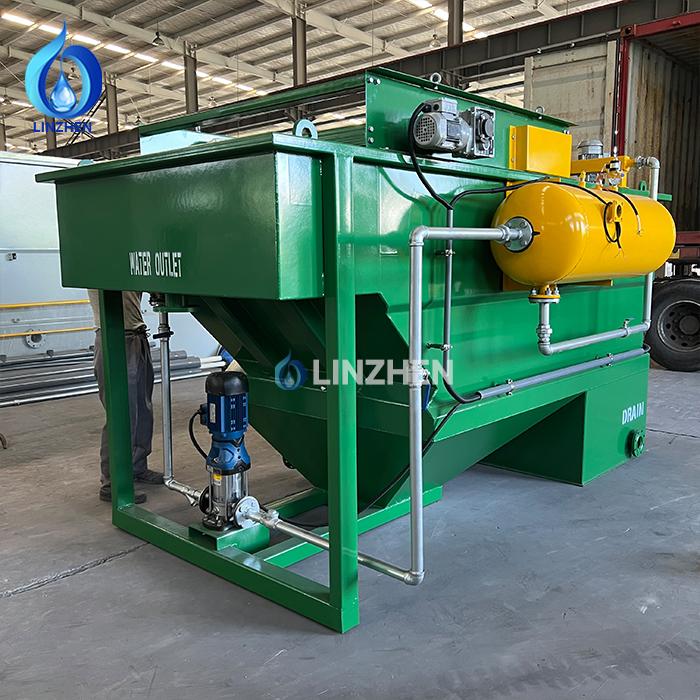
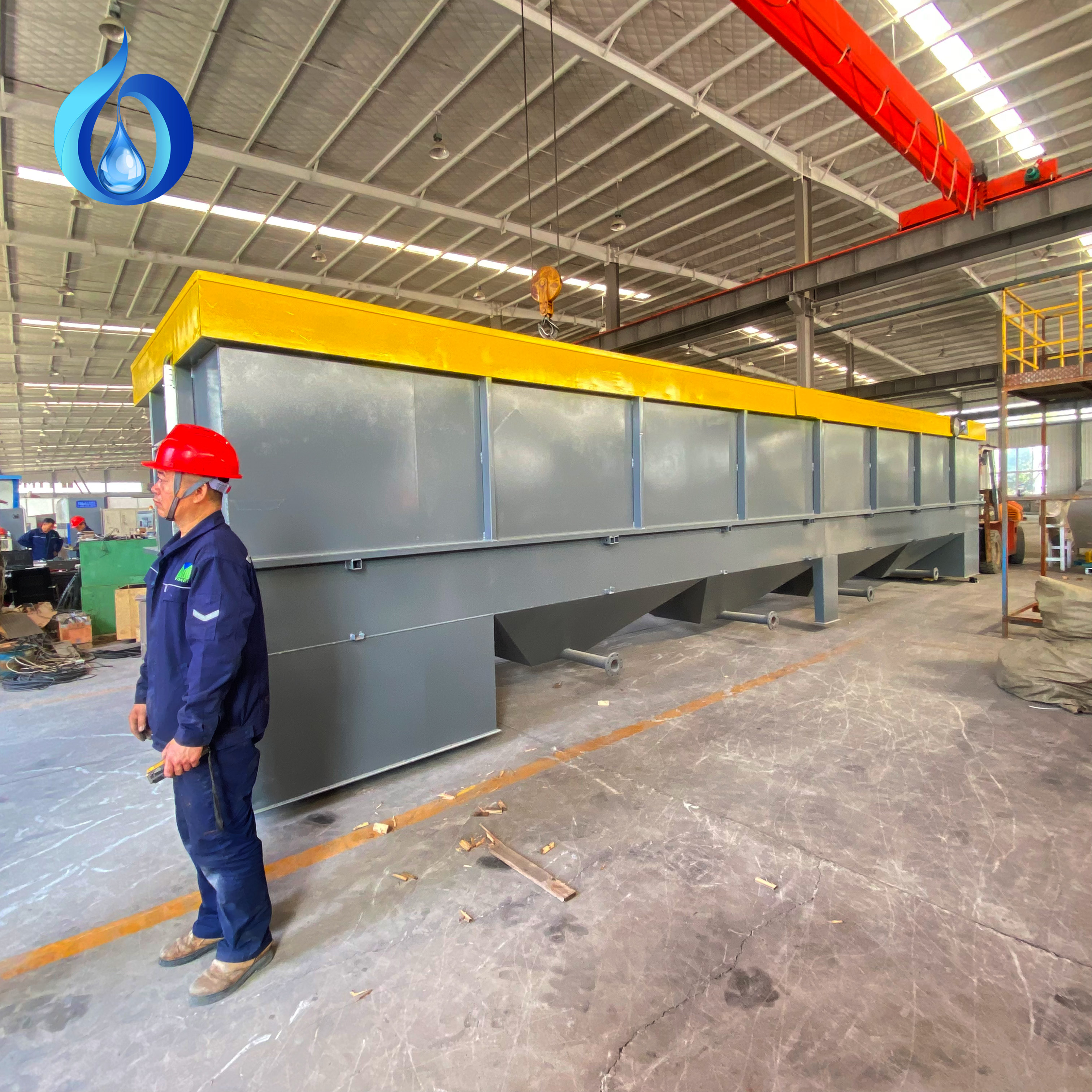
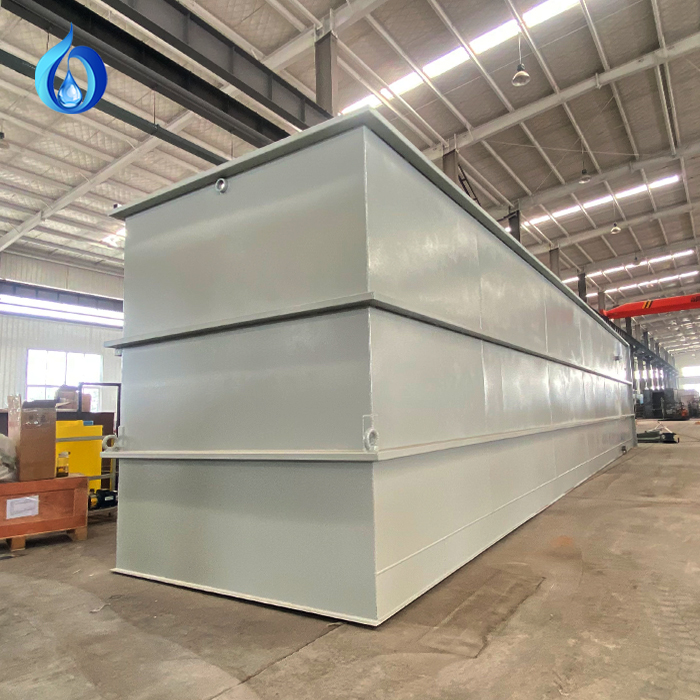
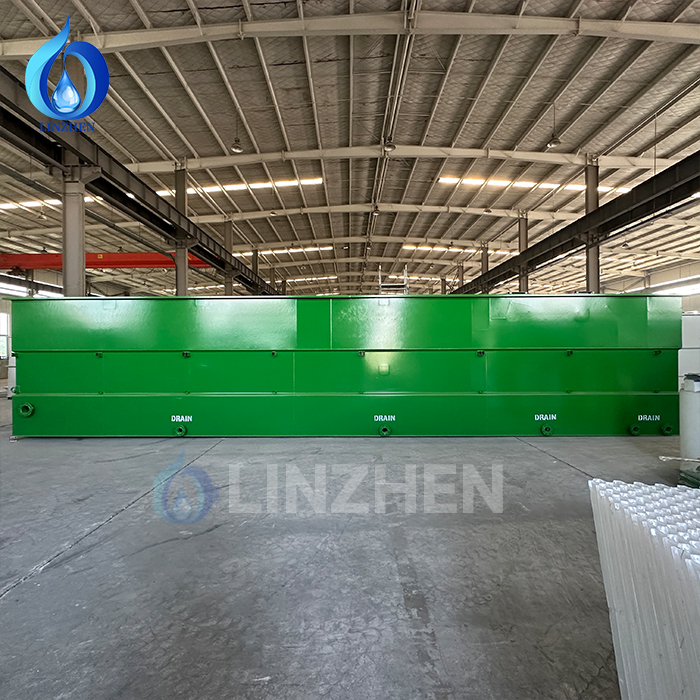
Modern manufacturing operations face mounting environmental pressures, making closed-loop water stewardship at every industrial wastewater treatment plant an essential business operational priority. Transitioning a conventional facility into a complete zero liquid discharge node requires eliminating liquid waste streams through advanced recovery, concentration, and crystallization methods. A properly engineered wastewater treatment plant operating under a ZLD system model recovers clean process water, isolates solid contaminants for safe disposition, and prevents untreated discharge into local ecosystems. Achieving these ambitious environmental benchmarks transforms the strategic role of a modern wastewater treatment plant within sustainable industrial ecosystems.
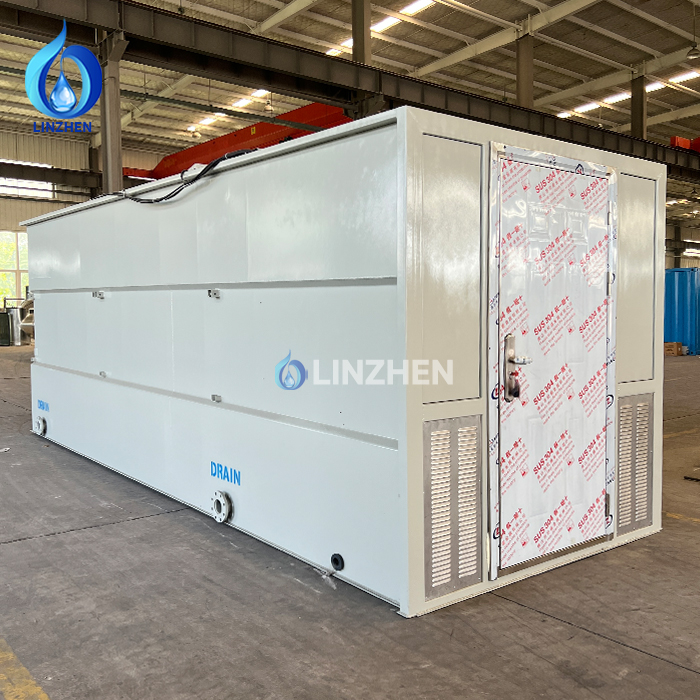
Implementing a closed-loop approach across a commercial wastewater treatment plant demands rigorous process engineering, specialized equipment integration, and strict operational controls. Modern industrial facilities rely on a combination of high-recovery membrane filtration, mechanical vapor recompression, and specialized solids management to isolate pure distillate from concentrated brine streams. The overall technical feasibility of deploying a zero liquid discharge architecture within a specific wastewater treatment plant depends heavily on influent salinity levels, chemical composition, available thermal energy, footprint limitations, and site-specific corporate sustainability objectives.
Key Separation Technologies in a Zero Discharge Wastewater Treatment Plant
Advanced Membrane Filtration and Concentrated Separation
Primary liquid recovery in a high-efficiency wastewater treatment plant relies on multi-stage physical separation systems. Suspended matter, organic compounds, and dissolved minerals are progressively extracted through microfiltration, ultrafiltration, and high-pressure reverse osmosis modules. Utilizing multi-stage membrane filtration enables a commercial wastewater treatment plant to recover up to ninety percent of incoming effluent as high-quality permeate suitable for boiler feed, cooling towers, or direct factory reuse. The resulting concentrate stream exiting the membrane filtration stage of the wastewater treatment plant then advances to thermal polishing units for final moisture extraction.
Thermal Evaporation and Crystallization Infrastructure
To eliminate the remaining liquid concentrate generated by primary separation, a specialized wastewater treatment plant employs thermal evaporators and mechanical crystallizers. These heavy-duty energy systems boil off residual water, condensing pure distillate while forcing dissolved inorganic salts to precipitate into dry solid cakes. Installing thermal evaporation units elevates the capital footprint and energy draw of a wastewater treatment plant, but it remains the definitive technical requirement for achieving authentic zero liquid discharge. Properly sized thermal units ensure the wastewater treatment plant operates continuously without producing liquid waste bypasses.
Strategic Engineering Principles for Closed-Loop Wastewater Treatment Plants
Water Quality Tiering and Closed-Loop Recycling Strategies
Engineering a wastewater treatment plant for maximum water recovery begins with comprehensive water quality mapping across the host manufacturing facility. Not all industrial processes require ultrapure water; matching specific internal reuse applications with corresponding effluent purity levels prevents over-treating liquid streams within the wastewater treatment plant. Establishing a tiered industrial water recycling network allows a wastewater treatment plant to direct lower-grade permeate toward utility washdowns or cooling circuits while reserving tertiary-treated water for critical production lines. This systematic internal allocation reduces overall power consumption across the entire wastewater treatment plant.
Solid Waste Disposition and Chemical Byproduct Handling
While a closed-loop wastewater treatment plant completely eliminates liquid discharge, it inherently generates solid chemical residues and concentrated salt cakes that require structured disposal. Managing the solid waste output from evaporation stages constitutes a major operational responsibility for any wastewater treatment plant executing a zero liquid discharge program. Facility managers must account for continuous sludge dewatering, hazardous solids classification, transportation logistics, and landfill fees. In certain specialized applications, a sophisticated wastewater treatment plant can recover commercial-grade salts like sodium sulfate from the solid matrix, generating secondary revenue to offset operating expenses.
Financial and Operational Realities for Wastewater Treatment Plants
Evaluating Energy Requirements and Overall Project Economics
Operating a wastewater treatment plant under closed-loop parameters increases energy consumption compared to standard direct-discharge facilities. The thermal energy required to drive mechanical vapor recompression and crystallization units represents a substantial portion of the monthly operating expenditure for a wastewater treatment plant. To maintain economic viability, engineers designing a zero liquid discharge facility integrate waste heat recovery systems, process integration loops, and renewable power sources wherever possible. Evaluating the financial payback of an advanced wastewater treatment plant involves balancing utility costs against freshwater acquisition savings and regulatory non-compliance avoidance.
Regulatory Frameworks and System Control Integration
Environmental discharge permits, regional groundwater protection mandates, and local water scarcity indexes heavily influence whether a wastewater treatment plant adopts a closed-loop framework. In water-stressed regions, local authorities often require a modern wastewater treatment plant to achieve complete effluent recovery as a mandatory operating condition. Furthermore, maintaining stable process conditions across a complex wastewater treatment plant demands automated control architecture, real-time chemical monitoring, and predictive maintenance protocols to prevent unplanned downtime in the thermal evaporation loop.
FAQ
Which industrial sectors rely most on zero liquid discharge at a wastewater treatment plant?
Chemical production, power generation, textile processing, pharmaceuticals, and mining operations frequently install a closed-loop wastewater treatment plant. These sectors generate highly toxic or saline effluent streams where traditional surface water discharge is legally prohibited, making complete zero liquid discharge technology essential for ongoing site licensing.
What is the typical project timeline for deploying a zero discharge wastewater treatment plant?
Engineering and commissioning a closed-loop wastewater treatment plant generally requires eighteen to thirty-six months. Initial pilot testing, effluent characterization, and design work take six to twelve months, followed by equipment manufacturing, field installation, and process validation for the entire wastewater treatment plant infrastructure.
Can conventional wastewater treatment plants be retrofitted for zero liquid discharge?
Yes, an existing wastewater treatment plant can be retrofitted by adding downstream membrane filtration, brine concentrators, and crystallizer units. However, site space constraints and integration with legacy piping infrastructure must be thoroughly evaluated during initial ZLD system engineering studies.
 EN
EN