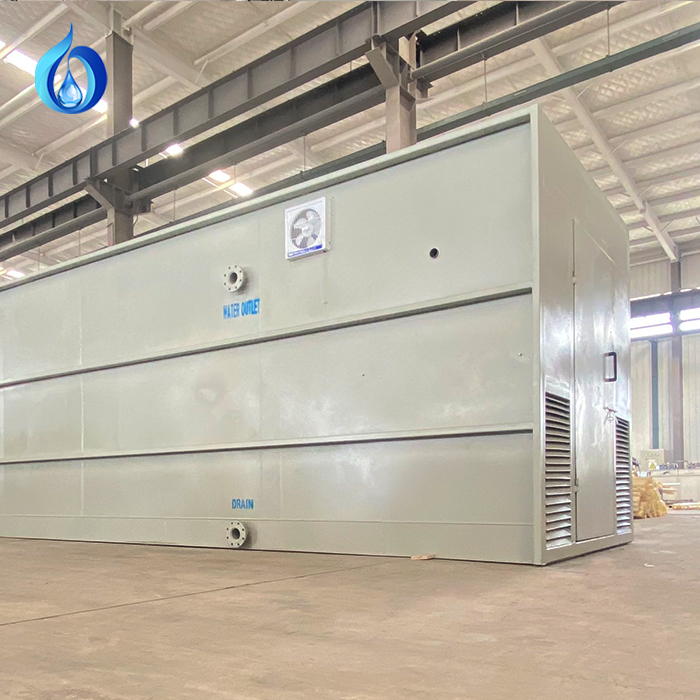
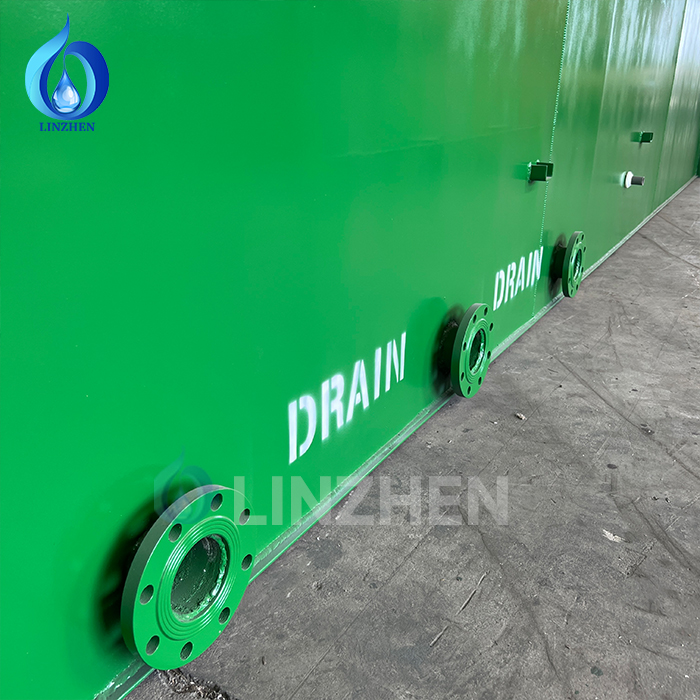
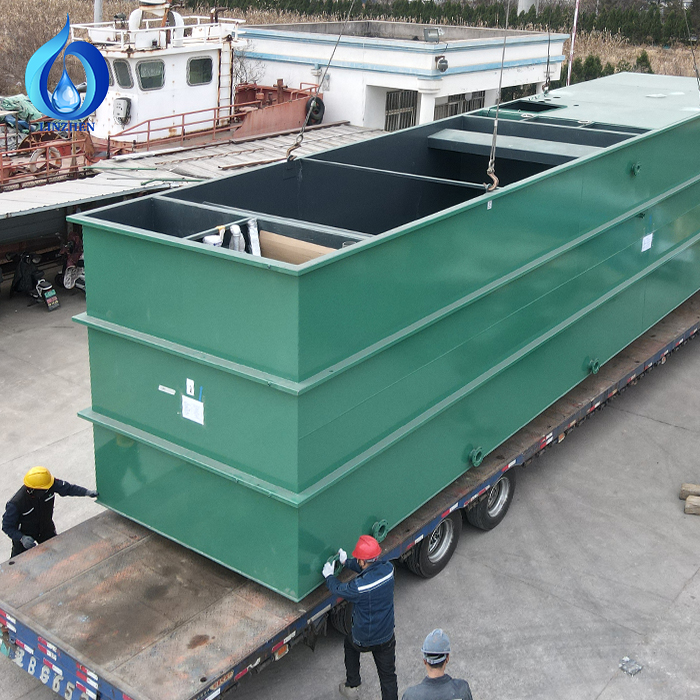
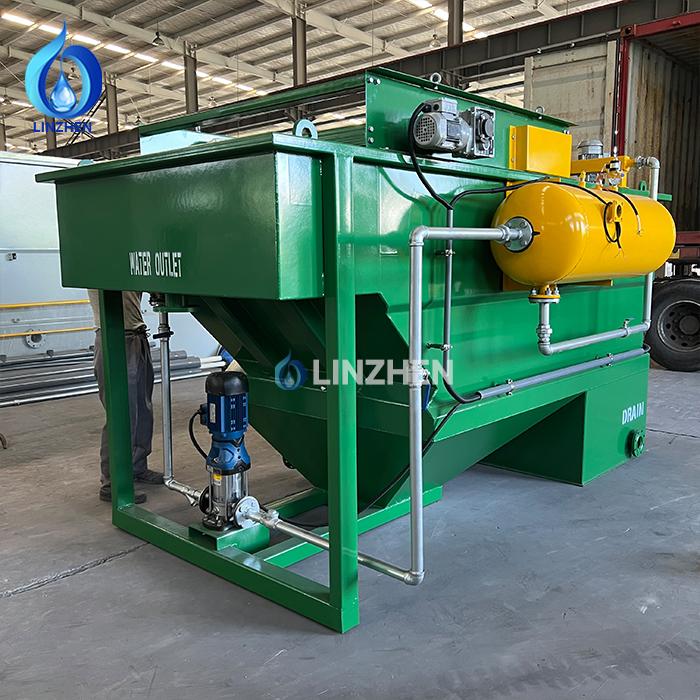
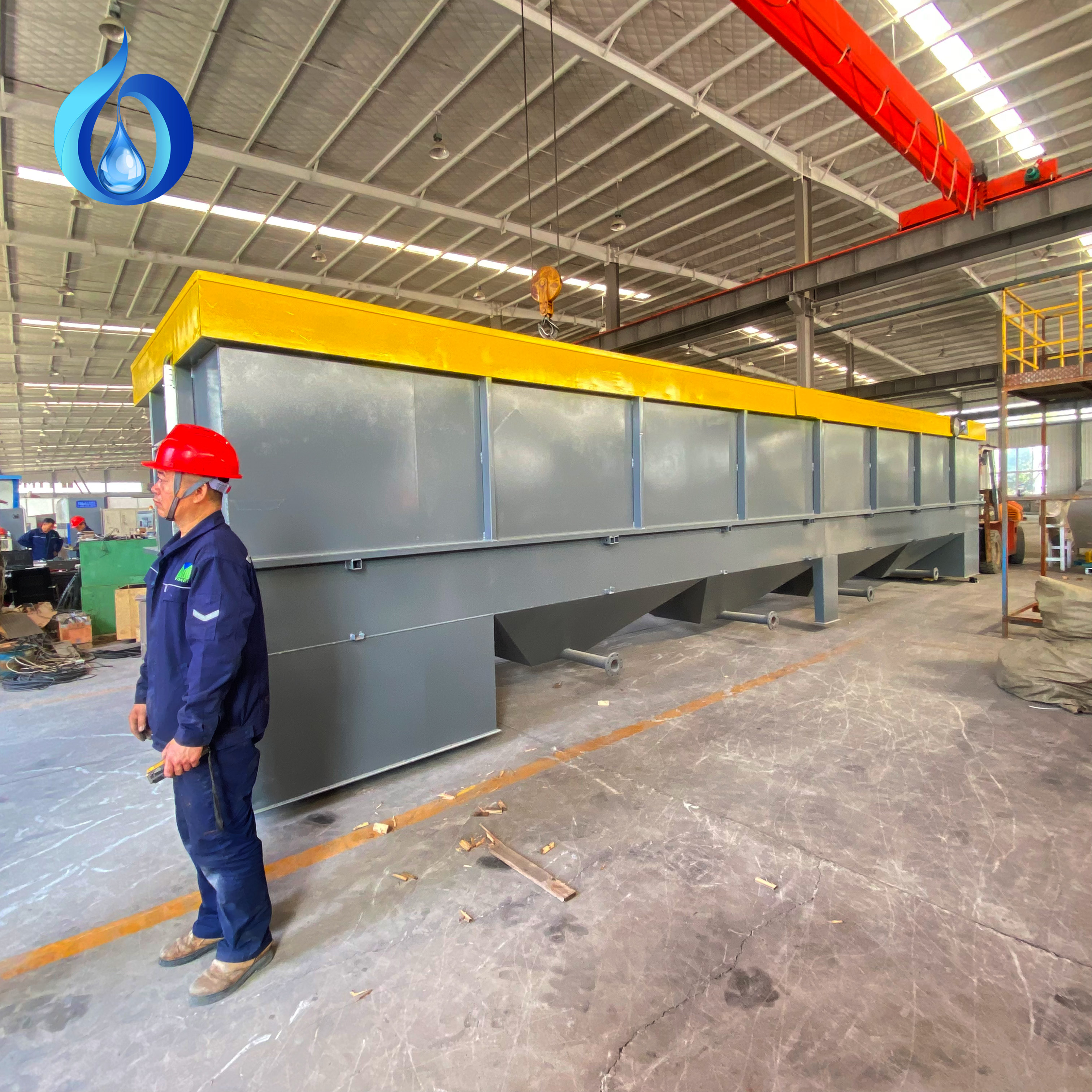
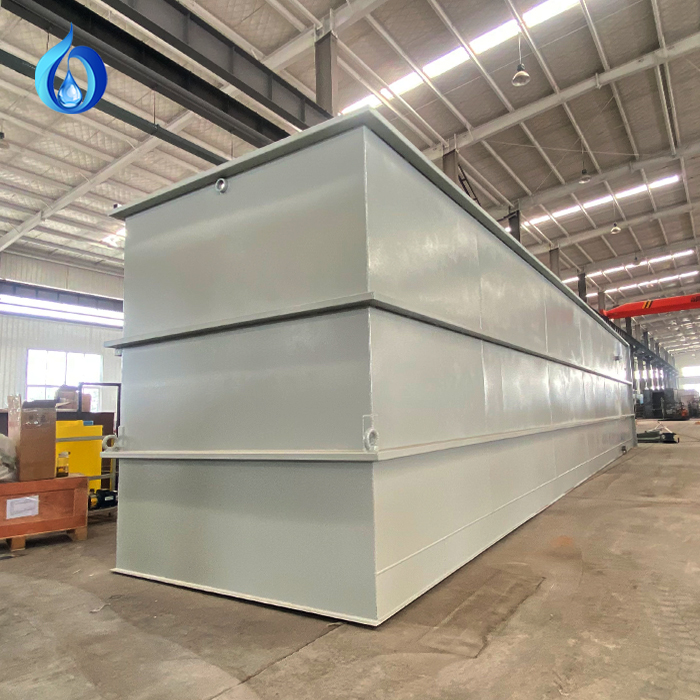
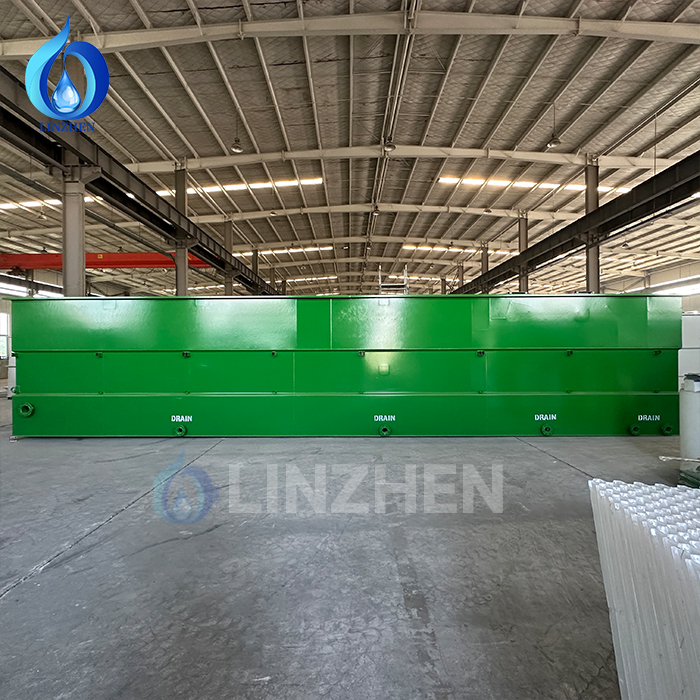
Manufacturing facilities face a critical challenge as production volumes increase: their existing infrastructure may no longer meet demand or regulatory requirements. Unlike fixed treatment plants that require expensive replacement or extensive retrofitting, a modular wastewater treatment system grows with your operations. This flexibility transforms how industrial companies approach environmental compliance and operational continuity, particularly when expansion happens rapidly or unpredictably. A properly designed modular wastewater treatment system eliminates the false choice between overbuilding capacity upfront and outgrowing infrastructure mid-cycle.
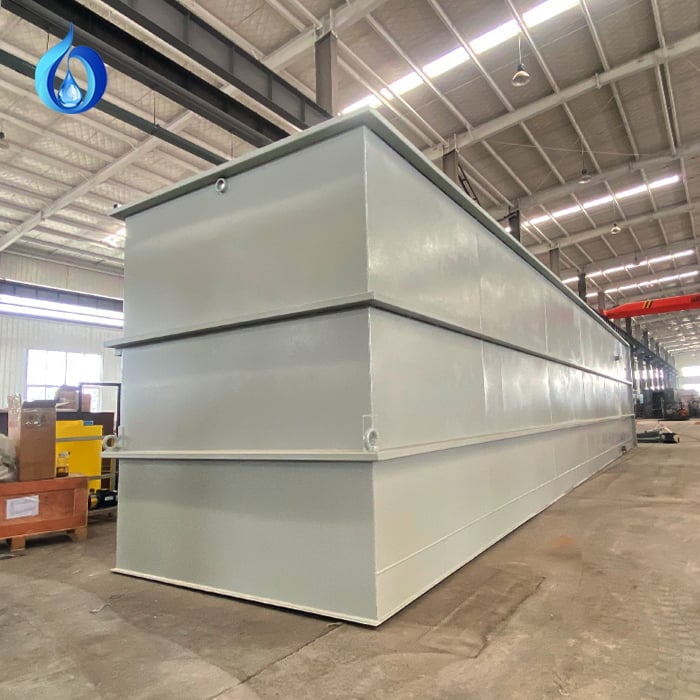
The core question driving facility expansion planning is whether treatment capacity can scale without disruption, downtime, or massive capital reinvestment. A modular wastewater treatment system directly addresses this challenge by allowing incremental expansion. Each module in a modular wastewater treatment system operates independently while integrating with existing treatment stages, meaning you can add treatment capacity in phases that match your production roadmap. Deploying a modular wastewater treatment system reduces financial risk, minimizes operational interruption, and ensures compliance at every growth stage.
Understanding Modular Expansion Logic
How Modular Treatment Capacity Scales
A modular wastewater treatment system built on scalable principles uses parallel or sequential treatment units that can be added as needed. Unlike centralized treatment plants where expanding capacity requires shutting down the entire operation for major upgrades, a modular wastewater treatment system lets you expand incrementally. Early-stage modules handle initial production volumes, and additional units are installed when production thresholds are reached. This staged deployment ensured by a modular wastewater treatment system means your treatment infrastructure evolves in sync with business growth rather than forcing you to over-invest upfront or face compliance violations later.
Key Scalability Features of Modular Systems
A well-engineered modular wastewater treatment system includes several design features that enable seamless scaling. Standardized connections and control interfaces in a modular wastewater treatment system allow new modules to integrate smoothly with existing equipment. The treatment process itself is compartmentalized—screening, clarification, biological treatment, and disinfection stages operate as distinct units within the modular wastewater treatment system. A scalable modular wastewater treatment system also includes flexible piping and utility infrastructure to accommodate additional modules without requiring complete system redesign. Monitoring and control platforms for the modular wastewater treatment system expand effortlessly with new units, maintaining real-time visibility across all processing stages.
Production Growth and Treatment Demand
Matching Treatment Capacity to Production Volumes
Production growth directly drives wastewater generation, and a modular wastewater treatment system must handle corresponding flow increases. Industrial wastewater volumes scale proportionally with manufacturing output—a 50% production increase typically requires 50% additional treatment capacity. With a traditional fixed plant, achieving this expansion means replacing the entire setup at enormous cost, whereas a modular wastewater treatment system eliminates this dilemma by allowing treatment modules to be added incrementally. If your facility projects 30% annual growth over three years, a modular wastewater treatment system can add one module at the end of year one, another in year two, and a third in year three, matching capacity precisely to actual production demand.
Planning for Foreseeable and Contingent Growth
Facilities often face uncertainty about growth timing and magnitude, making it risky to over-build capacity. A modular wastewater treatment system provides the ideal solution: install baseline capacity for current operations, then add units to your modular wastewater treatment system only when production actually increases. This approach conserves capital, reduces energy consumption on underutilized equipment, and preserves footprint space. A smart modular wastewater treatment system layout includes space reserved for future module installation, allowing rapid expansion when needed. The modular wastewater treatment system strategy transforms growth planning into a dynamic, responsive strategy aligned with actual business cycles.
Regulatory Compliance and Operational Efficiency
Maintaining Treatment Standards During Expansion
Environmental regulations set specific effluent quality standards that must be maintained even as production increases. A traditional setup often struggles during expansion transitions, but a modular wastewater treatment system solves this problem by allowing new modules to operate in parallel with existing units. Each module in the modular wastewater treatment system operates independently, so adding capacity does not force system shutdowns or temporary compliance violations. Utilizing a modular wastewater treatment system guarantees continuous, uninterrupted compliance, which is critical for industrial facilities operating under strict discharge permits.
Optimizing Energy and Operational Costs
A modular wastewater treatment system that scales incrementally provides unexpected cost advantages beyond capital savings. Over-sized treatment plants consume excess energy during low-production periods, while a modular wastewater treatment system activates only the modules needed for current throughput. During seasonal production lulls, the modular wastewater treatment system can deactivate excess modules to reduce power consumption, chemical use, and operator oversight. This right-sizing benefit ensures a modular wastewater treatment system remains cost-efficient over time. Maintenance costs for the modular wastewater treatment system scale proportionally with active modules rather than representing a fixed burden across oversized infrastructure.
Implementation Strategy and Future-Proofing
Site Preparation and Infrastructure Planning
A successful modular wastewater treatment system deployment begins with forward-thinking site design. The facility should allocate space not only for current treatment modules but also for anticipated growth stages. Engineers designing a modular wastewater treatment system often create master site plans showing where future modules will be positioned and connected. A well-planned modular wastewater treatment system layout ensures that adding capacity takes weeks rather than months, avoiding production constraints.
Long-Term Scalability and Technology Evolution
A modular wastewater treatment system provides not only production-driven scalability but also technological adaptability. If new treatment techniques emerge or regulatory requirements evolve, individual components within the modular wastewater treatment system can be upgraded without replacing the entire installation. For example, if stricter discharge limits emerge, the biological module in the modular wastewater treatment system can be upgraded while other stages remain unchanged. Upgrading a modular wastewater treatment system incrementally extends equipment lifespan, prevents obsolescence, and allows your facility to stay ahead of regulatory trends.
FAQ
How quickly can a modular wastewater treatment system expand if production suddenly increases?
A modular wastewater treatment system can typically add capacity within 4–12 weeks depending on module size, site preparation, and utility availability. Since modules are pre-engineered and tested, installation is significantly faster than building new fixed plants, and the existing modular wastewater treatment system continues operating seamlessly during expansion.
What is the cost difference between a modular wastewater treatment system and a fixed system?
While initial capital costs for a modular wastewater treatment system may be slightly higher per unit capacity due to modular design features, total lifecycle costs are typically lower. A modular wastewater treatment system spreads capital expenses across growth phases and minimizes wasted energy on underutilized capacity over time.
Can a modular wastewater treatment system maintain compliance during expansion phases?
Yes, a properly engineered modular wastewater treatment system maintains consistent effluent quality throughout expansion because new modules operate in parallel with existing units rather than disrupting flow. Each component in the modular wastewater treatment system is validated before integration to prevent regulatory violations.
 EN
EN