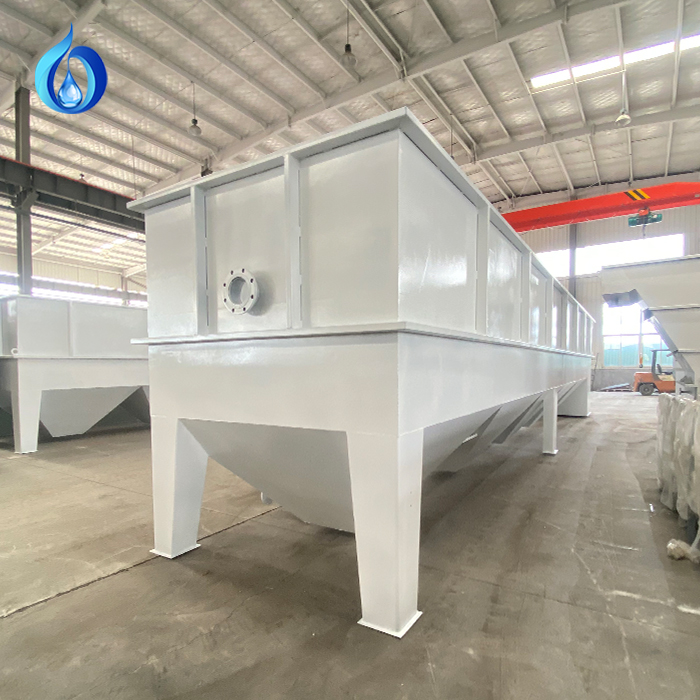
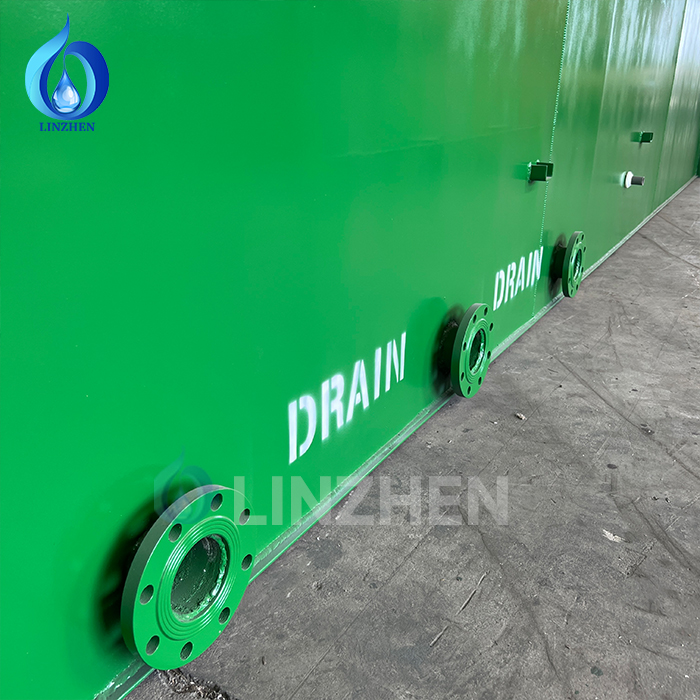
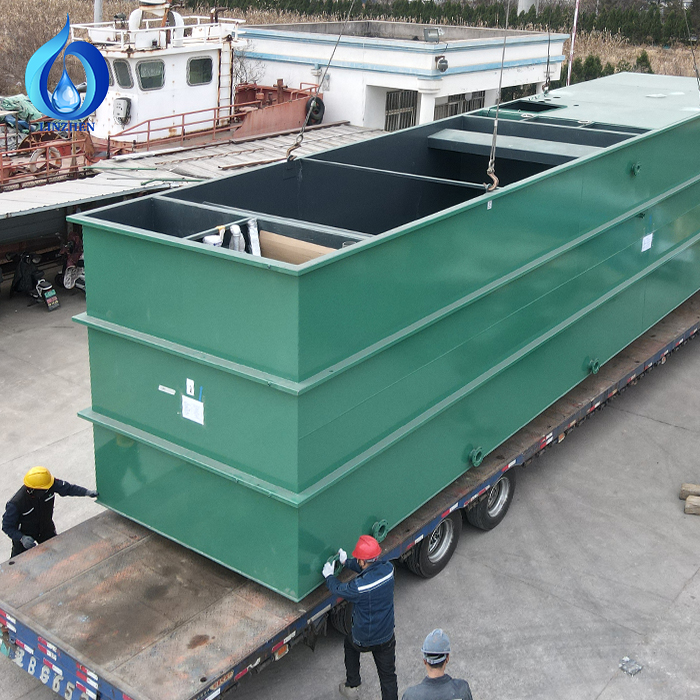
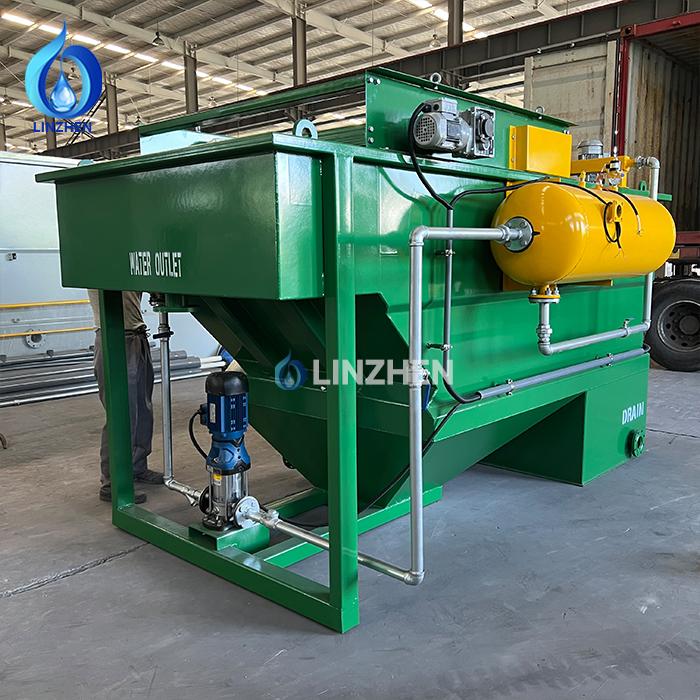
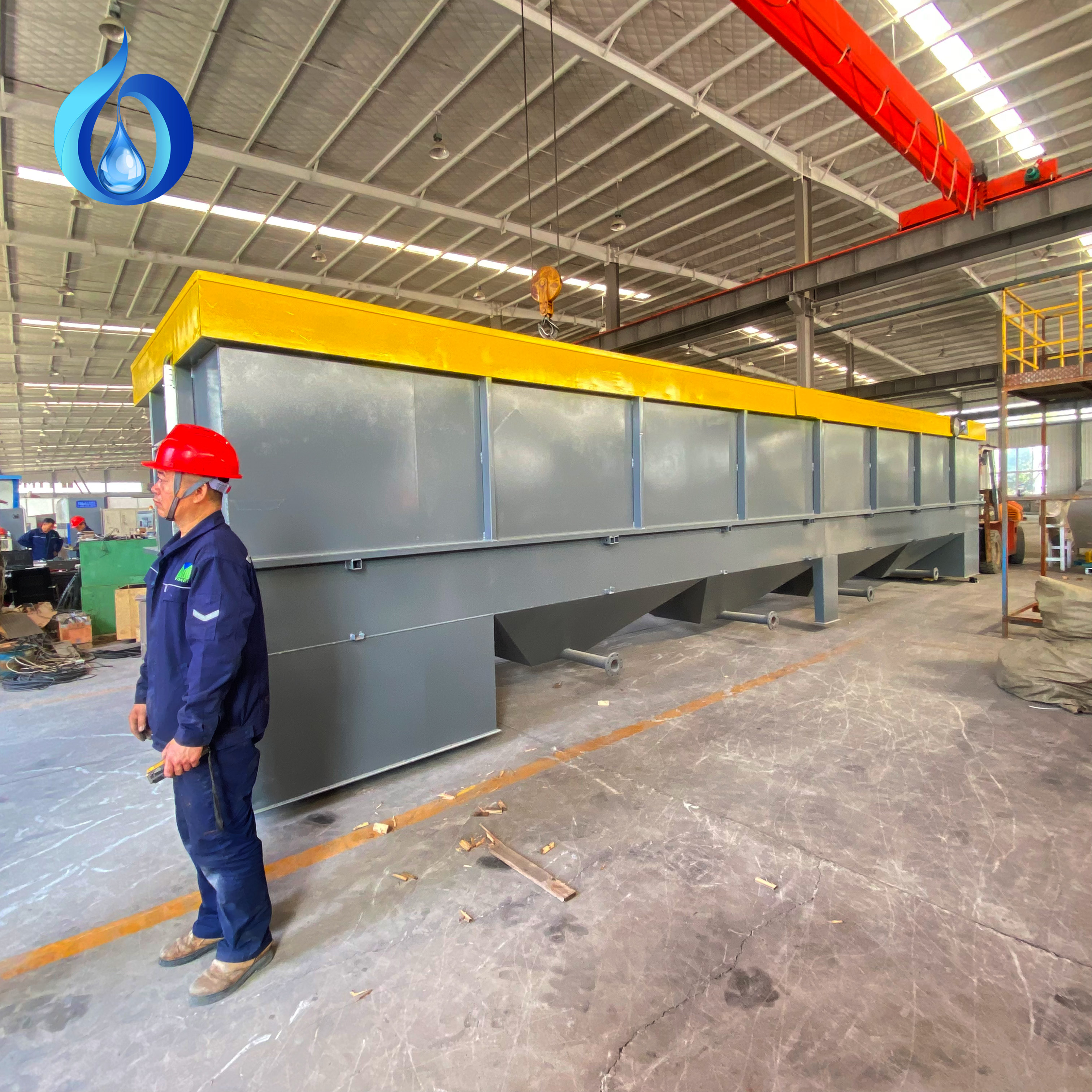
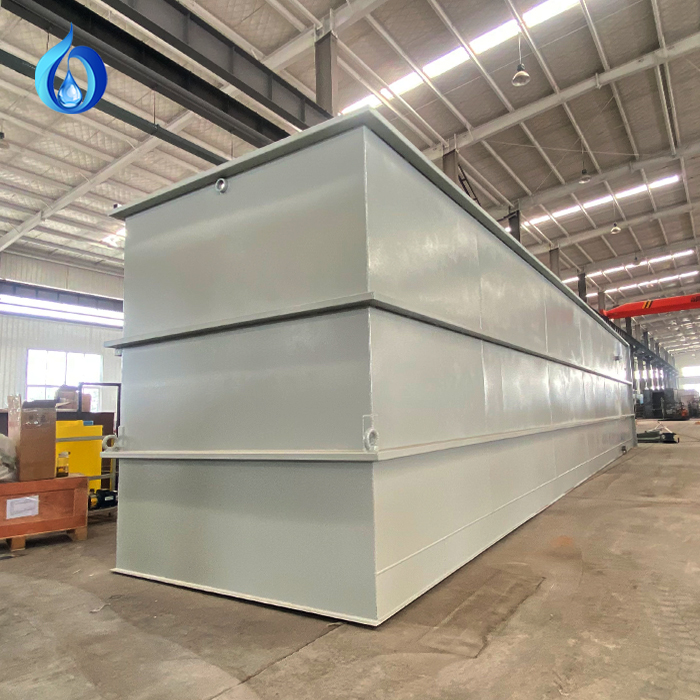
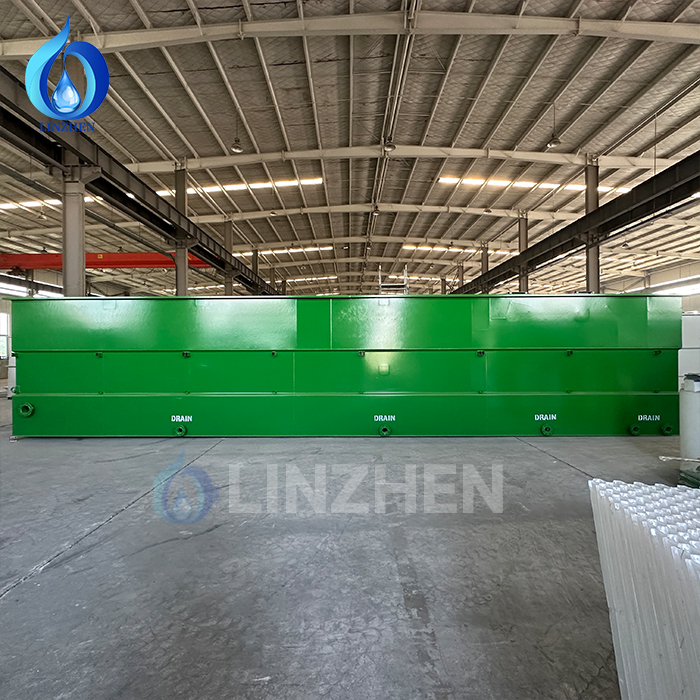
The lamella clarifier has become a cornerstone technology in modern water treatment, and at the heart of its exceptional performance lies a critical component: the plate packs. These engineered plate systems are not simply internal structures but the foundation of what makes a lamella clarifier achieve extended operational life, superior settling efficiency, and reliable contaminant removal. Industrial water treatment managers often overlook the significance of plate pack design, yet this component directly determines whether a lamella clarifier will function optimally for decades or face premature degradation and costly replacements.
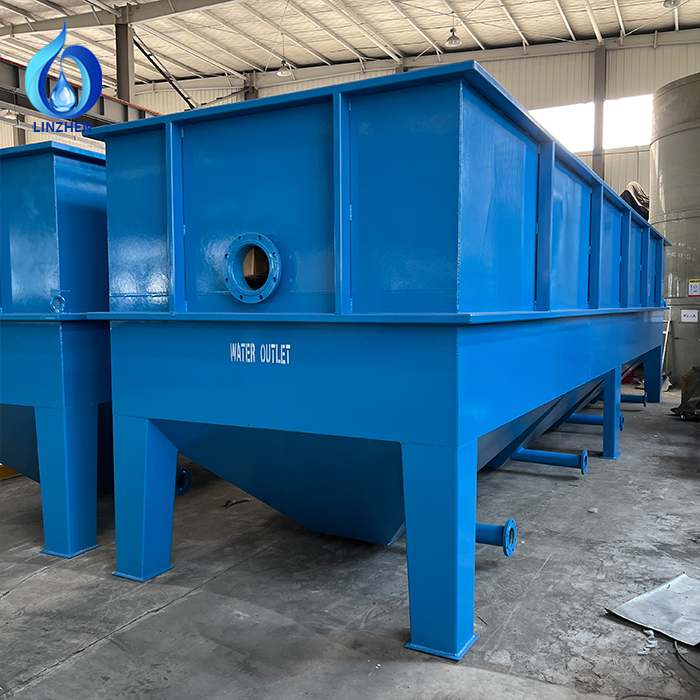
Understanding how plate packs function within an industrial lamella clarifier is essential for facility operators. The structural plate pack configuration dramatically influences residence time, particle settling velocity, and overall throughput capacity. When properly engineered, internal plate packs inside a lamella clarifier maximize sedimentation rates while minimizing energy consumption and operational stress. Evaluating plate pack quality guarantees that every installed lamella clarifier delivers superior treatment performance throughout its service life.
The Critical Role of Plate Packs in Lamella Clarifier Performance
Settling Efficiency and Plate Pack Design
The overall settling efficiency achieved by a modern lamella clarifier depends on the geometric layout and material composition of its internal plate packs. The lamella clarifier utilizes closely spaced parallel plates to generate shallow settlement zones, dramatically expanding the effective settling surface area compared to conventional basins. Each plate is positioned at an optimal angle, typically between 45 and 60 degrees, enabling suspended particles to settle rapidly onto the plate surface while clarified effluent flows upward. The plate spacing in a lamella clarifier is precisely calibrated to balance settling velocity with retention time, ensuring solids are captured before water leaves the tank.
Selecting appropriate materials for internal plate packs within a lamella clarifier directly impacts separation performance and mechanical durability. High-density polyethylene (HDPE) and polypropylene are preferred because they offer exceptional chemical resistance and superior longevity compared to steel or concrete settling basins. When an industrial lamella clarifier utilizes premium plastic plate packs, structural corrosion and scaling are virtually eliminated, enabling the lamella clarifier to maintain consistent solids separation efficiency over long operational horizons.
Residence Time and Throughput Optimization
One major operating advantage of an advanced lamella clarifier is how the engineered plate pack configuration controls fluid residence times. By compressing the separation process into a compact vertical chamber housing multiple plate layers, a compact lamella clarifier achieves high hydraulic throughput without sacrificing effluent clarity. The internal plate pack architecture ensures that incoming water spends sufficient time in the active settling zone while maximizing settling surface area. This hydraulic balance distinguishes a commercial-grade lamella clarifier from basic clarification systems.
The uniform flow distribution created by properly engineered plate packs in a lamella clarifier prevents short-circuiting and ensures equal treatment exposure. When internal plate packs inside a lamella clarifier become worn or corroded, hydraulic dead zones develop, allowing untreated water to bypass settling zones and lowering removal efficiency. Implementing routine inspection and preventive maintenance protocols for plate packs extends the effective working life of lamella clarifier equipment substantially.
Material Durability and Working Life of Lamella Clarifier Units
Corrosion Resistance and Chemical Compatibility
The working life of an industrial lamella clarifier is fundamentally linked to the chemical corrosion resistance of its internal plate packs. In aggressive environments containing acids, alkaline compounds, or harsh minerals, lower-grade plate materials degrade rapidly, causing structural failure. A high-efficiency lamella clarifier fitted with chemically inert plate packs maintains structural integrity across wide pH ranges from 2 to 12. This chemical resilience makes the lamella clarifier ideal for municipal wastewater, industrial process water, and mining effluent streams.
Mineral scaling represents another critical factor influencing the long-term working life of a lamella clarifier. When hard water passes through a lamella clarifier equipped with standard plate packs, mineral salts build up quickly, restricting inter-plate flow channels. Premium plate packs installed in a high-capacity lamella clarifier feature anti-fouling surface coatings or smooth hydrophobic materials, preventing scale accumulation and preserving design flow rates for years of continuous operation.
Impact Loading and Structural Resilience
Industrial processing facilities frequently experience volatile wastewater influent conditions, including severe hydraulic surges and high-solids loading spikes. The structural resilience of internal plate packs in a lamella clarifier determines whether the system can withstand these operational stresses without permanent deformation. Modern lamella clarifier engineering incorporates reinforced plate packs with corrugated surface profiles, enhancing mechanical rigidity while preserving the thin-profile geometry that keeps the lamella clarifier footprint compact.
When a high-performance lamella clarifier benefits from rigorous engineering and uses impact-resistant polymer materials for its plate packs, the system comfortably absorbs surge flows without plate buckling. This structural resilience distinguishes low-cost equipment that breaks down early from robust systems that operate continuously for 15 to 20 years. Facilities upgrading to advanced lamella clarifier designs equipped with premium plate packs frequently report that maintenance expenses decrease by 40 to 60 percent.
Maintenance Best Practices for Sustaining Lamella Clarifier Plate Pack Life
Regular Inspection and Preventive Maintenance Protocols
Maximizing the operational working life of a commercial lamella clarifier requires systematic inspection routines focused on plate pack health. Operations personnel should perform monthly visual checks to detect early signs of cracking or distortion within the plate assembly. Quarterly water sampling collected from inside the lamella clarifier helps identify early signs of internal scaling before performance deteriorates. Implementing these proactive maintenance measures represents the most cost-effective strategy to maximize total lamella clarifier working life.
Integrating isolation valves allows site technicians to inspect and clean internal plate packs in a lamella clarifier without taking the entire treatment plant offline. When retrofitting a commercial lamella clarifier system, incorporating modular access features minimizes downtime. Operating teams that utilize modular plate pack assemblies can easily service individual plate modules without taking the complete lamella clarifier out of service.
Chemical Cleaning and Sludge Management
Biological biofilm growth and mineral scaling accelerate the aging of internal plate packs in a lamella clarifier. Implementing periodic chemical wash cycles effectively removes adhered mineral scale and prevents inter-plate channels from becoming obstructed. The required frequency of chemical cleaning depends on influent water characteristics and the target service life of the lamella clarifier; severe scaling applications demand quarterly cleaning, whereas mild streams require maintenance annually.
Effective sludge management directly influences the active working life of a lamella clarifier because excessive sludge buildup at the base of the plate pack reduces settling volume and increases system pressure. Plant operators must establish routine sludge withdrawal schedules aligned with daily influent solids loads and the design capacity of the lamella clarifier. Advanced lamella clarifier equipment features sloped collection hoppers paired with automated sludge removal mechanisms, preserving long-term plate pack functionality.
FAQ
Why do high-quality plate packs make a lamella clarifier last longer?
High-quality plate packs provide superior resistance against chemical corrosion, scaling, and mechanical stress. A lamella clarifier equipped with heavy-duty polymer plate packs maintains consistent flow dynamics and structural stability for 15 to 20 years, whereas lower-grade materials degrade quickly and cause early system failure.
What are the early warning signs that lamella clarifier plate packs need replacement?
Common indicators include degrading effluent water clarity, uneven surface flow distribution, visible structural cracking on plates, and elevated differential pressure readings inside the lamella clarifier. Addressing these early signs prevents unexpected operational shutdowns.
How does plate pack maintenance extend the working life of a lamella clarifier?
Routine chemical descaling, scheduled sludge removal, and regular mechanical inspections prevent aggressive scaling and channel clogging on plate surfaces. Proper maintenance preserves optimal hydraulic conditions inside the lamella clarifier, allowing the equipment to operate reliably for its full intended service life.
 EN
EN