Food processing facilities generate wastewater containing stringy solids, fats, and fibers that present unique challenges for biological treatment systems. The mbbr system has become increasingly popular for treating industrial effluent, but operators frequently ask whether the moving bed biofilm reactor technology can handle the demanding conditions of food industry wastewater without experiencing carrier media clogging. Understanding the vulnerability of plastic biofilm carriers and the actual mechanisms behind potential blockages is essential for facilities planning biofilm-based treatment solutions.
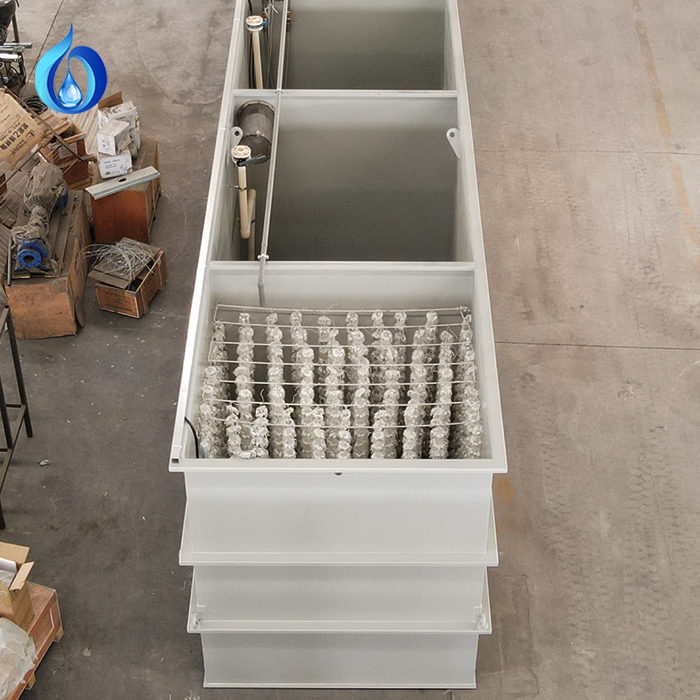
A moving bed biofilm reactor operates by suspending plastic biofilm carriers in an aerated tank, allowing microorganisms to form biofilm colonies on the media surfaces while the carriers move freely. This continuous motion theoretically prevents solid accumulation, yet food processing discharge introduces specific challenges. Stringy materials from cutting operations, fiber fragments from vegetable processing, and lipid-based substances create genuine clogging risks that differ from municipal wastewater. Success depends not on whether clogging can occur, but rather on how effectively pre-treatment, aeration design, and biofilm carrier media selection mitigate these industrial realities.
Understanding Biofilm Carrier Media Vulnerability
How Stringy Solids Interact with Plastic Biofilm Carriers
Stringy food waste such as cellulose fibers, connective tissue fragments, and plant material presents clogging hazards because these materials can wrap around biofilm carrier media during circulation. The moving bed biofilm reactor's carriers, while designed to move freely, may become partially obstructed when stringy content accumulates in the spaces between individual carrier units or within the internal pores of some plastic biofilm carriers. Unlike grease alone, stringy materials create a physical blockage mechanism that pure aeration cannot entirely overcome. The velocity and turbulence required to prevent wrapping must be carefully balanced against energy costs and the risk of excessive shear on the developing biofilm itself.
Role of Carrier Media Design in Clogging Resistance
Plastic biofilm carriers vary significantly in geometric design, pore size, and surface characteristics. Carriers with larger open passages and smoother internal surfaces resist clogging better than designs featuring tight spirals, narrow channels, or small protected pores. A moving bed biofilm reactor system using carriers with intricate internal geometries, while offering high surface area for biofilm growth, may trap stringy debris more readily than simpler designs with open architecture. Food industry operators must recognize that biofilm carrier media selection directly influences vulnerability to stringy material entanglement, making design specifications a critical decision point during system specification and implementation.
Practical Prevention and Mitigation Strategies
Pre-Treatment to Reduce Stringy Solids Loading
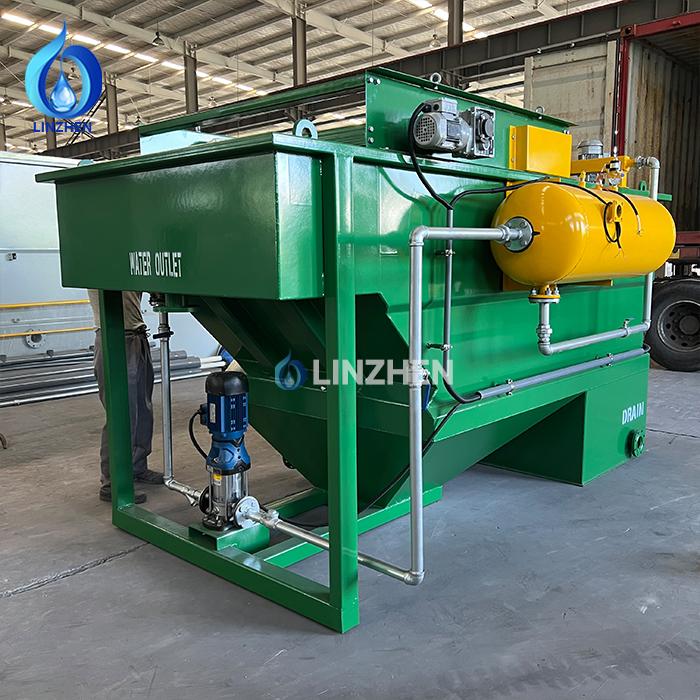
The most effective defense against carrier clogging in a mbbr system for food processing is rigorous upstream pre-treatment. Screening systems with appropriately sized mesh, dissolved air flotation units for fat removal, and centrifugal separation for fiber recovery substantially reduce the stringy material reaching the moving bed biofilm reactor tank. Food facilities employing multi-stage pre-treatment report significantly lower operational issues with plastic biofilm carriers. Fine screens between 2 and 6 millimeters are standard recommendations, though food-specific waste streams may justify even finer protection. This front-end investment reduces both clogging frequency and maintenance demands throughout the biofilm carrier media lifespan, improving overall system reliability.
Aeration and Tank Design Optimization
Adequate aeration maintains carrier movement that prevents static accumulation of stringy debris on biofilm carrier media surfaces. A mbbr system must provide sufficient oxygen transfer while ensuring bulk fluid mixing velocity keeps carriers in continuous motion. Specific air requirements for food processing applications typically range from 8 to 12 cubic meters per hour per cubic meter of tank volume, higher than municipal wastewater due to the increased risk of material settling. Tank geometry also matters; designs avoiding dead zones and corners reduce locations where stringy solids can accumulate undisturbed. Many food industry facilities have reported successful results by combining optimized aeration rates with baffle configurations that maintain consistent flow patterns throughout the moving bed biofilm reactor.
Maintenance and Monitoring Protocols
Regular inspection of plastic biofilm carriers within a mbbr system reveals early signs of clogging before they escalate into treatment performance loss. Visual assessment during routine maintenance checks can identify whether stringy material accumulation is beginning and whether carrier media cleanliness requires intervention. Some facilities implement periodic carrier extraction and cleaning, while others employ enzymatic additives to prevent biofilm thickness that might trap debris. Monitoring effluent quality metrics such as suspended solids, biochemical oxygen demand, and solids retention time provides early warning that carrier function is degrading. Proactive monitoring converts clogging from an emergency into a managed operational parameter, allowing operators to respond systematically rather than reactively.
Real-World Performance in Food Processing
Case Study Context: Meat Processing and Dairy Applications
Meat processing facilities represent one of the most challenging applications for a mbbr system due to high protein content, bone fragments, and tissue strings that emerge from cutting and cleaning operations. Dairy processing similarly generates stringy casein particles and fat globules that stress biofilm carrier media. Facilities in both sectors that deployed moving bed biofilm reactor systems reported manageable clogging when pre-treatment was comprehensive and aeration design met or exceeded industry guidance. Installations lacking adequate screening experienced carrier blockage within weeks, while well-designed systems with proper pre-treatment maintained stable performance over multiple years. These real-world outcomes confirm that stringy food waste presents genuine challenges to plastic biofilm carriers, yet proper engineering and maintenance prevent clogging from becoming an inherent system limitation.
Operational Cost Implications and System Robustness
Clogging in a mbbr system translates directly into maintenance labor, potential downtime, replacement carrier media costs, and reduced treatment efficiency. Food processing facilities must budget for additional oversight compared to municipal installations, particularly during the initial operational period when flow patterns and waste characterization are being established. The moving bed biofilm reactor technology remains economically attractive for food industry applications because it processes high-strength wastewater with reliable biofilm treatment performance when properly maintained. However, operators must acknowledge that stringy solids require investment in pre-treatment infrastructure and more frequent monitoring than lower-strength municipal applications. The total cost of ownership for a mbbr system in food processing reflects this reality rather than representing an unusual burden; the technology provides superior performance relative to alternative biological treatment methods for industrial waste streams.
FAQ
Can a mbbr system handle food industry wastewater without any clogging risk?
No mbbr system is entirely immune to clogging when treating food processing wastewater, but stringy material accumulation is a manageable operational challenge rather than a fatal design flaw. Modern moving bed biofilm reactor systems with proper pre-treatment screening, optimized aeration, and appropriate plastic biofilm carriers operate successfully across the food industry. Complete elimination of clogging risk is unrealistic, but well-designed systems reduce clogging frequency to minor maintenance events occurring at manageable intervals rather than chronic operational problems.
What biofilm carrier media designs resist clogging best in food applications?
Plastic biofilm carriers with open geometric designs, larger internal passages, and smoother surfaces resist stringy material entanglement more effectively than carriers with intricate internal geometry and small protected pores. Carriers featuring external fins or kelp-like structures, common in a mbbr system design, naturally shed wrapped fibers during circulation better than compact designs. Selection should prioritize surface area sufficient for adequate biofilm growth while avoiding unnecessarily complex internal architecture that provides hiding places for stringy debris accumulation.
How often should operators inspect and clean biofilm carriers in food processing installations?
Inspection frequency depends on specific wastewater characteristics, pre-treatment effectiveness, and aeration design; however, monthly visual assessments are a practical minimum for food processing facilities operating a mbbr system. If visual inspection reveals accumulating stringy material on plastic biofilm carriers, cleaning frequency should increase. Many facilities perform quarterly carrier extraction and manual cleaning during initial startup phases, then reduce frequency as operational patterns stabilize. Continuous monitoring of treatment performance metrics provides data-driven guidance for adjusting inspection and maintenance schedules specific to each installation's characteristics.
 EN
EN