Industrial plants face mounting pressure to treat wastewater efficiently while meeting strict environmental regulations and controlling operational costs. One technology that has proven indispensable for pre-treatment applications is dissolved air flotation, a proven method that removes suspended solids, oils, and contaminants before water enters primary treatment stages. Understanding why dissolved air flotation delivers superior results helps plant managers make informed investment decisions that directly impact both compliance and profitability.
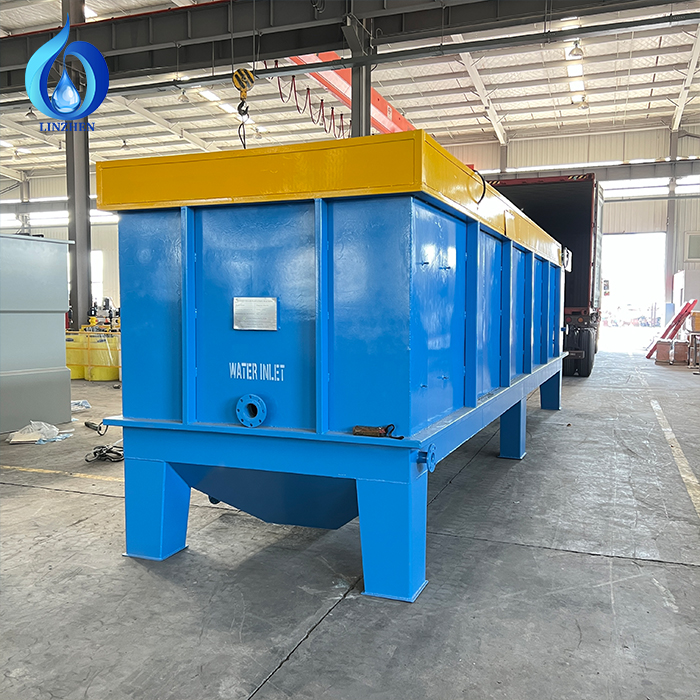
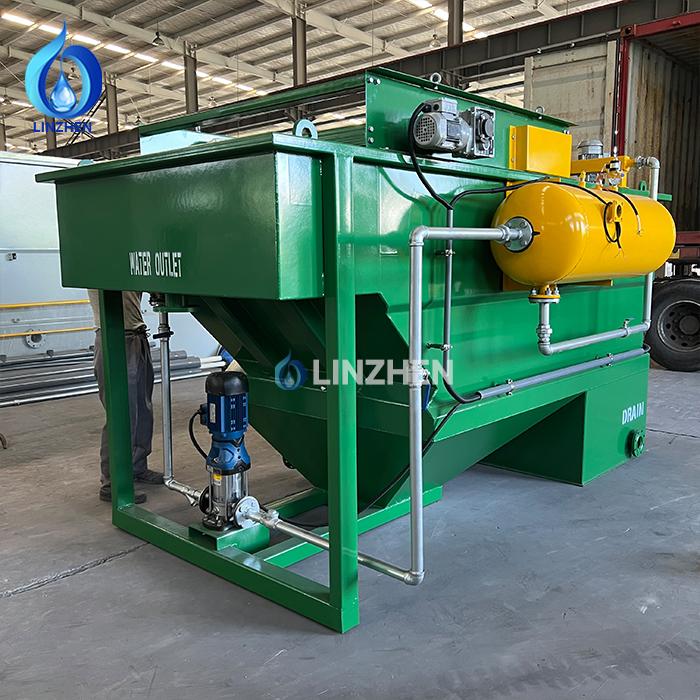
Dissolved air flotation operates on a straightforward yet effective principle: pressurized water containing fine air bubbles is released into a treatment tank, where these microscopic bubbles attach to suspended particles and lift them to the surface for removal. This mechanism makes dissolved air flotation particularly effective for applications where traditional settling methods fall short, especially when dealing with low-density solids, oils, and grease that resist gravity separation.
The Core Advantages of Dissolved Air Flotation for Pre-Treatment
Superior Removal Efficiency and Speed
One primary reason plants implement dissolved air flotation is its exceptional ability to remove contaminants rapidly and thoroughly. Unlike conventional clarification systems that rely on gravity alone, dissolved air flotation uses buoyancy forces to lift particles upward, creating a natural separation mechanism that achieves higher solids removal rates in a shorter retention time. Industrial operators report that dissolved air flotation typically removes 90 percent or more of suspended solids and 85 to 95 percent of oils and fats within just 15 to 30 minutes, compared to settling tanks that require several hours.
The speed advantage of dissolved air flotation directly translates to smaller footprint requirements and reduced tank volumes, making it economically attractive for plants with space constraints or those looking to upgrade existing facilities without major civil works. When dissolved air flotation pre-treats wastewater before it enters secondary processes, downstream equipment operates more efficiently, reducing fouling and maintenance costs significantly.
Enhanced Performance with Difficult Wastestreams
Many plants struggle with wastestreams containing emulsified oils, colloidal particles, and other substances that resist traditional separation methods. Dissolved air flotation excels precisely where gravity settling fails because the fine bubble technology overcomes these challenges. When coagulants and flocculants are dosed properly upstream, dissolved air flotation can aggregate these difficult contaminants into larger flocs that readily attach to bubbles and float to the surface.
Food processing facilities, petroleum refineries, and chemical manufacturers have discovered that dissolved air flotation handling of their complex wastestreams produces cleaner effluent and reduces the load on subsequent biological treatment stages. This capability makes dissolved air flotation an investment that pays dividends across the entire treatment train.
Economic and Operational Benefits of Installing Dissolved Air Flotation
Lower Operating and Maintenance Costs
Capital and operating costs drive facility-wide decisions, and dissolved air flotation proves its value in this arena by reducing both. The energy required to operate dissolved air flotation equipment is significantly lower than energy-intensive alternatives like centrifuges, and the lack of moving parts inside the flotation tank means fewer wear items and simpler maintenance routines. Dissolved air flotation systems typically operate with minimal supervision once properly tuned, reducing labor costs compared to manual separation methods.
Sludge disposal represents another substantial savings opportunity when plants choose dissolved air flotation. Because dissolved air flotation produces concentrated sludge that settles quickly and contains lower moisture content than gravity-settled sludge, downstream dewatering steps become more efficient, reducing polymer consumption and landfill volumes. These cumulative savings often justify dissolved air flotation investment within two to four years of operation.
Regulatory Compliance and Quality Assurance
Environmental agencies increasingly mandate specific effluent quality standards for suspended solids, oils, and total organic load before discharge or reuse. Dissolved air flotation delivers consistent removal performance that helps plants achieve and maintain compliance with these regulations without costly chemical overfeeds. The predictable nature of dissolved air flotation pre-treatment also provides a stable influent quality to secondary treatment systems, improving their reliability and reducing the risk of permit violations.
Operators appreciate that dissolved air flotation documentation is straightforward and auditable; bubble pressure, water temperature, polymer addition, and sludge level are all easily monitored and recorded for regulatory reporting. This transparency builds confidence with environmental inspectors and demonstrates due diligence in wastewater management.
Implementation Considerations and Best Practices for Dissolved Air Flotation
System Design and Feed Characteristics
Successful dissolved air flotation implementation begins with accurate wastewater characterization and system sizing. The influent dissolved solids concentration, oil content, particle size distribution, and temperature all influence whether dissolved air flotation will achieve target performance. A well-designed dissolved air flotation system includes careful pre-treatment chemistry selection, proper pressurization and bubble generation, and optimized contact time to ensure maximum separation efficiency.
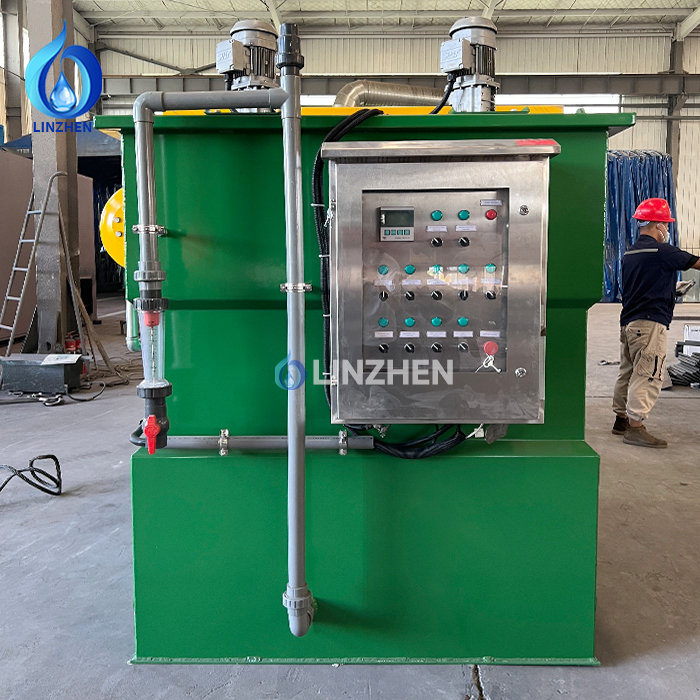
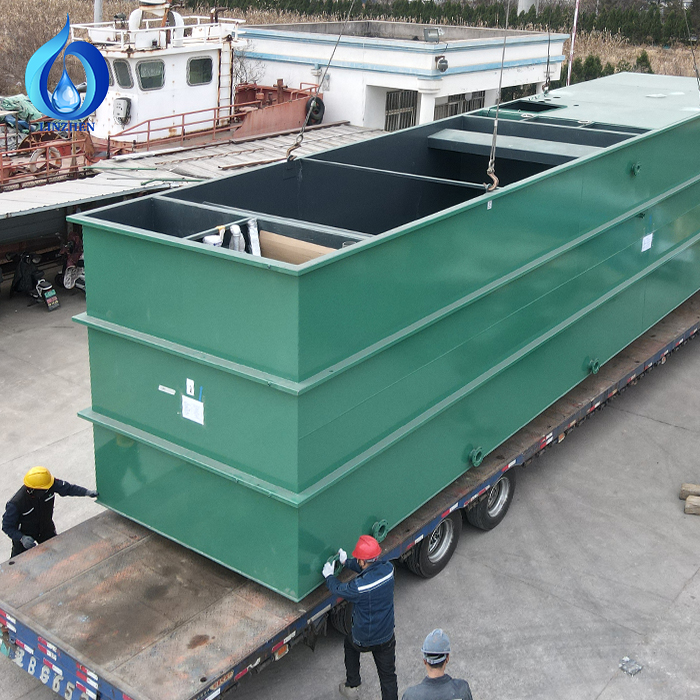
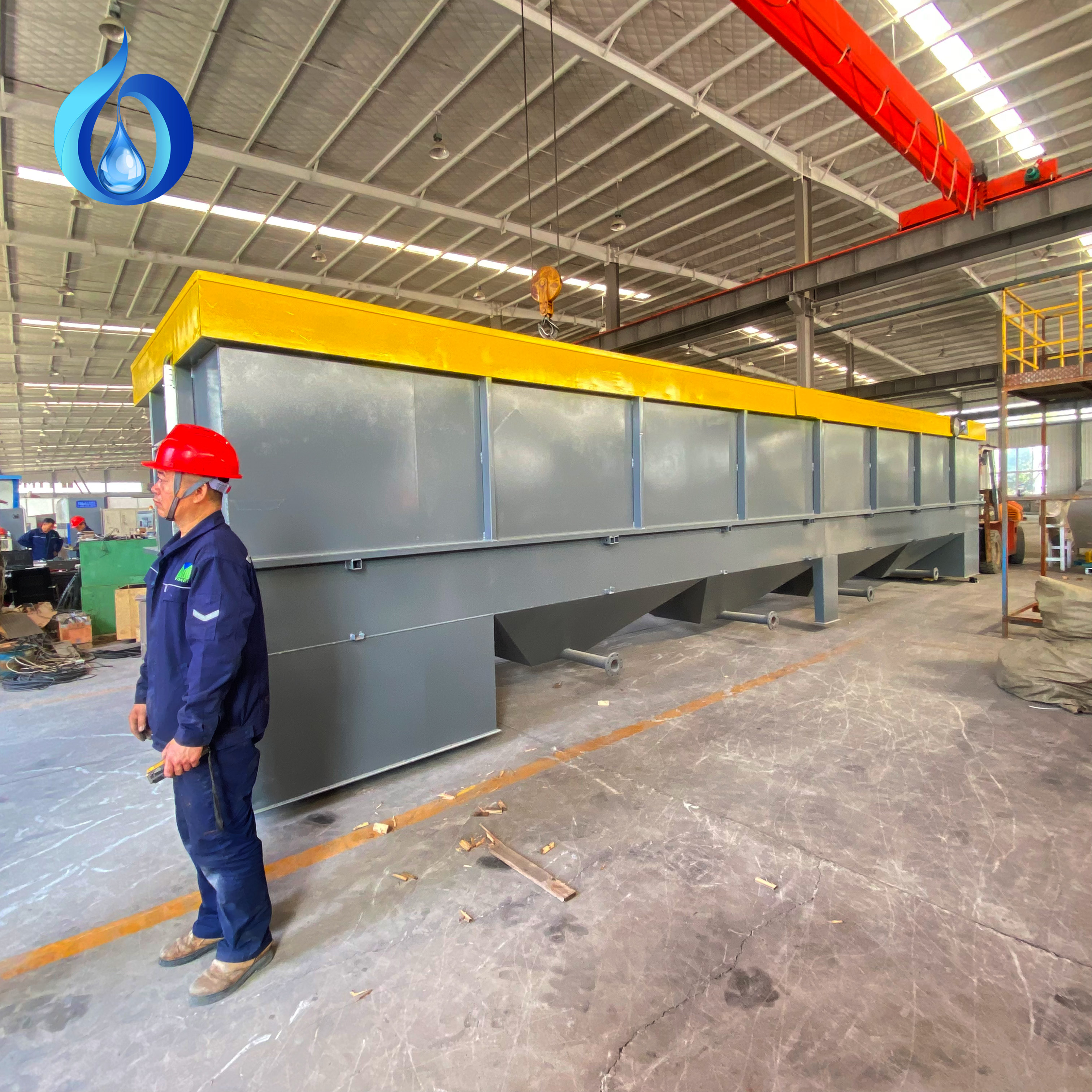
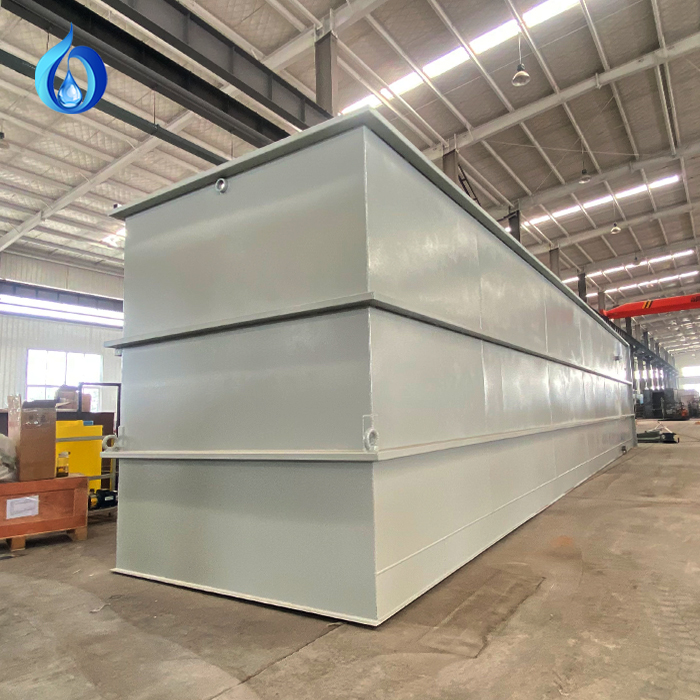
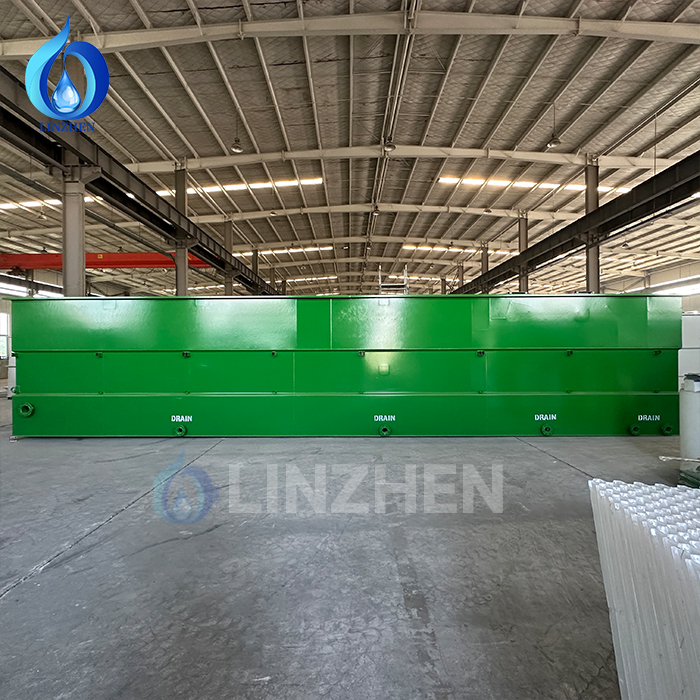
Engineers typically specify dissolved air flotation tanks with multiple compartments to allow for coagulation, flocculation, and separation stages in a single vessel, maximizing space utilization and operational simplicity. The sizing of dissolved air flotation equipment depends on peak flow rates, required retention time, and desired sludge concentration, all of which must be validated through pilot testing before full-scale deployment.
Integration with Existing Treatment Infrastructure
Plants deciding to adopt dissolved air flotation should evaluate how this technology integrates with their current treatment processes. Dissolved air flotation serves as an excellent pre-treatment stage ahead of biological reactors, membrane systems, or advanced oxidation processes, ensuring cleaner feed material and extended equipment life. The sludge removed by dissolved air flotation can be directed to existing dewatering equipment, minimizing modifications to plant infrastructure.
Operators should also consider automation features that make dissolved air flotation easier to control and monitor. Modern dissolved air flotation systems include sensors for sludge blanket level, overflow rate, and bubble size, allowing remote adjustments to optimize performance without manual intervention. This integration with existing SCADA systems makes dissolved air flotation a seamless addition to the plant's operational ecosystem.
FAQ
What industries benefit most from dissolved air flotation technology?
Dissolved air flotation is particularly valuable in food and beverage processing, petrochemical refining, metal finishing, pulp and paper production, and pharmaceutical manufacturing. Any facility handling wastewater with oils, suspended solids, or low-density contaminants that resist gravity settling can benefit from dissolved air flotation. Municipal and industrial treatment plants managing high-flow applications also appreciate the space-saving and cost-efficiency that dissolved air flotation delivers compared to conventional clarification.
How does dissolved air flotation differ from traditional clarifiers?
Traditional clarifiers rely on gravity to settle particles, requiring longer retention times and larger tank volumes, whereas dissolved air flotation uses fine bubbles to lift contaminants to the surface, achieving separation in minutes instead of hours. Dissolved air flotation also handles emulsified oils and colloidal particles far more effectively than gravity settling alone. This speed and efficiency advantage makes dissolved air flotation the preferred choice when rapid pre-treatment and compact footprints are essential.
What maintenance requirements does dissolved air flotation demand?
Dissolved air flotation systems require regular but straightforward maintenance including sludge removal, polymer feed system inspections, and occasional cleaning of the dissolution chamber and bubble generation nozzles. Unlike centrifuges or other mechanical separators, dissolved air flotation has no high-speed rotating components, dramatically reducing wear and maintenance costs. Most plants schedule quarterly preventive maintenance and monitor key operating parameters daily, ensuring reliable performance with minimal downtime.
 EN
EN