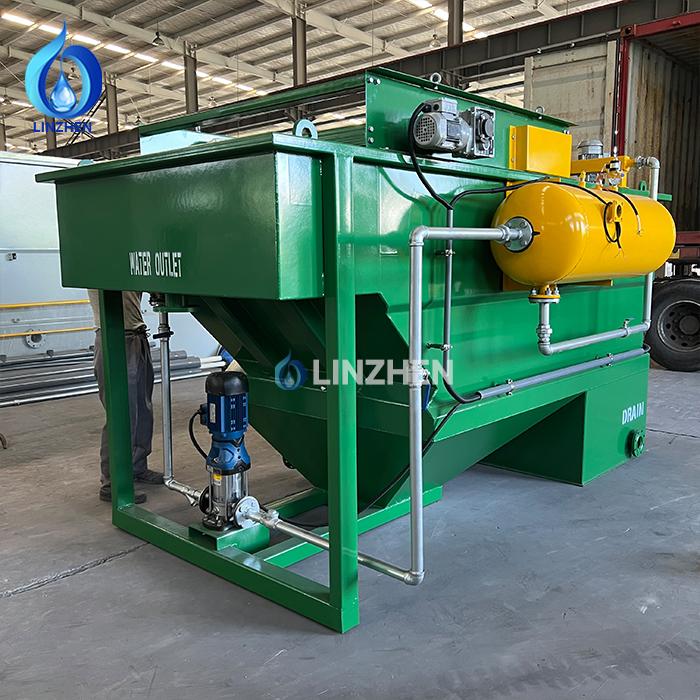
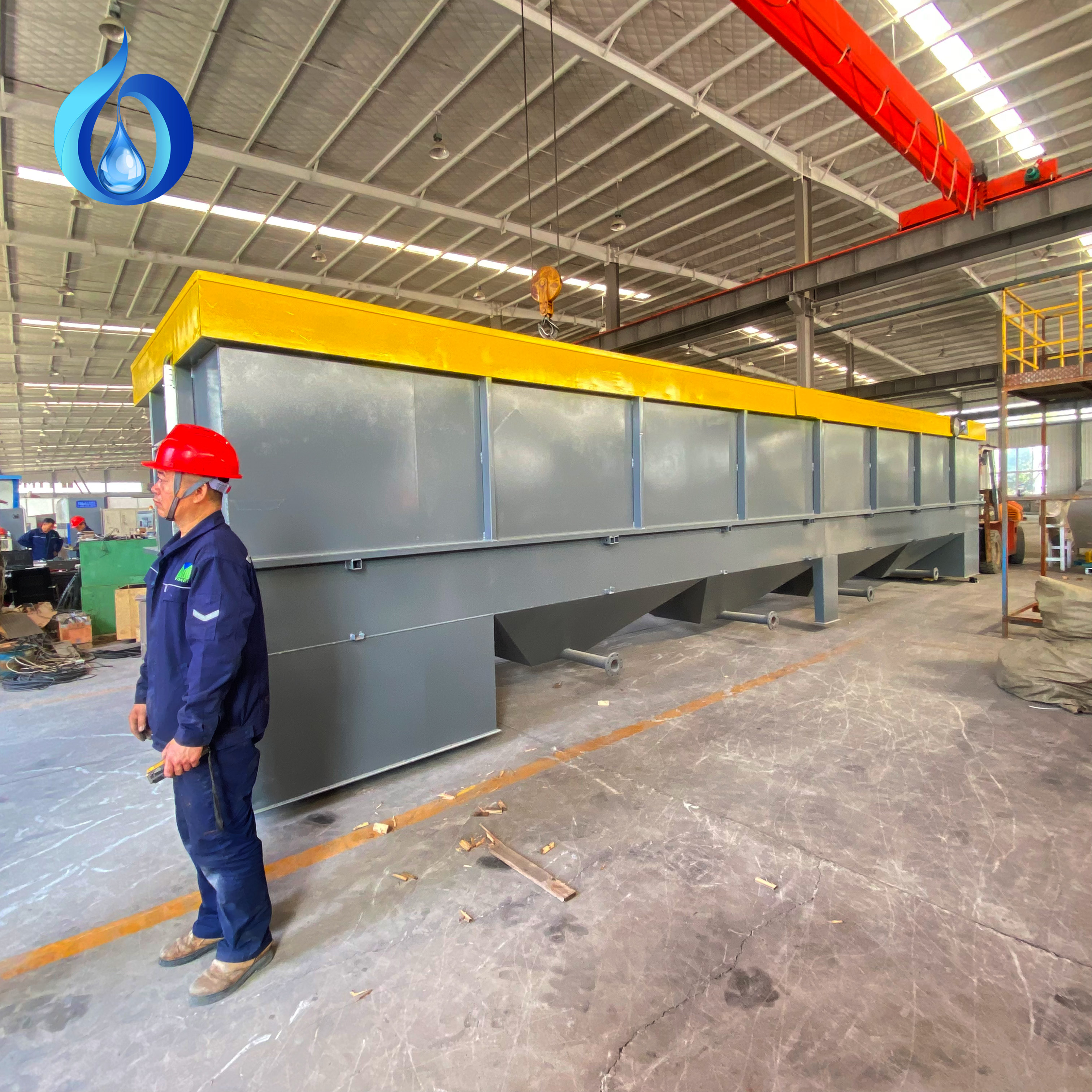
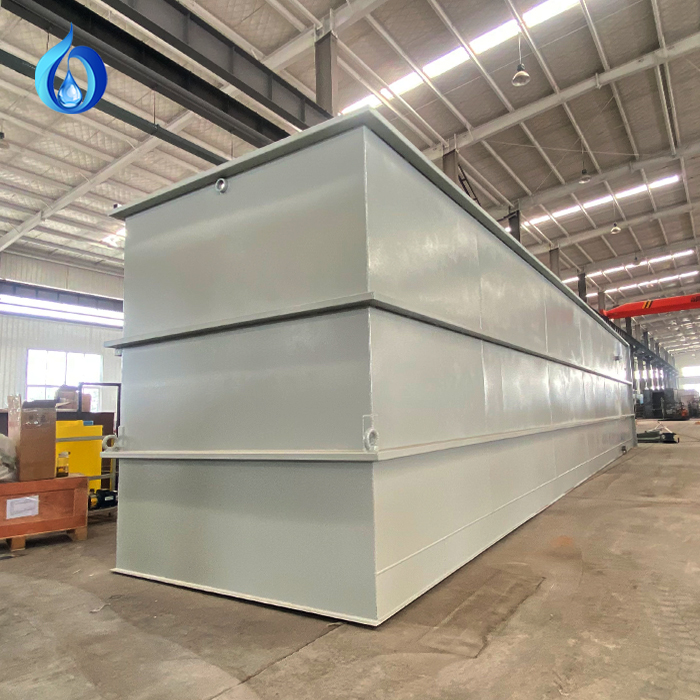
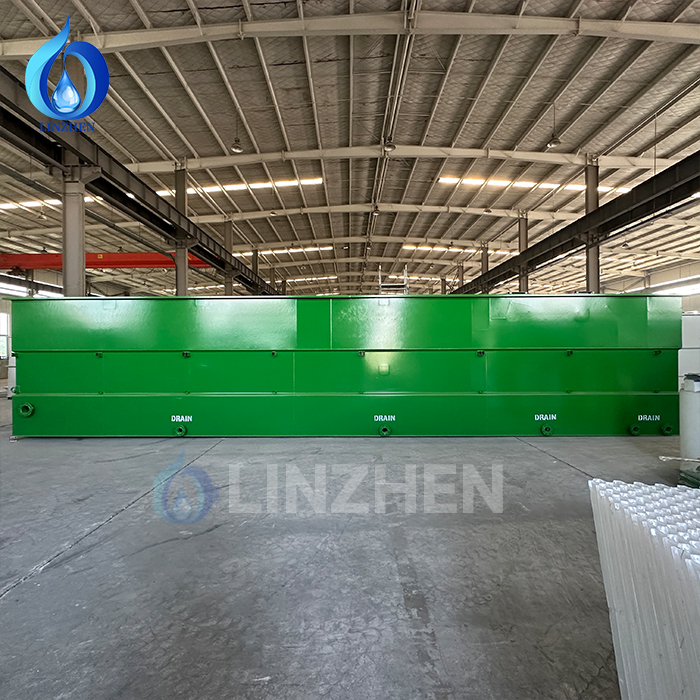
Industrial production facilities face heightened public and legal scrutiny regarding their environmental footprint, making proactive liquid effluent management an essential operational priority. Implementing a modern wastewater recycling system converts process waste into a reusable resource rather than an expensive environmental liability. Factory managers experiencing stringent discharge regulations, rising municipal utility rates, and regional water stress find that adopting an advanced wastewater recycling system addresses manufacturing compliance requirements while directly improving bottom-line profitability and brand reputation.
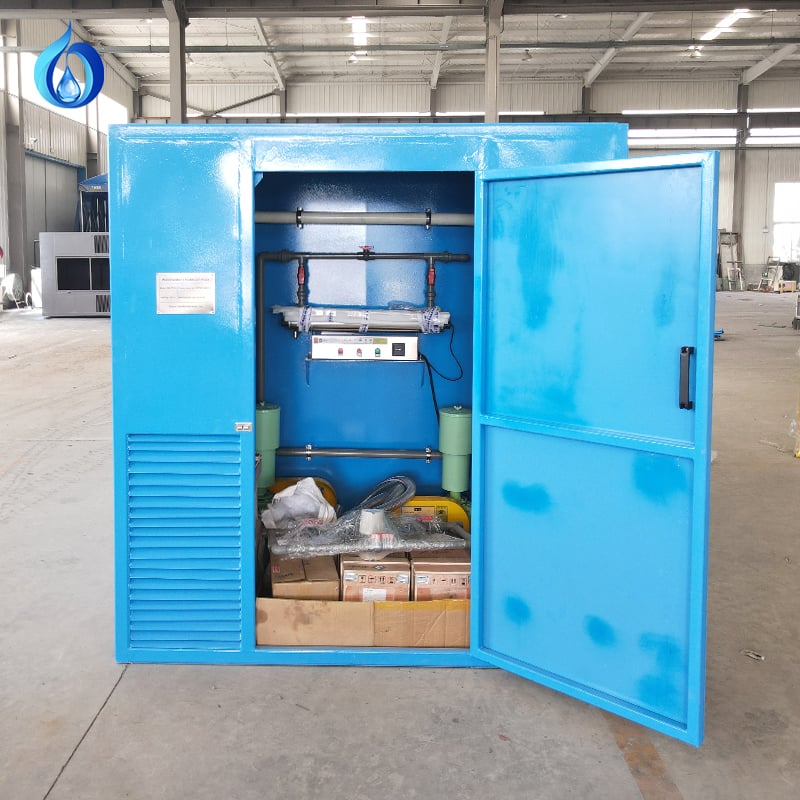
Environmental enforcement agencies continue to tighten legal discharge thresholds, dramatically increasing financial penalties for non-compliant industrial facilities. A custom-engineered wastewater recycling system delivers the robust filtration infrastructure needed to satisfy evolving discharge permits while driving comprehensive industrial water reuse strategies. Integrating a high-efficiency wastewater recycling system protects manufacturing operations against unexpected regulatory shutdowns, protects localized watersheds, and establishes long-term water independence for heavy industrial sites.
Legal Compliance Assurance and Regulatory Risk Mitigation
Meeting Effluent Quality Permits through Wastewater Treatment for Manufacturers
Regulatory permits mandate strict limits on suspended solids, chemical oxygen demand, dissolved metals, and biological contaminants before factory effluent enters municipal sewer networks. Deploying an automated wastewater recycling system enables precise multi-stage purification, ensuring that outgoing water consistently meets or exceeds statutory limits. Utilizing specialized wastewater treatment for manufacturers prevents unannounced inspection failures, facility suspension orders, and criminal liabilities. A properly operated wastewater recycling system offers transparent, verifiable discharge records, demonstrating consistent environmental due diligence to government inspectors.
Regulatory Risk Mitigation and Financial Penalty Prevention
Non-compliance with municipal or federal water standards carries severe financial consequences, with daily penalties quickly reaching six-figure sums. Beyond direct fines, non-compliant factories face costly litigation from public interest groups and local communities. Investing in a certified wastewater recycling system serves as a reliable defense against financial exposure and regulatory sanctions. Achieving effective regulatory risk mitigation via an automated wastewater recycling system safeguard corporate assets and ensures uninterrupted production schedules.
Financial Savings and Resource Efficiency
Reducing Municipal Fresh Water Purchases via Industrial Water Reuse
Procuring fresh water for cooling towers, boiler feed, and equipment washdown represents a major recurring operational expense for manufacturing plants. A closed-loop wastewater recycling system purifies process effluent for immediate internal reuse, significantly decreasing reliance on city water supplies. Implementing systematic industrial water reuse through an advanced wastewater recycling system routinely replaces 40 to 70 percent of a plant's freshwater demand. Lowering fresh water intake shields industrial operations against local water restrictions and municipal utility price increases.
Cutting Municipal Sewer Discharge Charges
Sewer authorities calculate commercial discharge fees based on total volumetric throughput and contaminant concentrations. An industrial wastewater recycling system drastically reduces the volume and pollutant concentration of wastewater released into public sewer mains. Reducing off-site discharge through a wastewater recycling system delivers substantial annual savings on sewer surcharges. Furthermore, reducing municipal utility load often qualifies facilities for local conservation grants, tax credits, and rebates, improving the payback profile of specialized wastewater treatment for manufacturers.
Commercial Sustainability and Corporate Reputation
Enhancing Brand Reputation with Sustainable Manufacturing Compliance
Modern enterprise buyers, institutional investors, and end-use consumers prefer partnering with environmentally responsible manufacturers. Operating a clean wastewater recycling system provides clear, quantifiable evidence of responsible water stewardship. Highlighting a closed-loop wastewater recycling system in corporate social responsibility (CSR) reporting strengthens consumer trust, helps maintain ISO 14001 environmental management certifications, and secures commercial advantage during competitive procurement tenders that evaluate vendor sustainability metrics.
Supporting Circular Economy Frameworks in Heavy Industry
Linear manufacturing models that draw freshwater and discard polluted effluent are rapidly being replaced by circular economic models focused on resource recovery. Installing a wastewater recycling system aligns production practices with circular principles by recovering clean process water and valuable chemical byproducts. Transitioning to closed-loop industrial water reuse establishes a plant as a forward-thinking industry leader, building long-term operational resilience as global water resources become increasingly scarce.
Technical Reliability and Modular System Scalability
Delivering Consistent Water Quality for Manufacturing Operations
Contemporary wastewater treatment for manufacturers leverages multi-stage filtration—including microfiltration, reverse osmosis, chemical conditioning, and biological oxidation—to produce high-purity recycled water. An automated wastewater recycling system monitors critical water parameters in real time, automatically adjusting chemical feed rates or diverting non-conforming water streams. This technological precision guarantees that the recycled water produced by the wastewater recycling system remains safe and suitable for sensitive industrial applications.
Modular System Expansion and Long-Term Asset Flexibility
Manufacturing needs change as production lines expand, production recipes evolve, or site throughput increases. A modular wastewater recycling system allows plant managers to scale processing capacity incrementally without replacing core infrastructure. Engineering scalable wastewater recycling system units allows factories to add parallel filtration skids or secondary polishing stages cost-effectively, ensuring long-term regulatory risk mitigation and securing high operational return on investment throughout the equipment lifespan.
FAQ
What are the primary regulatory drivers for installing a wastewater recycling system?
Primary drivers include complying with strict regional discharge limits, avoiding severe financial penalties, securing regulatory risk mitigation, and ensuring continuous production during local drought conditions. A custom wastewater recycling system ensures full legal compliance across varying municipal regulations.
How quickly does a wastewater recycling system generate a positive return on investment?
Most commercial facilities achieve full payback on a wastewater recycling system within 3 to 5 years. Financial returns stem from cutting fresh water procurement costs by 40–70%, significantly lowering sewer discharge surcharges, and avoiding non-compliance fines through reliable wastewater treatment for manufacturers.
How does industrial water reuse strengthen a manufacturer's competitive position?
Implementing industrial water reuse via a wastewater recycling system improves ESG ratings, supports ISO 14001 compliance, and demonstrates environmental leadership. Sustainability-focused corporate buyers favor suppliers equipped with a closed-loop wastewater recycling system, protecting long-term market access.
 EN
EN